


Purpose
- International Overdose Awareness Day is August 31. In 2026, IOAD marks 25 years of global remembrance and action.
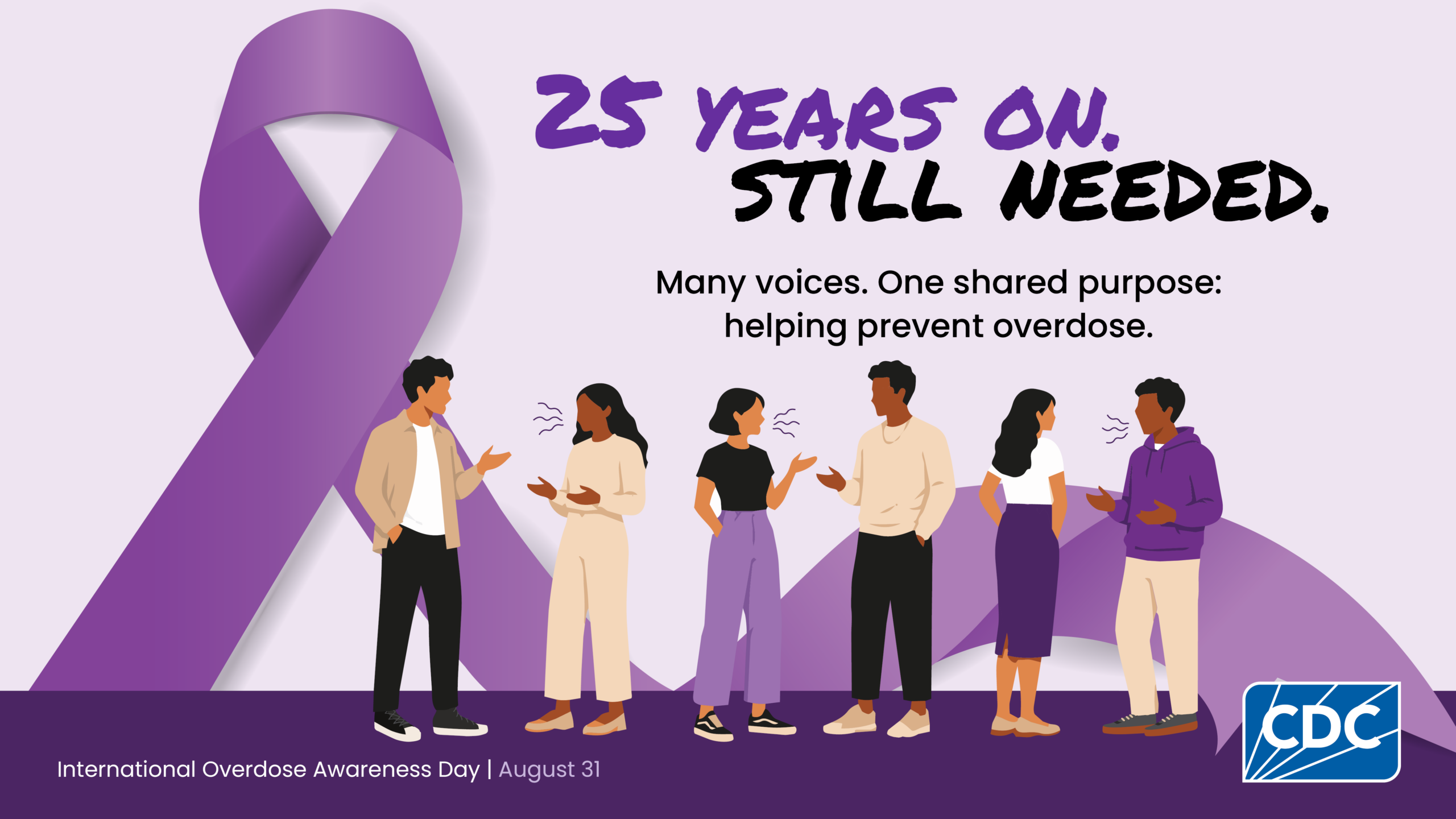
- This year's theme is "25 Years On. Still Needed". The theme reminds us that overdose affects people from every walk of life and that overdose prevention remains an urgent need.
- Join CDC in honoring lives lost to overdose, supporting people affected by substance use, and sharing evidence-based resources that can help save lives.
Overview
25 Years On: Still Needed, Still Taking Action, Still Saving Lives
Each year, August 31st marks International Overdose Awareness Day (IOAD), the world's largest annual campaign to end overdose.
In 2026, IOAD marks 25 years of global remembrance and action. The official theme this year is 25 Years On. Still Needed. The theme emphasizes three ideas:
- Overdose continues to affect people, families, and communities everywhere.
- Overdose is preventable.
- Compassionate and evidence-based action can save lives.
The goals of IOAD are to:
- Honor the lives of loved ones who have died from overdose.
- Show support to people in recovery.
- Continue raising awareness about the risks of overdose.
- Share information on available prevention, treatment, and recovery support services.
- Promote evidence-based practices and strategies that can prevent overdose.
Partner with us
Join us as an IOAD partner by using your voice and platforms to spread the message of ending overdose. CDC's IOAD 2026 Partner Toolkit is designed to help partners share trusted overdose prevention messages and resources. Use the sample copy, graphics guidance, and calls to action below to support your organization's IOAD outreach. In addition to this toolkit, a campaign resources overview provides a list of materials available for downloading and printing.
Here are ways to participate:
- Share CDC's IOAD Partner Toolkit before and on August 31.
- Post on social media using #25YearsStillNeeded, #IOAD2026, and #EndOverdose.
- Use person-centered language when talking about substance use, overdose, treatment, and recovery.
- Use the sample partner letter to share IOAD information with communities and healthcare providers in newsletters, emails, and other partner communications.
- Share information about overdose prevention, naloxone, treatment, recovery supports, and local services.
- Host or join a remembrance or awareness activity that centers compassion, support, and evidence-based action.
- Continue the conversation beyond August 31 by connecting people to trusted resources.
Key Messages
- International Overdose Awareness Day 2026 marks 25 years of global remembrance, awareness, and action. This year's theme, "25 Years On. Still Needed.", reminds us that overdose continues to affect people, families, and communities everywhere.
- Behind every statistic is a person. IOAD is a time to honor people who have died from overdose, recognize the grief of families and communities, and support people affected by substance use and in recovery.
- Overdose prevention is still needed. Open conversations, compassion, person-centered language, and evidence-based action can help connect people to support.
- Overdose is preventable. Proven strategies — including naloxone, timely access to care, medications for opioid use disorder, education, and recovery supports — can save lives.
- CDC is carrying the IOAD theme forward through action: Still Needed. Still Acting. Still Saving Lives. CDC provides data, tools, training, and prevention resources to help communities understand overdose trends and respond to local needs.
- Partners play an essential role in keeping the conversation going. This IOAD, CDC encourages partners to share trusted resources, promote prevention and treatment connections, and continue supporting overdose prevention beyond August 31.
Use this toolkit to raise awareness and take action
For partners and community organizations
Use the toolkit to share IOAD messages, promote overdose prevention resources, and connect people to local prevention, treatment, and recovery support services.
For general audiences/media
Learn how to recognize an overdose, carry naloxone, know how to respond, and share trusted overdose prevention information with family, friends, and community members.
For healthcare professionals
Use CDC resources to talk with patients and caregivers about overdose risk, naloxone, follow-up care, medications for opioid use disorder, and supportive communication.
For media, public health, and data users
Use CDC's MMWR, SUDORS Dashboard, and Overdose Prevention Data Channel to better understand overdose trends and inform prevention strategies.
For all partners
Use person-centered language when talking about substance use, overdose, treatment, and recovery.
What's new from CDC for IOAD 2026
This year, CDC will mark IOAD by releasing new data and resources:
- A new Morbidity and Mortality Weekly Report (MMWR) will be released August 27: Buprenorphine Pharmacy Dispensing and Emergency Department Administration by Urban-Rural County Classification – United States, 2019-2025, which examines access to buprenorphine across urban and rural communities.
- Updated 2025 overdose death data and enhanced trend view for overdose death data on the SUDORS dashboard, allowing viewers to examine drug overdose patterns across multiple years—by drugs involved, demographics, and circumstances surrounding deaths.
Subscribe to our newsletter
Sign up for our email newsletter below.
Help prevent overdose
Naloxone can reverse an overdose from opioids, including heroin, illegally made fentanyl, and prescription opioid medications. Often given as a nasal spray, naloxone is safe and easy to use.
Anyone can carry naloxone, give it to someone experiencing an overdose, and potentially save a life.
CDC's naloxone resources for healthcare professionals are designed to provide an overview of naloxone and provide strategies that can be implemented in your practice.
Studies show that naloxone may not always be offered when risk factors are present, such as taking higher doses of opioids, prescriptions for benzodiazepines in addition to opioids, or history of overdose.
Clinicians can:
- Educate patients and their caregivers on factors that increase the risk for overdose.
- Raise awareness about the benefits and availability of naloxone.
- Encourage patients who are at risk of overdose and their caregivers to carry naloxone.
- Explain how and when to administer naloxone.
- Highlight the importance of follow-up care for overdose.
CDC created a suite of naloxone materials and tools to support your efforts to discuss naloxone with patients, families, and caregivers.
- Factsheets and Conversation Starters Information on naloxone for a variety of audiences ranging from clinicians to patients.
- Naloxone Training Includes modules that are eligible for free continuing education and interactive patient cases.
- An Addiction Medicine Toolkit is also available to support clinicians who are working with their patients to treat or manage substance use disorder or opioid use disorder.
CDC released the 2022 CDC Clinical Practice Guideline for Prescribing Opioids for Pain. CDC developed resources and trainings for healthcare professionals to assist with implementing the guidance in their practices. We continuously develop materials so please check back periodically to see what is new.
Sample social media content
Use or adapt the messages below to help raise awareness on International Overdose Awareness Day (IOAD), observed on August 31. Partners may customize posts with local resources, organization handles, community events, and links to prevention, treatment, recovery, naloxone, or family support services.
Pair these posts with downloadable graphics, animated GIFs, or social media frames. For Instagram, partners may use "link in bio" instead of a full URL.
Recommended hashtags: #IOAD2026, #25YearsStillNeeded, and #EndOverdose
Optional campaign hashtags: #StillNeeded #OverdoseAware #OverdosePrevention
X/Twitter
Option 1:
International Overdose Awareness Day is August 31. 25 years on, overdose awareness is still needed.
Join CDC and partners in honoring people who have died from overdose, supporting those affected, and sharing prevention resources: https://bit.ly/3U0adRS
#IOAD2026 #25YearsStillNeeded
Option 2:
Today is International Overdose Awareness Day.
For 25 years, IOAD has honored people who have died from overdose and called us to prevention.
This work is still needed. CDC and partners are still acting to help save lives.
#IOAD2026 #StillNeeded
Facebook/Instagram
Option 1:
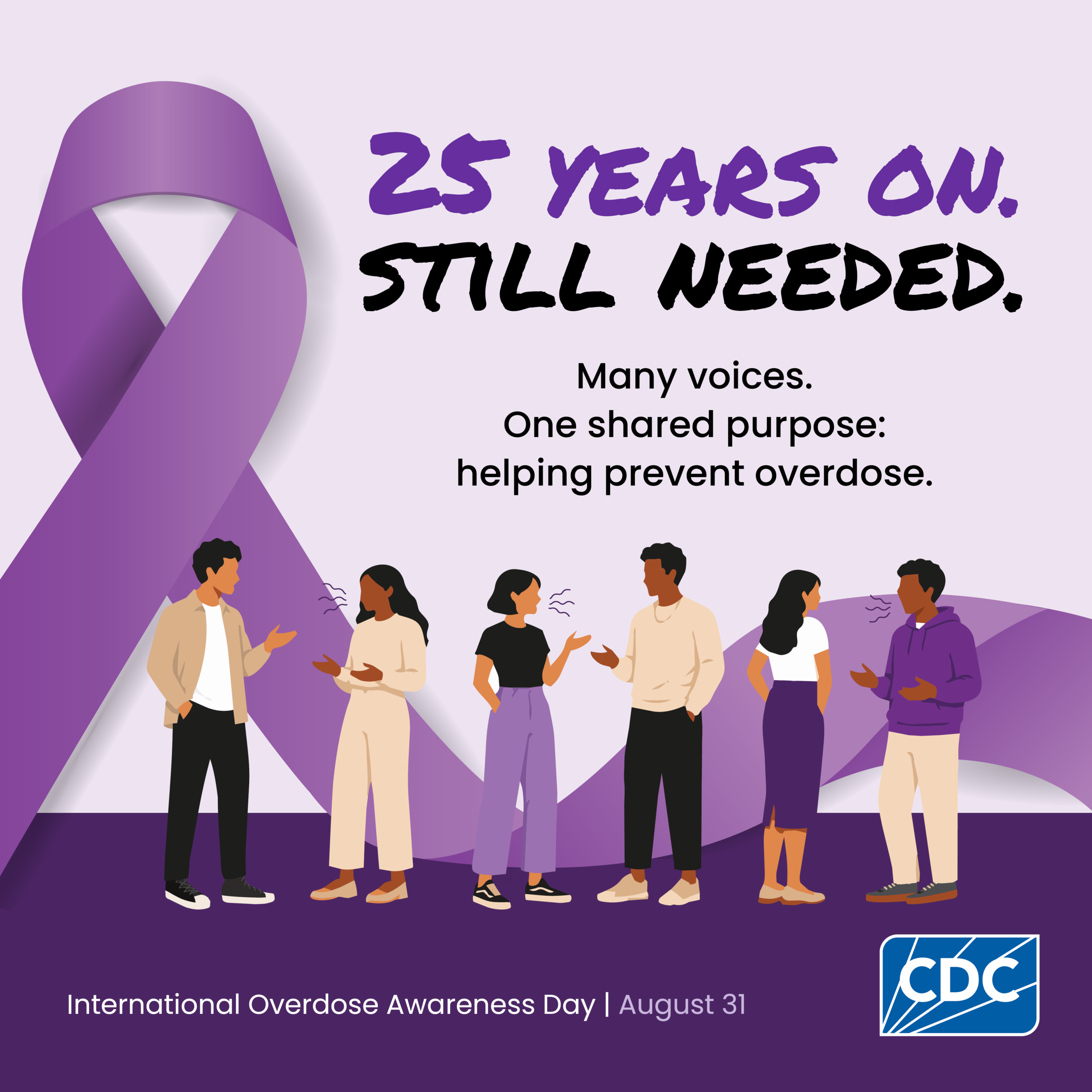
Many voices. One shared purpose: helping prevent overdose.
International Overdose Awareness Day is August 31. In its 25th year, IOAD reminds us that overdose awareness is still needed — and every conversation can help connect people to support.
Join CDC and partners across the country in honoring people who have died from overdose, supporting people affected by substance use and recovery, and sharing evidence-based prevention resources.
Learn more: https://bit.ly/3U0adRS For Instagram: Visit the link in our bio.
#IOAD2026 #25YearsStillNeeded #EndOverdose
Option 2:
Today is International Overdose Awareness Day.
For 25 years, IOAD has brought people together to remember people who have died from overdose, support families and communities affected by loss, and take action to help prevent overdose.
This year's theme, "25 Years On. Still Needed.", reminds us that behind every statistic is a person — someone loved, valued, and missed.
CDC's continued call to action is: Still Needed. Still Acting. Still Saving Lives.
Remember. Support. Prevent.
Access and share resources: https://bit.ly/3U0adRS
For Instagram: Visit the link in our bio.
#IOAD2026 #25YearsStillNeeded #EndOverdose
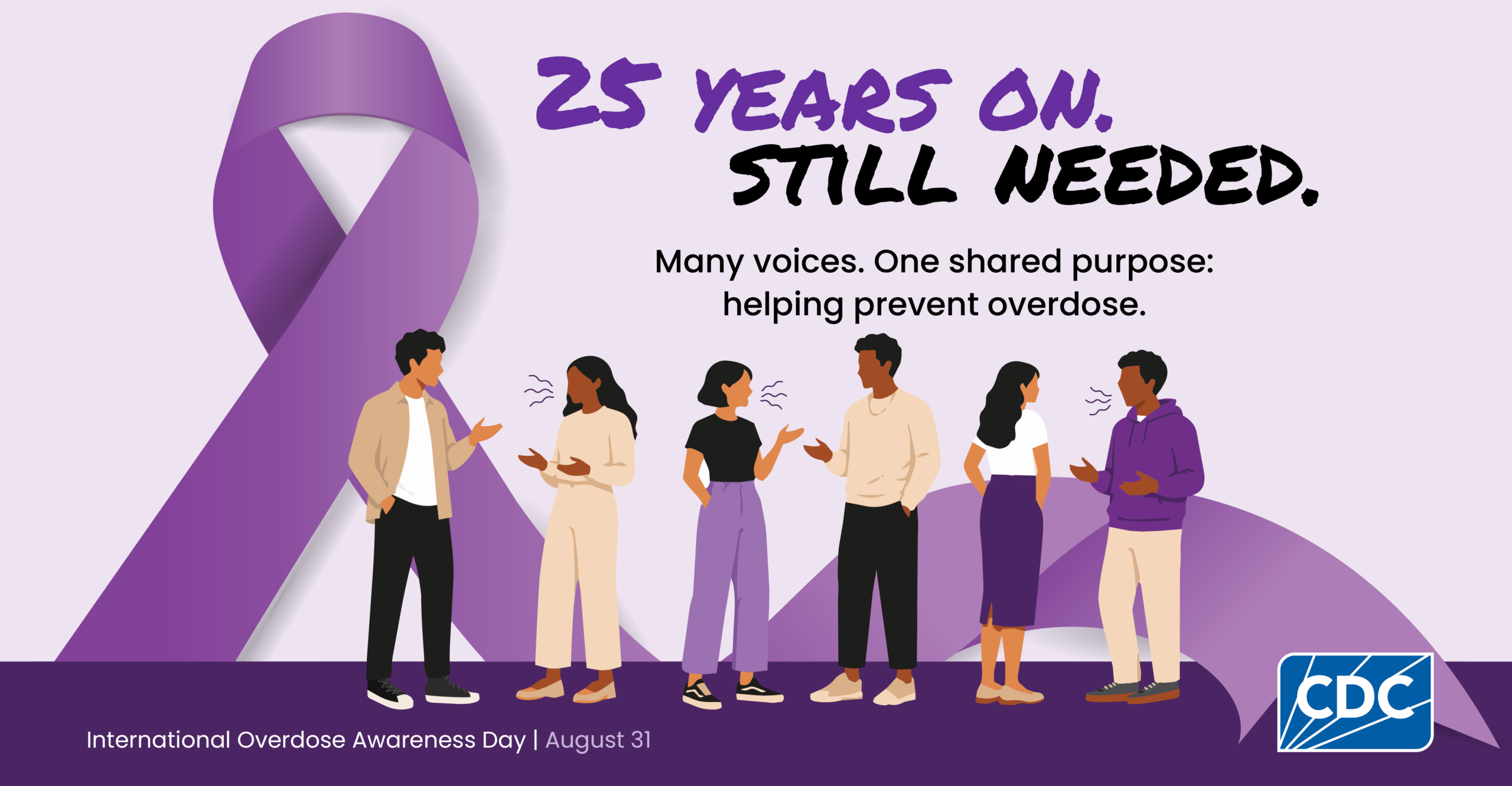
Overdose prevention partners: International Overdose Awareness Day is August 31.
In 2026, IOAD marks 25 years of global remembrance, awareness, and action. This year's theme, "25 Years On. Still Needed.", reminds us that overdose continues to affect people, families, and communities — and that prevention work must continue.
Join CDC and partners in sharing trusted resources and helping connect people to prevention, treatment, and recovery support.
Access and share resources: https://bit.ly/3U0adRS
#IOAD2026 #25YearsStillNeeded #OverdosePrevention
X/Twitter
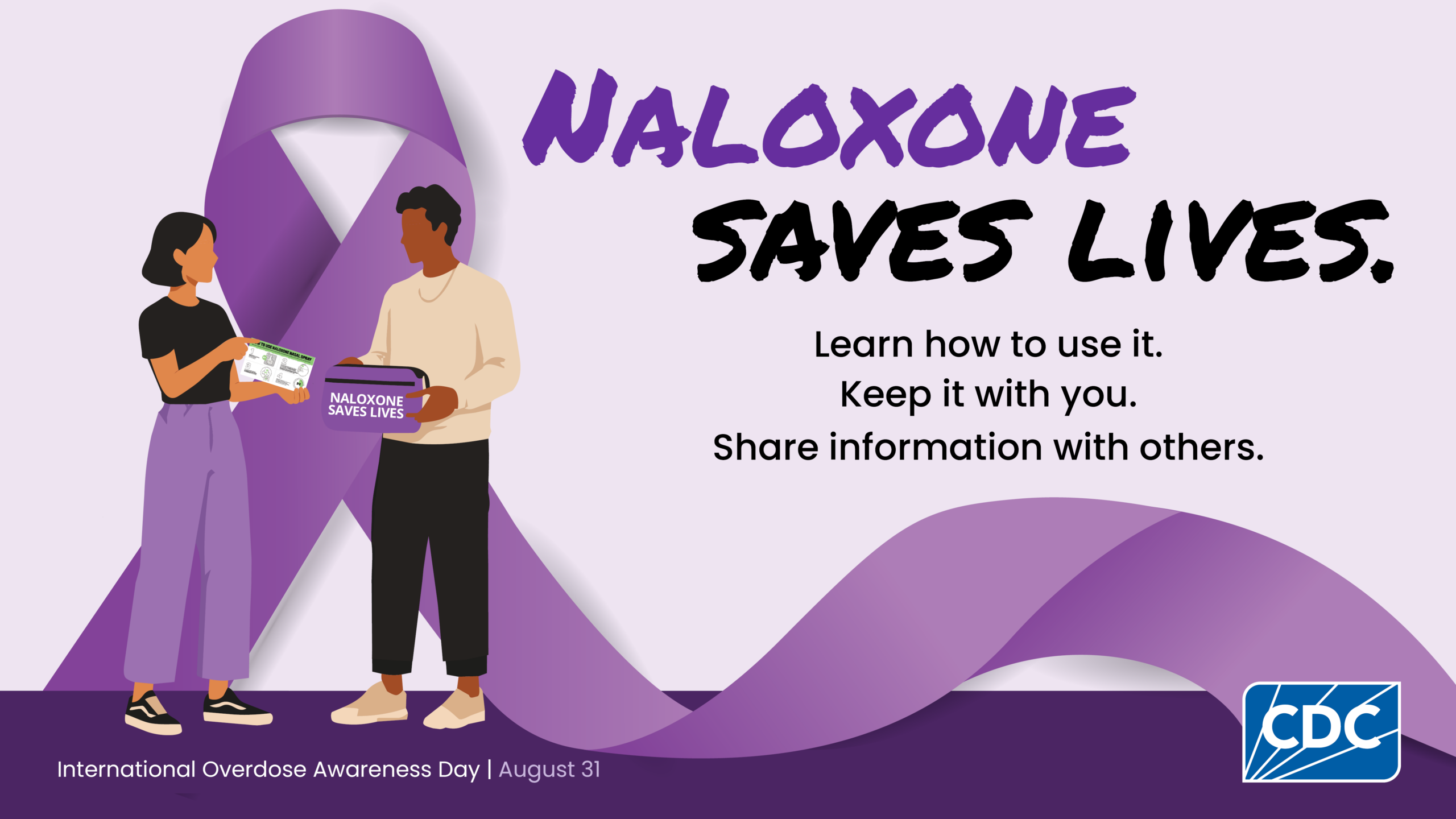
Naloxone can reverse an opioid overdose.
This International Overdose Awareness Day, take action: learn how to use naloxone, keep it with you, and share information with your loved ones and community.
#IOAD2026 #StillNeeded
Facebook/Instagram
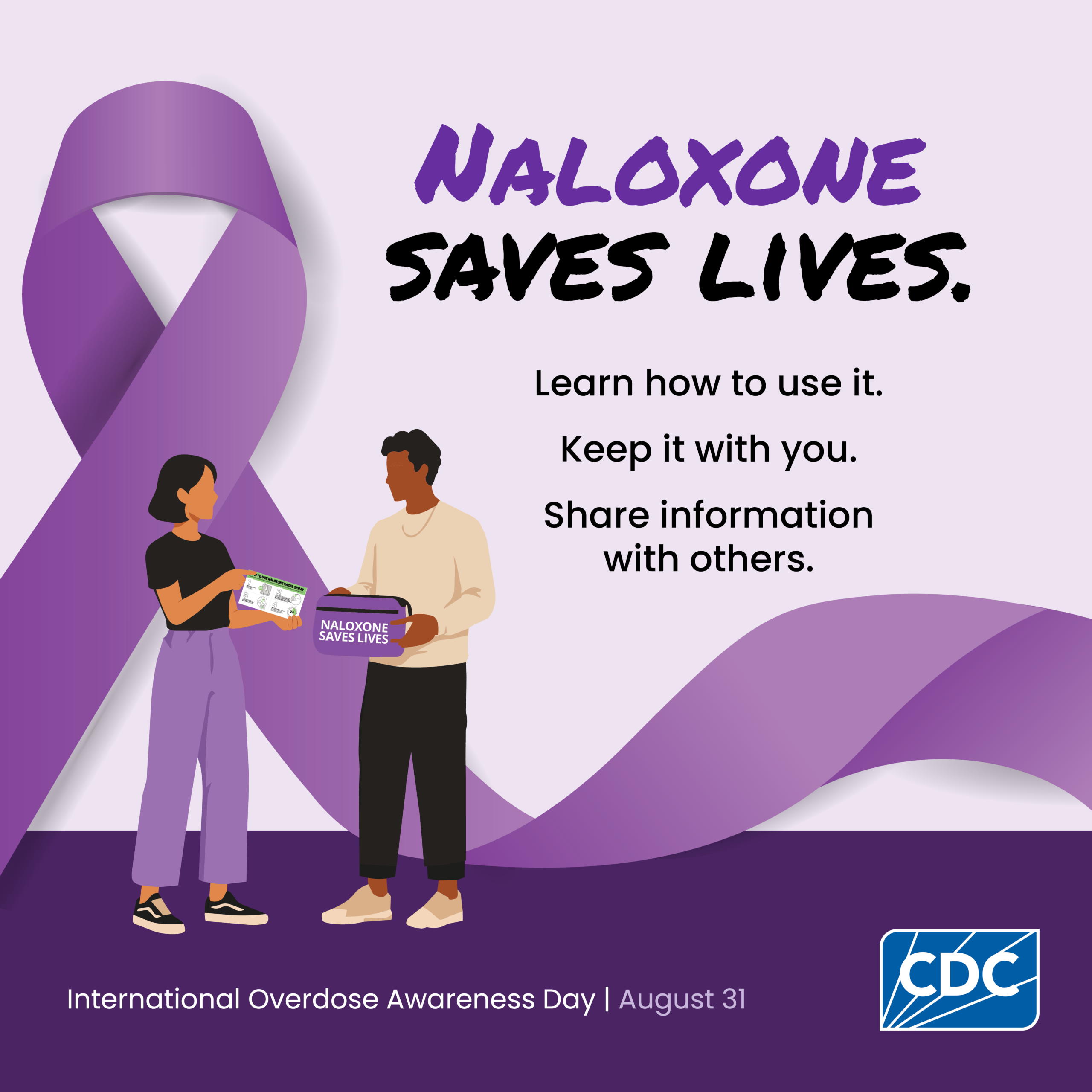
Naloxone saves lives.
Naloxone is a lifesaving medication that can reverse an opioid overdose. This International Overdose Awareness Day help protect your community by learning how to use naloxone and keeping it with you and at home.
Overdose prevention is still needed. Taking action can help save lives.
Learn more: https://bit.ly/4cOLBlo For Instagram: Visit the link in our bio.
#IOAD2026 #25YearsStillNeeded #EndOverdose
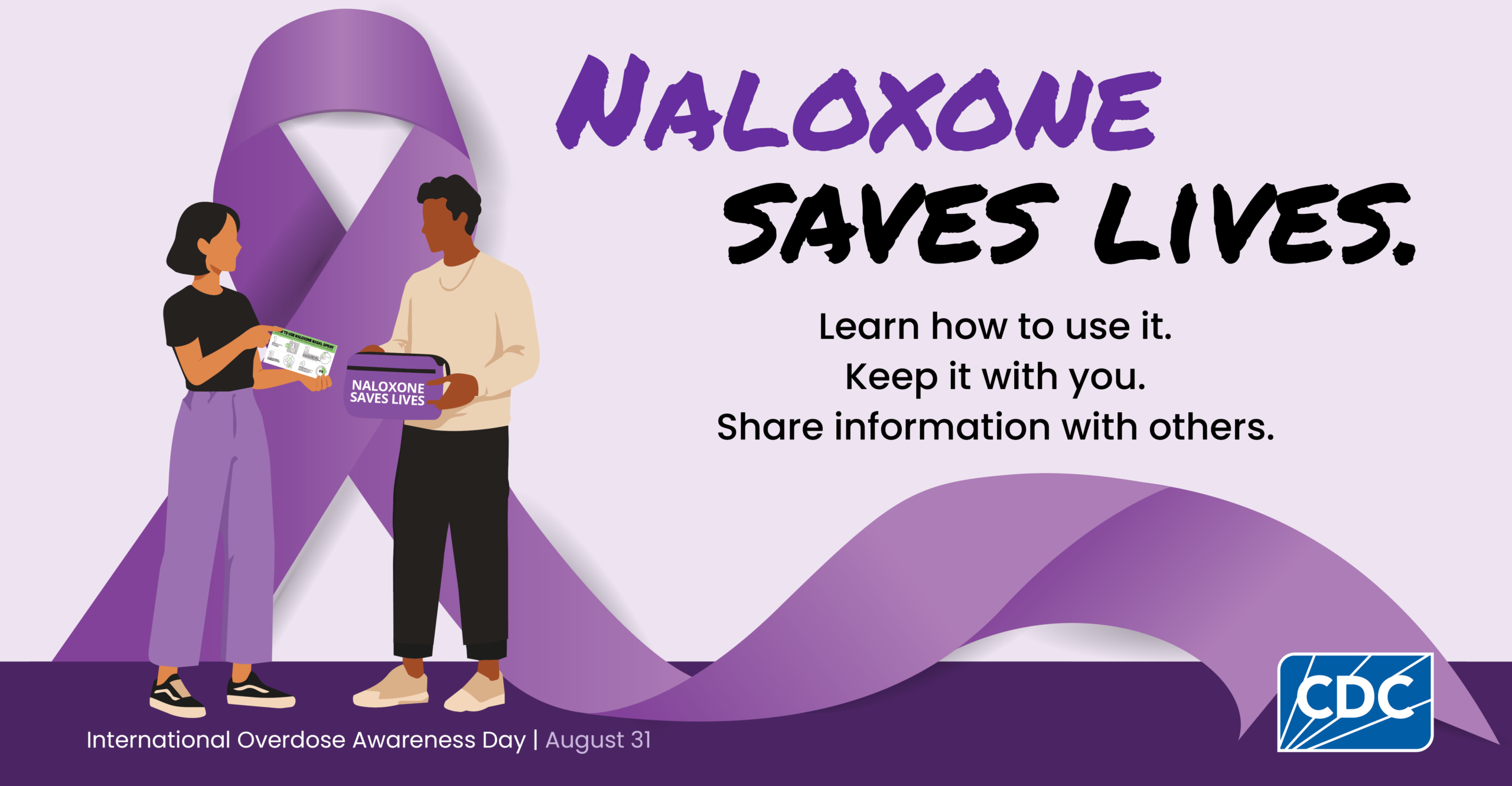
Naloxone saves lives.
This International Overdose Awareness Day, partners and healthcare professionals can help prevent overdose by raising awareness about naloxone, talking with patients and communities about overdose risk, and connecting people to prevention, treatment, and recovery resources.
Twenty-five years on, this work is still needed — and evidence-based action can help save lives.
Access CDC naloxone resources: https://bit.ly/4cOLBlo
#IOAD2026 #StillNeeded #OverdosePrevention
X/Twitter
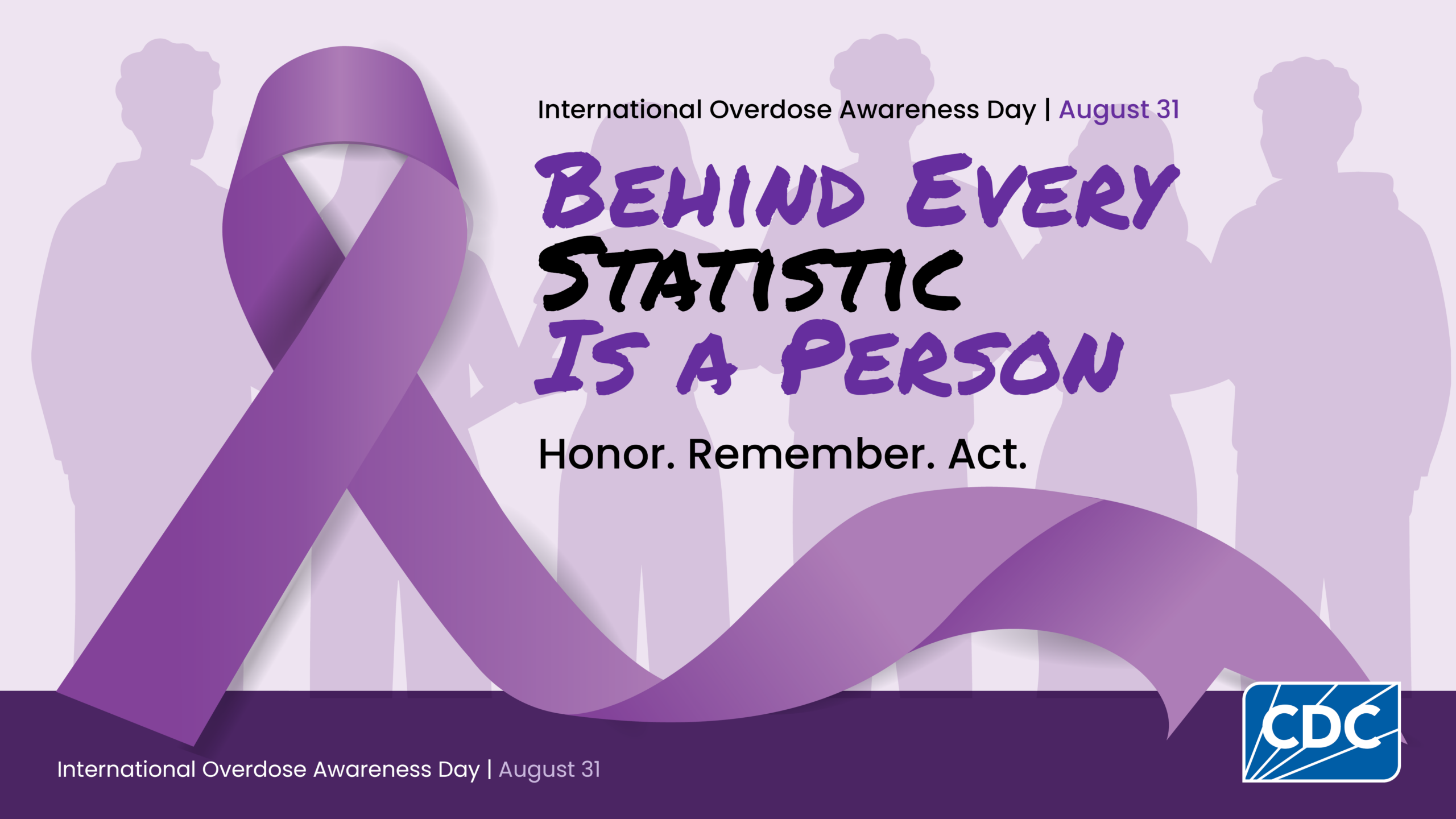
In 2025, approximately 70,000 people in the United States died from drug overdose. Each person was loved, valued, and missed.
This #IOAD2026, we honor them through remembrance, compassion, and evidence-based action.
#StillNeeded
Facebook/Instagram
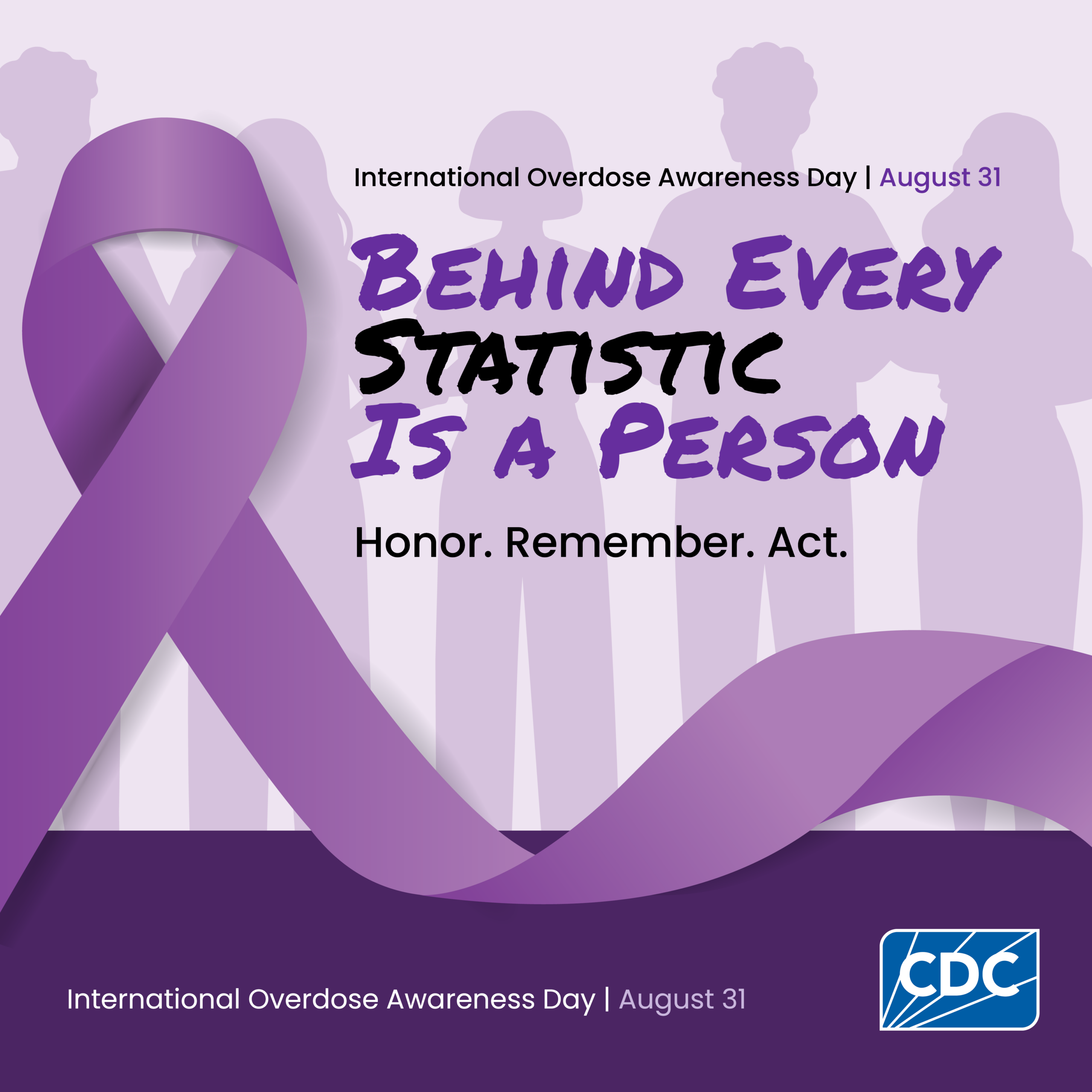
Behind every statistic is a person.
In 2025, approximately 70,000 people in the United States died from drug overdose. Each person was someone loved, valued, and missed by family, friends, and community.
On this International Overdose Awareness Day, we:
- Honor people who have died from overdose
- Support people affected by substance use, treatment, and recovery
- Share resources that can help prevent overdose
- Strengthen communities through education, compassion, and action
Twenty-five years on, overdose awareness is still needed. Together, we can help prevent overdose and save lives.
Learn more: https://bit.ly/3U0adRS For Instagram: Visit the link in our bio.
#IOAD2026 #25YearsStillNeeded #EndOverdose
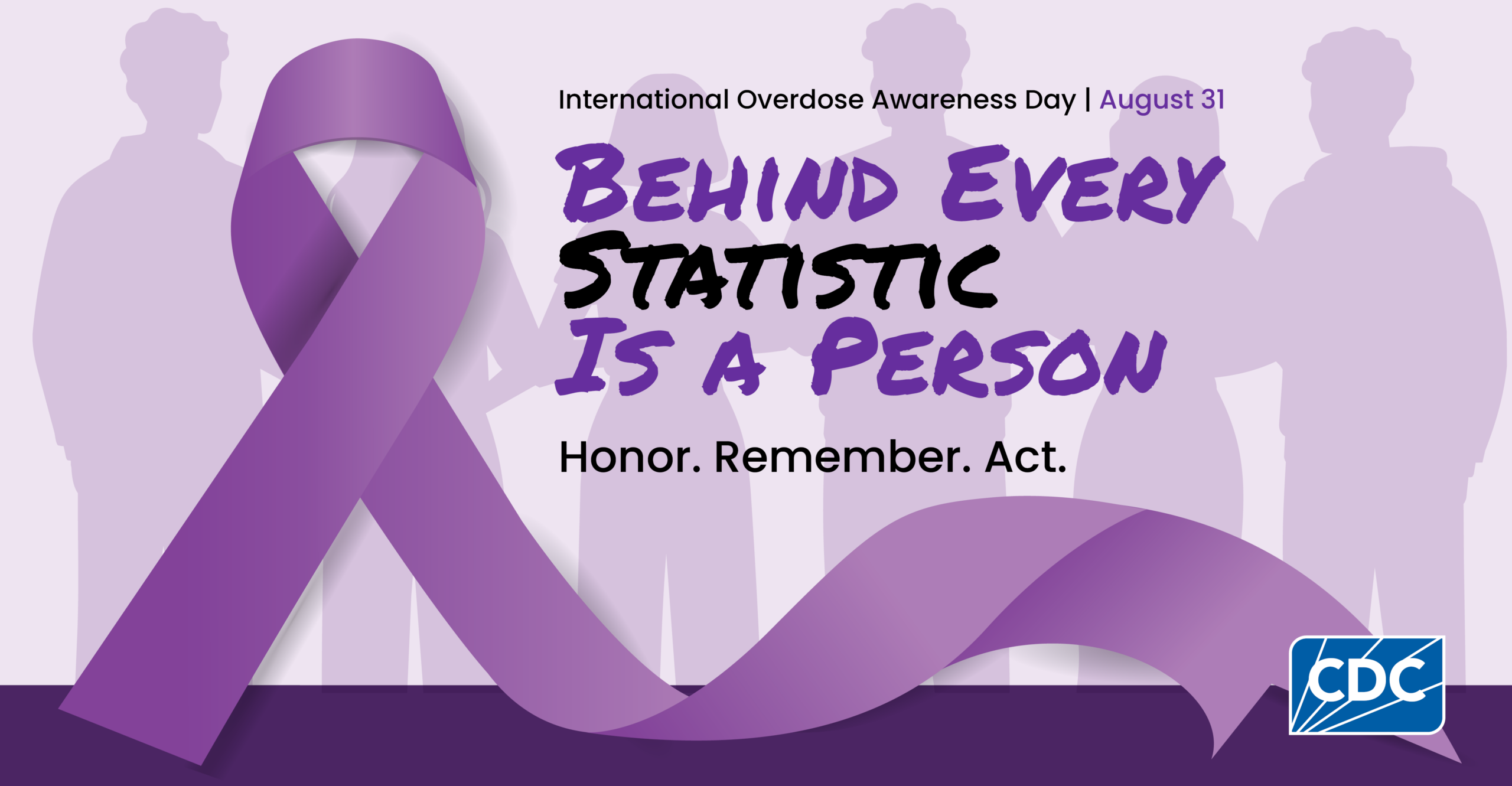
In 2025, approximately 70,000 people in the United States died from drug overdose. Behind that number are people who were loved, valued, and part of families, workplaces, friendships, and communities.
This International Overdose Awareness Day, we honor people who have died from overdose and recognize the grief carried by families, friends, and communities.
We also continue the work of prevention.
On IOAD, partners can help by sharing trusted resources, supporting treatment and recovery, promoting naloxone, and using data to guide evidence-based action.
The conversation is still needed. Together, we can help prevent overdose and save lives.
Access and share resources: https://bit.ly/3U0adRS
#IOAD2026 #StillNeeded #OverdosePrevention
X/Twitter
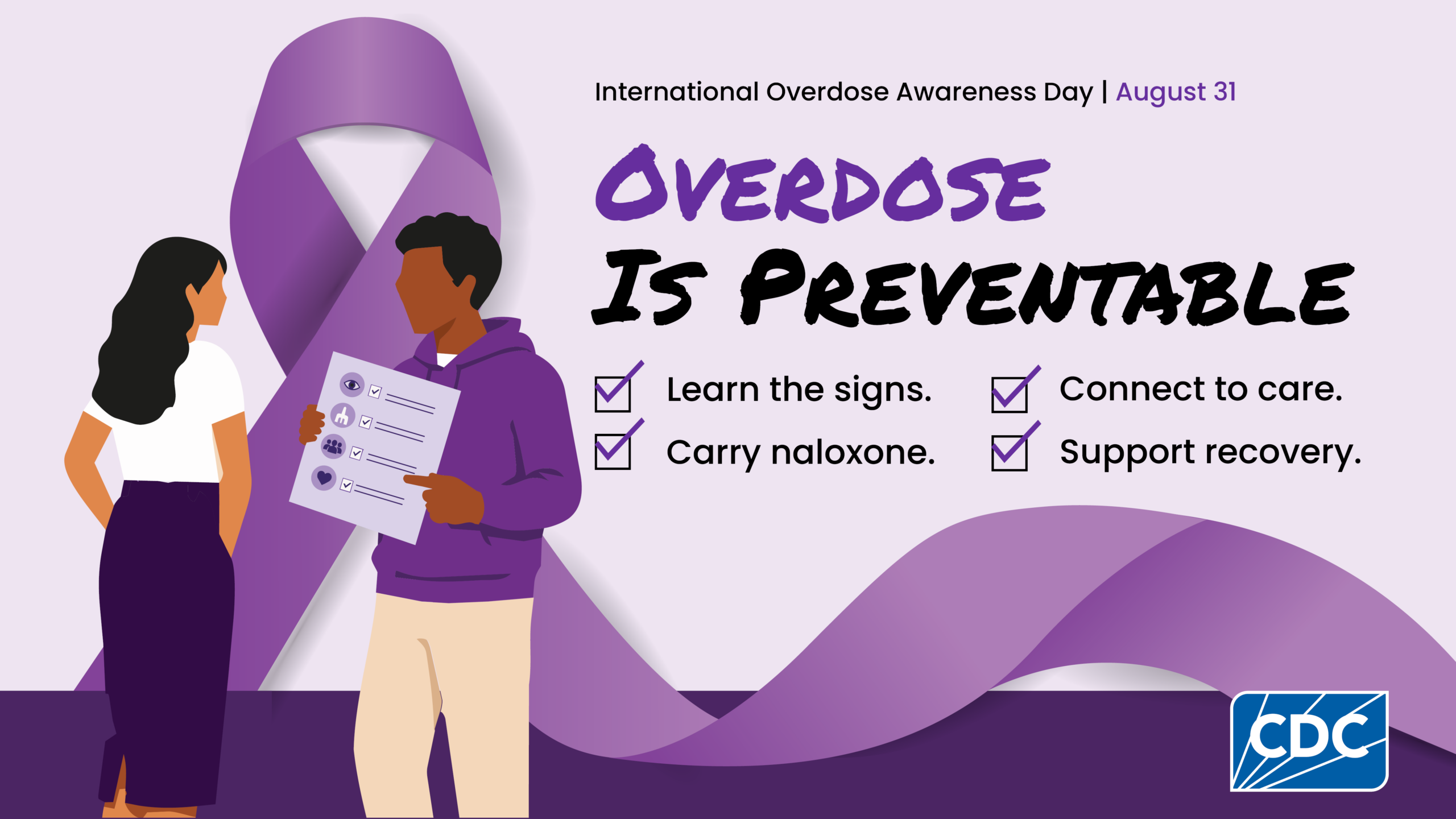
Overdose is preventable.
This #IOAD2026, you can help by learning the signs of overdose, carrying naloxone, supporting treatment and recovery, and sharing trusted resources.
Every action matters.
#StillNeeded
Facebook/Instagram
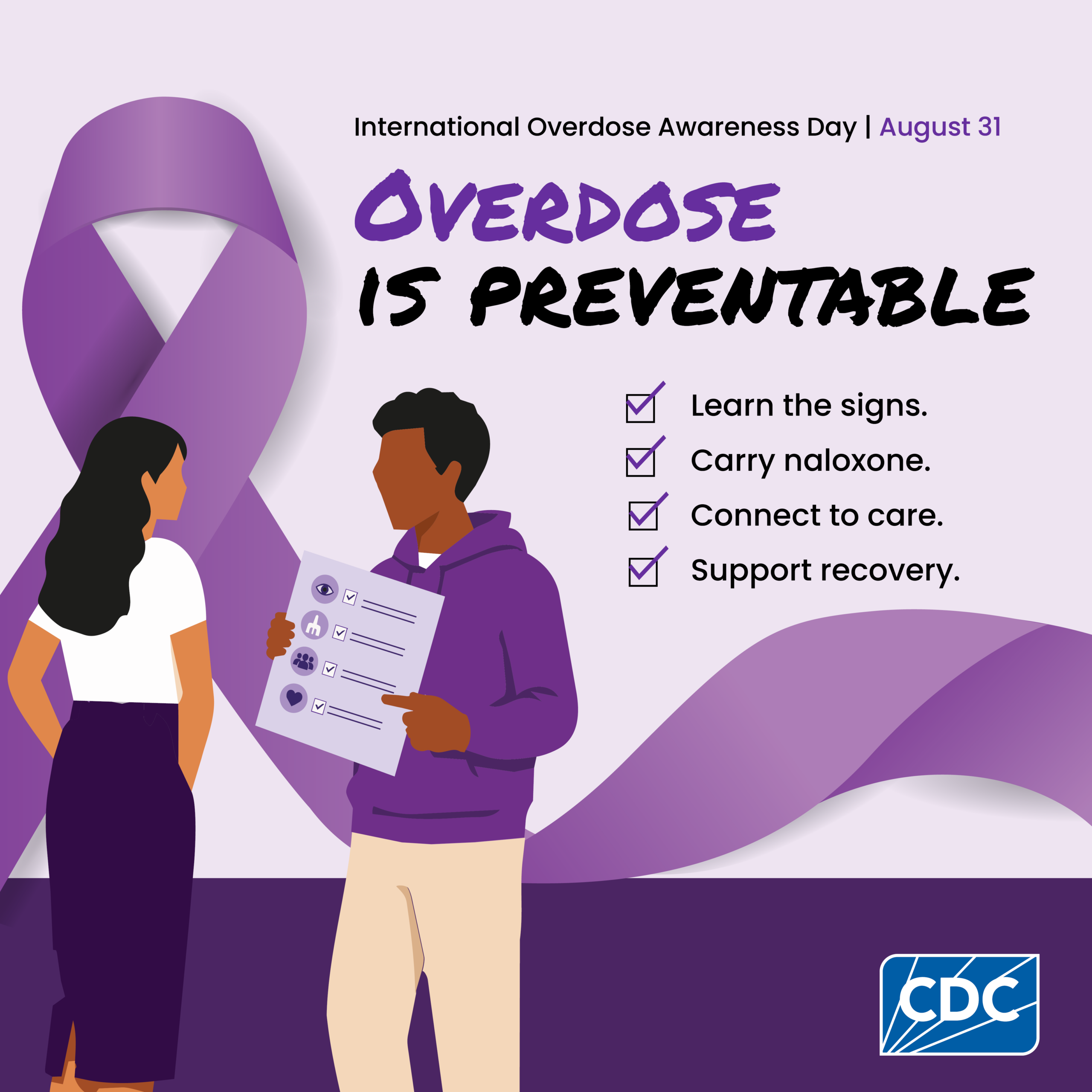
Overdose is preventable. You can help by:
- Learning the signs of overdose.
- Carrying naloxone and knowing how to use it.
- Promoting respect by using person-centered language.
- Supporting access to treatment and recovery services.
- Sharing evidence-based overdose prevention resources.
This International Overdose Awareness Day, the conversation is still needed — and every action can help save lives.
Learn more: https://bit.ly/3U0adRS For Instagram: Visit the link in our bio.
#IOAD2026 #25YearsStillNeeded #EndOverdose
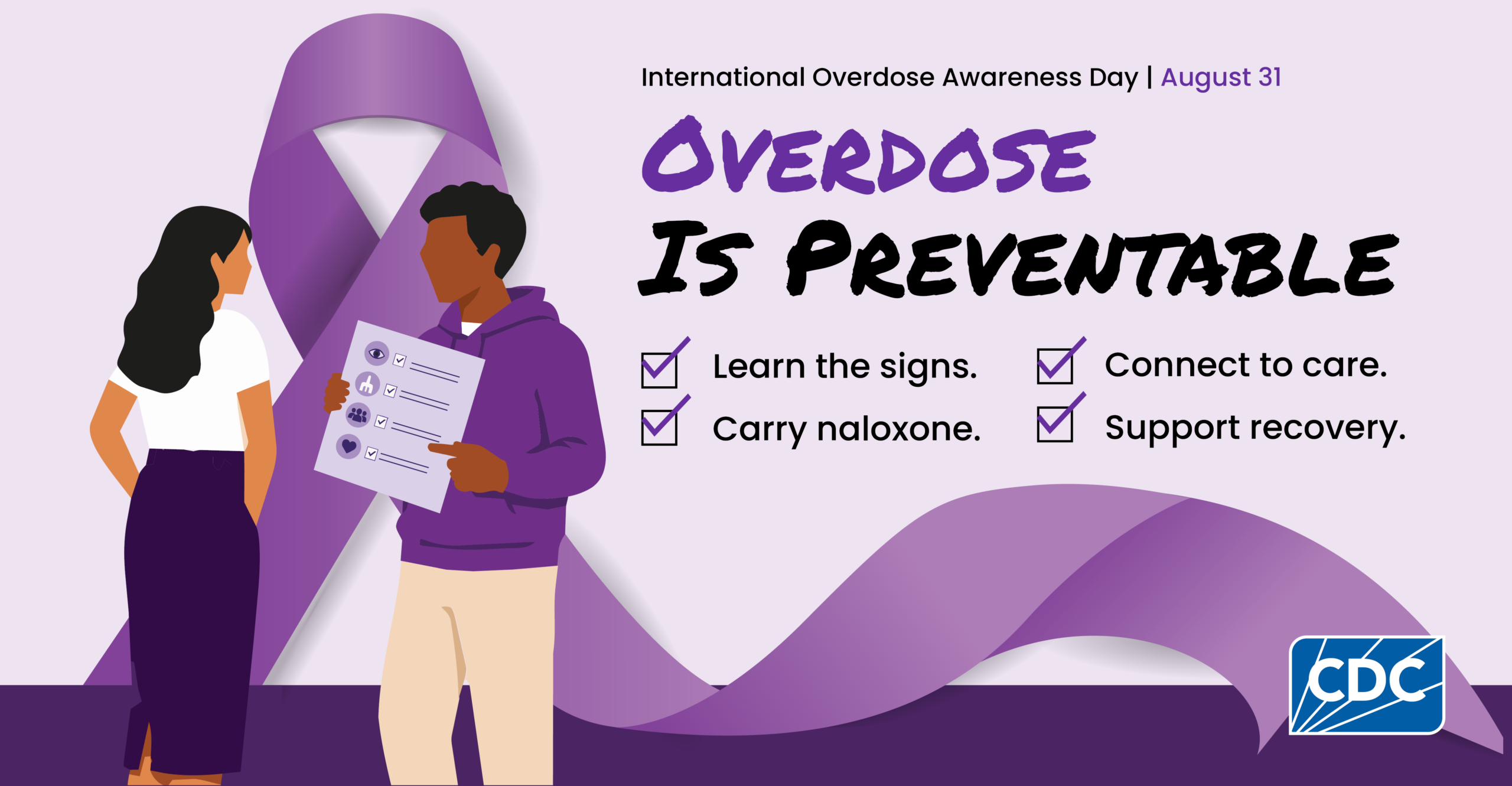
Overdose prevention requires awareness, compassion, and evidence-based action.
This International Overdose Awareness Day, partners can help by:
- Sharing trusted overdose prevention resources.
- Promoting naloxone awareness.
- Supporting access to treatment and recovery services.
- Promoting respect through person-centered language.
- Using data to guide prevention strategies.
Twenty-five years on, this work is still needed. Together, we can help save lives.
Access and share resources: https://bit.ly/3U0adRS
#IOAD2026 #StillNeeded #OverdosePrevention
X/Twitter
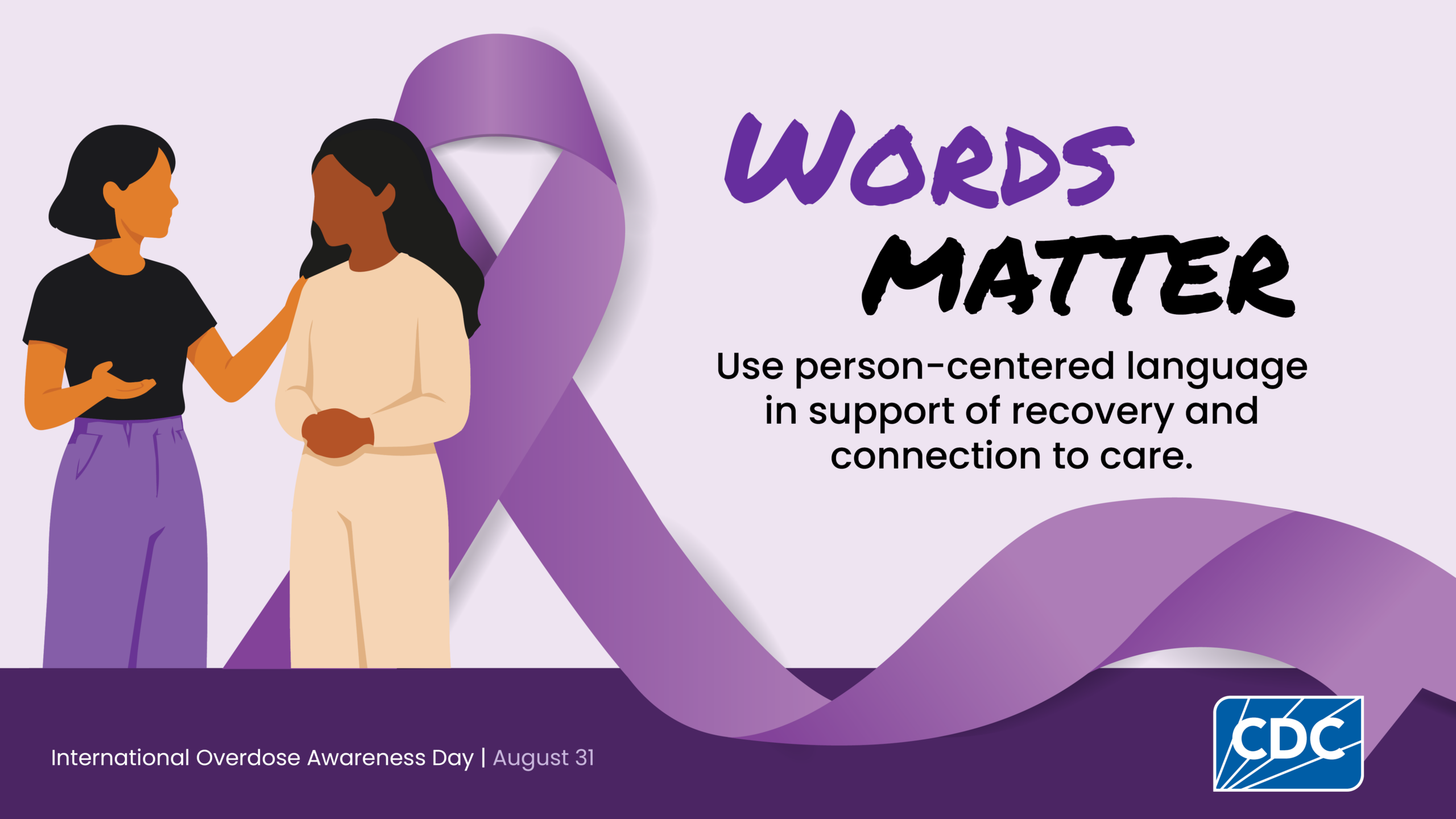
Words matter.
This #IOAD2026, use person-centered language when talking about substance use, overdose, treatment, and recovery. Compassion can help connect people to support.
#StillNeeded
Facebook/Instagram
Words matter.
International Overdose Awareness Day is a time to remember people who have died from overdose, support people affected by substance use and recovery.
This year's theme, "25 Years On. Still Needed.", reminds us that compassion is part of prevention. Using person-centered language can help people feel respected, supported, and connected to care.
Learn more and share resources: https://bit.ly/3U0adRS For Instagram: Visit the link in our bio.
#IOAD2026 #25YearsStillNeeded #EndOverdose
Sample partner letter
Include our sample content in email or print newsletters or other communications channels, including updates to staff, provider networks, associations, and community-based communications efforts.
Subject line options: Join CDC for International Overdose Awareness Day 2026 | 25 Years On: Overdose Awareness Is Still Needed | Share CDC's IOAD 2026 Partner Toolkit
Dear Partners,
International Overdose Awareness Day (IOAD) is observed each year on August 31. It is a global campaign to end overdose and remember people who have died from overdose. In 2026, IOAD marks 25 years of remembrance, awareness, and action.
This year's theme, "25 Years On. Still Needed.," reflects a shared truth: overdose continues to affect people from every walk of life. Behind every statistic is a person who was loved and valued, and every loss is felt by families, friends, and communities.
The theme also points to hope. Overdose is preventable. Timely access to care and support, education, naloxone, evidence-based treatment, and recovery resources save lives. CDC is carrying the IOAD theme forward with an action frame: Still Needed. Still Taking Action. Still Saving Lives.
To support your outreach, CDC has developed an IOAD Partner Toolkit with sample social media posts, newsletter language, website copy, graphic guidance, and links to overdose prevention resources. We encourage you to use and adapt these materials for your community and networks.
Here are ways to participate:
- Share CDC's IOAD Partner Toolkit before and on August 31.
- Post on social media using #25YearsStillNeeded, #IOAD2026, and #EndOverdose.
- Use person-centered language when talking about substance use, overdose, treatment, and recovery.
- Share information about overdose prevention, naloxone, treatment, recovery supports, and local services.
- Host or join a remembrance or awareness activity that centers compassion, support, and evidence-based action.
- Continue the conversation beyond August 31 by connecting people to trusted resources.
On August 27, CDC also plans to share a new MMWR: Buprenorphine Pharmacy Dispensing and Emergency Department Administration by Urban-Rural County Classification – United States, 2019-2025. These resources can help partners better understand overdose trends and identify opportunities for prevention and response.
Thank you for your continued partnership and dedication. Twenty-five years on, this day is still needed - but it does not have to be needed forever. Together, we can remember, act, and continue toward a future where fewer lives are lost to overdose.
Sincerely,
[Name]
[Title]
[Organization]
[Contact Information]
This page was last updated on this date. Updates may include minor edits, image changes, or other modifications to page content.
The information on this page was last reviewed by subject matter experts to ensure accuracy.