



 1-888-982-4748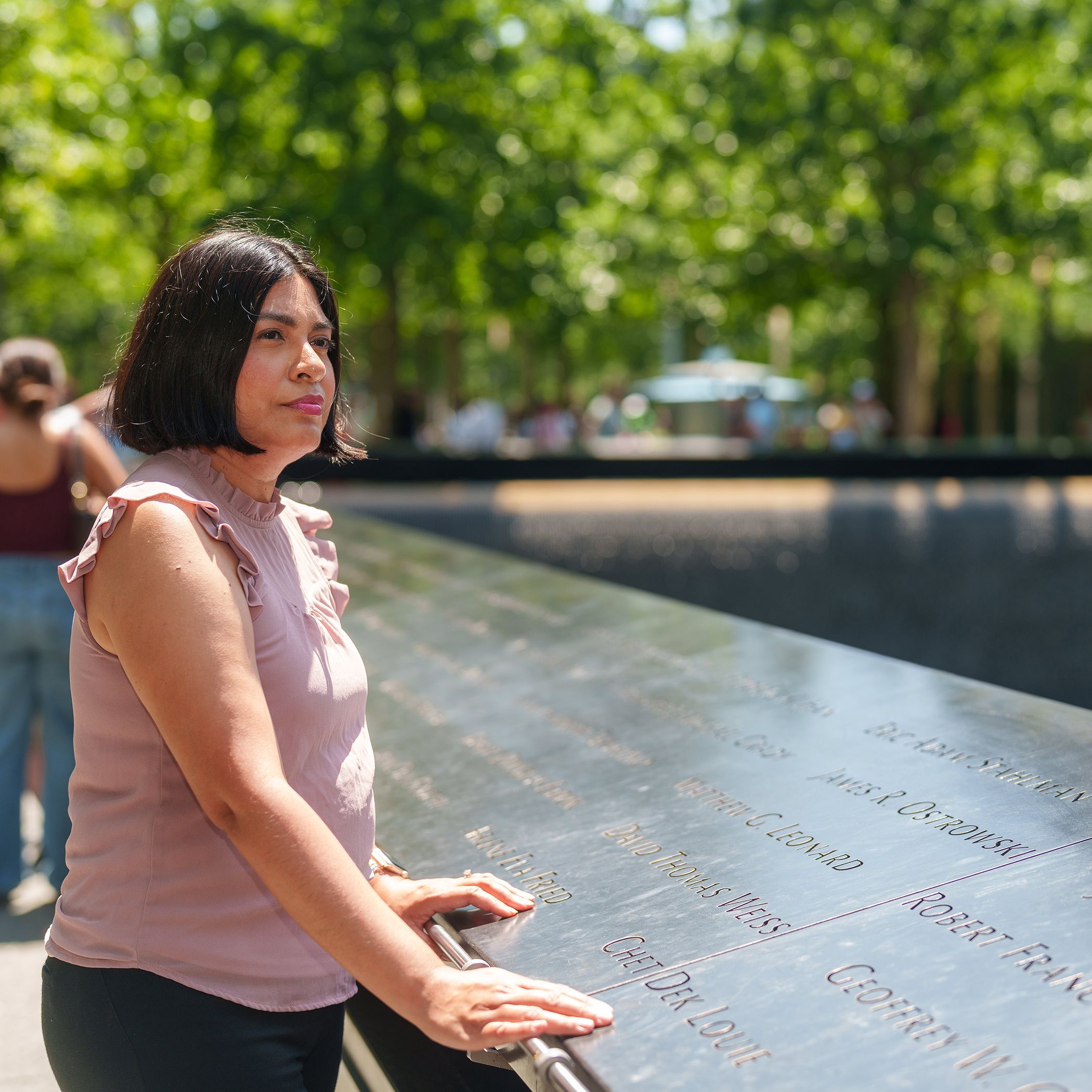
A Message from the Administrator
Members,
As we reflect on another year of progress and growth, I want to express my sincere gratitude for the continued trust you place in the World Trade Center (WTC) Health Program. Our mission to provide high-quality, compassionate care to responders and survivors impacted by the events of September 11, 2001, remains at the heart of everything we do.
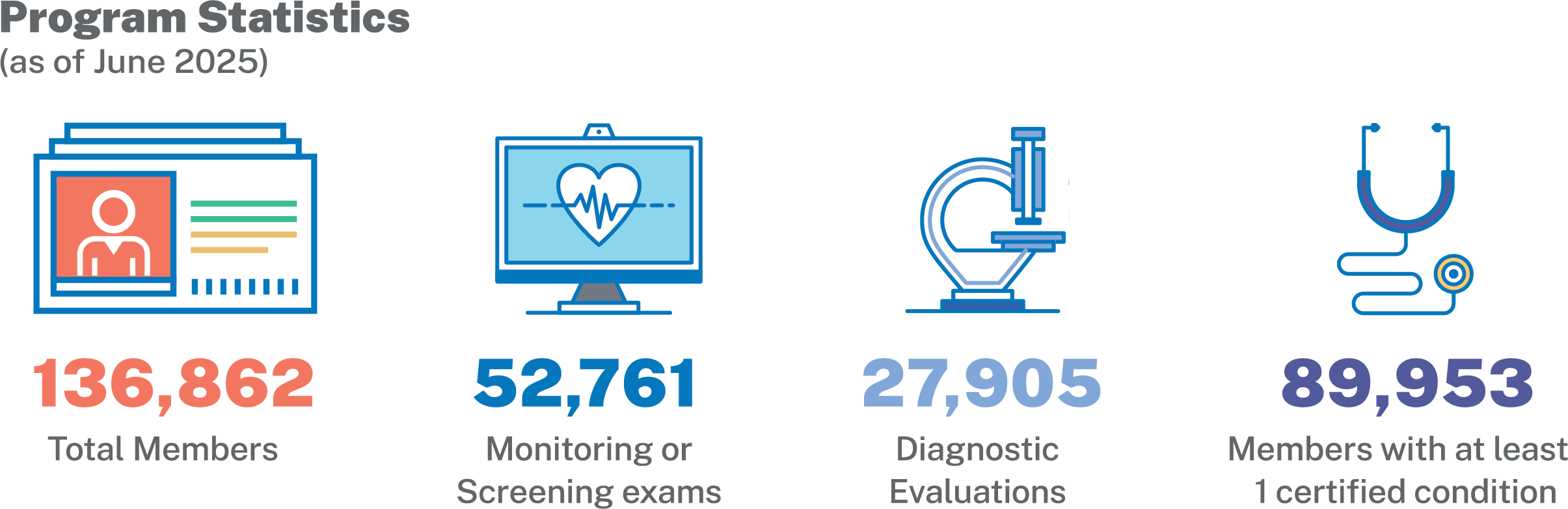
Over the past year, we were pleased to expand enrollment for responders from the Pentagon and Shanksville, PA. With this expansion, we welcomed new members into the Program, bringing the total number of individuals we serve to over 136,000. It is a milestone that deepens our ongoing responsibility to those whose lives were forever changed by 9/11.
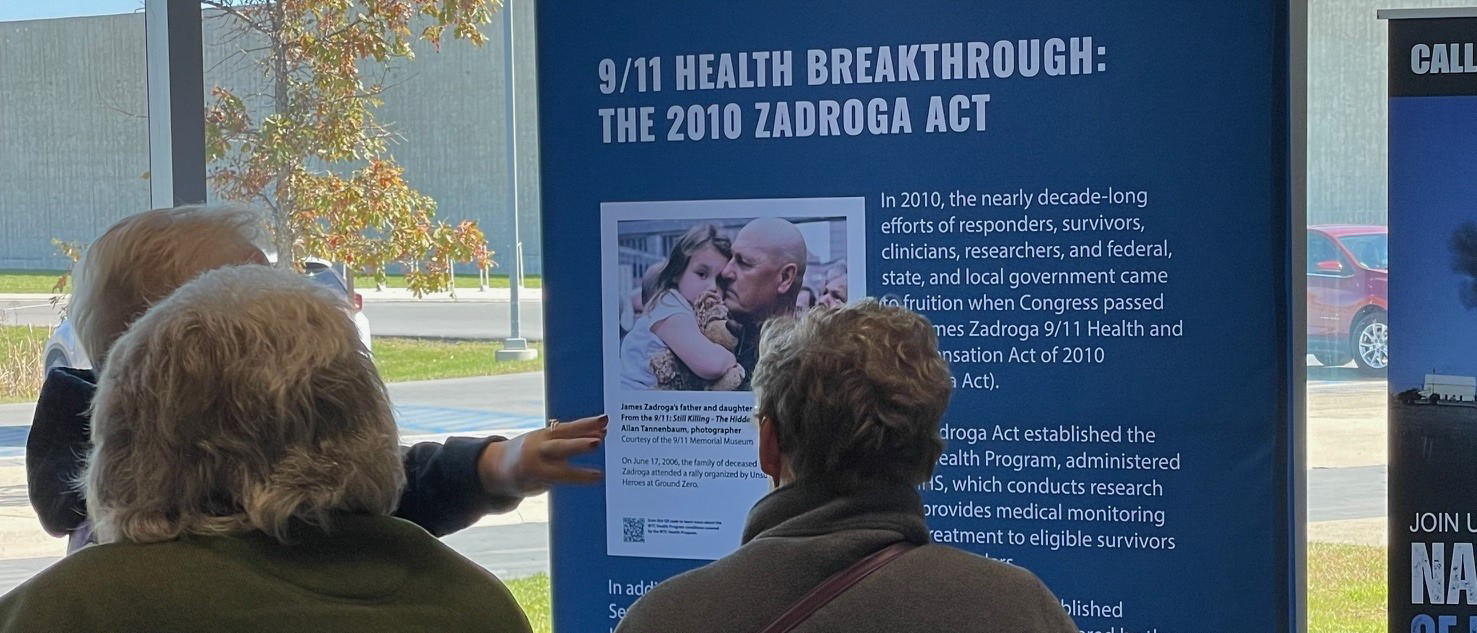
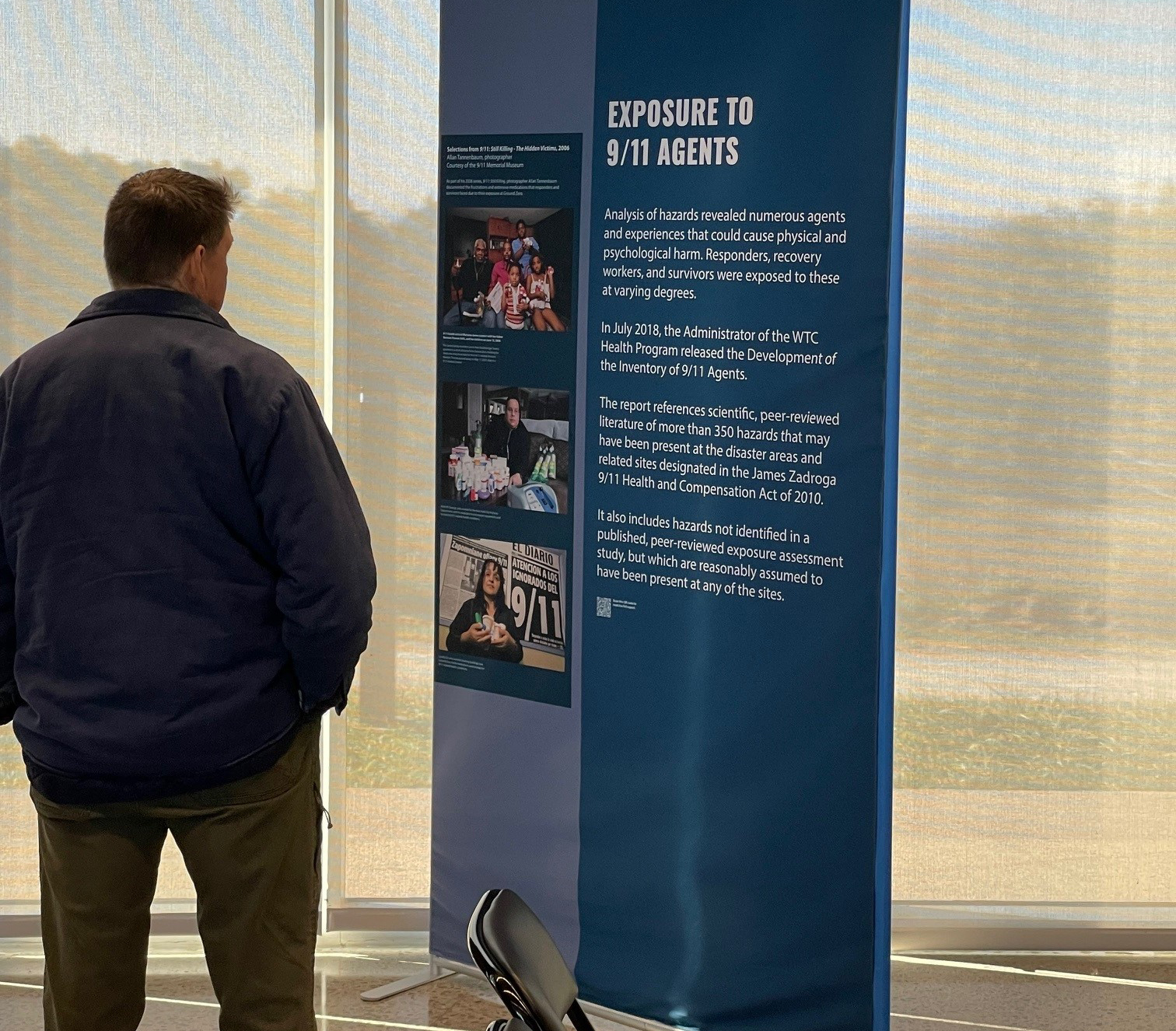
We continued our efforts to raise awareness about the lasting health effects of 9/11. In partnership with the 9/11 community, we launched an exhibition at the Flight 93 National Memorial in Shanksville, PA. This initiative highlights the ongoing health challenges faced by those affected and we are honored to tell these important stories.
We also made several updates to enhance your experience with the Program. In response to member feedback, we’ve updated and improved the Member Handbook, designed to provide you with all the information you need in a clearer and more accessible format. We’ve also expanded our eNews service, bringing you Program updates directly to your inbox. This ensures that you stay informed about new services, important reminders, or ways to get involved.
As we look to the future, our commitment remains clear – to ensure every member receives the care they need and deserve. Thank you for allowing us to support your health and well-being. We remain dedicated to serving the 9/11 community in the years to come.
Thank you for allowing us to serve you.
Sincerely,

John Howard, M.D.
Administrator, WTC Health Program
Program Statistics
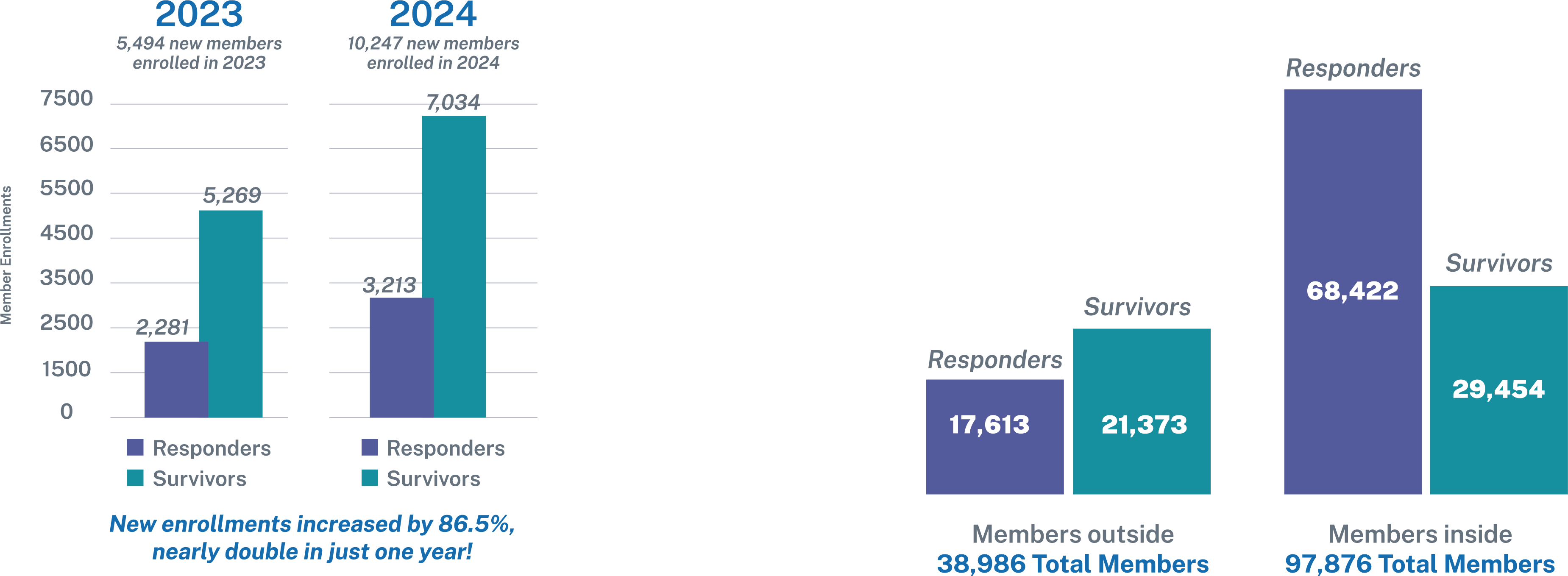
2023 vs. 2024 New Enrollments
Members Within vs Outside New York Metropolitan Area
(as of June 2025)
See more Program data at:
Program At-a-Glance
Program News
Updated WTC Health Program Member Handbook
Our Member Handbook has recently been updated with an improved design and updated information about coverage and benefits. Helpful tips, pointers to additional resources, and important contact information have also been added throughout the handbook, as well as new glossary terms.
You can access the handbook at any time online or request a printed copy from your Clinical Center of Excellence (CCE) or the Nationwide Provider Network (NPN).
Update for Members with Medicare
In January 2025, Medicare implemented a new optional program called the Medicare Prescription Payment Plan. This plan allows individuals to make monthly payments for their Medicare prescriptions instead of paying at the pharmacy.
Because of how the World Trade Center (WTC) Health Program covers the cost for WTC-related prescriptions, the WTC Health Program cannot cover or reimburse you for the cost for prescriptions billed to the Medicare Prescription Payment Plan. Please make sure to tell your pharmacy which prescriptions they should bill to the WTC Health Program.
All other prescriptions must be billed to your primary insurance, whether private or public insurance. Learn more about Program pharmacy benefits.

Getting Care in the WTC Health Program
The WTC Health Program is committed to providing quality care for all members nationwide. To achieve this, the Program works with CCEs and the NPN to identify providers who may choose to participate with the Program.
For your WTC-certified conditions to be covered, you must ensure your provider is a WTC Health Program Participating Provider (sometimes referred to as a participating or Program provider). The WTC Health Program cannot cover the cost of healthcare services, even for certified WTC-related conditions, if the services are received through a non-participating provider. Participating providers are part of a health provider network affiliated with the Program and have agreed to see Program members. To ensure that you visit a participating provider for your WTC-related care. Members receiving WTC-related care through a CCE should make appointments through that CCE. If you are in the NPN, call MCA-Sedgwick, which administers the NPN, at 1-800-416-2898, 8am to 8pm ET, Monday through Friday, to schedule an appointment.
Members in the NPN can nominate providers to join as participating providers at MCA-Sedgwick Nominate a Provider . Please note: this process may take several weeks or months, and the addition of nominated providers is not guaranteed.
To learn more about Program providers, visit our member handbook online.
Expanded Eligibility for Pentagon and Shanksville Responders
The National Defense Authorization Act (NDAA) for Fiscal Year 2024 expanded enrollment eligibility criteria for Pentagon and Shanksville responders. As of June 2025, 73 new Pentagon/Shanksville responders have been enrolled in the WTC Health Program. Previously, Pentagon and Shanksville eligibility was limited to law enforcement, recovery or cleanup contractors, and volunteers. The NDAA expanded eligibility for certain active duty, retired, or reserve members of the military, and civilian employees and contractors of the Department of Defense (DOD), as well as other Federal agencies, who responded to the Pentagon or Shanksville sites.
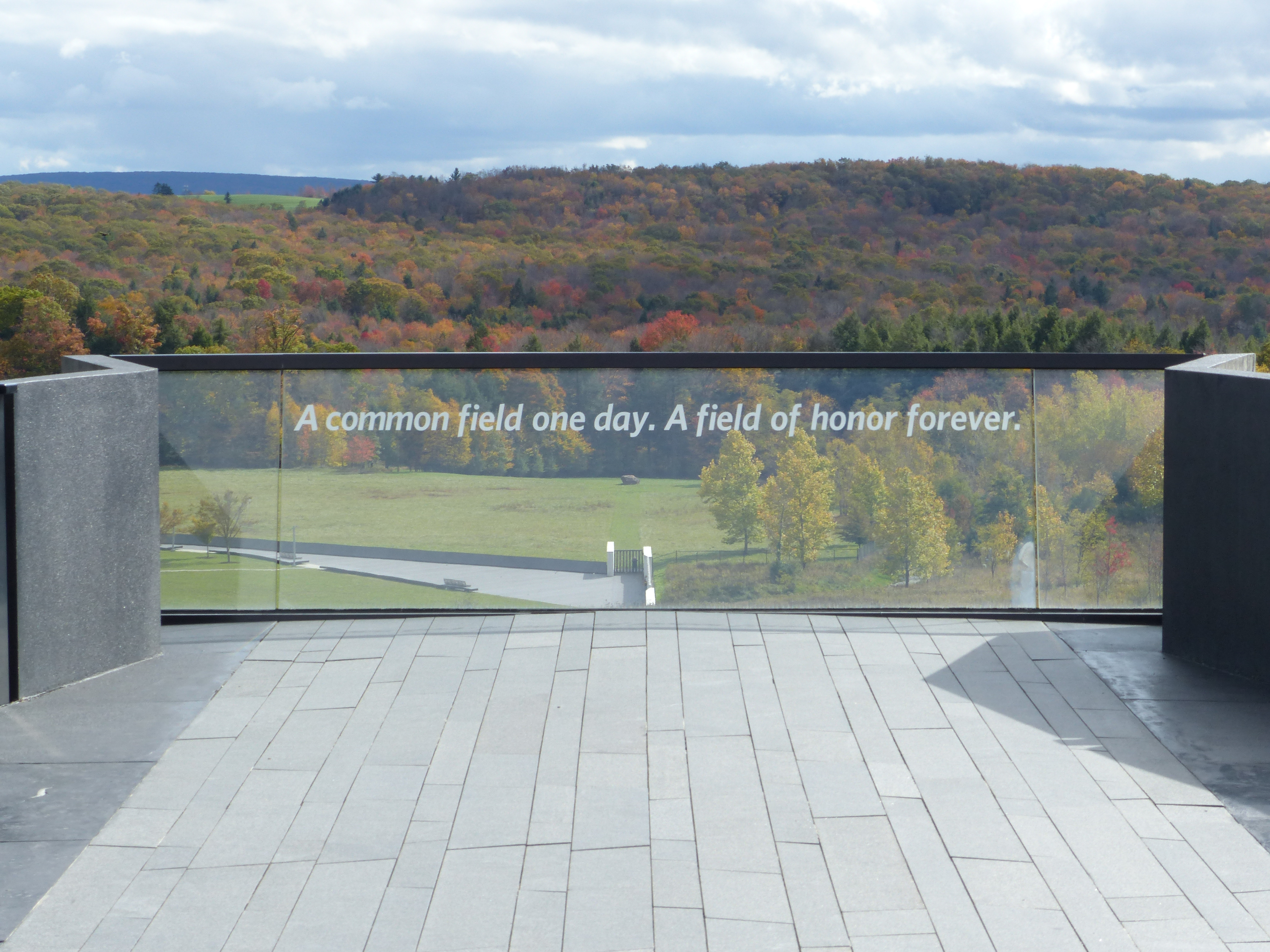
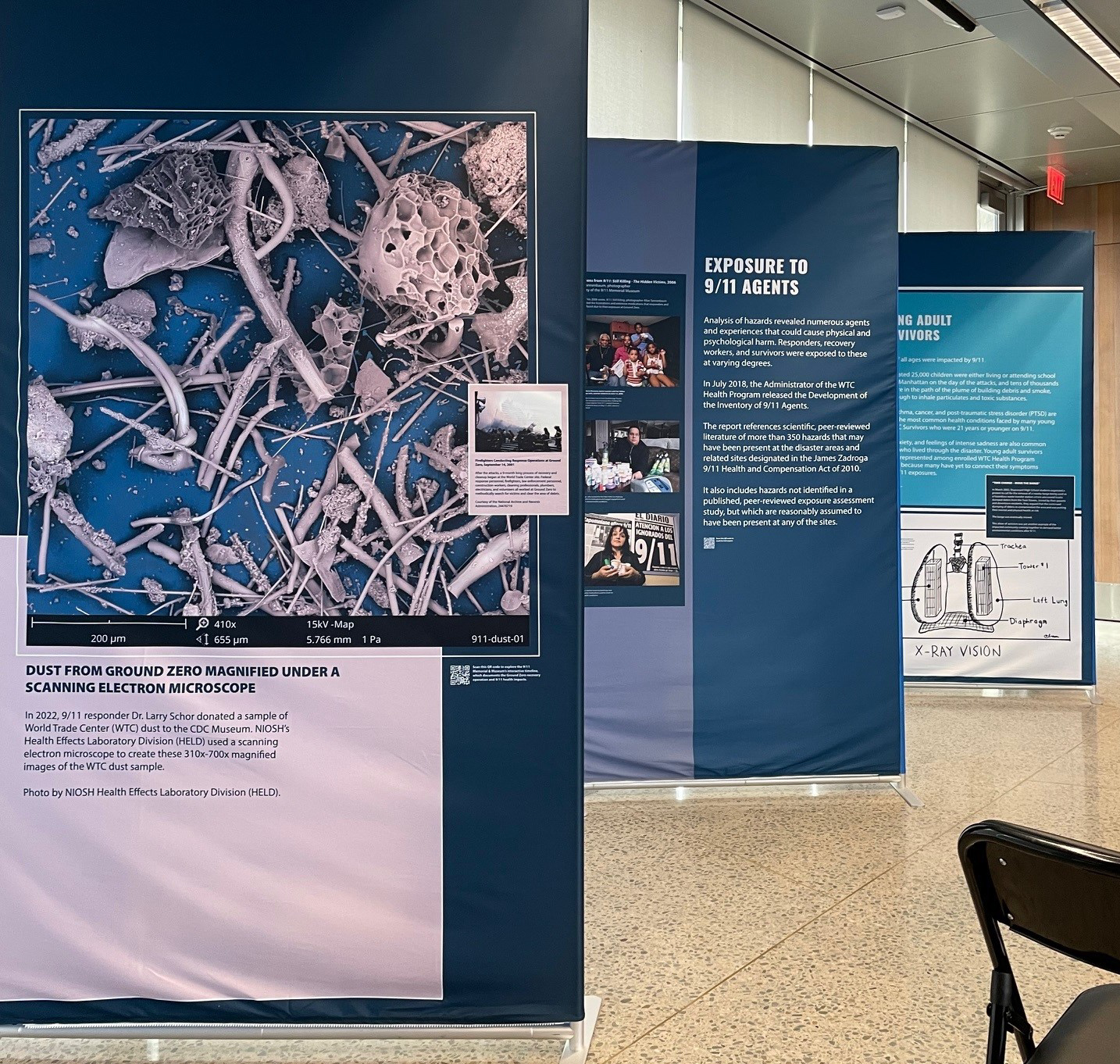
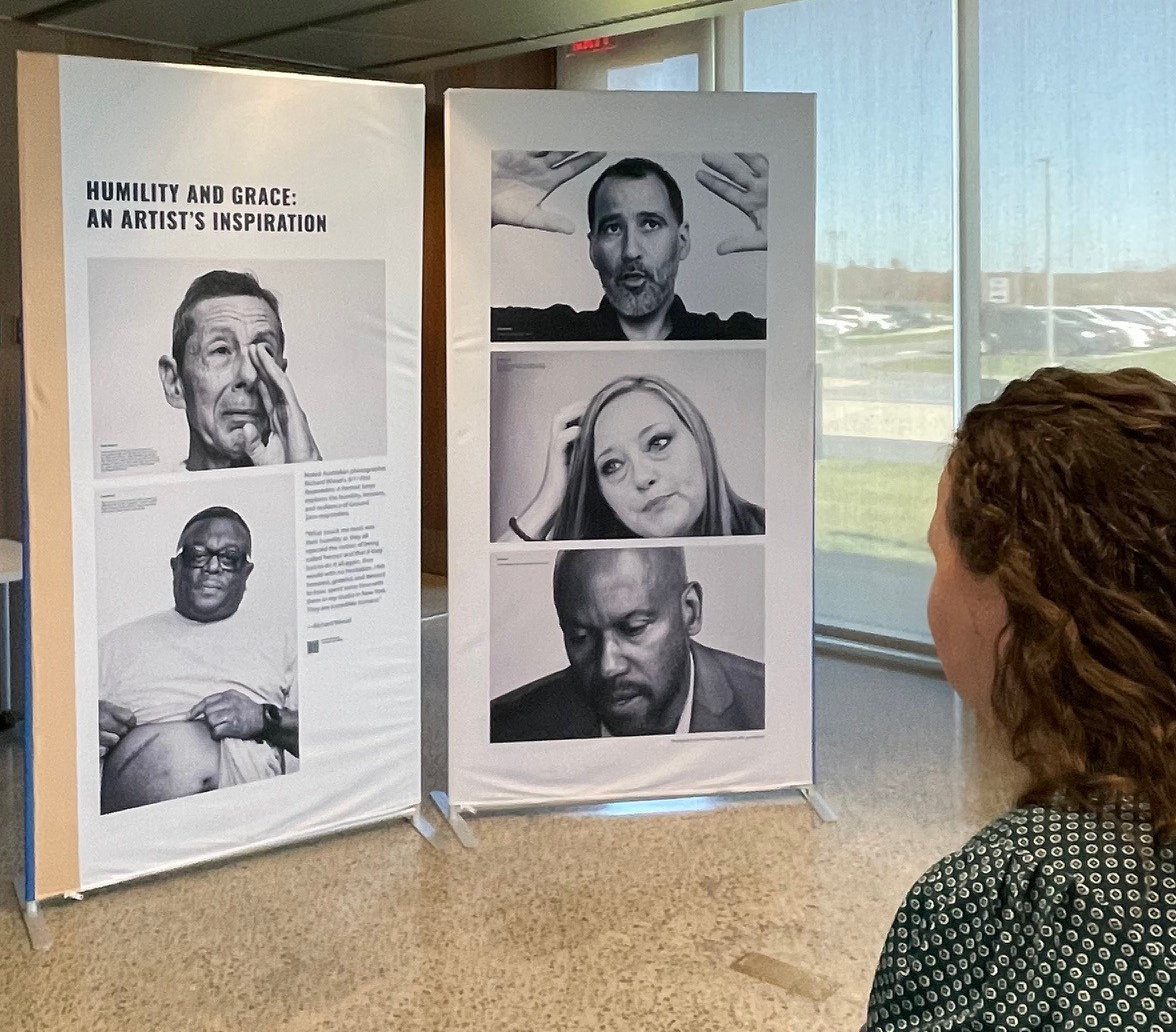
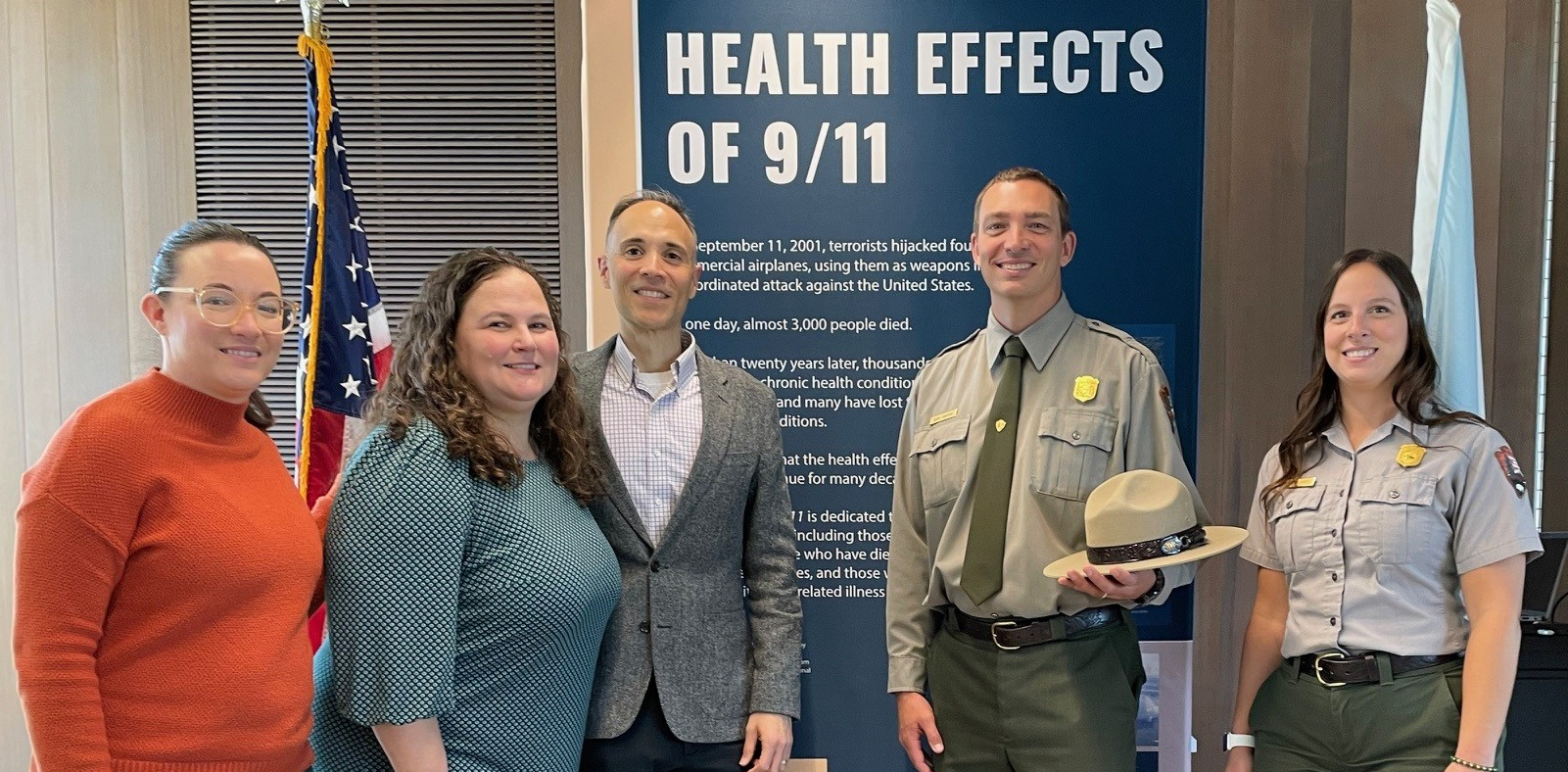
“Health Effects of 9/11” Exhibition Concludes at the Flight 93 National Memorial
The Program’s “Health Effects of 9/11” exhibition, which was on view at the Flight 93 National Memorial in Shanksville, Pennsylvania, concluded on May 31, 2025. Since launching in the fall of 2024, thousands have viewed the exhibition to learn about the ongoing 9/11 health impacts Program members are facing. A digital version of the exhibition is available online. The exhibition also includes information about the Program and how to apply for those who may be eligible. Stay tuned for updates on where the traveling exhibit will be next.
Note: The content and images in this exhibition may be sensitive in nature to some audiences, especially responders and survivors of 9/11. Discretion is advised.
NADIA'S
STORY
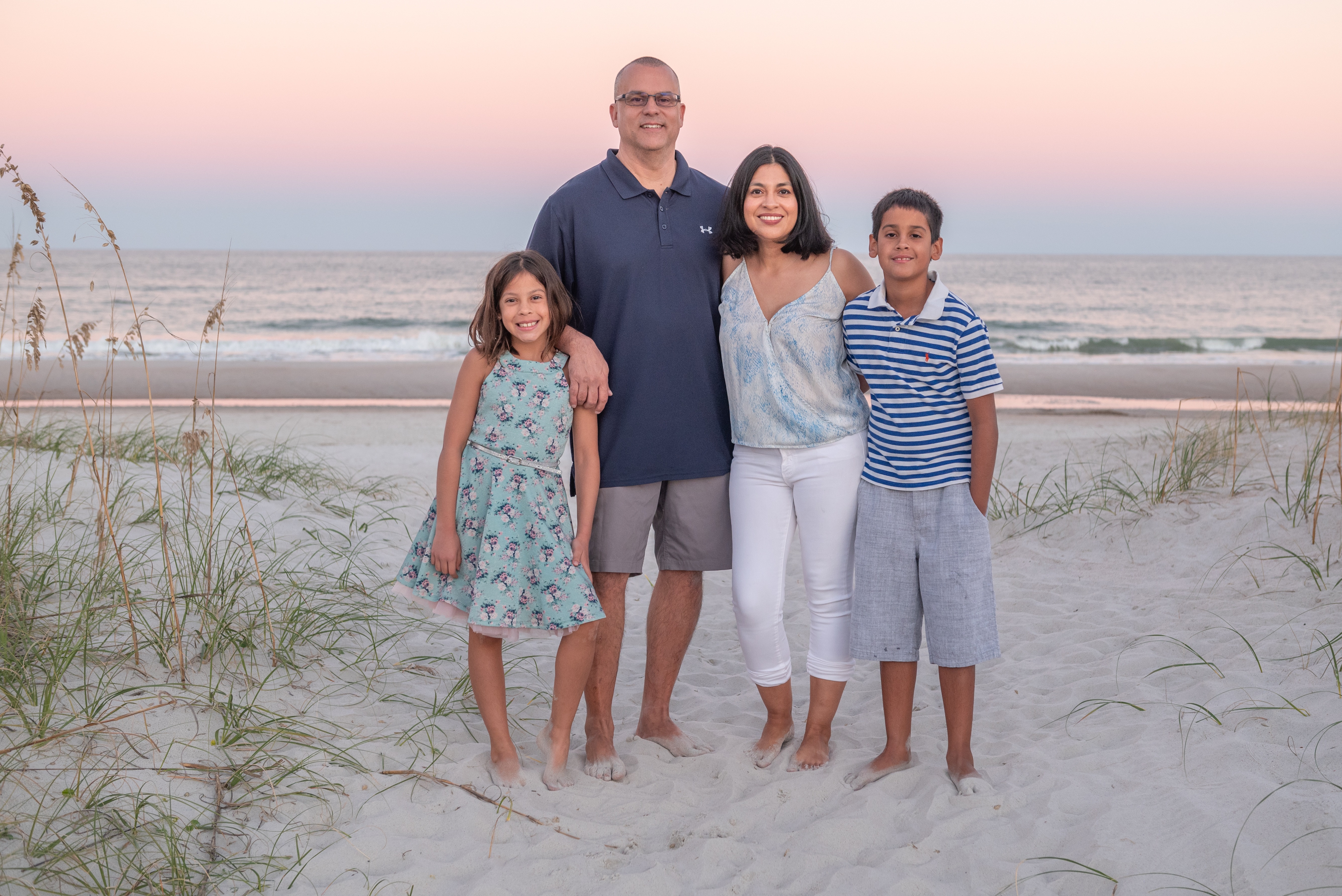
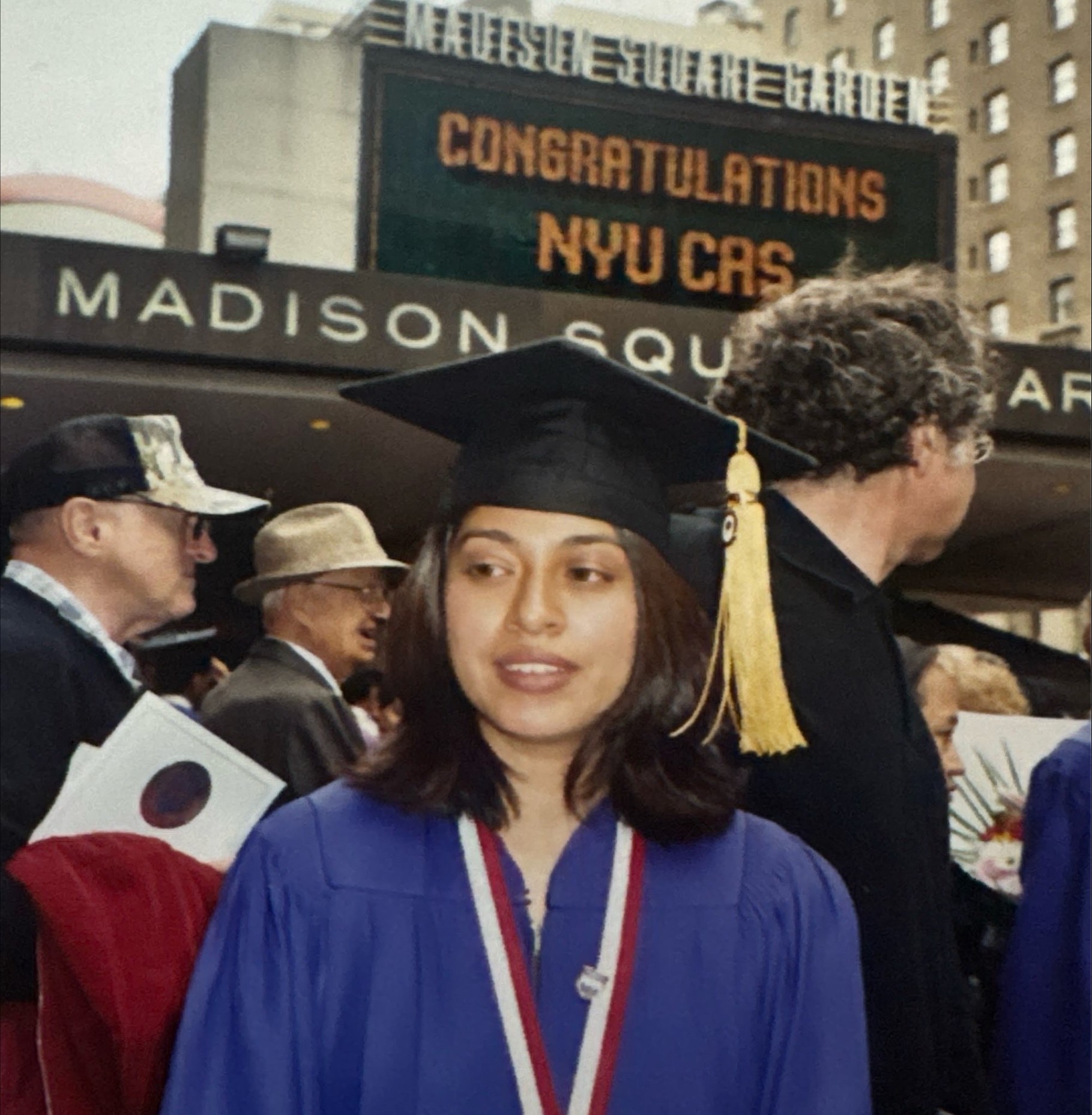
Nadia was entering her junior year, majoring in journalism at New York University on September 11, 2001. As she was preparing to go to class, her roommate told her about an “accident” at the World Trade Center (WTC).
“She said it was an accident,” Nadia recalled. “But once the second plane hit, I knew this couldn’t have been an accident.”
She connected with a journalism classmate who relayed that their instructor had said, “Grab your camera and head toward Ground Zero.” Nadia put on her journalism hat and headed to the WTC and began taking photos on her new Canon Rebel camera, recently purchased for her photojournalism class. She would spend the following weeks capturing footage and interviewing residents and workers in the area for journalism assignments. At the time, she didn’t realize capturing photos at the site during the ongoing rescue and recovery efforts would impact her life in unimaginable ways in the future.
Nearly two decades later, in July 2020— shortly after her 39th birthday—Nadia received a devastating diagnosis: metaplastic triple negative breast cancer with chondroid differentiation, one of the rarest and most aggressive forms of breast cancer. “No one in my family has ever had breast cancer,” she said. “I wasn’t even old enough yet for my first mammogram.”
Searching for answers, she discovered the Metaplastic Breast Cancer Global Alliance, where members often discuss potential causes for their diagnoses. “We talk about our history to try to find out how and why,” Nadia said. “When I shared my story, several women told me they believed their cancer was due to trauma or exposure—and one recommended I look into the World Trade Center Health Program.”
She began researching and decided to apply to the WTC Health Program. “I was very scared,” she said. “I was afraid I would need specialized treatment, and I wasn’t sure if my insurance would cover it.”
She submitted documentation of her college transcripts, internship employer, and witness statements from her colleagues, and soon was welcomed as a member in the Program and had her health condition certified.
Nadia now lives in Michigan with her husband and two children, and travels to the University of Pennsylvania periodically to participate in a clinical trial outside of the Program for her cancer treatment. This summer she will undergo a bone marrow aspiration where researchers from the University of Pennsylvania will look for any floating cancer cells, and she will be monitored for any cancer spread.
“As a 20-year-old college student, I never thought about the repercussions of breathing the air at Ground Zero without a mask.”
Her experiences with metaplastic breast cancer have driven her to urge others to follow recommended schedules for cancer screenings and monitor themselves for health changes.
“To my journalism classmates, I want to say—be vigilant and get your cancer screenings,” Nadia said. “We were encouraged by our professors to spend a lot of time at Ground Zero to help our future reporting careers.”
She vividly remembers one professor telling the class they were “living next door to the biggest news event of our careers” and to use that opportunity to capture stories. “This exposed us to a lot of things that at the time we didn’t know could be harmful,” she said.
“As a 20-year-old college student, I never thought about the repercussions of breathing the air at Ground Zero without a mask. We were naïve. I want to let my fellow NYU students know that cancer can happen to even the healthiest people due to where we lived, worked, and went to school. Take care of yourselves and be vigilant of your health.”
Help spread the word
The Program is actively working to reach the thousands of young adults who lived or attended school in Lower Manhattan and Brooklyn, New York on 9/11 and soon after. If you are interested in sharing your story to help encourage other young adult survivors to learn more about the Program and available benefits, please email us at wtchpcomms@cdc.gov. Visit our Young Adult Interest webpage to learn more. You can also visit our Member Stories webpage to watch young adult Program members share their stories of resilience and healing.

Youth Research Cohort
Help Plan the Youth Research Cohort
On 9/11 and in the months after, thousands of children and young adults were living or attending school in Lower Manhattan and Brooklyn, New York. Decades later, questions remain about the long-term health effects from their experiences and prolonged exposure to toxic hazards.
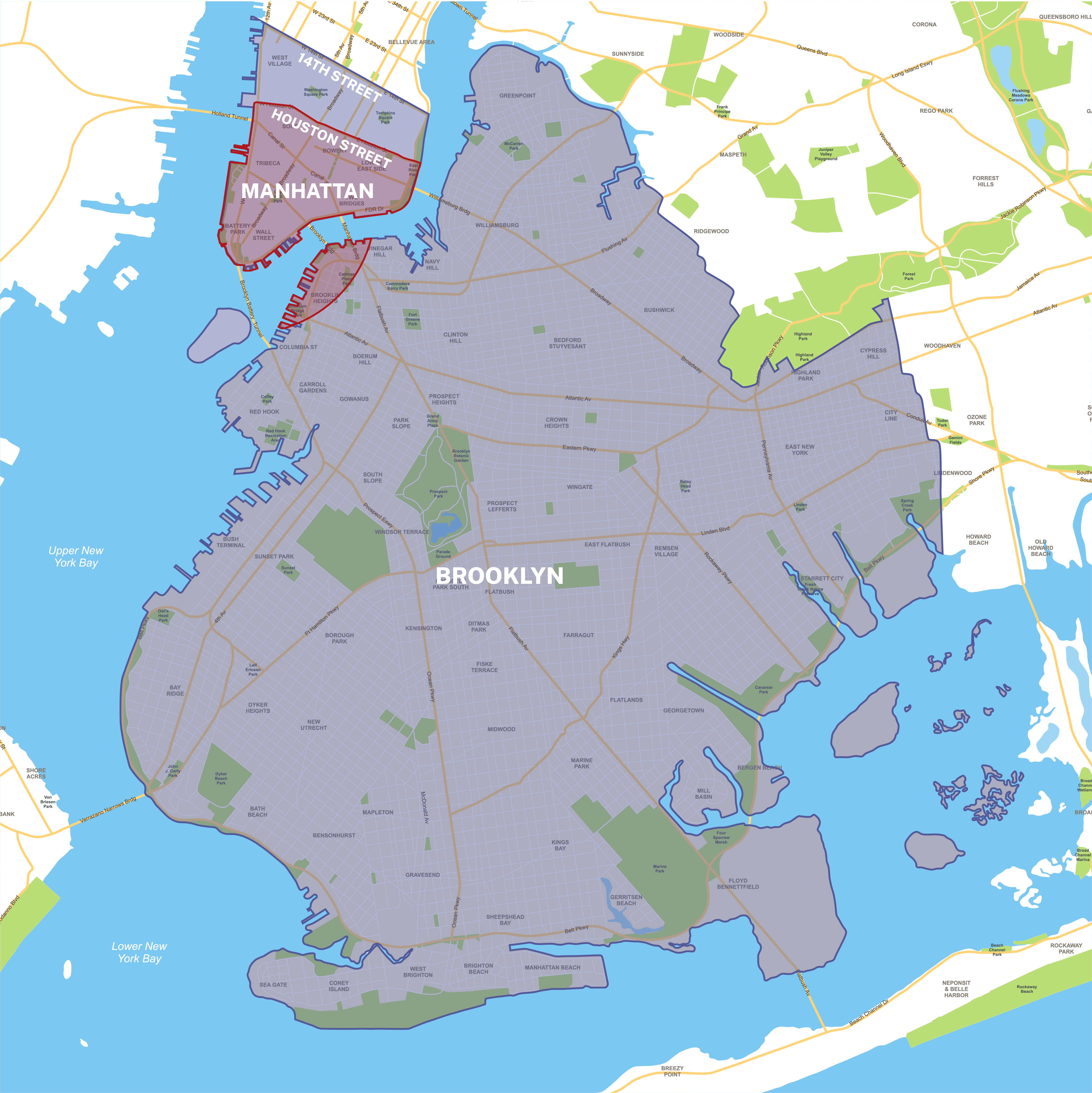
The Program’s Youth Research Cohort will enable future studies on the health and educational impacts on anyone aged 21 years or younger at the time of their 9/11 exposures who was at a location south of 14th Street in New York City, or in any part of Brooklyn (see the detailed map below).
The Youth Research Cohort planning process is underway and there are many ways to get involved in this community-driven process.
In this first phase of planning, we held two webinars. Members of the 9/11 community (including survivors, researchers, and healthcare providers) attended a January informational webinar and then a baseline development webinar in March hosted by our partners at RAND to provide initial input on Youth Research Cohort design options. This included discussions around defining the objectives and priorities, as well as the design of and data collection strategies for the cohort.
This is just the beginning of this WTC Health Program-driven process to develop and establish the Youth Research Cohort.
Learn more and help us spread the word
Please let your friends, family, colleagues, and others know about the opportunity to participate in the Youth Research Cohort planning efforts.
Find more information about the Youth Research Cohort, where you can also sign up for the Program’s Youth Research Cohort eNews updates.
Youth Research Cohort Detailed Map
This map outlines the eligibility areas for enrolling in the Program and participating in the Youth Research Cohort.
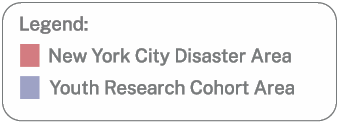
The red borders indicate the geographic area for WTC Health Program membership, while the larger purple shaded area defines the geographic area for Youth Research Cohort participation.
September 11th Victim Compensation Fund
How It's Different
The September 11th Victim Compensation Fund (VCF) and the WTC Health Program work together very closely; however, we are separate and distinct programs. If interested in participating in these programs, an individual must both register with the VCF and enroll in the WTC Health Program separately. The VCF is administered by the U.S. Department of Justice. The VCF provided the following updates that may be of interest to WTC Health Program members.
2024 Annual Report
The September 11th Victim Compensation Fund recently published its 2024 Annual Report, summarizing the VCF’s 13th year since reopening and highlighting the Fund’s focus on an improved claimant experience. Throughout 2024, the VCF updated processes for fairness and equity while enhancing outreach efforts.
The VCF also launched its Interactive Presence Guide, which helps claimants identify necessary documents for proving presence at eligible locations; over 3,000 users accessed it in its first month. To utilize this tool, visit the VCF's website . The VCF also introduced an Outreach Toolkit for organizations and individuals to educate stakeholders about the Fund. Consider sharing this toolkit with your community: VCF Outreach Toolkit .
Currently, the VCF receives about 700 new claims monthly and has awarded $14.9 billion to over 65,600 claimants since reopening in October 2011. For more details, read the full report .
VCF Questions?
For more information about the VCF or for any questions,
Please note: the WTC Health Program call center and Program providers are not able to provide information on VCF claims.
Mental Health Resources
Around this time, as we reflect on the September 11 National Day of Service and Remembrance, we acknowledge the profound impact of the day and the range of emotions— resilience, pride, grit, as well as grief, anxiety, depression—and more. During times like this, it is important to remember the importance of seeking support whenever mental health concerns arise.
The WTC Health Program is committed to ensuring responders and survivors have access to the help needed in times of crisis.
If you have questions or concerns about your emotional wellbeing, your WTC provider can connect you with expert mental health professionals who have experience delivering care to Program members.
You are worth the investment to take care of yourself. Reach out when times are hard. You are not alone. We are here to support you.
If you have questions or concerns about your emotional wellbeing.
Please visit:
WTC Health Program Mental Health Resources
to learn more.
If you or someone you know is struggling or is in crisis, help is available.
Call or text 988 or chat online .
Who Do I Call When I Have Questions About...?
Call Center
For information about:
- Enrollment
- Appeals
- Program Benefits
- Program Policies
- Updating Contact Information
CCE or NPN
For information about:
- Appointments
- Care
- Treatment
- Medications
- Case Management
- Clinic Transfers
Pharmacy
For information about:
- Pharmacy Benefits
- Filling Prescriptions
PROGRAM REMINDERS
Handling incorrect billing for WTC-related services

The WTC Health Program covers all authorized medical care, including initial evaluations and annual monitoring exams, at no out-of-pocket cost. You should not be billed for these WTC-related services, including deductibles and copays, received through the Program.
If you do receive a bill or are asked to pay for a WTC-related service, please contact your CCE or the NPN as soon as possible.
For more information about billing, please visit the Program's Billing page.
Primary health insurance requirement for your WTC-related care

Under the James Zadroga 9/11 Health and Compensation Act of 2010 (Zadroga Act), as amended, all WTC Health Program members must have primary health insurance, including pharmacy coverage.
If you do not have health insurance, it will affect the Program's ability to pay for your monitoring and treatment. Your benefits counselor at your CCE or the NPN can help you apply for health insurance if you do not have primary health insurance.
Find out more about the health insurance requirement at WTCHP's Health Insurance Requirement page.
Creating a safe space together

The WTC Health Program is dedicated to keeping a safe and respectful environment for everyone. Disruptive or abusive behavior, like threats or violence, will not be tolerated and may result in care suspension or other actions. Thank you for your cooperation in helping us create a positive space for all members and staff.
Sign up for WTC Health Program eNews

Do not miss out on important updates from the WTC Health Program! Sign up to receive the latest news and information directly in your inbox. Stay informed about coverage updates, member stories, 9/11 health research developments, and much more. As a subscriber, you can choose specific topics that interest you. Sign up now to stay connected!
Follow the WTC Health Program
Spread the Word!

If you know someone who responded to the WTC, Pentagon, or Shanksville sites—or lived, worked, or went to school/daycare in Lower Manhattan or parts of Brooklyn on or after 9/11—encourage them to visit the Program's website or call the Program at 1-888-982-4748 to learn more.
You can also contact our Outreach and Education partners. They can provide valuable information and support for those who may be eligible. More information can be found on the Outreach page.
Moving? If you have moved or are planning to move, please let us know.
Call 1-888-982-4748 to update your contact information to be sure you receive important Program information.