



Outbreak summary
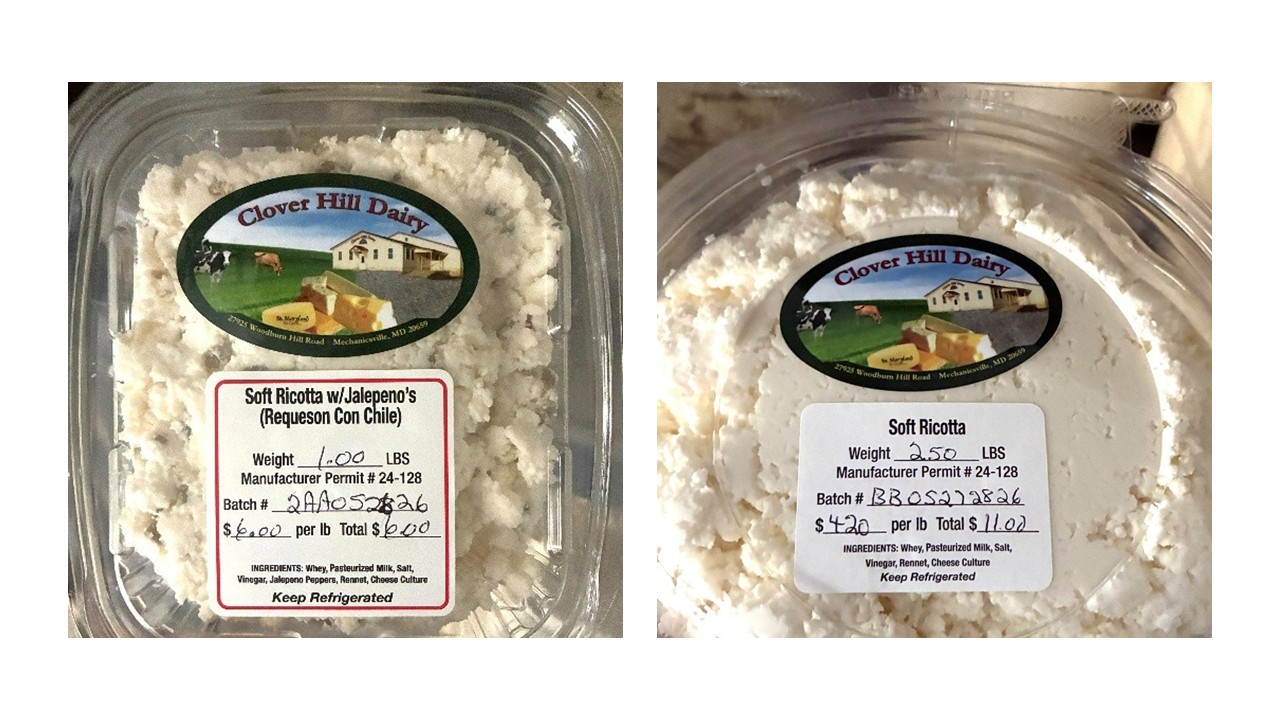
Epidemiologic, laboratory, and traceback data showed that cheeses made people sick in this outbreak. Many cheeses, including requesón (cottage cheese), soft cheese, mild cheese, hard cheese, smoked cheddar cheese and flavored cheese, were recalled. Recalled foods are past their shelf life.
What you should do
Stay Healthy and Prevent Listeria
- Find out if you are at higher risk for getting sick with Listeria.
- Learn which foods are more likely to contain Listeria and take steps to prevent getting sick.
- Be aware that fresh soft cheeses made with pasteurized milk have caused Listeria outbreaks, including this one. Although pasteurization of milk kills Listeria, soft cheeses made from pasteurized milk can still get contaminated during cheese-making.
Listeria Symptoms
- Listeria is especially harmful to pregnant women, people 65 or older, and those who have weakened immune systems. This is because Listeria is more likely to spread beyond their gut to other parts of the body, resulting in a severe condition known as invasive listeriosis.
- For pregnant women, Listeria can cause pregnancy loss, premature birth, or a life-threatening infection in newborns.
- For people who are 65 years or older or who have a weakened immune system, Listeria often results in hospitalization and sometimes death.
- Symptoms usually start within 2 weeks after eating food contaminated with Listeria but may start as early as the same day or as late as 10 weeks after.
- Pregnant women: Fever, muscle aches, and tiredness. Your illness may be mild, but Listeria can cause pregnancy loss or premature birth. It can also cause serious illness or death in newborns.
- Other people may have: Headache, stiff neck, confusion, loss of balance, and convulsions, in addition to fever, muscle aches, and tiredness.
Content Source
National Center for Emerging and Zoonotic Infectious Diseases (NCEZID); Division of Foodborne, Waterborne, and Environmental Diseases
About This Page
Published: June 4, 2026
Updated: August 26, 2026
This page was last updated on this date. Updates may include minor edits, image changes, or other modifications to page content.
Reviewed: August 26, 2026
The information on this page was last reviewed by subject matter experts to ensure accuracy.