



What to know
- There have been outbreaks of clade I monkeypox in Central and Eastern Africa since late 2023.
- Since January 2024, more than 55,000 confirmed cases of clade I monkeypox have been reported globally, including more than 150 deaths.
- Newer outbreaks in several Western European countries are likely related to this ongoing outbreak.
- Transmission dynamics are changing. Only a small proportion of exported clade I monkeypox cases worldwide this year have originated in Central or Eastern African countries.
- Recent travel-associated clade I monkeypox cases have almost exclusively been attributed to subclade Ib; there have been no deaths associated with these cases and available data have detailed relatively mild disease courses.
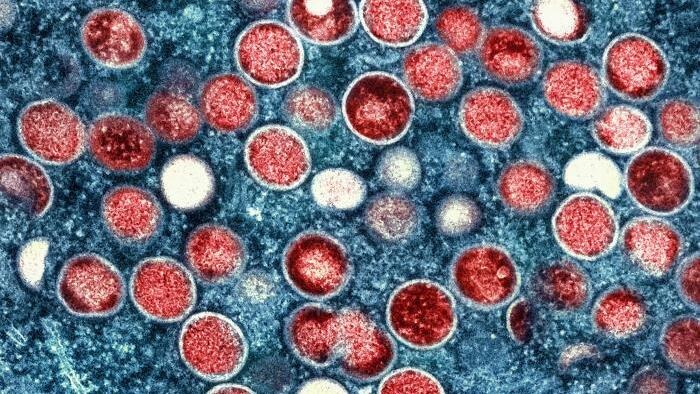
Outbreak overview
In the United States
- The risk posed by the clade I monkeypox outbreak to most people within the United States remains low. The risk to men who have sex with men is low to moderate.
- Clade I cases in the United States have increased in frequency since March 2026.
- As of July 2026, there have been more than 50 clade I monkeypox cases reported in the United States.
- More than half of all U.S. cases were diagnosed in people who:
- Had recently traveled to areas associated with the outbreak in Central and Eastern Africa;
- Had recently traveled to parts of Western Europe where newer outbreaks are being reported; OR
- Were linked to people who had traveled from these areas.
- CDC expects additional cases in Europe and the United States.
In Central and Eastern Africa
- Clade Ia monkeypox outbreaks began impacting western areas of the Democratic Republic of the Congo (DRC) in 2024.
- Available data indicate that clade Ia monkeypox has spread through sexual contact, regular household contact, and encounters with infected dead or live wild animals.
- Clade Ib monkeypox cases initially impacted eastern areas of DRC in late 2023.
- This subclade has driven much of the spread throughout Central and Eastern Africa and most travel-associated cases to other parts of the world.
- Available data indicate that these cases at first spread through heterosexual intimate or sexual contact between adults, then spread likely occurred within households, including to children.
- The disease spread in 2024 and 2025 to neighboring countries of DRC, only some of which are endemic for the virus that causes monkeypox, and sustained local spread occurred.
- As of April 2026, the Democratic Republic of the Congo is still the country with the majority of clade Ib cases.
Outside Central and Eastern Africa
- Several countries in other parts of Africa, Asia, Europe, North America, and South America, as well as Australia, have confirmed clade I monkeypox cases mostly in travelers who'd recently been in areas with clade I outbreaks.
- To date, there have been more than 300 clade Ib cases in high-income countries, and no deaths have been reported.
- Beginning in Fall 2025, several countries in Western Europe began reporting clade Ib monkeypox cases among individuals who had no documented history of international travel.
- These cases were likely related to intimate or sexual exposure among men who have sex with men.
- We expect additional cases in Europe and the United States.
- For data since January 1, 2024, see 2022-24 Monkeypox (Monkeypox) Outbreak: Global Trends (shinyapps.io).
- Confirmed cases include those that are laboratory confirmed as monkeypox virus and may include cases only confirmed as orthopoxvirus. These data are provided for situational awareness and are subject to change.
Clade I monkeypox and children
Early in the Central and Eastern African outbreak, a high proportion of suspected cases in some areas were reported in children younger than 15 years of age. Historically, cases of monkeypox in children where monkeypox occurs regularly often happen after contact with wild animals that carry the disease. People then can spread the disease to close contacts, including in their households. The number of children with suspected monkeypox in this outbreak is probably due to spread within and between close households, the large number of younger people in affected countries, misdiagnosis of other diseases (such as measles), poor sanitary conditions, limited access to health services, and a high level of food insecurity and malnutrition.
Based on what we know today, we don't expect to see the same sort of pattern in the United States for several reasons, including smaller household sizes, access to cleaning and disinfecting products, and improved access to medical care, equipment, and information about preventing spread while caring for patients.
Notably, there are no consistent reports of schools as drivers of monkeypox transmission during any recent outbreaks.
If cases of clade I monkeypox do happen in children the United States, CDC has clinical and public health guidance for reporting, testing, and effective case management.
What CDC is doing
- CDC has been supporting DRC monkeypox research and response for more than 20 years.
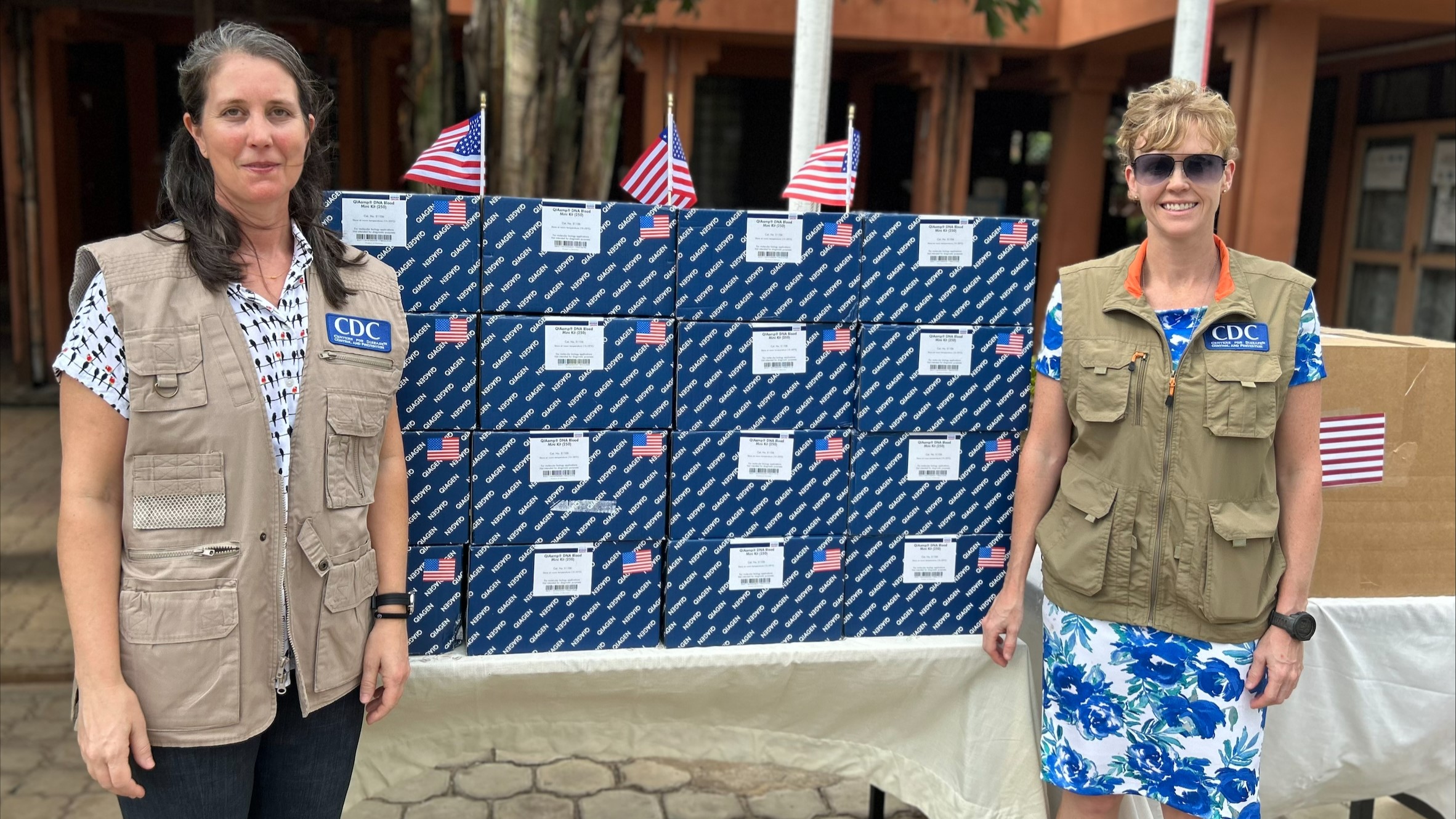
- CDC and other U.S. government agencies have continued working in-country with partners in affected areas on disease surveillance, building local laboratory capacity, strengthening public health and laboratory workforce capacity, case investigation, case management, infection prevention and control, border health, and risk communication and community engagement.
This page was last updated on this date. Updates may include minor edits, image changes, or other modifications to page content.
The information on this page was last reviewed by subject matter experts to ensure accuracy.