



Key points
- People with monkeypox often get a rash and may have other symptoms like fever, chills, and swollen lymph nodes.
- Symptoms usually start within 21 days of exposure.
- Visit a healthcare provider if you have a new or unexplained rash, especially after contact with someone who has monkeypox.
Symptoms
People usually get sick within 21 days after close contact with a person or animal with monkeypox. During this time, a person does not have symptoms and may feel fine.
People with monkeypox will often – but not always – get flu-like symptoms before developing a rash 1–4 days later.
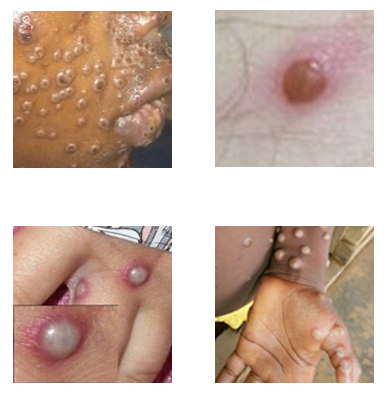
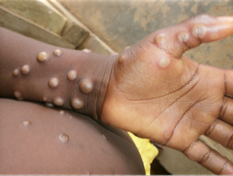
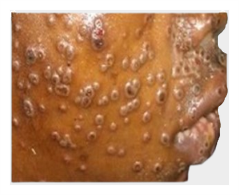
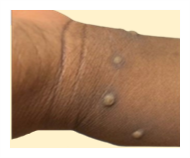
The rash that may be located on hands, feet, chest, face, or mouth or near the genitals, including penis, testicles, labia, and vagina, and anus. The rash can look like pimples or blisters at first, and they may be painful or itchy. The blisters will go through several stages, including scabs, before healing.
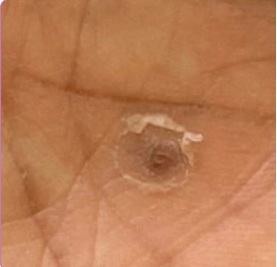
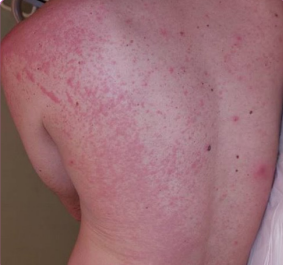
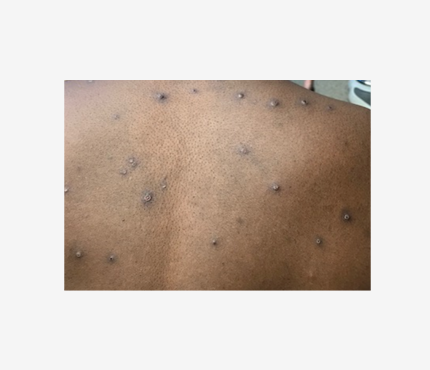
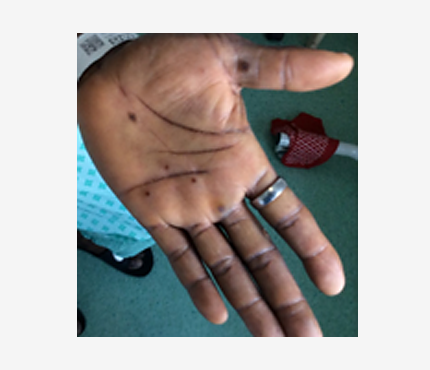
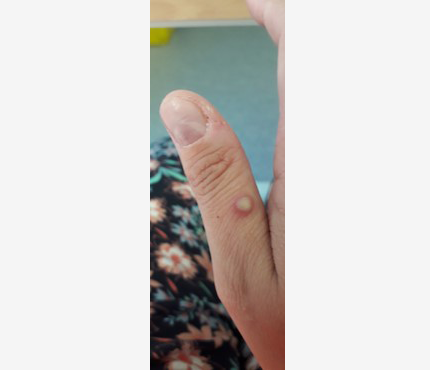
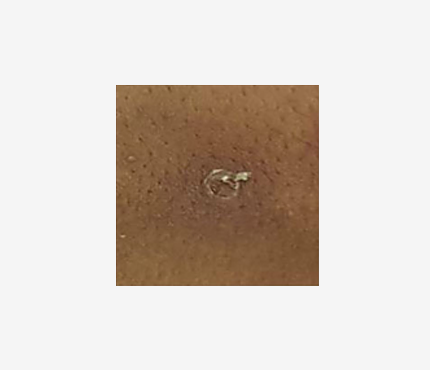
Other symptoms of monkeypox can include:
- Fever
- Chills
- Swollen lymph nodes
- Exhaustion
- Muscle aches and backache
- Headache
- Respiratory symptoms (e.g., sore throat, nasal congestion, or cough)
Someone may experience all or only a few symptoms.
A person with monkeypox can spread it to others from the time symptoms start until the rash has fully healed and a fresh layer of skin has formed.
Data from the clade II outbreak that began in 2022 show that there may be some people who can spread monkeypox to others 1 to 4 days before their symptoms appear, although it's not clear how many people fit in this category. There is currently limited evidence showing that people who never have symptoms have spread the virus to someone else. CDC continues to monitor the latest information about how monkeypox spreads.
When to talk to your doctor
If you think you have monkeypox or have had close personal contact with someone who has monkeypox, visit a healthcare provider, especially if you have a new or unexplained rash or other monkeypox symptoms.
- If you don't have a provider or health insurance, visit a public health clinic near you.
- If your healthcare provider decides that you should be tested, they will collect the specimens and send them to a laboratory for testing.
Until you have talked to your healthcare provider, avoid close or intimate contact with other people, and if you have pets or livestock, ask someone to care for them. Wear a mask around others, including your healthcare team.