


Key points
- Meningococcal disease is an uncommon but very serious infection.
- There are many factors that can increase someone's risk for meningococcal disease.
- The two most common syndromes of meningococcal disease are meningitis and septicemia.
- Close contacts of someone with meningococcal disease should receive prophylaxis.
- Maintain awareness of meningococcal vaccination recommendations.
Cause
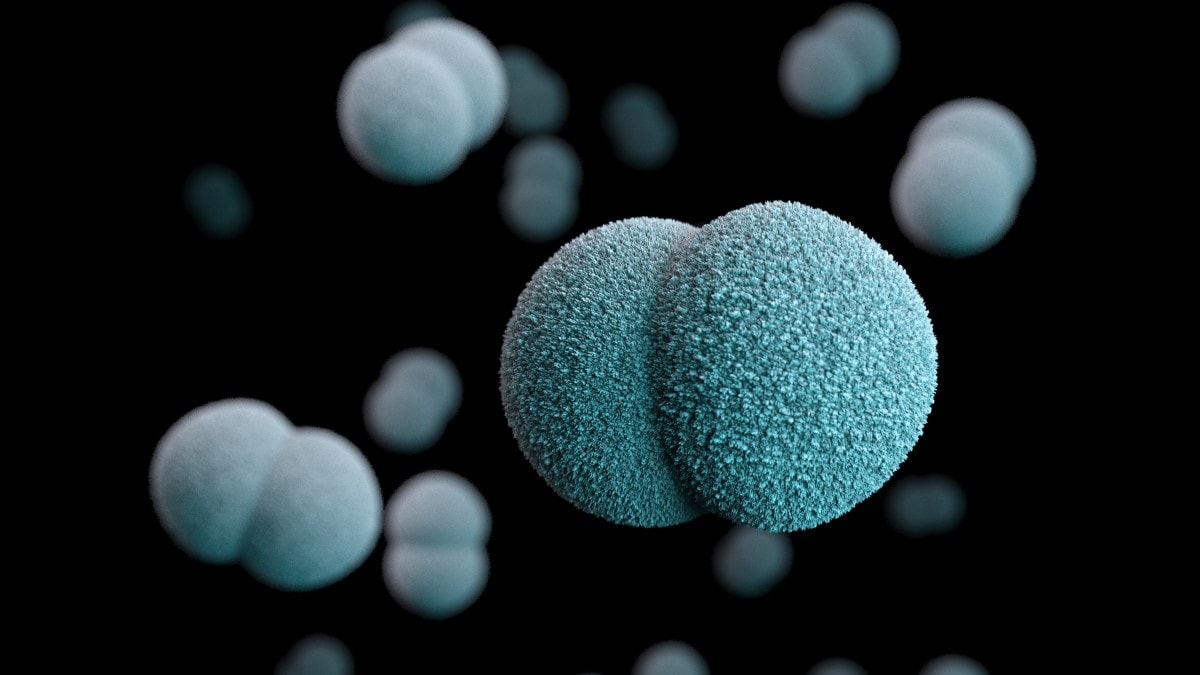
Neisseria meningitidis are gram-negative diplococcal bacteria that cause meningococcal disease.
Types
There are multiple serogroups of N. meningitidis. Serogroups B, C, and Y cause the majority of disease in the United States. Serogroup W and nongroupable strains cause a small portion of disease in the United States.
Risk factors
Anyone can get meningococcal disease, but some factors increase risk.
Close contact
Household or close contacts of case patients are at increased risk.
Medical conditions
People with certain medical conditions are at increased risk:
- Functional or anatomic asplenia
- HIV infection
- Persistent complement component deficiencies
These complement components include C3, C5-9, properdin, factor H, and factor D.
Medications
People who receive complement inhibitors (e.g., eculizumab [Soliris®], ravulizumab [Ultomiris™]) are at increased risk.
Healthcare providers typically prescribe complement inhibitors for treatment of
- Atypical hemolytic uremic syndrome
- Generalized myasthenia gravis
- Neuromyelitis optica spectrum disorder
- Paroxysmal nocturnal hemoglobinuria
Age
- Infants younger than one year of age
- Adolescents and young adults 16 through 23 years of age
- Adults 85 years of age or older
The following age groups have higher rates of disease than other ages:
Places and settings
The following groups of people have increased risk based on where they work, live, or travel:
- Microbiologists routinely exposed to isolates of N. meningitidis
- People identified as being at increased risk because of an outbreak
- Travelers to certain countries
- First-year college students living in residence halls
- Military recruits
How it spreads
People spread meningococcal bacteria to others by exchanging respiratory and throat secretions during close or lengthy contact.
People with meningococcal disease and those who carry the bacteria asymptomatically in the nasopharynx can spread the bacteria.
Humans are the only host.
Prevention
Prophylaxis and vaccination are two strategies to help prevent this disease.
Prophylaxis
CDC recommends prophylaxis for close contacts of patients with meningococcal disease, regardless of vaccination status.
Vaccination
CDC recommends meningococcal vaccination for all preteens and teens. CDC also recommends clinicians vaccinate children and adults who are at increased risk for meningococcal disease.
Diagnosis and treatment
Because of the risks of severe morbidity and death, prompt diagnosis and treatment are important.
Trends and surveillance
Meningococcal disease is an uncommon but reportable condition in the United States.
Cases of meningococcal disease in the United States have increased sharply since 2021 and now exceed pre-pandemic levels.