



Key points
This outbreak is over, and recalled foods are no longer available for sale. Learn what you can do to protect yourself from getting sick from Listeria.
February 12, 2026
CDC, public health and regulatory officials in several states, the U.S. Food and Drug Administration (FDA) and the U.S. Department of Agriculture's Food Safety and Inspection Service (USDA-FSIS) investigated a multistate outbreak of Listeria monocytogenes infections.
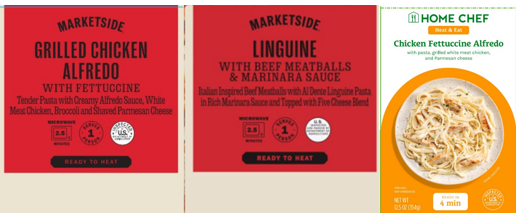
Epidemiologic, laboratory, and traceback data showed that prepared meals containing pasta were contaminated with Listeria monocytogenes and made people sick.
Epidemiologic Data
A total of 28 people infected with the outbreak strain of Listeria were reported from 19 states. Sick people's samples were collected from August 1, 2024, to November 16, 2025. Of 28 people with information available, 27 were hospitalized and 7 deaths were reported. One death was reported from each of the following states: Arizona, Hawaii, Illinois, Michigan, Oregon, Texas, and Utah. One pregnancy-associated illness resulted in a fetal loss.
The true number of sick people in this outbreak was likely higher than the number reported, and the outbreak may not have been limited to the states with known illnesses. This is because some people recover without medical care and are not tested for Listeria.
Public health officials collected many different types of information from sick people, including their age, race, ethnicity, other demographics, and the foods they ate in the month before they got sick. This information provided clues to help investigators identify the source of the outbreak.
The table below has information about sick people in this outbreak ("n" is the number of people with information available for each demographic).
Age
(n=28)
Range from 4 to 92 years
Median age of 75
Sex
(n=28)
68% female
32% male
Race
(n=26)
69% White
15% Asian
12% African American/Black
4% Native Hawaiian or other Pacific Islander
Ethnicity
(n=23)
91% non-Hispanic
9% Hispanic
State and local public health officials interviewed people about the foods they ate in the month before they got sick. Of the 13 people interviewed, 7 (54%) reported eating precooked meals, and 4 of those 7 (57%) specifically reported eating chicken fettuccine alfredo. Ill people purchased these products from the refrigerated section at Walmart and Kroger. Two people also reported deli salads, which contained pasta, purchased at other stores.
Laboratory Data
Public health investigators used the PulseNet system to identify illnesses that may be part of this outbreak. CDC PulseNet manages a national database of DNA fingerprints of bacteria that cause foodborne illnesses. DNA fingerprinting is performed on bacteria using a method called whole genome sequencing (WGS). WGS showed that bacteria from sick people's samples are closely related genetically. This suggests that people in this outbreak got sick from the same source of food.
Public Health Actions
This outbreak is over, and recalled foods are no longer available for sale. Learn what you can do to protect yourself from getting sick from Listeria.
Previous updates
CDC, public health and regulatory officials in several states, the U.S. Food and Drug Administration (FDA) and the U.S. Department of Agriculture's Food Safety and Inspection Service (USDA-FSIS) are collecting different types of data to investigate a multistate outbreak of Listeria monocytogenes infections.
Epidemiologic, laboratory, and traceback data show that prepared meals containing pasta are contaminated with Listeria monocytogenes and are making people sick.
Epidemiologic Data
Since the last update on September 25, 2025, a total of 7 new illnesses and 3 new states have been reported, with 2 additional deaths reported, one each from Hawaii and Oregon.
A total of 27 people infected with the outbreak strain of Listeria have been reported from 18 states. Sick people's samples were collected on dates ranging from August 1, 2024, to October 16, 2025. Of 26 people with information available, 25 have been hospitalized and 6 deaths have been reported. One death from each of the following states: Hawaii, Illinois, Michigan, Oregon, Texas, and Utah. One pregnancy-associated illness resulted in a fetal loss.
The true number of sick people in this outbreak is likely higher than the number reported, and this outbreak may not have been limited to the states with known illnesses. This is because some people recover without medical care and are not tested for Listeria. In addition, recent illnesses may not yet be reported as it usually takes 3 to 4 weeks to determine if a sick person is part of an outbreak.
Public health officials collect many different types of information from sick people, including their age, race, ethnicity, other demographics, and the foods they ate in the month before they got sick. This information provides clues to help investigators identify the source of the outbreak.
Demographics
Information
Age
(n=27)
Range from 4 to 92 yearsMedian age of 74
Sex
(n=27)
67% female33% male
Race
(n=24)
75% White13% African American/Black13% Asian
Ethnicity
(n=22)
91% non-Hispanic9% Hispanic
State and local public health officials are interviewing people about the foods they ate in the month before they got sick. Of the 13 people interviewed, 7 (54%) reported eating precooked meals, and 4 (57%) specifically reported eating chicken fettuccine alfredo. Ill people purchased these products from the refrigerated section at Walmart and Kroger. Two people also reported deli salads, that contained pasta, from other stores. Public health investigators continue to gather information on what ill people ate before getting sick to determine if additional products are linked to the outbreak.
Public Health Actions
Do not eat recalled foods, return them or throw them out.
Laboratory Data
FreshRealm tested a beef meatball linguine marinara meal. This meal tested positive for the same strain of Listeria making people sick in this outbreak. These products were not distributed for sale to consumers. FreshRealm also tested the ingredients used in the meals. Pasta used in the meal tested positive for Listeria. Whole genome sequencing results show the Listeria in the pasta is the same strain making people sick. Companies that used certain lots of affected pasta are working to recall food and meals that contain these pastas.
CDC, public health and regulatory officials in several states, the U.S. Food and Drug Administration (FDA) and the U.S. Department of Agriculture's Food Safety and Inspection Service (USDA-FSIS) are collecting different types of data to investigate a multistate outbreak of Listeria monocytogenes infections.
Epidemiologic, laboratory, and traceback data show that certain meals produced by FreshRealm are contaminated with Listeria monocytogenes and are making people sick. Pasta from Nate's Fine Foods was an ingredient in FreshRealm beef meatball marinara linguine meals. This pasta tested positive for Listeria and whole genome sequencing is pending to see if it is the same strain that is making people sick. The investigation is ongoing to determine the source of contamination and whether additional products are linked to the outbreak.
Epidemiologic data
Since the last update on June 18, 2025, a total of 3 new illnesses from 2 states have been reported, with 1 additional death reported from Utah. As of September 25, 2025, a total of 20 people infected with the outbreak strain of Listeria have been reported from 15 states. Sick people's samples were collected on dates ranging from August 1, 2024, to September 11, 2025. Of 20 people with information available, 19 have been hospitalized and 4 deaths have been reported. One each from Illinois, Michigan, Texas, and Utah. One pregnancy-associated illness resulted in a fetal loss.
The true number of sick people in this outbreak is likely higher than the number reported, and this outbreak may not have been limited to the states with known illnesses. This is because some people recover without medical care and are not tested for Listeria. In addition, recent illnesses may not yet be reported as it usually takes 3 to 4 weeks to determine if a sick person is part of an outbreak.
Public health officials collect many different types of information from sick people, including their age, race, ethnicity, other demographics, and the foods they ate in the month before they got sick. This information provides clues to help investigators identify the source of the outbreak.
The table below has information about sick people in this outbreak ("n" is the number of people with information available for each demographic).
Demographics
Information
Age
(n=20)
Range from 4 to 92 years
Median age of 72
Sex
(n=20)
65% female
35% male
Race
(n=18)
78% White
17% African American/Black
5% Asian
Ethnicity
(n=19)
89% non-Hispanic
11% Hispanic
State and local public health officials are interviewing people about the foods they ate in the month before they got sick. Of the 13 people interviewed, 7 (54%) reported eating precooked meals, and 4 (57%) specifically reported eating chicken fettuccine alfredo. Ill people purchased the products from the refrigerated section at Walmart and Kroger. Public health investigators continue to gather information on what ill people ate before getting sick to determine whether additional products are linked to the outbreak. No people interviewed reported eating the affected meatball linguine meals.
Laboratory data
Public health investigators are using the PulseNet system to identify illnesses that may be part of this outbreak. CDC PulseNet manages a national database of DNA fingerprints of bacteria that cause foodborne illnesses. DNA fingerprinting is performed on bacteria using a method called whole genome sequencing (WGS). WGS showed that bacteria from sick people's samples are closely related genetically. This suggests that people in this outbreak got sick from the same food.
On March 19, 2025, FSIS identified the outbreak strain in a routine sample of FreshRealm chicken fettuccine alfredo.
FreshRealm tested products and ingredients. A beef meatball linguine marinara meal tested positive for the outbreak strain. These products were not distributed. FreshRealm tested ingredients used in the meals and pasta from Nate's Fine Foods was confirmed to be positive for Listeria monocytogenes. WGS is pending to determine if this is the same strain making people sick.
CDC, public health and regulatory officials in several states, the U.S. Food and Drug Administration (FDA) and the U.S. Department of Agriculture's Food Safety and Inspection Service (USDA-FSIS) are collecting different types of data to investigate a multistate outbreak of Listeria monocytogenes infections.
Epidemiologic, laboratory, and traceback data show that chicken fettuccine alfredo meals produced by FreshRealm are contaminated with Listeria monocytogenes and are making people sick. The investigation is ongoing to determine the source of contamination and whether additional products are linked to the outbreak.
Epidemiologic Data
As of June 18, 2025, a total of, 17 people infected with the outbreak strain of Listeria have been reported from 13 states. Sick people's samples were collected on dates ranging from August 1, 2024, to May 27, 2025. Illnesses started on dates ranging from July 24, 2024, to May 10, 2025. Of 17 people with information available, 16 have been hospitalized and 3 deaths have been reported from Illinois, Michigan, and Texas. One pregnancy associated illness resulted in a fetal loss.
The true number of sick people in this outbreak is likely higher than the number reported, and this outbreak may not have been limited to the states with known illnesses. This is because some people recover without medical care and are not tested for Listeria. In addition, recent illnesses may not yet be reported as it usually takes 3 to 4 weeks to determine if a sick person is part of an outbreak.
Public health officials collect many different types of information from sick people, including their age, race, ethnicity, other demographics, and the foods they ate in the month before they got sick. This information provides clues to help investigators identify the source of the outbreak.
The table below has information about sick people in this outbreak ("n" is the number of people with information available for each demographic).
Age
(n=17)
Range from 4 to 92 years
Median age of 79
Sex
(n=17)
71% female
29% male
Race
(n=17)
76% White
18% African American/Black
6% Asian
Ethnicity
(n=17)
94% non-Hispanic
6% Hispanic
State and local public health officials are interviewing people about the foods they ate in the month before they got sick. Of the 11 people interviewed, 7 reported eating precooked meals, and 4 (57%) specifically reported eating chicken fettuccine alfredo. Ill people purchased the products from the refrigerated section at Walmart and Kroger. Public health investigators continue to gather information on what ill people ate before getting sick to determine whether additional products are linked to the outbreak.
Laboratory and Traceback Data
Public health investigators are using the PulseNet system to identify illnesses that may be part of this outbreak. CDC PulseNet manages a national database of DNA fingerprints of bacteria that cause foodborne illnesses. DNA fingerprinting is performed on bacteria using a method called whole genome sequencing (WGS). WGS showed that bacteria from sick people's samples are closely related genetically. This suggests that people in this outbreak got sick from the same food.
USDA FSIS used purchase records to trace chicken fettuccine alfredo products purchased by 2 ill people back to FreshRealm. An additional 2 people described chicken fettuccine alfredo products they purchased and FSIS follow-up at the retail stores identified FreshRealm chicken fettuccine alfredo products matching their descriptions.
On March 19, 2025, FSIS identified the outbreak strain in a routine sample of FreshRealm chicken fettuccine alfredo. This lot was not distributed into the food supply. FDA and FSIS collected samples from FreshRealm and the suppliers of some of the individual ingredients used to produce the chicken fettuccine alfredo but have not identified the outbreak strain. However, CDC continues to see ill people reporting this specific food and is concerned that contamination is still occurring.