



Recalled food
On April 2, 2026, Raw Farm, LLC issued a recall of all Raw Farm brand raw cheddar cheeses
- Raw cheddar cheese sold in 8 oz and 16 oz blocks:
- Original flavor with expiration dates on or before 8/23/2026
- Jalapeno flavor with expiration dates on or before 9/24/2026
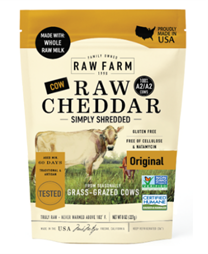
- Shredded raw cheddar cheese sold in an 8 oz bag:
- Original flavor with expiration dates on or before 5/13/2026
- Bulk products:
- 80 oz original raw cheddar cheese blocks with expiration dates on or before 8/11/2026
- 80 oz original shredded raw cheddar cheese with expiration dates on or before 5/6/2026
See recall for more information.
Recalled cheeses
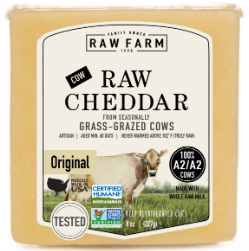
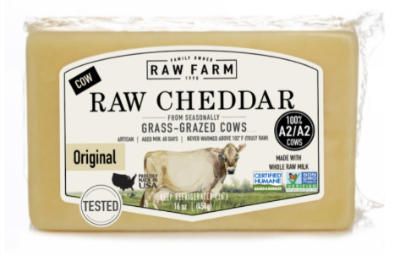
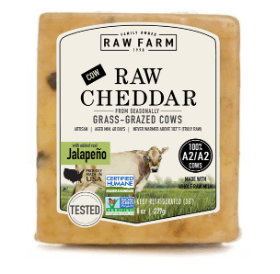
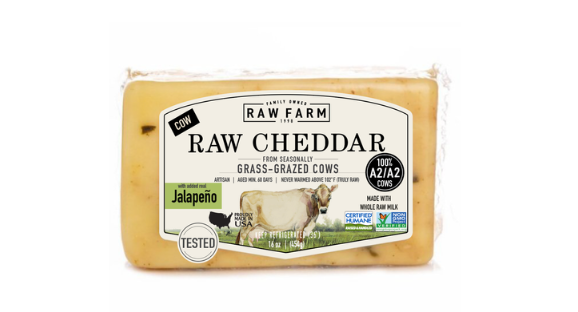

Raw Farm brand raw milk
Sick people from 2025 reported drinking raw milk.
Affected Raw Farm brand raw milk from 2025 should no longer be on shelves.
What you should do
Follow these four steps to prevent getting sick from E. coli.
- Clean: Wash your hands, utensils, and surfaces often. Rinse fruits and vegetables under running water before eating, cutting, or peeling.
- Separate: Keep food that won't be cooked separate from raw meat, poultry, and seafood.
- Cook: Use a food thermometer to make sure you have cooked your food to a temperature high enough to kill germs.
- Chill: Refrigerate perishable food (food that goes bad) within 2 hours. If the outside temperature is hotter than 90°F, refrigerate within 1 hour. Thaw food in the refrigerator, not on the counter.
Symptoms of E. coli
- Most people infected with Shiga toxin-producing E. coli (STEC) experience severe stomach cramps, diarrhea (often bloody), and vomiting.
- Symptoms usually start 3 to 4 days after swallowing the bacteria.
- Most people recover without treatment after 5 to 7 days.
- Some people may develop serious kidney problems (hemolytic uremic syndrome, also called HUS) and would need to be hospitalized.
Keep Reading
About Escherichia coli Infection
Content Source
National Center for Emerging and Zoonotic Infectious Diseases (NCEZID)
About This Page
Published: March 15, 2026
Updated: April 30, 2026
This page was last updated on this date. Updates may include minor edits, image changes, or other modifications to page content.
Reviewed: April 30, 2026
The information on this page was last reviewed by subject matter experts to ensure accuracy.