



Key points
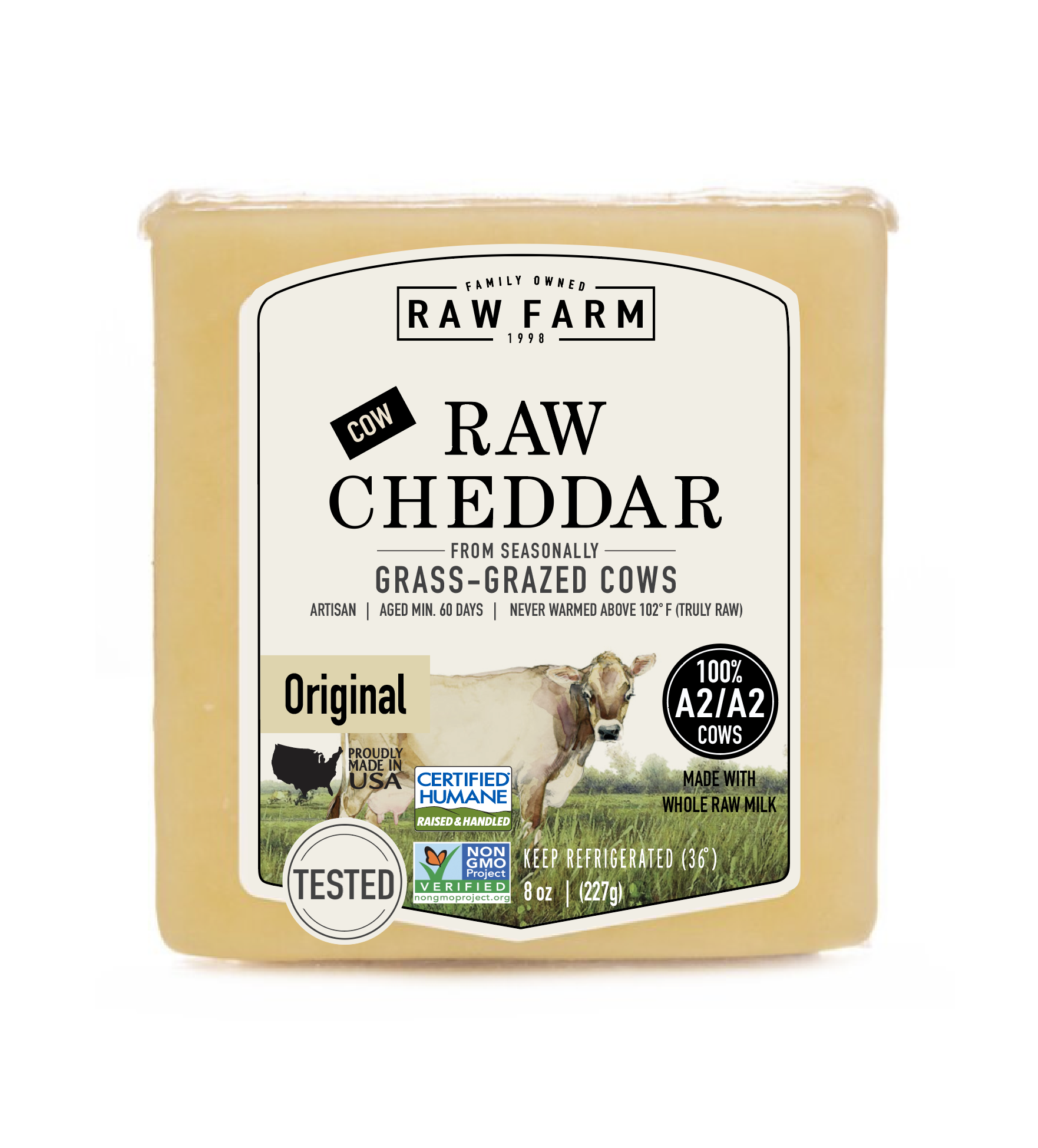
This outbreak is over. CDC, FDA, and public health officials in three states investigated a multistate outbreak of E. coli infections linked to raw cheddar cheese and raw milk sold by Raw Farm, LLC. Over half of the illnesses in this outbreak were in children under 5.
Final Update: April 30, 2026
CDC, the U.S. Food and Drug Administration (FDA), and public health and regulatory officials in three states collected different types of data to investigate a multistate outbreak of E. coli infections.
Epidemiologic and laboratory data showed that Raw Farm brand raw dairy products may have been contaminated with E. coli O157:H7 and may have made people sick.
Epidemiologic data
A total of 9 people infected with the outbreak strain of E. coli were reported from 3 states. Illnesses started on dates ranging from September 1, 2025, to February 20, 2026. Of 9 people with information available, 3 were hospitalized including one person with hemolytic uremic syndrome, a serious condition that can cause kidney failure. No deaths were reported.
The true number of sick people in this outbreak was likely much higher than the number reported, and this outbreak may not have been limited to the states with known illnesses. This is because many people recover without medical care and are not tested for E. coli.
Demographics
Public health officials collect many different types of information from sick people, including their age, race, ethnicity, other demographics, and the foods they ate in the week before they got sick. This information provides clues to help investigators identify the source of the outbreak.
The table below has information about sick people in this outbreak ("n" is the number of people with information available for each demographic).
Age
(n=9)
Range from 1 to 28 years
Median age of 2
67% were under 5
Sex
(n=9)
67% male
33% female
Race
(n=6)
83% White
17% African American/Black
Ethnicity
(n=8)
87% non-Hispanic
13% Hispanic
Foods consumed
State and local public health officials interviewed people or their caregivers about the foods they ate in the week before they got sick. Of the 8 people interviewed, all 8 (100%) in this outbreak reported consuming or being served unpasteurized milk or cheese. This percentage was statistically significantly higher than the 6.4% of respondents who reported eating any raw or unpasteurized milk or cheese in the FoodNet Population Survey, a survey that helps estimate how often people eat various foods linked to diarrheal illness. This difference suggested that people in this outbreak got sick from eating raw dairy products.
Of the eight people interviewed, seven had brand information available. One person drank raw milk but didn't know the brand. Of the 7 people interviewed who knew a brand, 7 (100%) reported Raw Farm brand dairy products. In 2026, 5 people reported consuming or being served Raw Farm brand raw cheddar cheese. In 2025, 2 sick people reported consuming Raw Farm brand raw milk.
Laboratory data
During the investigation, FDA conducted an inspection and collected samples at Raw Farm, LLC. One sample of cheddar cheese tested positive for E. coli O157:H7. Whole genome sequencing (WGS) determined the E. coli from the cheese was a different strain than that from the sick people in this outbreak. The strain of E. coli found in the cheese was related to a strain found in sick people from a different outbreak that occurred and ended in 2025. CDC and states followed up to determine if there was any epidemiologic information that showed whether people in the 2025 outbreak consumed any Raw Farm products. None of the sick people in the older 2025 outbreak reported consuming any Raw Farm raw dairy products.
According to FDA, the Raw Farm cheddar cheese that tested positive in 2026 was not distributed or sold to consumers.
WGS analysis of bacteria from nine people's samples predicted resistance to chloramphenicol, streptomycin, sulfisoxazole, tetracycline, and trimethoprim-sulfamethoxazole. More information is available at the National Antimicrobial Resistance Monitoring System (NARMS) site. These findings do not affect treatment guidance since antibiotics are not recommended for patients with Shiga toxin-producing E. coli infections.
Previous updates
CDC, the U.S. Food and Drug Administration (FDA), and public health and regulatory officials in three states are collecting different types of data to investigate a multistate outbreak of E. coli infections.
Epidemiologic and laboratory data show that Raw Farm brand raw dairy products may be contaminated with E. coli O157:H7 and may be making people sick.
Laboratory data
FDA conducted an inspection and collected samples at Raw Farm, LLC. One sample of cheddar cheese tested positive for E. coli O157:H7. Whole genome sequencing determined the E. coli from the cheese is a different strain than that from the sick people in this outbreak. The strain of E. coli found in the cheese is related to sick people's isolates from a different 2025 outbreak, that is not ongoing. CDC and states are following up to determine if there is any epidemiologic information that shows whether people in the 2025 outbreak consumed any Raw Farm products.
According to FDA, the cheese that tested positive in 2026 was not distributed.
CDC, the U.S. Food and Drug Administration (FDA), and public health and regulatory officials in three states are collecting different types of data to investigate a multistate outbreak of E. coli infections.
Epidemiologic data show that Raw Farm brand raw cheese and raw milk may be contaminated with E. coli O157:H7 and may be making people sick.
Public health actions
On April 2, 2026, Raw Farm, LLC issued a recall of their raw cheddar cheese (blocks and shredded) with certain best buy dates (see recall notice for more info). Do not eat, sell, or serve these recalled cheeses. Choosing pasteurized milk and dairy products is the best way to safely enjoy the nutritional benefits of milk
CDC, the U.S. Food and Drug Administration (FDA), and public health and regulatory officials in three states are collecting different types of data to investigate a multistate outbreak of E. coli infections.
Epidemiologic data show that Raw Farm brand raw cheese and raw milk may be contaminated with E. coli O157:H7 and may be making people sick.
Epidemiologic data
Since the last update on March 15, 2026, 2 additional illnesses have been reported from California. A total of 9 people infected with the outbreak strain of E. coli have been reported from 3 states. Illnesses started on dates ranging from September 1, 2025, to February 20, 2026. Of 8 people with information available, 3 have been hospitalized and 1 person developed hemolytic uremic syndrome, a serious condition that can cause kidney failure. No deaths have been reported.
The true number of sick people in this outbreak is likely much higher than the number reported, and this outbreak may not be limited to the states with known illnesses. This is because many people recover without medical care and are not tested for E. coli. In addition, recent illnesses may not yet be reported as it usually takes 3 to 4 weeks to determine if a sick person is part of an outbreak.
Demographics
Public health officials collect many different types of information from sick people, including their age, race, ethnicity, other demographics, and the foods they ate in the week before they got sick. This information provides clues to help investigators identify the source of the outbreak.
The table below has information about sick people in this outbreak ("n" is the number of people with information available for each demographic).
Age
(n=9)
Range from 1 to 28 years
Median age of 2
Over half are under 5
Sex
(n=9)
33% female
67% male
Race
(n=6)
83% White
17% African American/Black
Ethnicity
(n=8)
87% non-Hispanic
13% Hispanic
Foods consumed
State and local public health officials are interviewing people or their caregivers about the foods they ate in the week before they got sick. Of the 8 people interviewed, all 8 (100%) in this outbreak reported consuming or being served unpasteurized milk or cheese. This percentage was significantly higher than the 6.4% of respondents who reported eating any raw or unpasteurized milk or cheese in the FoodNet Population Survey, a survey that helps estimate how often people eat various foods linked to diarrheal illness. This difference suggests that people in this outbreak got sick from eating raw dairy products.
Of the 8 people interviewed, 7 had brand information available. One person drank raw milk but didn't know the brand. Of the 7 people interviewed who knew a brand, 7 (100%) reported Raw Farm brand dairy products. In 2026, 5 people reported consuming or being served Raw Farm brand raw cheddar cheese. In 2025, 2 sick people reported consuming Raw Farm brand raw milk.
CDC, the U.S. Food and Drug Administration (FDA), and public health and regulatory officials in several states are collecting different types of data to investigate a multistate outbreak of E. coli infections.
Epidemiologic data show that Raw Farm brand raw cheddar cheese may be contaminated with E. coli O157:H7 and may be making people sick.
Epidemiologic data
As of March 13, 2026, 7 people infected with the outbreak strain of E. coli have been reported from 3 states. Illnesses started on dates ranging from September 1, 2025 to February 13, 2026. Of 7 people with information available, 2 have been hospitalized. No deaths have been reported.
The true number of sick people in this outbreak is likely much higher than the number reported, and this outbreak may not be limited to the states with known illnesses. This is because many people recover without medical care and are not tested for E.coli. In addition, recent illnesses may not yet be reported as it usually takes 3 to 4 weeks to determine if a sick person is part of an outbreak.
Demographics
Public health officials collect many different types of information from sick people, including their age, race, ethnicity, other demographics, and the foods they ate in the week before they got sick. This information provides clues to help investigators identify the source of the outbreak.
The table below has information about sick people in this outbreak ("n" is the number of people with information available for each demographic).
Age
(n=7)
Range from 1 to 28 years
Median age of 3
Sex
(n=7)
29% female
71% male
Race
(n=4)
75% white
25% African American/Black
Ethnicity
(n=7)
86% non-Hispanic
14% Hispanic
Products consumed
State and local public health officials are interviewing people about the foods they ate in the week before they got sick. Of the 3 people interviewed, all 3 (100%) reported eating Raw Farm brand raw cheddar cheese.
Laboratory and traceback data
Public health investigators are using the PulseNet system to identify illnesses that may be part of this outbreak. CDC PulseNet manages a national database of DNA fingerprints of bacteria that cause foodborne illnesses. DNA fingerprinting is performed on bacteria using a method called whole genome sequencing (WGS).
WGS showed that bacteria from sick people's samples are closely related genetically. This suggests that people in this outbreak got sick from the same food.
Public health actions
Consider not eating affected raw cheddar cheese produced by Raw Farm, LLC, while this investigation is ongoing.