



What to know
- Timely identification of other more likely pathogens and access to routine laboratory testing is essential for providing appropriate patient care.
- Conduct an initial screening, isolate the patient, and notify the appropriate health department before testing a patient suspected of having a viral hemorrhagic fever (VHF) or other high-consequence disease.
- Pursue routine laboratory testing for other potential causes of the patient’s illness while testing for a VHF or other high-consequence disease is underway.
What to know
Cases of VHFs or other high-consequence diseases in the United States are rare. Early consideration of a VHF or other high-consequence disease in the differential diagnosis of a patient with applicable clinical and epidemiological factors is essential for providing appropriate care and preventing the spread of infection. It is important to systematically assess patients through a screening process.
Alternative etiologies
Clinicians with concerns about a VHF or other high-consequence virus infection during the differential diagnosis of their patient's illness should contact their jurisdictional health department immediately (via the 24-hour Epi-On-Call contact list) and follow jurisdictional protocols.
Clinical teams should coordinate with public health officials and CDC to assess the risk of a VHF or other high-consequence disease based on the clinical presentation and epidemiologic risk factors to determine if VHF or other high-consequence disease testing is needed, and what other causes of illness should be considered (e.g., malaria). This coordination can ensure proper patient care and appropriate precautions are taken to help prevent potential spread.
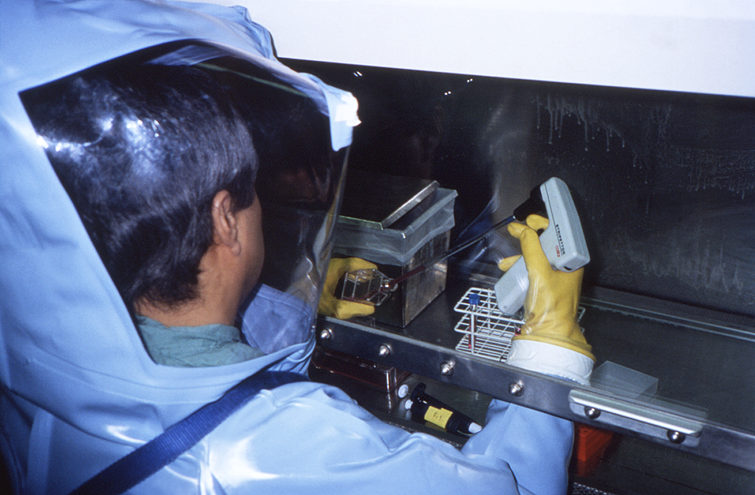
Clinical laboratories can safely perform common diagnostic testing by following Standard Precautions for All Patient Care which includes the Bloodborne Pathogen Standard (29 CFR 1910.1030).