



Key points
This chapter provides general guidance for vaccine-preventable disease surveillance, describing the disease background/epidemiology, case investigation and reporting/notification, disease case definitions, and activities for enhancing surveillance, case investigation, and outbreak control for influenza.
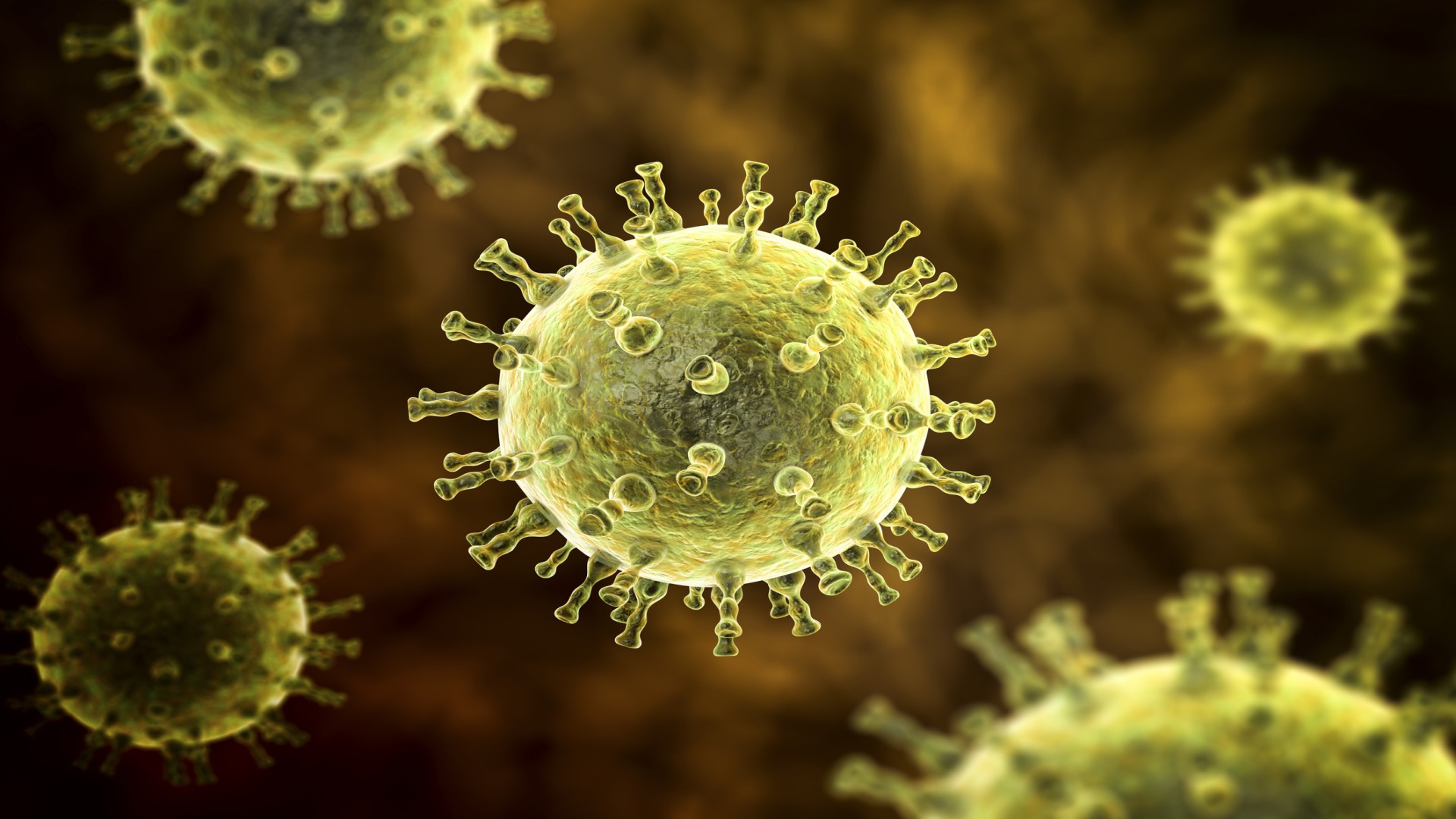
Disease description
Authors: Alicia Budd, MPH; Lisa Grohskopf, MD; C. Todd Davis, PhD; Vivien Dugan, PhD
Influenza is an acute respiratory disease caused by infection with influenza viruses. The incubation period ranges from 1 to 4 days.1 Peak virus shedding usually occurs from 1 day before onset of symptoms to 3 days after.123 Typical features of influenza include abrupt onset of fever and respiratory symptoms such as cough (usually nonproductive), sore throat, and coryza, as well as systemic symptoms such as headache, muscle aches, and fatigue.456789 The clinical severity of infection can range from asymptomatic infection to primary viral pneumonia and death. Acute symptoms generally last 2–7 days, although malaise and cough may continue for 2 weeks or longer. Complications of influenza virus infection include secondary bacterial pneumonia, exacerbation of underlying chronic health conditions, and a wide range of additional conditions affecting most organ systems.10 Complications occurring more commonly in children can include otitis media, febrile seizures, encephalopathy, transverse myelitis, myositis, myocarditis, pericarditis, and Reye syndrome.1112131415 Aspirin and other salicylate-containing medications are contraindicated for children and adolescents with influenza-like illness (ILI), as their use during influenza virus infection has been associated with the development of Reye syndrome.16
The sharp rise in influenza-associated acute respiratory illnesses that occurs in the U.S. during annual seasonal epidemics is associated with increased numbers of visits to physicians' offices, walk-in clinics, and emergency departments. Hospitalizations for pneumonia and other complications also increase. Persons 65 years of age and older, young children, pregnant women, and persons of any age with certain underlying health problems are at increased risk for complications of influenza and hospitalization.17 Because influenza seasons are difficult to predict and often fluctuate in length and severity, the overall burden of seasonal influenza varies from year to year. During 2010–11 through 2024–25, CDC estimated that the seasonal impact of influenza ranged from 9.4 million to 51 million illnesses; 4.4 million to 23 million medical visits; 120,000 to 710,000 hospitalizations; and 6,300 to 52,000 deaths.18
Background
Influenza viruses can be divided into 4 types: A, B, C, and D. Influenza type C viruses are not usually associated with severe disease and do not cause epidemics, or pandemics. Influenza D viruses primarily affect cattle and are not known to infect or cause illness in people. Neither influenza C nor influenza D viruses will be discussed further here. Influenza type A viruses are divided into subtypes based on surface proteins called hemagglutinin (HA) and neuraminidase (NA).19 There are 16 hemagglutinin and 9 neuraminidase subtypes that circulate in a variety of avian species, and a restricted subgroup of these have infected other animals, such as pigs, horses, cats, ferrets, dogs, and marine mammals (i.e., seals and whales). A few bat species were recently shown to be infected by influenza viruses originally designated as new influenza A subtypes A(H17N10) and A(H18N11).2021 However, these viruses were shown to be incompetent for reassortment with other influenza A viruses.22
Two influenza A virus subtypes have cocirculated in human populations since 1977: influenza A(H1N1) and A(H3N2).23 Reassortment between influenza A(H1N1) and A(H3N2) viruses resulted in the circulation of A(H1N2) viruses during the 2001–02 and 2002–03 influenza seasons.24 In April 2009, a novel influenza A(H1N1) virus, influenza A(H1N1)pdm09—which was different from circulating influenza A(H1N1) viruses—emerged and its subsequent spread resulted in the first influenza pandemic of the 21st century.25 Influenza A(H1N1)pdm09 viruses replaced the prior seasonal influenza A(H1N1) viruses and have been circulating every year since the 2009 pandemic. Influenza B viruses are classified into lineages. Currently, one lineage (B/Victoria) of influenza B viruses is circulating among people. Influenza B/Yamagata lineage viruses have not been identified since March 2020.26
Influenza A and B viruses both undergo gradual, continuous change in the HA and NA proteins, known as antigenic drift. As a result of these antigenic changes, antibodies produced to influenza viruses from an influenza virus infection or influenza vaccination with earlier strains may not be protective against viruses circulating in later years. Consequently, yearly epidemics usually occur in populations, and multiple infections can occur over a person's lifetime. Antigenic changes also necessitate frequent updating of influenza vaccine components to ensure that the vaccine antigens are antigenically similar to those of circulating viruses.2728
In addition to antigenic drift, influenza type A viruses can undergo a more dramatic and abrupt type of antigenic change called an antigenic shift, which occurs when viruses belonging to a new influenza A subtype distinct from currently or recently circulating seasonal influenza A viruses bearing either a novel HA protein or novel HA and NA proteins infect humans.29 A novel HA protein can include a virus of the same subtype but be dramatically antigenically different, as was seen during the 2009 H1N1 influenza pandemic, where the HA likely came from a swine reservoir.25 While antigenic drift occurs continuously, antigenic shift occurs infrequently. When antigenic shift does occur, a large proportion, or even all, of the world's population has no antibody against the new virus. If the novel influenza A virus causes disease and is efficiently transmitted among humans, a worldwide epidemic called a pandemic may result. Novel influenza A viruses, but not influenza B viruses, can cause influenza pandemics. During the 20th century, influenza pandemics occurred with A(H1N1) in 1918, A(H2N2) in 1957, and A(H3N2) in 1968.29 In April 2009, the influenza A(H1N1)pdm09 virus emerged to cause the first influenza pandemic in more than 40 years. The A(H1N1)pdm09 viruses displaced the previously circulating A(H1N1) viruses.30
Vaccination
Annual influenza vaccination is recommended to prevent influenza and its complications.31 Information on timing, selection of specific vaccines, administration, and contraindications and precautions for influenza vaccination is available.3132 Influenza vaccination is particularly important for persons who are at potentially increased risk for severe illness and complications from influenza and for influenza-related outpatient, emergency department, or hospital visits (for example, due to age, pregnancy, or presence of certain chronic medical conditions). When influenza vaccine supply is limited, vaccination efforts should focus on vaccination of persons in these groups who do not have contraindications.31
As of September 2025, influenza vaccine types available in the United States include 1) unadjuvanted, egg-based trivalent inactivated influenza vaccines (IIV3s); 2) adjuvanted trivalent egg-based inactivated influenza vaccine (aIIV3); 3) high-dose trivalent egg-based inactivated influenza vaccine (HD-IIV3); 4) trivalent cell culture-based inactivated influenza vaccine (ccIIV3); 5) recombinant trivalent influenza vaccine (RIV3), and 6) live attenuated influenza vaccine (LAIV3). Inactivated and recombinant vaccines are administered by intramuscular injection. LAIV is administered as an intranasal spray.3132 During the 2024-25 and 2025-26 influenza seasons, U.S. influenza vaccines were trivalent, containing hemagglutinin derived from only one influenza B virus from the B/Victoria lineage, because of lack of confirmed detections of influenza B/Yamagata in global surveillance since March 2020.33
Each U.S.-licensed influenza vaccine is approved for a specific age group. Information regarding the age group for which a given vaccine is approved can be found in the package insert.32 Vaccines are available that are approved for persons as young as six months of age. For many vaccine recipients, more than 1 type or brand of vaccine might be appropriate within licensed indications and Advisory Committee on Immunization Practices (ACIP) recommendations. For guidance on selection of vaccine for individual patients, consult the most recent CDC/ACIP influenza vaccination recommendations.
One of the best estimates of influenza vaccine efficacy come from randomized controlled trials (RCTs) that compare the rates of laboratory-confirmed influenza or an influenza-related outcome in persons who receive vaccine with those who receive a placebo. However, once a vaccine is recommended for use in a population, for ethical reasons it is difficult to perform randomized trials, because withholding vaccine from these groups could place them at risk for serious complications from influenza. For this reason, ongoing assessment of influenza vaccine effectiveness is generally performed through observational studies.
The effectiveness of influenza vaccines varies from season to season and depends on several factors. One factor is the degree of antigenic similarity between the influenza viruses represented in the vaccine and those that circulate during the season. Each year, vaccine strains are selected to represent the strains judged most likely to circulate during the upcoming influenza season in the United States. One or more antigens are typically changed from those in the previous season's vaccine. However, vaccine effectiveness can be lower, or not statistically significant, even in seasons of apparently good antigenic similarity between influenza vaccine components and circulating influenza viruses.34 Moreover, the benefits of influenza vaccination may be of substantially reduced or of no benefit during seasons in which the vaccine strains are antigenically different from the circulating viruses (as was noted, for example, in case-control studies conducted during the 2004–05 and 2014–15 influenza seasons, where the predominant viruses were antigenically and genetically different from the influenza A(H3N2) vaccine virus).353637
Influenza vaccine effectiveness is also affected by the recipient's age, immunocompetence, previous influenza vaccination history, and previous exposure to influenza viruses. In addition, there is some evidence that prior season influenza vaccination may affect current season vaccine effectiveness; however, the impact noted (if any) varies by season and study.3839404142434445
Additionally, estimates of influenza vaccine effectiveness are affected by study characteristics such as the specific outcomes examined (e.g., infection, outpatient-attended illness, or hospitalization) and the manner in which the outcomes are defined (e.g., with laboratory confirmation of infection with tests such as culture or polymerase chain reaction, serology, presence of clinical symptoms, or diagnostic codes). The most accurate influenza vaccine efficacy and effectiveness estimates come from studies that use influenza-specific outcomes, such as laboratory-confirmed (e.g., by culture or reverse-transcription polymerase chain reaction [RT-PCR]) influenza virus infection. Such tests can be costly and take time to perform. As more and better diagnostic tests become available, more accurate and consistent assessments of influenza vaccine efficacy and effectiveness may be possible.
Among adults, a 2012 systematic review and meta-analysis of influenza vaccine efficacy and effectiveness studies found that efficacy of trivalent inactivated influenza vaccine was reported in 8 of 12 seasons analyzed in 10 randomized controlled trials, with a pooled efficacy against RT-PCR or culture-confirmed influenza of 59% for adults 18 through 65 years of age.46 A 2025 systematic review of randomized and observational studies among children and adults reported a pooled influenza vaccine effectiveness of 48% for adults ages 18 through 64 years and 67% for children against hospitalization.47 Some RCTs have estimated vaccine effectiveness of inactivated influenza vaccine of approximately 50%–70% among adults during some seasons in which the vaccines' influenza A strains were antigenically similar to circulating influenza A viruses.484950
Influenza vaccines are often less effective for older adults than for younger persons. A 2010 review of studies of community-dwelling elderly found that IIV3 was not significantly effective against laboratory-confirmed influenza or ILI.51 A re-analysis of these data using a different stratification method and outcomes measure estimated vaccine effectiveness for laboratory-confirmed influenza of approximately 49%.52 A 2014 systematic review, which pooled data from 35 case-control studies of community-dwelling elderly, found influenza vaccine was effective against laboratory confirmed influenza during periods of regional or widespread influenza activity.53 A case-control study of community-dwelling adults ≥65 years of age found that influenza vaccine during the 2010–11 season was associated with an overall 42% reduction in hospitalizations for laboratory-confirmed influenza, with a higher reduction for influenza A(H1N1)pdm09 (90%) than for influenza A(H3N2) (40%).54
Efforts to improve influenza vaccine effectiveness among adults ≥65 years of age led to the development and licensure of vaccines intended to promote a better immune response in this population, including high-dose and adjuvanted inactivated influenza vaccines. A large randomized comparative efficacy trial of high-dose versus standard-dose trivalent inactivated influenza vaccines among persons ≥65 years of age during the 2011–12 and 2012–13 seasons found 24.2% greater relative efficacy of the high-dose vaccine for protection against laboratory confirmed influenza caused by any viral type or subtype associated with protocol-defined ILI.55
Estimates of influenza vaccine efficacy among children have varied by season and study design. In a randomized controlled trial among children 1–15 years of age, inactivated influenza vaccine efficacy was determined to be 77% against symptomatic culture-positive illness associated with influenza A(H3N2), and 91% against illnesses associated with influenza A(H1N1).56 A randomized, double-blind, placebo-controlled trial conducted during two influenza seasons indicated that, among children 6–24 months of age, inactivated influenza vaccine had 66% efficacy against culture-confirmed influenza illness during the 1999–2000 influenza season, but did not reduce culture-confirmed influenza illness substantially during the 2000–01 influenza season.57
Annual vaccination against influenza is an important method of prevention. Influenza vaccination protects against influenza and its potential complications. During the 2022–23 season, it was estimated that influenza vaccination prevented 5 million influenza illnesses; 2.5 million medical visits; 65,000 influenza hospitalizations; and 5,300 deaths.58 Previous influenza vaccination may offer little or no protection against viruses that have undergone substantial antigenic drift. Even when an influenza vaccine component remains the same, immunity induced by the vaccine declines over time and may not be protective during the next season.
Antiviral drugs
Antiviral medications with activity against influenza viruses are an important adjunct to influenza vaccine in the control of influenza. Antiviral treatment can reduce the risk of some complications from influenza and is recommended as early as possible for any patient with confirmed or suspected influenza who is hospitalized; has severe, complicated, or progressive illness; or is at higher risk for influenza complications. The benefits of antiviral treatment are likely to be greatest if treatment is started as soon as possible after illness onset; evidence for benefit is strongest in studies in which treatment was started within 48 hours of illness onset.596061626364 Antiviral treatment might still be beneficial in patients with severe, complicated, or progressive illness and in hospitalized patients when administered >48 hours from illness onset.38 Decisions on starting antiviral treatment should not wait for laboratory confirmation of influenza.
Six FDA-approved antiviral medications in three drug classes are currently available in the United States: the adamantanes (amantadine and rimantadine), the neuraminidase inhibitors (zanamivir, oseltamivir, and peramivir), and the endonuclease inhibitor baloxavir. However, the adamantanes are not recommended for prevention or treatment of influenza, due to high levels of resistance to these agents among circulating influenza A virus strains.6566 The adamantanes have no activity against influenza B viruses. Oseltamivir, zanamivir, peramivir, and baloxavir are active against both influenza A and B viruses. CDC recommendations for influenza antiviral use are available.67 Oseltamivir is an oral drug approved by FDA for treatment of acute uncomplicated influenza in persons 14 days and older, and for chemoprophylaxis of influenza in persons 1 year of age and older. Although it is not included in the drug's FDA-approved indications, use of oral oseltamivir for treatment of influenza in infants less than 14 days old, and for chemoprophylaxis in infants 3 months to 1 year of age, is recommended by the Centers for Disease Control and Prevention (CDC) and American Academy of Pediatrics.68 If a child is younger than 3 months old, use of oseltamivir for chemoprophylaxis is not recommended unless the situation is judged critical, due to limited data in this age group.6768 Zanamivir is an inhaled antiviral approved for treatment of uncomplicated influenza in persons 7 years of age and older and for chemoprophylaxis in persons 5 years of age and older. When administered prophylactically to healthy adults or children, oseltamivir and zanamivir are 70%–90% effective in preventing illness from influenza A or B virus infection.697071727374 A third neuraminidase inhibitor, peramivir, is given as an intravenous infusion and is approved for treatment of uncomplicated influenza in persons 6 months of age and older. Peramivir is not recommended for chemoprophylaxis of influenza. Baloxavir is given orally and is approved for treatment and prophylaxis of influenza in persons 5 years of age and older.
The majority of recently circulating influenza viruses are susceptible to the neuraminidase inhibitor antiviral medications, oseltamivir, zanamivir, and peramivir; however, rare sporadic instances of resistant viruses have been detected worldwide.6667686970717273747576777879 It is also possible that some influenza viruses become resistant to oseltamivir and peramivir during antiviral treatment with one of these agents and remain susceptible to zanamivir; this has been reported most often for influenza A(H1N1)pdm09 viruses.80818283 It is important to review annual recommendations and updates published by CDC before prescribing influenza antiviral medications (see Antiviral Drugs).
Persons at higher risk for influenza-associated complications that are recommended for antiviral treatment include:
- adults ≥65 years of age;
- children <2 years of age (while children < 5 years old are at higher risk of serious influenza complications, the highest risk is for those younger than 2 years old, with the highest hospitalization and death rates among infants younger than 6 months old);
- persons with chronic pulmonary (including asthma), cardiovascular (except hypertension alone), renal, hepatic, hematologic (including sickle cell disease), and metabolic (including diabetes mellitus) disorders; or neurologic and neurodevelopment conditions (including disorders of the brain, spinal cord, peripheral nerve, and muscle such as cerebral palsy, epilepsy [seizure disorders], stroke, intellectual disability [mental retardation], moderate to severe developmental delay, muscular dystrophy, or spinal cord injury);
- persons with immunosuppression, including that caused by medications or by HIV infection;
- women who are pregnant or postpartum (within 2 weeks after delivery);
- persons ≤18 years of age who are receiving aspirin therapy;
- American Indians/Alaska Natives;
- people from certain racial and ethnic minority groups are at increased risk for hospitalization with influenza, including non-Hispanic Black persons, Hispanic or Latino persons, and American Indian or Alaska Native persons
- persons who are morbidly obese (i.e., BMI ≥40); and
- residents of nursing homes and other chronic-care facilities.
Importance of surveillance
Influenza viruses are constantly undergoing minor changes (antigenic drift) and can also undergo an abrupt, major change (antigenic shift); therefore, both virologic surveillance (in which influenza viruses are detected/isolated and used for antigenic and genetic analysis as well as for antiviral resistance testing) and disease surveillance are necessary to identify new influenza virus variants, to monitor their health impact in populations, to provide data necessary for selection of influenza vaccine components each year, and to inform any necessary public health response. Knowledge of the prevalent circulating viruses can also assist healthcare providers in making treatment decisions. For example, if influenza activity has been confirmed in a community, antiviral drugs may be used to treat patients with ILI within 48 hours of onset of symptoms to reduce the length and severity of illness. With the increased use of antiviral drugs, virologic surveillance also is important to determine the level of drug-resistance among circulating influenza viruses. Finally, disease surveillance supports the identification of persons at higher risk for influenza complications, determination of the effectiveness of current prevention strategies, and refinement of influenza vaccine and antiviral recommendations each year.
Case definitions
Definitive diagnosis of influenza requires laboratory confirmation in addition to signs and symptoms. Case definitions for ILI are nonspecific for influenza and vary depending on the purpose for which they are used. A case definition of fever (temperature of 100°F (37.8°C) or greater, oral or equivalent), and cough and/or sore throat is used by CDC in its U.S. Outpatient Influenza-like Illness Surveillance Network (ILINet), in which healthcare providers report the total number of patient visits and the number of patients seen for ILI each week.
Laboratory testing
Influenza virus infection cannot be diagnosed accurately based on signs and symptoms alone. Laboratory testing is necessary to confirm the diagnosis. Although influenza virus infection generally leads to more severe illness among adults than other respiratory viruses, individual cases of influenza cannot be distinguished from other respiratory virus infections based on clinical information alone. Methods available for the diagnosis of influenza include
- virus isolation (standard methods and rapid culture assays);
- molecular detection (RT-PCR, sequencing);
- detection of viral antigens (enzyme immunoassays [EIA] and immunofluorescence [DFA/IFA] testing);
- detection by commercially available rapid influenza diagnostic tests, and less frequently,
- use of immunohistochemistry [IHC]; and
- serologic testing using hemagglutination inhibition or microneutralization.8485
The state health department should be contacted for information regarding the availability of testing and the methods used.
For additional information on laboratory support for surveillance, see Chapter 22, "Laboratory Support for Surveillance of Vaccine-Preventable Diseases."
Specimen collection
Specimen collection and shipping are important steps in obtaining laboratory diagnosis or disease confirmation. Guidelines have been published for specimen collection and handling for viral and microbiologic agents. Information is also available on using CDC laboratories as support for reference and disease surveillance; this includes:
- a central website for requesting laboratory testing,
- the form required for submitting specimens to CDC),
- information on general requirements for shipment of etiologic agents—although written to guide specimen submission to CDC, this information may be applicable to submission of specimens to other laboratories; and
- the CDC Infectious Diseases Laboratories Test Directory, which contains not only a list of orderable tests for that institution, but also detailed information on appropriate specimen types, collection methods, specimen volume, and points of contact.
Appropriate clinical specimens for influenza testing include:
- nasopharyngeal swabs [NPS]
- nasal swabs [NS]
- throat swabs [TS]
- nasal aspirates [NA]
- nasal washes [NW]
- dual nasopharyngeal/throat swabs [NPS/TS]
- conjunctival swabs [CS] – for use with CDC's Influenza A/H5 subtyping kit only
Virus isolation and rapid culture assays
Virus isolation is essential for virologic surveillance. While older human seasonal influenza A and B viruses could be isolated in 10 to 11-day old fertilized chicken eggs or in specific cell cultures, contemporary human A(H3N2) viruses do not replicate well in eggs. The Madin-Darby canine kidney (MDCK) cell line and primary rhesus or cynomolgus monkey kidney cells generally support the replication of influenza viruses. Specialized MDCK cells that express high levels of mammalian type receptors (e.g., MDCK-SIAT cells) are needed for contemporary A(H3N2) viruses. Virus isolation has the advantage of producing quantities of virus sufficient for full antigenic characterization, which is required for determining if the current influenza vaccine elicits antibodies that neutralize circulating strains, and for conducting testing for antiviral resistance. Standard isolation procedures have the disadvantage of requiring several days to obtain results, thereby making them less useful to the clinician.
Rapid culture assays that use immunologic methods to detect viral antigens in cell culture are available. The results of these assays can be obtained in 18–40 hours compared with an average of 4.5 days to obtain positive results from standard virus culture.85
Molecular testing methods
RT-PCR is the most sensitive method for the detection of influenza virus and the gold standard for influenza diagnosis. The use of molecular techniques to directly detect virus in specimens can provide rapid identification of viruses. RT-PCR is a powerful technique for identifying influenza virus genomes even when they are present at levels below the limit of detection by virus isolation. RT-PCR can be used for detection of influenza viruses in original specimens taken from patients with ILI, or for the characterization of viruses grown in cell culture or embryonated chicken eggs. RT-PCR testing of original clinical specimens can be performed under biosafety level 2 conditions; however, all work with potentially infectious material should be performed in a biosafety cabinet and with appropriate personal protective equipment. In addition to RT-PCR testing, advances in virus genome sequencing technologies have allowed for rapid detection of influenza viruses directly from clinical specimens. Sequencing is especially important for diagnosis of novel influenza A viruses that may not have a subtype- or lineage-specific RT-PCR test available. To compensate for this potential gap in testing, laboratory criteria for detection of novel influenza viruses should consider genetic sequence analysis.86
Antigen detection assays
Several methods exist for the diagnosis of influenza virus infection directly from clinical material. Cells from a clinical specimen can be stained using an immunofluorescent antibody that reveals the presence of viral antigen. There are also commercially available rapid diagnostic kits that test for the presence of viral antigens, although these tests are usually less sensitive (generally 50%–70%) than RT-PCR testing.87 Currently available rapid influenza diagnostic tests fall into two groups: tests that either detect both influenza type A and B viruses but do not differentiate between virus types, or tests that detect both influenza type A and B viruses and distinguish between the two. Results of these rapid influenza antigen detection tests can be available in 15 minutes or less. Another less frequently used antigen detection method is immunofluorescence using staining of respiratory specimens with monoclonal antibodies and visualization of viral antigens using a fluorescent microscope. This method and RT-PCR methods may also be used for detection of influenza antigens and nucleic acids, respectively, in postmortem respiratory tissue samples.
When direct antigen detection or molecular detection methods are used for the diagnosis of influenza, it is important to collect and save an aliquot of the clinical specimen for possible further testing. These samples may be used for culture confirmation of test results and/or for subtyping of influenza A or B isolates by the state public health laboratory. For some rapid testing methods, the medium used to store the specimen is inappropriate for viral culture; in this case, it is necessary to collect two separate specimens and store one in an appropriate transport media.
Full antigenic characterization of the virus may be performed by the Influenza Division, CDC for the purposes of seasonal or pre-pandemic vaccine composition recommendations. Characterization of isolates is necessary for the detection and tracking of antigenic variants, an essential part of the selection of optimal influenza vaccine components.
Serologic testing
While serologic testing can be useful in certain situations where other testing is not possible or in special studies, serologic diagnosis of seasonal influenza using a single serum specimen is not accepted for the purposes of clinical diagnosis or national surveillance because of a lack of standardized methods for testing and interpretation. Paired serum specimens are required for serologic diagnosis of influenza virus infection. The acute-phase specimen should be collected within 7 days of the onset of illness. The convalescent-phase sample should be collected ≥21 days (ideally 21–28 days) after symptom onset. Hemagglutination inhibition or microneutralization tests are most commonly used for serodiagnosis. A positive result is a 4-fold or greater rise in titer between the acute- and convalescent-phase samples to one type or subtype of virus (preferably representing an antigenically related virus to which the individual is suspected of being exposed) with a convalescent serum titer ≥1:40. For example, if the initial serum dilution is 1:10, 2-fold serial dilutions would result in serum concentrations of 1:10, 1:20, 1:40, 1:80, etc. A 4-fold or higher increase in titer between the acute- and convalescent-phase sera (e.g., from 1:20 to 1:80 or higher) is considered positive. A 2-fold increase between the two sera (e.g., from 1:20 to 1:40) is within the variability of the test and is not considered a positive finding. Influenza vaccination history of the patient must also be taken into account to ensure that a rise in titer reflects infection rather than a recent influenza vaccination. Because most human sera contain antibodies to influenza viruses, diagnosis of influenza typically cannot be made from a single serum sample. In rare cases, primarily related to novel influenza A virus subtypes such as A(H5), results from a single serum sample may be used in a case definition if specific epidemiologic and laboratory criteria are met.8889
Reporting and case notification
Case reporting within a jurisdiction
Each state and territory in the United States has regulations and laws governing the reporting of diseases and conditions of public health importance. These regulations and laws list the diseases that are to be reported, and describe those persons or institutions responsible for reporting, such as healthcare providers, hospitals, laboratories, schools, daycare and childcare facilities, and other institutions. Detailed information on reportable conditions in each state is available through the Council of State and Territorial Epidemiologists.
Case notification to CDC
Influenza-associated deaths among children younger than 18 years of age and human infection with a novel influenza A virus are nationally notifiable conditions reported through the National Notifiable Diseases Surveillance System (NNDSS).90 Other influenza virus infections are not nationally notifiable but may be reportable in some states. Local health departments should contact the state health department for guidelines on reporting individual cases or outbreaks of influenza. Case notification should not be delayed because of incomplete information or lack of confirmation. The state in which the patient resides at the time of diagnosis should submit the case notification to CDC.
U.S. influenza surveillance system
The U.S. influenza surveillance system is a collaborative effort between CDC and its many partners in state, local, and territorial health departments, public health and clinical laboratories, vital statistics offices, health care providers, hospitals, clinics, and emergency departments. Most influenza activity reporting by public health partners and health care providers to CDC is voluntary; however, hospitals and long-term care facilities are required to submit certain influenza data to NHSN under CMS' condition of participation reporting requirements.
Influenza surveillance data are used to find out when and where influenza activity is occurring, determine what influenza viruses are circulating, detect changes in influenza viruses, and measure the impact influenza is having on illness, hospitalizations, and deaths. These data cannot be used to directly ascertain how many people have become ill with influenza during the influenza season; however, estimates of disease burden that are based on surveillance data are made using mathematical models.
Influenza surveillance is conducted year-round. The reporting period for each influenza season begins during epidemiologic week 40 (early October) and ends week 39 (late September) of the following year. Epidemiologic weeks refer to the sequential numbering of weeks (Sunday through Saturday) during a calendar year. This means that the exact start of the new influenza surveillance season varies slightly from season to season. The 2025-2026 influenza season began September 29, 2025, and ends on September 26, 2026. Data are aggregated according to the week the event (e.g., positive laboratory test, outpatient visit, hospitalization, death) occurred. Each surveillance participant/reporter is requested to report data to CDC by Tuesday afternoon of the following week. The data are then downloaded, compiled, and analyzed at CDC. FluView and FluView Interactive are updated weekly on Fridays after 11 AM.
The timing of the annual "flu season" — as determined by elevated influenza activity – also varies from season to season. During most seasons, activity begins to increase in October, most often peaks between December and February and can remain elevated into May. The influenza season is said to have started after consecutive weeks of elevated influenza activity are registered in the multiple CDC influenza surveillance systems.
For the 2025-2026 influenza season (October 2025 – September 2026), influenza surveillance in the United States consists of 5 categories of information collected from 9 data sources:
- Viral surveillance
- U.S. Influenza Collaborating Laboratories System (ICLS)
- National Respiratory and Enteric Virus Surveillance System (NREVSS)
- Novel influenza A reporting
- Outpatient and emergency department surveillance
- U.S. Outpatient Influenza-like Illness Surveillance Network (ILINet)
- National Syndromic Surveillance Program (NSSP)
- Long Term Care Facility (LTCF) surveillance
- National Healthcare Safety Network (NHSN) Long-Term care Respiratory Pathogens and Vaccination Module
- Hospitalization surveillance
- Influenza Hospitalization Surveillance Network (FluSurv-NET)
- National Healthcare Safety Network (NHSN) Hospital Respiratory Data Module
- Mortality surveillance
- National Center for Health Statistics (NCHS) Mortality Surveillance Data
- Influenza-Associated Pediatric Mortality Surveillance System
Minor modifications to the U.S. influenza surveillance system may be made over time and the most current description of the system can be found on the U.S. Influenza Surveillance: Purpose and Methods webpage.
In addition to the systems described above, outbreaks of influenza or ILI may be reported to CDC from other sources, such as a state health department, a collaborating hospital or university laboratory, or an institution experiencing an outbreak.
ICLS and NREVSS collaborating laboratories
Approximately 100 public health and approximately 300 clinical laboratories located throughout all 50 states, Puerto Rico, Guam, and the District of Columbia participate in virologic surveillance for influenza through either ICLS or NREVSS. Influenza testing practices differ between public health and clinical laboratories, and both sources provide valuable information for monitoring influenza activity. Clinical laboratories primarily test respiratory specimens for diagnostic purposes and data from these laboratories provide useful information on the timing and intensity of influenza activity. Public health laboratories primarily test specimens for surveillance purposes to understand which influenza virus types, subtypes and lineages are circulating throughout their jurisdiction and the population groups being affected. A subset of specimens from clinical laboratories may be submitted to public health laboratories for further testing. In order to use each data source most appropriately and to avoid duplication, reports from public health and clinical laboratories have been presented separately in both FluView and FluView Interactive since the 2015–2016 influenza season. All public health and clinical laboratories report each week to CDC the total number of respiratory specimens tested and the number positive for influenza viruses, along with age or age group of the person, if available. Data presented from clinical laboratories include the weekly total number of specimens tested, the number of positive influenza tests, and the percent positive overall and by influenza virus type. Data presented from public health laboratories include the weekly total number of specimens tested, the number of positive influenza tests overall and by influenza virus type, subtype, and influenza B lineage. In order to obtain enough specimens to produce this detailed information in an efficient manner, public health laboratories often receive samples that have already tested positive for an influenza virus at a clinical laboratory. As a result, monitoring the percent of specimens testing positive for an influenza virus in a public health laboratory is less useful (i.e., expected to have a higher percent positive from the selection bias inherent in what specimens are tested). Fortunately, it is not necessary to monitor this parameter when clinical laboratory data are available.
The age distribution of influenza positive specimens reported from public health laboratories is visualized in FluView and FluView Interactive. The number and proportion of influenza virus-positive specimens by influenza A virus subtype and influenza B virus lineage are presented by age group (0–4 years, 5–24 years, 25–64 years, and ≥65 years) each week and cumulative totals are provided for the season.
A subset of the influenza viruses collected by public health laboratories are sent to CDC for further characterization, including antigenic and/or genetic characterization and antiviral resistance testing. For genetic characterization, all influenza-positive surveillance samples received at CDC undergo next-generation sequencing to determine their genetic identity. This analysis identifies circulating influenza viruses and helps monitor the evolutionary trajectory of viruses circulating in the human population. Sequences of virus gene segments are used for phylogenetic analysis, which allows categorization of viruses by genetic clades/subclades based on the similarity of the hemagglutinin gene segment and changes in the protein sequence. However, genetic changes that classify the clades/subclades do not always result in antigenic changes.
Antigenic characterization is performed on a subset of viruses representing the genetic diversity in the population. Analysis includes hemagglutination inhibition and/or neutralization assays to compare antigenic properties of circulating viruses to those of cell culture- and egg-propagated reference viruses that represent viruses used in the current influenza vaccines. This allows for the detection of "antigenic drift," a term that describes the gradual antigenic change that occurs as viruses evolve to escape host immune pressure.
CDC also analyzes influenza viruses collected by public health laboratories for susceptibility to influenza antivirals, including neuraminidase inhibitors (oseltamivir, zanamivir, and peramivir) and an endonuclease inhibitor (baloxavir). Susceptibility to the neuraminidase inhibitors is assessed using next-generation sequencing analysis. Neuraminidase sequences of viruses are inspected to detect the presence of amino acid substitutions previously associated with reduced or highly reduced inhibition by any of the three neuraminidase inhibitors. In addition, a subset of viruses is tested using a neuraminidase inhibition assay. Susceptibility to baloxavir is assessed using next-generation sequencing analysis to identify amino acid substitutions in the PA protein previously associated with reduced susceptibility to this antiviral. A subset of representative viruses is also tested phenotypically using a cell culture-based assay (e.g., influenza replication inhibition neuraminidase-based assay – IRINA).
Novel influenza A reporting
In 2007, human infection with a novel influenza A virus became a nationally notifiable condition. Novel influenza A virus infections include all human infections with influenza A viruses that are different from currently circulating human influenza A(H1) and A(H3) viruses. These viruses include those that are subtyped as nonhuman in origin and those that cannot be subtyped with standard laboratory methods and reagents. Rapid detection and reporting of human infections with novel influenza A viruses—viruses to which there is little to no pre-existing immunity—is very important as it facilitates prompt identification and characterization of influenza A viruses with pandemic potential and accelerates the implementation of effective public health responses to limit the transmission and impact of these viruses.
Newly identified cases of human infections with novel influenza A viruses in the United States are reported in FluView and additional information, including case counts by geographic location, virus subtype, and calendar year or season, are available on FluView Interactive.
U.S. outpatient Influenza-Like Illness Surveillance Network
Information on outpatient visits to healthcare providers for respiratory illness referred to as ILI is collected through ILINet, which consists of more than 3,000 healthcare providers in all 50 states, Puerto Rico, the District of Columbia, and the U.S. Virgin Islands. More than 124 million patient visits were reported during the 2024-2025 season. Each week, approximately 4,000 outpatient healthcare providers and emergency departments around the country report to CDC the total number of patients seen for any reason, and the number of those patients with ILI by age group (0–4 years, 5–24 years, 25–49 years, 50–64 years, and ≥ 65 years). Approximately 70% of these providers also report total visits by age group. For this system, ILI is defined as fever (temperature of 100°F [37.8°C] or greater) and a cough and/or a sore throat. Since the 2021-2022 season, the case definition no longer includes "without a known cause other than influenza." Sites with electronic records use an equivalent definition as determined by state public health authorities. The national percentage of patient visits to healthcare providers for ILI reported each week is calculated by combining state-specific data weighted by state population and compared to a national baseline of ILI activity during periods of low influenza virus circulation. Since ILINet monitors visits for ILI and not for laboratory-confirmed respiratory viruses, it can capture visits due to any respiratory pathogen that presents with the symptoms of fever plus cough or sore throat. These data should be evaluated in the context of other surveillance data to obtain a complete and accurate picture of influenza activity.
Additionally, data collected in ILINet are used to produce a measure of the intensity of ILI activity in a jurisdiction. Activity levels are based on the percent of outpatient visits in a jurisdiction due to ILI compared with the average percent of ILI visits that occur during weeks with little or no influenza virus circulation (non-influenza weeks). Because the number of sites reporting each week is variable, baselines are adjusted each week based on which sites within each jurisdiction provide data. To perform this adjustment, provider-level baseline ratios are calculated for those that have sufficient reporting history. Providers that do not have the required reporting history are assigned the baseline ratio for their practice type. The jurisdiction-level baseline is then calculated using a weighted sum of the baseline ratios for each contributing provider.
The activity levels compare the mean reported percent of visits due to ILI for the current week to the mean reported percent of visits due to ILI for non-influenza weeks. The 13 activity levels correspond to the number of standard deviations below, at or above the mean for the current week compared with the mean of the non-influenza weeks. There are 13 activity levels, classified as minimal (levels 1–3), low (levels 4–5), moderate (levels 6–7), high (levels 8–10), and very high (levels 11-13). An activity level of 1 corresponds to values that are below the mean; level 2 corresponds to an ILI percentage less than 1 standard deviation above the mean; level 3 corresponds to ILI more than 1, but less than 2 standard deviations above the mean; and so on, with an activity level of 10 corresponding to ILI 8 to 11 or more standard deviations above the mean. The very high levels correspond to an ILI percentage 12 to 15 standard deviations above the mean for level 11, 16 to 19 standard deviations above the mean for level 12, and 20 or more standard deviations above the mean for level 13.
National Healthcare Safety Network (NHSN) long-term care respiratory pathogens and vaccination module
The NHSN Long-Term Care Respiratory Pathogens and Vaccination Module was launched to collect weekly case, hospitalization, and vaccination data for respiratory pathogens (e.g., COVID-19, influenza, respiratory syncytial virus [RSV]). This module is designed to ensure that reporting of respiratory pathogen cases, hospitalizations, and vaccination data is standardized and comparable across facilities over time. Data may be submitted via the NHSN web-based platform. LTCFs certified by Centers for Medicare and Medicare Services (CMS) are required to comply with the CMS's reporting requirements to report COVID-19 data beginning September 2024 and influenza and RSV data beginning January 2025.
Influenza hospitalization rates per 100,000 residents are defined as the number of facility residents who were hospitalized and had a positive test for influenza 10 days prior to hospitalization per total number of facility residents in each week. These data are analyzed weekly and summarized at the national and HHS regional level.
Influenza hospitalization surveillance network (FluSurv-NET)
FluSurv-NET conducts surveillance for population-based, laboratory-confirmed influenza related hospitalizations in children (persons less than 18 years of age) and adults. The network covers over 90 counties or county equivalents in the 10 Emerging Infections Program (EIP) states (CA, CO, CT, GA, MD, MN, NM, NY, OR, and TN) and 4 additional states (MI, NC, OH, and UT). The network represents approximately 9% of the US population (~30 million people).
Cases are identified by reviewing hospital laboratory and admission databases and infection control logs for patients hospitalized during the influenza season with a documented positive influenza test ordered by a health care professional as a part of routine patient care within 14 days prior to or during hospitalization. Data gathered are used to estimate age-specific hospitalization rates on a weekly basis during the influenza season and to describe characteristics of persons hospitalized with associated influenza illness. Laboratory-confirmation is dependent on clinician-ordered influenza testing. Therefore, the rates provided are likely to be underestimated as influenza-associated hospitalization can be missed, either because testing was not performed, or because cases may be attributed to other causes of pneumonia or other common influenza-related complications.
NHSN Hospital Respiratory Data (HRD) module
All acute care and critical access hospitals in the United States are required as a CMS Condition of Participation to report weekly data regarding respiratory viruses and hospital bed capacity and occupancy to NHSN's Hospital Respiratory Data (HRD) Module. Facility-level aggregated data include the following:
- Hospital bed capacity and occupancy information, overall and by bed type (inpatient, ICU), designation (adult, pediatric), and condition (COVID-19, influenza, and RSV).
- Number of patients currently hospitalized with laboratory-confirmed COVID-19, influenza, and RSV, by age group.
- Number of new hospital admissions of patients with laboratory-confirmed COVID-19, influenza, and RSV, by age group.
- Additionally, hospital personal protective equipment (PPE) and supply data are available for voluntary reporting to NHSN in conjunction with the required data.
The numbers of new hospital admissions with laboratory confirmed influenza virus infection, intensive care unit (ICU) hospitalizations, and hospitalization rates reported to NHSN are aggregated by week at the national and HHS region level. New hospital admissions are defined as patients who were admitted to an inpatient bed and had a positive influenza test at admission or during the 14 days prior. Laboratory confirmation includes detection of influenza virus infection through molecular tests (e.g., polymerase chain reaction, nucleic acid amplification), antigen detection tests, immunofluorescence tests, and virus culture. For hospital reporting, laboratory-confirmed influenza is categorized as influenza A or B.
NCHS mortality surveillance data
NCHS collects death certificate data from state vital statistics offices for all deaths occurring in the United States. Deaths are identified based on ICD-10 multiple cause of death codes. NCHS surveillance data are aggregated by the week of death occurrence and are included in FluView one week after the week of death. The NCHS surveillance data are continually revised therefore the percentage of deaths with a particular set of ICD-10 codes may increase or decrease as new and updated death certificate data are received by NCHS.
Three measures have been used to monitor influenza mortality using NCHS data: pneumonia and/or influenza (P&I); pneumonia, influenza, and/or COVID-19 (PIC); and influenza (I).
Prior to the 2020-2021 influenza season, the NCHS surveillance data were used to calculate the percent of all deaths occurring each week that had pneumonia and/or influenza (P&I) listed as a cause of death. Since many influenza deaths and many COVID-19 deaths have pneumonia included on the death certificate, P&I does not measure the impact of influenza in the same way that it had prior to the COVID-19 pandemic. This is because the proportion of pneumonia deaths associated with influenza is now influenced by COVID-19-related pneumonia. Beginning in the 2020-2021 influenza season, COVID-19 coded deaths were added to P&I to create the PIC (pneumonia, influenza, and/or COVID-19) classification. PIC includes all deaths with pneumonia, influenza, and/or COVID-19 listed on the death certificate.
Starting with the 2023-2024 influenza season, the percent of deaths with influenza listed on the death certificate began being displayed in FluView. P&I no longer measures the impact of influenza in the same way it had prior to the COVID-19 pandemic, and the PIC measure is often impacted by COVID-19 activity making it difficult to monitor the impact of influenza using that measure. Although monitoring influenza-only coded deaths will underestimate the full impact of influenza mortality, this measure allows for tracking trends in the impact of influenza on mortality and is not as influenced by COVID-19 as the other two measures.
Influenza-associated pediatric mortality reporting
Influenza-associated deaths in children (persons less than 18 years of age) were added as a nationally notifiable condition in 2004. For surveillance purposes, an influenza-associated pediatric death is defined as a death in a person less than 18 years of age, resulting from a clinically compatible illness that was confirmed to be influenza by an appropriate laboratory diagnostic test. There should be no period of complete recovery between the illness and death. Demographic and clinical information are collected on each case and reported to CDC.
Enhancing surveillance
Several activities can improve the detection and reporting of influenza virus infections as well as the comprehensiveness, timeliness, and quality of reporting. Healthcare providers should be made aware that influenza cases can occur during any month of the year and that collecting and testing respiratory specimens during the summer months may provide valuable information about viruses likely to circulate during the upcoming influenza season. Healthcare providers should also be aware of the methods, accuracy, and limitations of laboratory testing for influenza virus infection and of the importance of reporting influenza surveillance information at local, state, and national levels. They should know about the sources for influenza surveillance information from CDC and their state and/or local public health departments.
Individual cases of influenza typically are not investigated. Exceptions to this are severe or fatal illnesses from unusual complications of influenza virus infection (e.g., encephalitis, myocarditis, rhabdomyolysis). Individual cases should also be investigated when the infecting virus is suspected or confirmed to be of animal origin (most frequently swine or avian), and the state health department and CDC should be notified immediately. In such cases, investigators should attempt to identify exposure to animals and determine if the virus has been transmitted from human-to-human. Generally, animal influenza viruses are identified as influenza A viruses that cannot be subtyped by using standard laboratory methods. Any influenza A virus that cannot be subtyped or that tests positive for a subtype other than A(H1N1)pdm09 or A(H3N2) should be sent through the state health department to the CDC Influenza Division immediately. Guidelines are provided to state public health laboratories annually.
This page was last updated on this date. Updates may include minor edits, image changes, or other modifications to page content.
The information on this page was last reviewed by subject matter experts to ensure accuracy.
- Carrat F, Vergu E, Ferguson NM, et al. Time lines of infection and disease in human influenza: a review of volunteer challenge studies. Am J Epidemiol. Apr 1 2008;167(7):775–85. doi:10.1093/aje/kwm375.
- Loeb M, Singh PK, Fox J, et al. Longitudinal study of influenza molecular viral shedding in Hutterite communities. J Infect Dis. Oct 1 2012;206(7):1078–84. doi:10.1093/infdis/jis450.
- Suess T, Remschmidt C, Schink SB, et al. Comparison of shedding characteristics of seasonal influenza virus (sub)types and influenza A(H1N1)pdm09; Germany, 2007–2011. PLoS One. 2012;7(12):e51653. doi:10.1371/journal.pone.0051653.
- Monto AS, Gravenstein S, Elliott M, Colopy M, Schweinle J. Clinical signs and symptoms predicting influenza infection. Arch Intern Med. Nov 27 2000;160(21):3243–7. doi:10.1001/archinte.160.21.3243.
- Boivin G, Hardy I, Tellier G, Maziade J. Predicting influenza infections during epidemics with use of a clinical case definition. Clin Infect Dis. Nov 2000;31(5):1166–9. doi:10.1086/317425.
- Ohmit SE, Monto AS. Symptomatic predictors of influenza virus positivity in children during the influenza season. Clin Infect Dis. Sep 1 2006;43(5):564–8. doi:10.1086/506352.
- Dugas AF, Valsamakis A, Atreya MR, et al. Clinical diagnosis of influenza in the ED. Am J Emerg Med. Jun 2015;33(6):770–5. doi:10.1016/j.ajem.2015.03.008.
- Call SA, Vollenweider MA, Hornung CA, Simel DL, McKinney WP. Does this patient have influenza? JAMA. Feb 23 2005;293(8):987–97. doi:10.1001/jama.293.8.987.
- Miller MR, Peters TR, Suerken CK, Snively BM, Poehling KA. Predictors of Influenza Diagnosis Among Patients With Laboratory-Confirmed Influenza. J Infect Dis. Nov 15 2015;212(10):1604–12. doi:10.1093/infdis/jiv264.
- Uyeki TU, Hui DS, Zambon M, Wentworth DE, Monto AS. Influenza. Lancet 2022:400:603–706. doi: 10.1016/S0140-6736(22)00982-5.
- Peltola V, Ziegler T, Ruuskanen O. Influenza A and B virus infections in children. Clin Infect Dis 2003;36:299–300. DOI: 10.1086/345909.
- Chiu SS, Tse CY, Lau YL, Peiris M. Influenza A infection is an important cause of febrile seizures. Pediatrics 2001;108:E63. DOI: 10.1542/peds.108.4.e63.
- Douglas R Jr. Influenza in man. In: Kilbourne ED, editor. Influenza viruses and influenza. New York: Academic Press, Inc.; 1975:395–418.
- McCullers JA, Facchini S, Chesney PJ, Webster RG. Influenza B virus encephalitis. Clin Infect Dis 1999;28:898–900. DOI: 10.1086/515214.
- Morishima T, Togashi T, Yokota S, Okuno Y, Miyazaki C, Tashiro M. Encephalitis and encephalopathy associated with an influenza epidemic in Japan. Clin Infect Dis 2002;35:512–7. DOI: 10.1086/341407.
- Belay ED, Bresee JS, Holman RC et. al. Reye's Syndrome in the United States from 1981 through 1997. N Engl J Med 1999;340:1377–1382.
- CDC. People at Increased Risk of Flu Complications. Accessed June 16, 2026.
- CDC. Flu Disease Burden: Past Seasons. Accessed June 16,2026.
- Wright PF, Webster RG. Orthomyxoviruses. In: Knipe DM, Howley PM, Straus SE, et al., editors. Fields virology. 4th ed. Philadelphia: Lippincott Williams & Wilkins; 2001:1534–79.
- Tong S, Li Y, Rivailler P, et al. A distinct lineage of influenza A virus from bats. Proc Natl Acad Sci U S A 2012;109(11):4269–74. DOI: 10.1073/pnas.1116200109.
- Tong S, Zhu X, Li Y, et al. New world bats harbor diverse influenza A viruses. PLoS Pathog 2013;9(10):e1003657. DOI: 10.1371/journal.ppat.1003657.
- Zhou B, Ma J, Liu Q, et al. Characterization of uncultivable bat influenza virus using a replicative synthetic virus. PLoS Pathog 2014;10(10): e1004420. DOI: 10.1371/journal.ppat.1004420.
- Hay AJ, Gregory V, Douglas AR, Lin YP. The evolution of human influenza viruses. Philos Trans R Soc Lond B Biol Sci. Dec 29 2001;356(1416):1861–70. doi:10.1098/rstb.2001.0999.
- CDC. Update: Influenza Activity—United States and United States and Worldwide, 2001–02 Season, and Composition of the 2002–03 Influenza Vaccine. MMWR 2002;51:503–506.
- Garten RJ, Davis CT, Russell CA, et al. Antigenic and genetic characteristics of swine-origin 2009 A(H1N1) influenza viruses circulating in humans. Science 2009;325(5937):197–201. doi:10.1126/science.1176225.
- World Health Organization. Recommended composition of influenza virus vaccines for use in the 2024-2025 northern hemisphere influenza season. Accessed June 16, 2026.
- Cox NJ, Subbarao K. Influenza. Lancet. Oct 9 1999;354(9186):1277–82. doi:10.1016/S0140-6736(99)01241-6.
- U.S. Centers for Disease Control and Prevention. Selecting viruses for the seasonal influenza vaccine. Accessed July 25, 2025.
- Cox NJ, Subbarao K. Global epidemiology of influenza: past and present. Annu Rev Med. 2000;51:407–21. doi:10.1146/annurev.med.51.1.407.
- CDC. Fluview. U.S. Influenza Surveillance report. Accessed July 16, 2025.
- Grohskopf Blanton LH, Ferdinands JM et al. Prevention and control of seasonal influenza with vaccines: recommendations of the Advisory Committee on Immunization Practices—United States, 2025–26 influenza season. MMWR Recomm Rep 2025;74(32):500–507. DOI: 10.15585/mmwr.rr6505a1.
- FDA. Vaccines Licensed for Use in the United States. [data current as of 2026 March 9; cited 2026 April 13].
- World Health Organization. Recommended composition of influenza virus vaccines for use in the 2024 southern hemisphere influenza season. Geneva, Switzerland: World Health Organization; 29 Sept 2023.
- Beran J, Wertzova V, Honegr K, et al. Challenge of conducting a placebo-controlled randomized efficacy study for influenza vaccine in a season with low attack rate and a mismatched vaccine B strain: a concrete example. BMC Infect Dis 2009;9:2. DOI: 10.1186/1471-2334-9-2.
- Belongia EA, Kieke BA, Donahue JG, Greenlee RT, Balish A, et al. Effectiveness of inactivated influenza vaccines varied substantially with antigenic match from the 2004–2005 season to the 2006–2007 season. J Infect Dis 2009;199(2):159–67. doi: 10.1086/595861.
- Flannery B, Clippard J, Zimmerman RK, et al. Early estimates of seasonal influenza vaccine effectiveness—United States, January 2015. MMWR Morb Mortal Wkly Rep 2015;64(1):10–5.
- Advisory Committee on Immunization Practices (ACIP). Summary report: February 26, 2015 (meeting minutes). Atlanta, GA: CDC; 2015.
- Hoskins TW, Davies JR, Smith AJ, et al. Assessment of inactivated influenza-A vaccine after three outbreaks of influenza A at Christ's Hospital. Lancet 1979;1(8106):33–5. DOI: 10.1016/S0140-6736(79)90468-9.
- Keitel WA, Cate TR, Couch RB, et al. Efficacy of repeated annual immunization with inactivate influenza virus vaccines over a five year period. Vaccine 1997;15(10):1114–22. DOI: 10.1016/S0264-410X(97)00003-0.
- McLean HQ, Thompson MG, Sundaram ME, et al. Impact of repeated vaccination on vaccine effectiveness against influenza A(H3N2) and B during 8 seasons. Clin Infect Dis 2014;59(10):1375–85. DOI: 10.1093/cid/ciu680.
- Ohmit SE, Thompson MG, Petrei JG, et al. Influenza vaccine effectiveness in the 2011–2012 season: protection against each circulating virus and the effect of prior vaccination on estimates. Clin Infect Dis 2014;58:319–327. DOI: 10.1093/cid/cit736.
- Skowronski DM, Janjua NZ, Sabaiduc S, et al. Influenza A/subtype and B/lineage effectiveness estimates for the 2011–2012 trivalent vaccine: cross-season and cross-lineage protection with unchanged vaccine. J Infect Dis 2014;210(1):126–37. DOI: 10.1093/infdis/jiu048.
- Skowronski DM, Janjua NZ, De Serres G, et al. Low 2012–13 influenza vaccine effectiveness associated with mutation in the egg-adapted H3N2 vaccine strain not antigenic drift in circulating viruses. PLoS One 2014;9(3):e92153. DOI: 10.1371/journal.pone.0092153.
- McLean, HQ, Thompson MG, Sundaram ME, et al. Influenza vaccine effectiveness in the United States during 2012–2013: variable protection by age and virus type. J Infect Dis 2015;211(10):1529–40. DOI: 10.1093/infdis/jiu647.
- Zimmerman RK, Nowalk MP, Chung J, et al. 2014–2015 influenza vaccine effectiveness in the United States by vaccine type. Clin Infect Dis 2016;63(12):1564–73. DOI: 10.1093/cid/ciw635.
- Osterholm MT, Kelley NS, Sommer A, Belongia EA. Efficacy and effectiveness of influenza vaccines: a systematic review and meta-analysis. Lancet Infect Dis 2012;12(1):36–44. DOI: 10.1016/S1473-3099(11)70295-X.
- Scott J, Abers MS, Marwah HK, et al. Updated Evidence for Covid-19, RSV, and Influenza Vaccines for 2025-2026. N Engl J Med 2025;393:2221–2242.
- Beran J, Vesikari T, Wertzova V, et al. Efficacy of inactivated split-virus influenza vaccine against culture-confirmed influenza in healthy adults: a prospective, randomized, placebo-controlled trial. J Infect Dis 2009;200:1861–9. DOI: 10.1086/648406.
- Jackson LA, Gaglani MJ, Keyserling HL, et al. Safety, efficacy, and immunogenicity of an inactivated influenza vaccine in healthy adults: a randomized, placebo-controlled trial over two influenza seasons. BMC Infect Dis 2010;10:71. DOI: 10.1186/1471-2334-10-71.
- Monto AS, Ohmit SE, Petrie JG, et al. Comparative efficacy of inactivated and live attenuated influenza vaccines. N Engl J Med 2009;361:1260–7. doi: 10.1056/NEJMoa0808652.
- Jefferson T, Di Pietrantonj C, Al-Ansary LA, Ferroni E, Thorning S, Thomas RE. Vaccines for preventing influenza in the elderly. Cochrane Database Syst Rev 2010;2:CD004876. DOI: 10.1002/14651858.CD004876.pub3.
- Beyer WE, McElhaney J, Smith DJ, Monto AS, Nguyen-Van-Tam JS, Osterhaus AD. Cochrane re-arranged: support for policies to vaccinate elderly people against influenza. Vaccine 2013;31(50):6030–3. DOI: 10.1016/j.vaccine.2013.09.063.
- Darvishian M, Bijlsma MJ, Hak E, van den Heuvel ER. Effectiveness of seasonal influenza vaccine in community-dwelling elderly people: a meta-analysis of test-negative design case-control studies. Lancet Infect Dis 2014;14(12):1228–39. DOI: 10.1016/S1473-3099(14)70960-0.
- Kwong JC, Campitelli MA, Gubbay JB, et al. Vaccine effectiveness against laboratory-confirmed influenza hospitalizations among elderly adults during the 2010–2011 season. Clin Infect Dis 2013;57(6):820–7. DOI: 10.1093/cid/cit404.
- DiazGranados CA, Dunning AJ, Kimmel M, et al. Efficacy of high-dose versus standard-dose influenza vaccine in older adults. N Engl J Med 2014;371(7):635–45. DOI: 10.1056/NEJMoa1315727.
- Neuzil KM, Dupont WD, Wright PF, Edwards KM. Efficacy of inactivated and cold-adapted vaccines against influenza A infection, 1985 to 1998: the pediatric experience. Pediatr Infect Dis J 2001;20(8):733–40. doi: 10.1097/00006454-200108000-00004.
- Hoberman A, Greenberg DP, Paradise JL, et al. Effectiveness of inactivated influenza vaccine in preventing acute otitis media in young children: a randomized controlled trial. JAMA 2003;290(12):1608–16. DOI: 10.1001/jama.290.12.1608.
- CDC. Flu Burden Prevented by Vaccination. Accessed July 6, 2026.
- Antiviral agents for the treatment and chemoprophylaxis of influenza: recommendations of the Advisory Committee on Immunization Practices (ACIP). MMWR Recomm Rep 2011;60(RR-1):1–25.
- Muthuri SG, Venkatesan S, Myles PR, et al. Effectiveness of neuraminidase inhibitors in reducing mortality in patients admitted to hospital with influenza A H1N1pdm09 virus infection: a meta-analysis of individual participant data. Lancet Respir Med 2014;2(5):395–404. DOI: 10.1016/S2213-2600(14)70041-4.
- Dobson J, Whitley RJ, Pocock S, Monto AS. Oseltamivir treatment for influenza in adults: a meta-analysis of randomised controlled trials. Lancet 2015;385(9979):1729-1737.
- Malosh RE, Martin ET, Heikkinen T, et al. Efficacy and Safety of Oseltamivir in Children: Systematic Review and Individual Patient Data Meta-analysis of Randomized Controlled Trials. Clin Infect Dis 2018;66(10):1492–1500.
- Gao Y, Guyatt G, Uyeki TM, et al. Antivirals for treatment of severe influenza: a systematic review and network meta-analysis of randomised controlled trials. Lancet 2024;404(104454):753–763.
- Pott H, Andrew MK, Shaffelberg Z, et al. Oseltamivir Reduces 30-Day Mortality in Older Adults With Influenza: A Pooled Analysis From the 2012–2019 Serious Outcomes Surveillance Network of the Canadian Immunization Research Network. Open Forum Inf Dis 2025;12(2):ofaf058.
- High levels of adamantane resistance among influenza A (H3N2) viruses and interim guidelines for use of antiviral agents—United States, 2005–06 influenza season. MMWR Morb Mortal Wkly Rep 2006;55(2):44–6.
- Bright RA, Shay DK, Shu B, Cox NJ, Klimov AI. Adamantane resistance among influenza A viruses isolated early during the 2005–2006 influenza season in the United States. JAMA 2006;295(8):891–4. DOI: 10.1001/jama.295.8.joc60020.
- Influenza antiviral medications: summary for clinicians. Atlanta, GA: CDC. Accessed July 6, 2026.
- American Academy of Pediatrics Committee on Infectious Diseases. Recommendations for prevention and control of influenza in children, 2025–2026. Pediatrics (2025) 156 (6): e2025073620.
- Welliver R, Monto AS, Carewicz O, et al. Effectiveness of oseltamivir in preventing influenza in household contacts: a randomized controlled trial. JAMA 2001;285(6):748–54. DOI: 10.1001/jama.285.6.748.
- Peters PH Jr., Gravenstein S, Norwood P, et al. Long-term use of oseltamivir for the prophylaxis of influenza in a vaccinated frail older population. J Am Geriatr Soc 2001;49(8):1025–31. DOI: 10.1046/j.1532-5415.2001.49204.x.
- Hayden FG, Atmar RL, Schilling M, et al. Use of the selective oral neuraminidase inhibitor oseltamivir to prevent influenza. N Engl J Med 1999;341(18):1336–43. DOI: 10.1056/NEJM199910283411802.
- Monto AS, Fleming DM, Henry D, et al. Efficacy and safety of the neuraminidase inhibitor zanamivir in the treatment of influenza A and B virus infections. J Infect Dis 1999;180(2):254–61. DOI: 10.1086/314904.
- Monto AS, Pichichero ME, Blanckenberg SJ, Ruuskanen O, Cooper C, Fleming DM. Zanamivir prophylaxis: an effective strategy for the prevention of influenza types A and B within households. J Infect Dis 2002;186(11):1582–8. DOI: 10.1086/345722.
- Zhao Y, Gao Y, Guyatt G, et al. Antivirals for post-exposure prophylaxis of influenza: a systematic review and network meta-analysis. Lancet 2024;404(10454):764–772.
- Hurt AC, Hardie K, Wilson NJ, et al. Community transmission of oseltamivir-resistant A(H1N1)pdm09 influenza. N Engl J Med 2011;365(26):2541–2. DOI: 10.1056/NEJMc1111078.
- Takashita E, Ejima M, Itoh R, et al. A community cluster of influenza A(H1N1)pdm09 virus exhibiting cross-resistance to oseltamivir and peramivir in Japan, November to December 2013. Euro Surveill 2014;19(1):20666. DOI:0.2807/1560-7917.ES2014.19.1.20666.
- Takashita E, Fujisaki S, Kishida N, et al. Characterization of neuraminidase inhibitor-resistant influenza A(H1N1)pdm09 viruses isolated in four seasons during pandemic and post-pandemic periods in Japan. Influenza Other Respir Viruses 2014;7(6):1390–9. DOI: 10.1111/irv.12132.
- Hussain S, Meijer A, Govorkova EA, et al. Global update on the susceptibilities of influenza viruses to neuraminidase inhibitors and the cap-dependent endonuclease inhibitor baloxavir, 2020–2023. Antiviral Res 2025; 241:106217. doi: 10.1016/j.antiviral.2025.106217.
- Takeshta E, Fujisaki S, Morita H et al. Baloxavir susceptibility of seasonal influenza viruses during the first seven seasons of clinical use in Japan, 2017/18 to 2023/24. Euro Surv 2026: 31(1):2500336.
- Nguyen HT, Sheu TG, Mishin VP, Klimov AI, Gubareva LV. Assessment of pandemic and seasonal influenza A (H1N1) virus susceptibility to neuraminidase inhibitors in three enzyme activity inhibition assays. Antimicrob Agents Chemother 2010;54(9):3671–7. DOI: 10.1128/AAC.00581-10.
- Nguyen HT, Trujillo AA, Sheu TG, et al. Analysis of influenza viruses from patients clinically suspected of infection with an oseltamivir resistant virus during the 2009 pandemic in the United States. Antivir Res 2012;93(3):381–6. DOI: 10.1016/j.antiviral.2012.01.006.
- Lackenby A, Moran Gilad J, Pebody R, et al. Continued emergence and changing epidemiology of oseltamivir-resistant influenza A(H1N1)2009 virus, United Kingdom, winter 2010/11. Euro Surveill 2011;16(5):19784.
- Memoli MJ, Hrabal RJ, Hassantoufighi A, et al. Rapid selection of oseltamivir- and peramivir-resistant pandemic H1N1 virus during therapy in 2 immunocompromised hosts. Clin Infect Dis 2010;50(9):1252–5. DOI: 10.1086/651605.
- Bellini WJ, Cox NJ. Laboratory diagnosis of measles, influenza and other respiratory virus infections. Course manual. Washington, DC: HHS, Public Health Service; 1995.
- Ziegler T, Cox NJ. Influenza viruses. In: Murray PR, Barron EJ, Pfaller MA, Tenover FC, Yolken RH, eds. Manual of clinical microbiology. Washington, DC: ASM Press; 1999.
- Novel Influenza A Virus Infections 2024 Case Definition, website accessed 14 April 2026.
- Merckx J, Wali R, Schiller I, et al. Diagnostic Accuracy of Novel and Traditional Rapid Tests for Influenza Infection Compared With Reverse Transcriptase Polymerase Chain Reaction: A Systematic Review and Meta-analysis. Ann Intern Med 2017;167(6):394–409.
- CDC Report on Missouri H5N1 Serology Testing. 24 October 2024; accessed 14 April 2026.
- WHO case definition for human infections with avian influenza A(H5) virus requiring notification under IHR (2005). 4 November 2024; accessed 14 April 2026.
- National Notifiable Disease Surveillance System. 12 January 2026; accessed 14 April 2026.