



Key points
This chapter provides general guidance for vaccine-preventable disease surveillance, describing the disease background/epidemiology, case investigation and reporting/notification, disease case definitions, and activities for enhancing surveillance, case investigation, and outbreak control for hepatitis B.
Disease Description
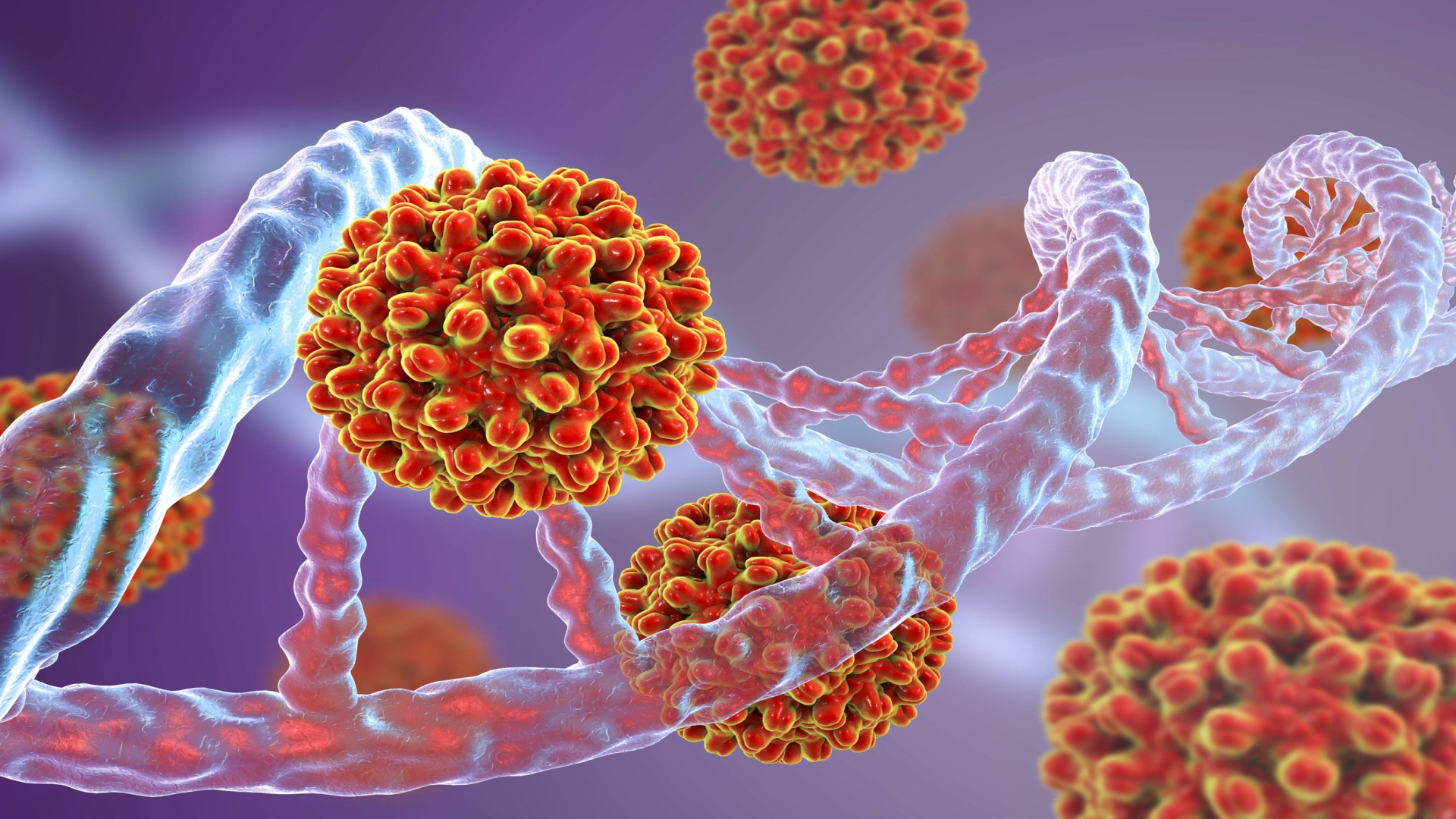
Hepatitis B is caused by infection with the hepatitis B virus (HBV), a partially double-stranded DNA virus of the family hepadnaviridae.1 HBV replicates in the liver and causes both acute and chronic hepatitis. Although the highest concentrations of virus are found in blood, other body fluids, such as semen and vaginal secretion, have also been demonstrated to contain HBV. HBV is predominantly a blood and sexually transmitted infection and is spread by percutaneous and mucosal exposure to infectious body fluids. HBV is highly infectious and can remain infectious on environmental surfaces for at least 7 days.1
Symptomatology and transmission
The incubation period for acute hepatitis B ranges from 60 to 150 days (average 90 days) from exposure to onset of signs and symptoms. The clinical manifestations of acute HBV infection are age dependent.1 Infants, children (younger than 5 years of age), and immunosuppressed adults with newly acquired HBV infection are usually asymptomatic. Older children, adolescents and adults are symptomatic in 30%–50% of infections. When present, clinical symptoms, and signs might include anorexia, malaise, nausea, vomiting, abdominal pain, jaundice, dark urine, and clay-colored or light stools. Occasionally, extrahepatic manifestations occur and include skin rashes, arthralgia, and arthritis. Fulminant hepatitis is uncommon and occurs in less than 1% of acutely infected persons.
Among adults with normal immune status, approximately 95% recover completely from newly acquired HBV infections, eliminating the hepatitis B surface antigen (HBsAg) from the blood and producing neutralizing antibodies that confer immunity from future infection.12 In infants, young children, and immunosuppressed persons, newly acquired HBV infections frequently result in chronic infection.1 Infants born to HBsAg positive women are at greatest risk —up to 90% of perinatal infections become chronic.13 Although the consequences of acute hepatitis B can be severe, most of the serious sequelae occur in persons in whom chronic infection develops. Chronic infection can lead to liver disease and approximately 15%–25% of persons with chronic infection die prematurely from cirrhosis, liver cancer, or liver failure.1 However, approximately 50% of people living with chronic hepatitis B in the United States during January 2017–March 2020 were unaware of their infection status.4 People who don't know they are infected can unknowingly transmit their infection to others and are at risk for developing chronic liver disease.5
Reportable laboratory markers that aid in diagnosis/case ascertainment, case classification, and that are used for monitoring care, consist of the following: HBsAg HBV deoxyribonucleic acid (DNA), hepatitis B e antigen (HBeAg), antibody to hepatitis B core protein (anti-HBc), antibody to hepatitis B e antigen (anti-HBe) and antibody to hepatitis B surface antigen (anti-HBs). HBsAg, HBV DNA, and HBeAg are markers indicating the virus is present in the blood, anti-HBs, anti-HBc and anti-HBe are indicative of host response to infection. Anti-HBe is a marker of replication and infectivity, generally associated with high levels of HBV DNA, and indicating high potential for perinatal transmission during pregnancy.13
Background
Prevalence
Globally, there were an estimated 254 million persons with chronic HBV infection in 2022 and approximately 1.1 million deaths were attributed to complications associated with chronic HBV infection. In the United States, approximately 660,000 persons 6 years of age and older are estimated to have chronic HBV infection.4
During 2023, a total of 2,214 cases of acute hepatitis B were reported to the National Notifiable Diseases Surveillance System (NNDSS) from 47 states and the District of Columbia.6 After correction for underreporting and asymptomatic infections, this represented an estimated 14,400 new infections. After nearly a decade of stable rates of approximately 1 case per 100,000 population during 2011 to 2019, the rate of acute hepatitis B decreased by 32% in 2020 and by an additional 14% in 2021, remaining relatively stable from 2021 to 2023. The incidence of acute hepatitis B was highest among persons 40 to 59 years of age and among non-Hispanic Black persons.
During 2023, a total of 1,769 hepatitis B-related deaths (i.e., where hepatitis B was listed as a cause of death) were reported in the United States. The age-adjusted death rate was highest among persons 65 years of age and older and non-Hispanic Asian/Pacific Islander persons.6
Screening and risk factors
CDC published recommendations for universal adult hepatitis B screening in 2023.7 The guideline recommends that all adults >18 years of age be screened at least once in their lifetime for hepatitis B, including anyone who requests hepatitis B testing, regardless of risk disclosure, using a triple panel test. The hepatitis B triple panel includes hepatitis B surface antigen (HBsAg), total antibody to hepatitis B core antigen (anti-HBc), and hepatitis B surface antibody (anti-HBs); the panel is able to distinguish between persons who have current infection, resolved infection (and thus potentially at risk for reactivation), those susceptible in need of vaccination, and those with immune protection through vaccination. Further, CDC recommends periodic testing of all unvaccinated people with ongoing risk behaviors or exposures while risk behaviors or exposures persist. People for whom HBV exposure is suspected should receive timely post-exposure prophylaxis and immediate testing, which can prevent HBV infection and interrupt transmission.8 Persons with chronic HBV infection are often detected during routine screening for blood donation, prenatal care for pregnant women, and arriving refugees.9
CDC recommends all pregnant women receive hepatitis B screening during pregnancy, regardless of vaccination status or testing history and preferably during the first trimester because of the risk for perinatal transmission. In 2023, seven perinatal cases were reported to the CDC through NNDSS, six fewer cases than reported in 2022.10 CDC's Perinatal Hepatitis B Prevention Program received reports of 7,327 infants born during 2022 to women with HBV infection. Among these infants, 92% (n=6,707) received the recommended post-exposure prophylaxis; among the 65% who received the recommended post-vaccination serologic testing there were seven perinatal cases identified.10 Without postexposure prophylaxis to prevent perinatal HBV infection, transmission would occur in 5-20% of infants born to HBsAg-positive, HBeAg-negative women and among 85% to over 90% of infants born to HBsAg-positive, HBeAg-positive women.3
Hepatitis B vaccination is the most effective means to prevent associated morbidity and mortality of HBV infection. Since the hepatitis B vaccines were licensed in the United States in 1981, the number of acute HBV infections has declined from 9.6 per 100,000 in 1982 to 0.7 per 100,000 in 2023.710 The Advisory Committee on Immunization Practices recommends vaccination for all infants, unvaccinated children and adolescents <19 years of age, adults aged 19-59 years, and adults aged >60 years with risk factors for hepatitis B.11 Adults ≥60 years of age without known risk factors for hepatitis B should be offered vaccination.
Importance of Rapid Identification
Rapid identification, investigation, and reporting of acute hepatitis B cases allow for assessment of risk factors and identification of the source of infection to ensure measures such as postexposure prophylaxis can be implemented to prevent further transmission. In addition, identification of risk behaviors/exposures for infection provides a means to assess the effectiveness of hepatitis B immunization in the community and identify missed opportunities for vaccination.
Postexposure prophylaxis
Hepatitis B immune globulin (HBIG) is prepared from human plasma that is known to contain a high titer of antibody to HBsAg (anti-HBs).12 The plasma from which HBIG is prepared is screened for HBV, hepatitis C virus (HCV), and human immunodeficiency virus infections.12 Since 1999, all products available in the United States have been manufactured by methods that inactivate viruses (e.g., HBV, HCV or HIV). A regimen combining hepatitis B vaccine and HBIG is 85%–95% effective in preventing HBV infection when administered to infants born to HBsAg-positive mothers using the Advisory Committee on Immunization Practices (ACIP) recommended schedule consisting of HBIG and birth dose given within 12 hours of delivery and additional hepatitis B vaccine doses at 1–2 months and 6 months of age to complete the series.1 Post-exposure prophylaxis regimens involving either the hepatitis B vaccine series or multiple doses of HBIG alone are 71%–75% effective in preventing mother-to-child transmission of HBV infection.13 Postexposure prophylaxis with hepatitis B vaccine and HBIG should be given to all infants born to HBsAg-positive mothers. Post-exposure prophylaxis (hepatitis B vaccination, with or without HBIG) of persons who are exposed to HBV via blood or bodily fluids containing blood will depend on the setting (e.g., health care personnel in occupational setting), HBsAg status of the source, the exposed person's hepatitis B vaccination status, and for health care personnel, vaccine response status.1
Importance of Surveillance
The main goals of hepatitis B surveillance are to:
- detect and provide data on outbreaks;
- identify contacts of case-patients who require postexposure prophylaxis;
- identify persons with HBV infection who need counseling and referral for medical management;
- characterize changes in the epidemiology of HBV infection and risk factors; and
- guide vaccination policies and other prevention efforts.
Disease Reduction Goals
Healthy People 2030 disease reduction goals have been established for reducing new infections, increasing awareness of infection, and reducing hepatitis B-related deaths in the United States.14
IID–11: Reduce the rate of acute hepatitis B.
- Baseline: In 2017 the rate of reported acute hepatitis B cases was 1.1 cases per 100,000 population.
- Target: Reduce the rate of acute hepatitis B to 0.1 case per 100,000 population by 2028 (data collection year) to meet the 2030 objective.
- In 2023, the national rate of reported cases of acute hepatitis B was 0.7 cases per 100,000 population.7 Seven states (14%) had met the Healthy People 2030 acute hepatitis B reduction goal in 2023.7
IID–13: Increase the proportion of people who know they have chronic hepatitis B.
- Baseline: During 2013-2016,32.4 percent of persons with chronic hepatitis B were aware they have chronic hepatitis B.
- Target: Increase the proportion of persons who are aware of their chronic hepatitis B status to 90% to meet the 2030 objective.
- During January 2017–March 2020, approximately 50% of persons infected with hepatitis B virus were aware of their infection.5
IID–15: Reduce the rate of death with hepatitis B as a cause.
- Baseline: In 2017,0.46 deaths per 100,000 population were reported with hepatitis B as the underlying or contributing cause (age adjusted to the year 2000 standard population).
- Target: Decrease number of deaths with hepatitis B as the underlying or contributing cause of death to 0.16 per 100,000 by 2028 (data collection year) to meet the 2030 objective.
- In 2023, deaths with hepatitis B as the underlying or contributing cause of death were 0.44 per 100,000 population.7 Twenty-three states and District of Columbia (47%) had met the Healthy People 2030 reduction goal of death with hepatitis B as a cause in 2023.7
Case Definition
Case definitions for hepatitis B are important to inform accurate data surveillance. The following case definitions for acute hepatitis B, chronic hepatitis B, and perinatal HBV are the most recently adopted versions by the Council of State and Territorial Epidemiologists (CSTE).1516 Current and previous hepatitis B case definitions are available.
Hepatitis B, acute (effective 2024)8
| Criteria Type | Criteria |
|---|---|
| Age |
|
| Clinical |
|
| Confirmatory Laboratory* | Tier 1
Tier 2
|
| Presumptive Laboratory* |
|
| Case Status | Criteria |
|---|---|
| Confirmed Acute* |
|
| Probable Acute* |
|
Source: Viral Hepatitis Surveillance and Case Management guidance
*Surveillance programs should provide prevention programs with information on people who have positive test outcomes for post-test counseling and referral to treatment and care, as appropriate. †If information on HBsAg test method is available and HBsAg confirmatory neutralization was performed as recommended, HBsAg positive by confirmatory neutralization.
Chronic hepatitis B virus infection (effective 2024)8
| Criteria Type | Criteria |
|---|---|
| Age |
|
| Clinical |
|
| Confirmatory Laboratory* |
|
| Presumptive Laboratory* |
|
| Case Status | Classification |
|---|---|
| Confirmed Chronic*‡ |
|
| Probable Chronic*‡ |
|
Source: Viral Hepatitis Surveillance and Case Management guidance
*Surveillance programs should provide prevention programs with information on people who have positive test outcomes for post-test counseling and referral to treatment and care, as appropriate.
†If information on HBsAg test method is available and HBsAg confirmatory neutralization was performed as recommended, HBsAg positive by confirmatory neutralization.
‡A confirmed or probable acute hepatitis B case may be additionally enumerated as a new confirmed chronic hepatitis B case if a positive HBV viral detection test is reported 6 months or longer after acute case onset or, if asymptomatic, after the initial positive test result.
Comment: Multiple hepatitis B laboratory tests may be performed simultaneously on the same patient specimen as part of a "hepatitis panel." Testing performed in this manner may lead to seemingly discordant results, e.g., negative HBsAg and positive HBV DNA. For purposes of this case definition, any positive result among the three viral detection tests (HBsAg, HBeAg, HBV DNA) is acceptable for case classification, regardless of other testing results. Negative HBeAg results and HBV DNA levels below the lower limit of quantification do not rule out HBV infection.
Perinatal hepatitis B virus infection (effective 2017)8
| Case Status | Criteria |
|---|---|
| Demographic |
|
| Clinical |
|
| Laboratory* |
|
| Epidemiologic Linkage |
|
| Case Status | Classification |
|---|---|
| Confirmed Perinatal* |
|
| Probable Perinatal* |
|
Source: Viral Hepatitis Surveillance and Case Management guidance
Comment: Infants born to HBsAg-positive mothers should receive the first dose of hepatitis B single antigen vaccine and HBIG within 12 hours of birth, administered at different injection sites (e.g. separate limbs).1 The second and third doses of hepatitis B vaccine should be administered at one and six months of age, respectively.3 Infants born to women with an unknown or unavailable hepatitis B status should be managed as if born to a HBsAg-positive mother. For infants weighing <2000 grams, the birth dose should not be counted as part of the vaccine series due to reduced immunogenicity; 3 additional doses of vaccine should be administered starting at one month of age (for a total of 4 doses). Postvaccination serologic testing for HBsAg and anti-HBs (antibody to HBsAg) is recommended at age 9–12 months (or 1–2 months after the final dose of the vaccine series, if the series is delayed).
Laboratory Testing
Specimen collection
Specimen collection and shipping are important steps in obtaining laboratory diagnosis or disease confirmation. Guidelines have been published for specimen collection and handling for viral and microbiologic agents.
Refer to the CDC Infectious Diseases Laboratories Test Directory for specimens that are currently being accepted for testing. This directory provides a list of orderable tests and detailed information on appropriate specimen types, collection methods, specimen volume, and points of contact. Additional guidance on using CDC laboratories is available, including:
- a central website for requesting lab testing;
- the form required for submitting specimens to CDC;
- information on general requirements for shipment of etiologic agents (Appendix 24)
Serologic testing
Tests used to diagnose HBV infection include serologic tests, and occasionally nucleic acid PCR-based assays for viral genome amplification, quantification, and sequencing, as well as genotyping and subtyping during outbreak investigations. For individuals being tested for the first time, it is recommended to use triple panel screening, which includes testing for HBsAg, anti-HBc, and anti-HBs. Screening with the triple panel will identify people who have current HBV infection, have resolved acute HBV infection and may be at risk for reactivation, are susceptible and need vaccination, or are vaccinated with immune protection.
Refer to Chapter 22, Laboratory Support for Surveillance of Vaccine-Preventable Diseases for detailed information on laboratory testing for hepatitis B.
Reporting and Case Notification
Case reporting within a jurisdiction
Each state and territory (jurisdiction) has a list of reportable diseases and conditions of public health importance. This list also includes persons or groups who are responsible for reporting, such as health care providers, hospitals, laboratories, and other institutions. Persons reporting these conditions should contact their state/jurisdiction health department for jurisdiction-specific reporting requirements. For more information on case reporting, case investigation, data collection, and registries/databases, refer to the Viral Hepatitis Surveillance and Case Management guidance.
Hospital care facility and provider reporting
Hospitals and providers should be encouraged to report all hepatitis B diagnoses including births to women with HBV infection to their state/jurisdiction health department.
Laboratory reporting
Laboratory reporting of HBV infection is required in all states for which acute and/or chronic hepatitis B are reportable. While case-defining infection markers (e.g., positive HBsAg or anti-HBc IgM) are reportable in most jurisdictions, regulations vary regarding which markers should be reported. Some jurisdictions require the reporting of all positive and negative hepatitis B laboratory results for certain infection markers listed in the CSTE case definitions, or some negative results when they accompany positive hepatitis B laboratory results.
Case notification to CDC
Hepatitis B became nationally notifiable as a distinct entity during the 1970s, with acute hepatitis B designated as a reportable condition in the early 1990s and chronic hepatitis B following in 2003. Case notifications of acute hepatitis B, chronic HBV infection, perinatal HBV infection, and other reportable diseases are transmitted at least weekly by the state/jurisdiction health departments to CDC through NNDSS. NNDSS core data elements include basic information (excluding personal identifiers)—age, race/ethnicity, sex, date of onset, date of report, and county of residence of individual cases in addition to disease specific information. The CDC/CSTE hepatitis B surveillance case definition entails a combination of clinical and laboratory criteria. Case notifications for confirmed and probable cases should be sent to CDC using the following event codes: 10100 for acute hepatitis B, 10104 for perinatal hepatitis B, and 10105 for chronic hepatitis B.7 Notifications should not be delayed because of incomplete information or lack of confirmation; case reports can be updated as needed until data closeout, which typically occurs in August following the year of case identification. The state/jurisdiction in which the patient resides at the time of diagnosis should submit the case notification to CDC.
Vaccination
For specific information about the use of hepatitis B vaccines, refer to The Pink Book, which provides general recommendations, including vaccine use and scheduling, immunization strategies for providers, vaccine content, adverse events and reactions, vaccine storage and handling, and contraindications and precautions.A
Enhancing Surveillance
Provider education and case investigation
Providers should be educated about the importance of performing appropriate serologic tests or triple panel testing to determine the etiology of viral hepatitis and reporting all cases of acute hepatitis B, chronic hepatitis B, and perinatal hepatitis B to their respective health departments. Case investigations of infected persons provide the best opportunity for postexposure prophylaxis of contacts, reducing transmission, and for collection of risk factor data. Analysis of risk factor data can identify populations where targeted interventions may be needed.
Surveillance and epidemiology staff should routinely investigate suspected cases of viral hepatitis. Basic information that should be routinely collected in the course of an acute, chronic or perinatal hepatitis B case investigation is described below. Each jurisdiction may have their own protocols for conducting these investigations, and CDC is available to provide support as needed.
The Viral Hepatitis Surveillance and Case Management guidance can also serve as a reference for investigation, data collection, case ascertainment and reporting, and registries/databases.
Type of information to collect for acute hepatitis B and chronic hepatitis B
The following information is epidemiologically important to collect in case investigations for acute hepatitis B and chronic hepatitis B. Resource limitations may not allow all chronic cases to be investigated in the same way as acute cases.
Information collected from the provider, medical records, and/or the patient should include:
- Demographic information, including name, date of birth, sex, race, ethnicity, country of birth, and residential address
- Clinical features, including reason for testing, clinical signs and symptoms, illness onset date, hospitalization, death (if applicable), and if an alternate diagnosis is suspected
- Pregnancy status for women of childbearing age
- Laboratory results, including positive and negative results from hepatitis panels, ALT levels, and total bilirubin
- Vaccination information
- Risk behaviors/exposures
- Contacts for investigation, post-exposure prophylaxis, and testing
Type of information to collect for perinatal HBV infection
The following information is important to collect in a case investigation for perinatal HBV infection:
- Demographic information about the child and mother
- Patient and health care provider contact information, including legal guardian for the infant if adopted or in foster care
- Delivery information, including expected and actual due dates and expected and actual delivery facility
- Diagnostic test results for both the gestational parent and infant
- Clinical features for the pregnant woman, including HBV DNA levels and if antiviral medication was administered during 28-32 weeks of gestation
- Immunization and prophylaxis history for all doses of hepatitis B vaccine and HBIG
- Epidemiologic link (for infant, confirm birth to an HBV-infected gestational parent)
- Reporting information, including date case was reported to the jurisdiction, date of diagnosis, date investigation was initiated, date of first contact with the patient and/or health care provider, and date referred for medical evaluation
Refer to The Viral Hepatitis Surveillance and Case Management guidance for more information on case investigation, education for follow-up, and case management for mothers with HBV infection and their infant(s).
Streamlining reporting using electronic methods
Although many surveillance systems still rely on paper and pencil for data collection, use of data from sources such as electronic medical records, electronic case reporting17181920212223, and clinical laboratory information systems (LIMS) can significantly improve reporting speed, enhance data quality, and reduce workload.
Authors and Suggested Citation
Carolyne Cody Bennett, MPH; Ami Gandhi, MPH
Suggested citation:
Given the variations in the timing for when chapter updates are made, a Manual edition number is no longer used. Therefore, it is recommended that the date at the top right of the web page be used in references/citations.
Content source:
National Center for Immunization and Respiratory Diseases
- A. The decision to vaccinate is a personal one. People should consult with their healthcare provider to understand their options to get a vaccine and should be informed about the potential risks and benefits associated with vaccines.
- Schillie S, Vellozzi C, Reingold A, et al. Prevention of hepatitis B virus infection in the United States: recommendations of the Advisory Committee on Immunization Practices. MMWR Recomm Rep 2018;67(RR-1):1–31.
- Lok AS, McMahon BJ. Chronic hepatitis B. Hepatology 2007;45(2):507–39. doi: 10.1002/hep.21513
- Nelson NP, Jamieson DJ, Murphy TV. Prevention of perinatal hepatitis B virus transmission. J Pediatric Infect Dis Soc 2014;3 Suppl 1:S7–S12.
- Bixler D, Barker L, Lewis K, Peretz L, Teshale E. Prevalence and awareness of hepatitis B virus infection in the United States: January 2017–March 2020. Hepatol Commun 2023;7.
- World Health Organization. Hepatitis B. Published April 2024. Accessed [April 25 2025].
- Centers for Disease Control and Prevention. Viral Hepatitis Surveillance Report — United States, 2023. Published April 2025. Accessed [April 28 2025].
- Centers for Disease Control and Prevention. Clinical Testing and Diagnosis for Hepatitis B. Published January 2025. Accessed [April 25].
- Centers for Disease Control and Prevention. Viral Hepatitis Surveillance and Case Management — Hepatitis B. Published March 2024. Accessed [April 23].
- Centers for Disease Control and Prevention. Viral Hepatitis | Immigrant and Refugee Health. Published January 2025. Accessed [August 22].
- Centers for Disease Control and Prevention. 2023 Viral Hepatitis National Profile. Published March 2024. Accessed [April 23].
- Centers for Disease Control and Prevention. Hepatitis B Vaccine Administration. Published January 2025. Accessed [April 25].
- Centers for Disease Control and Prevention. A comprehensive strategy to eliminate transmission of hepatitis B virus infection in the United States: Recommendations of the Advisory Committee on Immunization Practices (ACIP); Part 1: Immunization of infants, children and adolescents. MMWR Recomm Rep 2005;54 (RR-16):1–23.
- Beasley RP, Huang YL, Lee GC, et al. Prevention of perinatally transmitted hepatitis B virus infections with hepatitis B immune globulin and hepatitis B vaccine. Lancet 1983;322:1099–102. doi: 10.1016/S0140-6736(83)90624-4
- U.S. Department of Health and Human Services. Infectious diseases. In: Healthy People 2030. Washington, DC; U.S. Department of Health and Human Services; 2021.
- Centers for Disease Control and Prevention. Hepatitis B, acute and chronic. Atlanta, GA: CDC [cited 2025 April 29].
- Centers for Disease Control and Prevention. Hepatitis B, perinatal virus infection. Atlanta, GA: CDC [cited 2025 April 29.]
- Centers for Disease Control and Prevention. Progress in improving state and local disease surveillance—United States, 2000–2005. MMWR Morb Mortal Wkly Rep 2005; 54(33):822–5.
- Council of State and Territorial Epidemiologists. Improving public health practice by enhancing the public health community's capability for electronic information exchange using HL7 CDA[5 pages]. CSTE position statement 13-SI-03; 2013. Atlanta, GA: CSTE;2013.
- Council of State and Territorial Epidemiologists. Common data structure for national notifiable diseases[6 pages]. CSTE position statement 15-EB-01. Atlanta, GA: CSTE; 2015.
- Smith PF, Hadler JL, Stanbury M, Rolfs RT, Hopkins RS; CSTE Surveillance Strategy Group. "Blueprint version 2.0": updating public health surveillance for the 21st century. J Public Health Manag Pract 2013;19(3):231–9. doi: 10.1097/PHH.0b013e318262906e
- Council of State and Territorial Epidemiologists. Review of and recommendations for the National Notifiable Disease Surveillance System: a state and local health department perspective [1.2 MB, 49 pages]. Atlanta, GA: CSTE; 2013.
- Council of State and Territorial Epidemiologists. 2004–2010 National assessments of electronic laboratory reporting in health departments: findings and recommendations. [assessment brief]. Atlanta, GA: CSTE; 2012.
- Mac Kenzie WR, Davidson AJ, Wiesenthal A, et al. The promise of electronic case reporting. Public Health Rep 2016;131(6):742–6. doi: 10.1177/0033354916670871