


Key points
- The Oil and Gas Extraction Program conducts research, forms partnerships, and develops and communicates practical solutions to improve safety and health in the oil and gas extraction industry.
- The Program aims to control or eliminate occupational injuries, illnesses, and fatalities among oil and gas extraction workers — a workforce critical to the energy infrastructure of the nation.
Overview
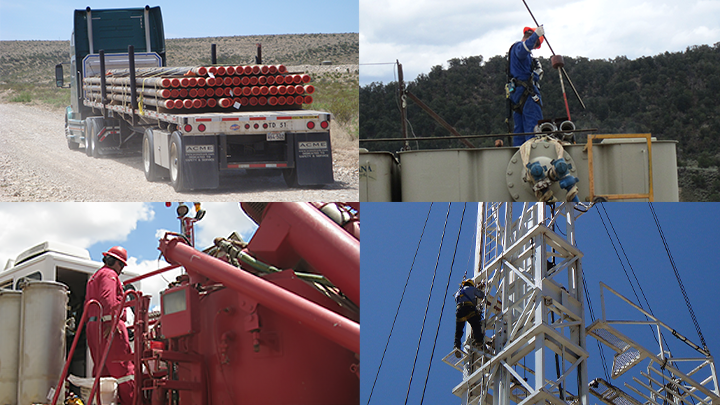
The mission of the Oil and Gas Extraction conducts research, practical solutions, partnerships, and research to practice (r2p) to improve safety and health in the oil and gas extraction industry.
Over the years, NIOSH and its partners have completed numerous research projects to address safety and health issues in the oil and gas extraction industry. Projects cut across a number of important issues including motor vehicle safety, falls, fatigue, and health hazards such as silica, hydrocarbon gases and vapors, and noise.
Additional research includes topics important to safety and health in the oil and gas extraction industry including lone workers, remote worksites, working in the outdoors, and substance use/misuse.
Program priorities
The Oil and Gas Extraction Progam research priorities are based on burden, need, and impact. The Program collaborated with other NIOSH research programs to write the research goals in the NIOSH Strategic Plan for FYs 2019-2026. Priority areas include (but are not limited to):
- Reduce worker fatalities, with an emphasis on motor vehicle crashes
- Characterize physical and chemical exposure hazards
- Develop and evaluate engineering controls to improve worker safety and health
Accomplishments
In 2022-2023, the Program:
- Published an article examining work schedules, commuting time, and driving-related outcomes among OGE workers.
- Developed a video in partnership with the California Department of Public Health highlighting the Hazards, Risks, and Controls for Safer Fluid Transfers in OGE. As of June 2023, this video has been viewed 1000 times.
- Published an article describing self-reported exposure to hazards and mitigation strategies among OGE workers in Texas, Colorado, and North Dakota.
- Published an article describing the evaluation of a self-cleaning portable dust collector for reducing worker exposures to silica at hydraulic-fracturing sites.
- Published a NIOSH Science Bulletin with an overview of recent trends in employment among oil and gas extraction companies and the implications for worker health and safety.
- One noteworthy trend is an increase in Hispanic or Latino OGE workers who may face disproportionately greater health and safety risks when compared with OGE workers who are not Hispanic or Latino.
- Added the Fatalities in Oil and Gas (FOG) database to the NIOSH Worker Health Charts.
What's ahead
In the future, the Program aims to:
- Publish articles highlighting cardiac events, heat stress, and substance use in the OGE industry.
- Contribute to developing a hazard alert describing welding fume hazards and controls.
- Publish an article describing the FOG database and findings from the first six years of data.
- Host a virtual summit focused on Psychosocial Stressors in the Oilfield.
- Publish article on suicide and mental health among miners and OGE workers.
- Publish findings from a study on workers' compensation claims in the OGE industry.
- Evaluate a dust-control system for blending hoppers to reduce exposures to silica at OGE sites.
Resources
More information on this topic for workers and employers can be found on the NIOSH Oil and Gas Extraction Research web page.
NORA Council
The Oil and Gas Extraction Program helps lead the NORA Oil and Gas Extraction Council, which brings together individuals and organizations to share information, form partnerships, and promote adoption and dissemination of solutions that work.
This page was last updated on this date. Updates may include minor edits, image changes, or other modifications to page content.
The information on this page was last reviewed by subject matter experts to ensure accuracy.