



At a glance
Learn about different types of heart defects, what causes them, who is at risk, how they’re diagnosed and treated, and what to expect for long-term health.
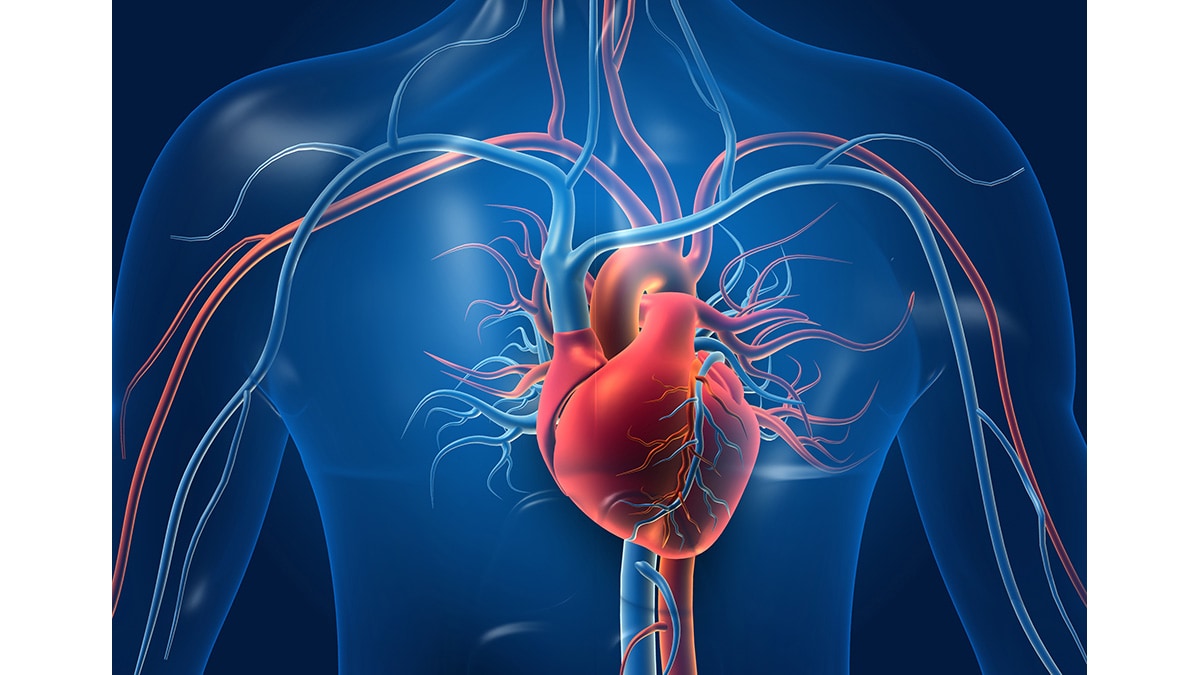
Types

An ASD is a hole in the wall (septum) that divides the upper chambers (atria) of the heart.

An AVSD affects the valves and walls between the heart's upper and lower chambers.

Coarctation of the aorta occurs when a part of the aorta is narrower than usual.
A condition where the heart's two main arteries are switched in position, or “transposed.”

HLHS prevents normal blood flow through the heart.
Pulmonary atresia occurs when the valve from the heart to the lungs fails to form.

Tetralogy of Fallot occurs when a when a baby’s heart does not form correctly during pregnancy.

TAPVR happens when pulmonary veins connect to the heart abnormally.

Tricuspid atresia occurs when the tricuspid valve in the heart does not form at all.

Truncus arteriosus happens when a single common blood vessel leaves the heart instead of two.

A ventricular septal defect is a hole between the heart’s lower chambers.