



What to know
- CDC uses real-world surveillance to track and prevent birth defects and to improve the lives of people with those conditions.
- CDC's work supports families, state and local health departments, and clinicians.
Healthy pregnancies
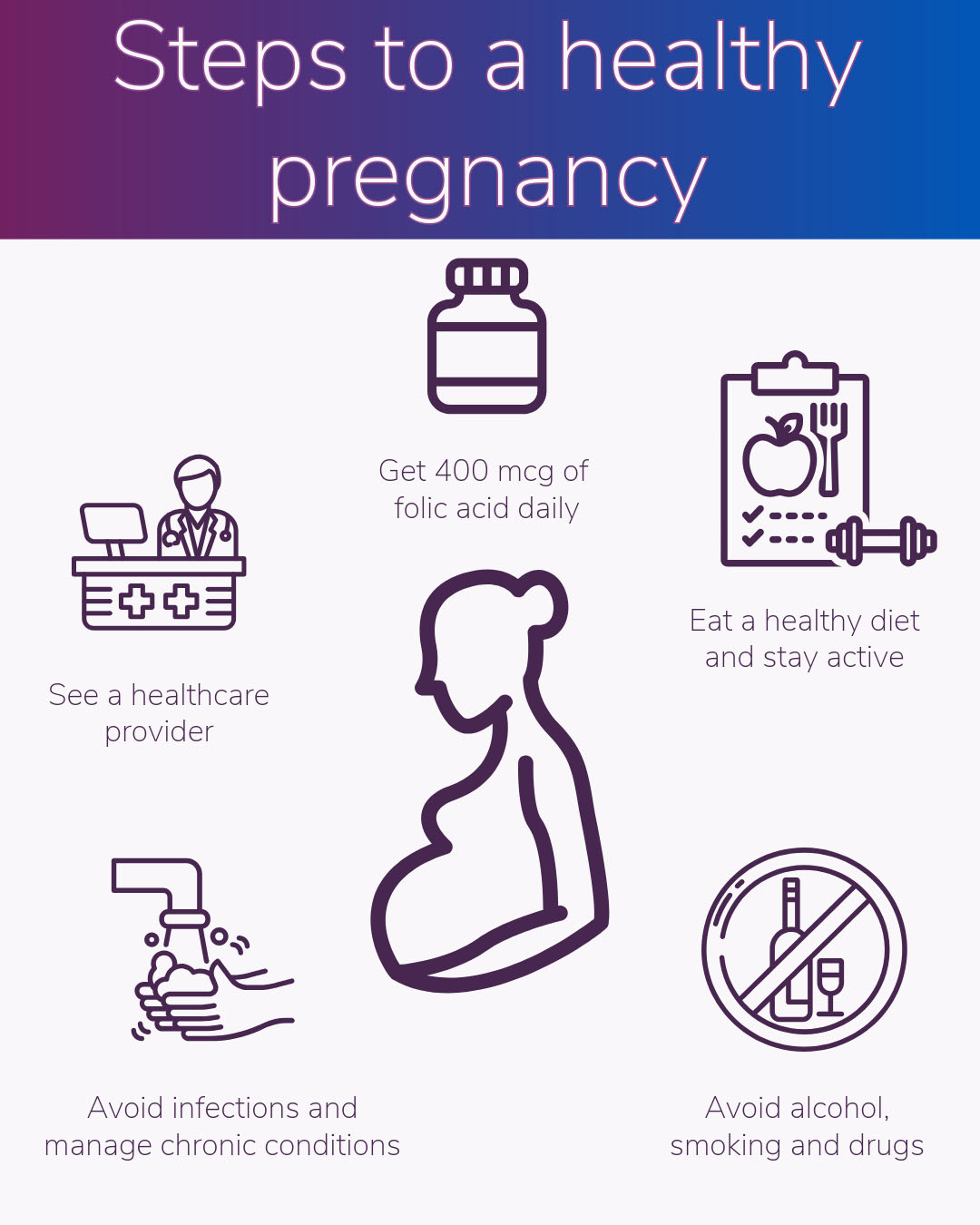
Birth defects can happen for many reasons, and not all birth defects can be prevented.
However, CDC works to identify causes of birth defects and find any opportunities for prevention.
Helping connect families to services
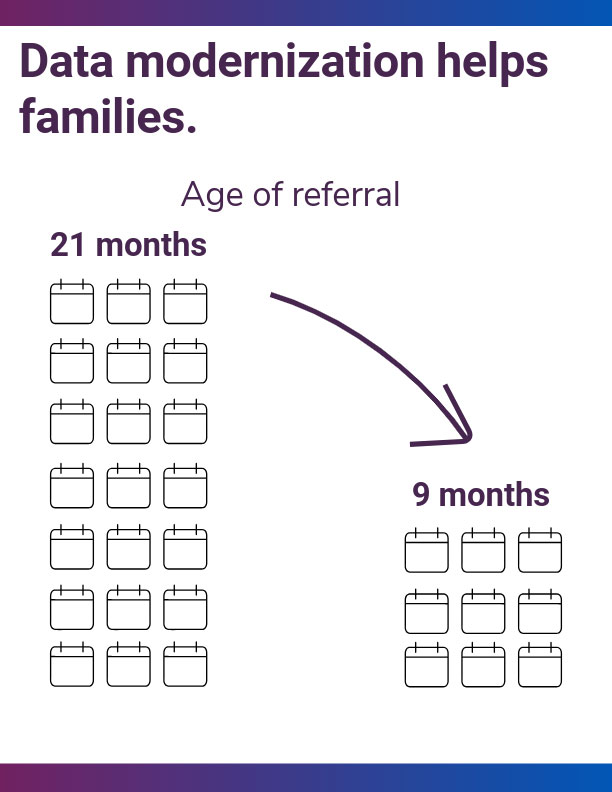
CDC supports the development of methods and infrastructure for fast and efficient birth defects tracking. This helps state and local health departments quickly identify families impacted by birth defects and enroll affected children in critical services. CDC also works with partners to promote these data modernization strategies.
The Texas state birth defects registry began using electronic case reporting in July 2024 with support from CDC. Children identified via electronic methods are on average 12 months younger than those found through traditional reporting methods. This means that children and families can be connected to support services a full year earlier. Timely access to care and services helps ensure children and their families have the resources they need to thrive.
Supporting states
Cytomegalovirus (CMV) is one of the most common infectious causes of birth defects in the US. While many babies with congenital CMV (cCMV) appear healthy at birth, 1 in 5 will develop lasting health problems such as hearing loss and developmental delay. Early detection and timely care are essential to reduce lifelong disability and health costs, and ensure infants have the supports they need to reach their full potential. In 2023, CDC supported 5 states to pilot cCMV surveillance using SET-NET's population-based longitudinal mother-infant surveillance approach. CDC now supports 9 jurisdictions and 3 clinical sites. As states and healthcare systems lead efforts to implement cCMV screening and surveillance, SET-NET's expertise will help establish and promote standards of identification, evaluation, and care for all infants with cCMV.
Initiating public health surveillance for cCMV is a complex process that includes making cCMV reportable, educating providers and families, and identifying data sources. CDC funding and expertise provided jurisdictions and clinical sites with the resources and support needed to build and evaluate cCMV surveillance. The tools and infrastructure developed for cCMV can also be used for other emerging or reemerging infections that affect pregnant women and infants. CDC's work doesn't just improve data, it drives system-wide changes and builds lasting public health capacity.
Importance of working together
CDC expands resources, data, and support for clinicians and public health professionals serving pregnant women and people born with birth defects. As part of this work, CDC analyzes and publishes national estimates of birth defects. These estimates are the foundational data that America uses to understand the number and type of birth defects affecting infants. Accurate estimates are critical to clinicians and jurisdictions providing services and care to impacted families, allowing for planning and resource allocation. These national estimates also serve as an important baseline, as changes in occurrence of birth defects can be the first sign of a new exposure's health impact, as happened with Zika. These ongoing estimates allow CDC to monitor and identify changes in prevalence that may call for investigation.
Supporting babies as they grow up to be teenagers and adults
Babies born with birth defects may have unique health needs. Timely support can help them reach their full potential. CDC works to strengthen systems of care so that families of children with birth defects receive the appropriate care in a timely manner. Early identification and coordinated, lifelong care helps children grow, learn, and thrive. CDC partners with states, healthcare systems, and families to provide lifelong outcomes data that improves care from infancy through adulthood.
By supporting children and families at every stage, CDC helps ensure that people born with birth defects can live long, healthy, and fulfilling lives.