



Key points
- Bartonella bacteria cause a disease called bartonellosis.
- Bartonella are spread to people by fleas, body lice, sand flies, or contact with flea-infested animals. Rarely, Bartonella are spread through organ transplants.
- Cat scratch disease is the most common form of bartonellosis in the United States.

Overview
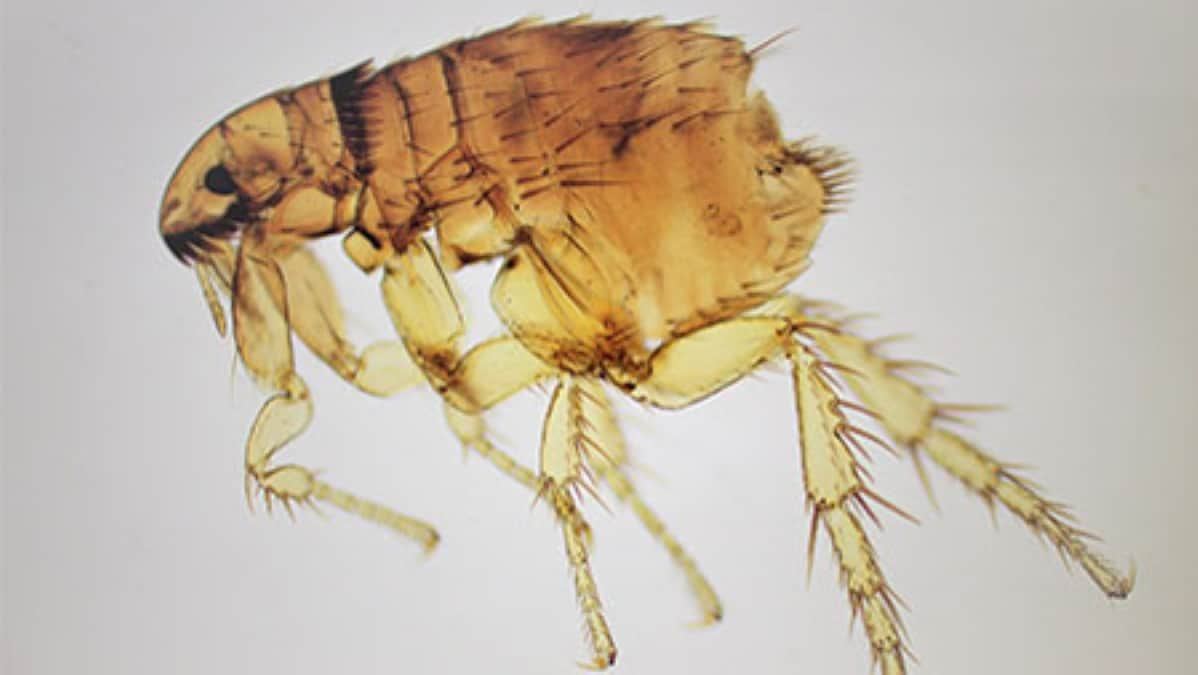
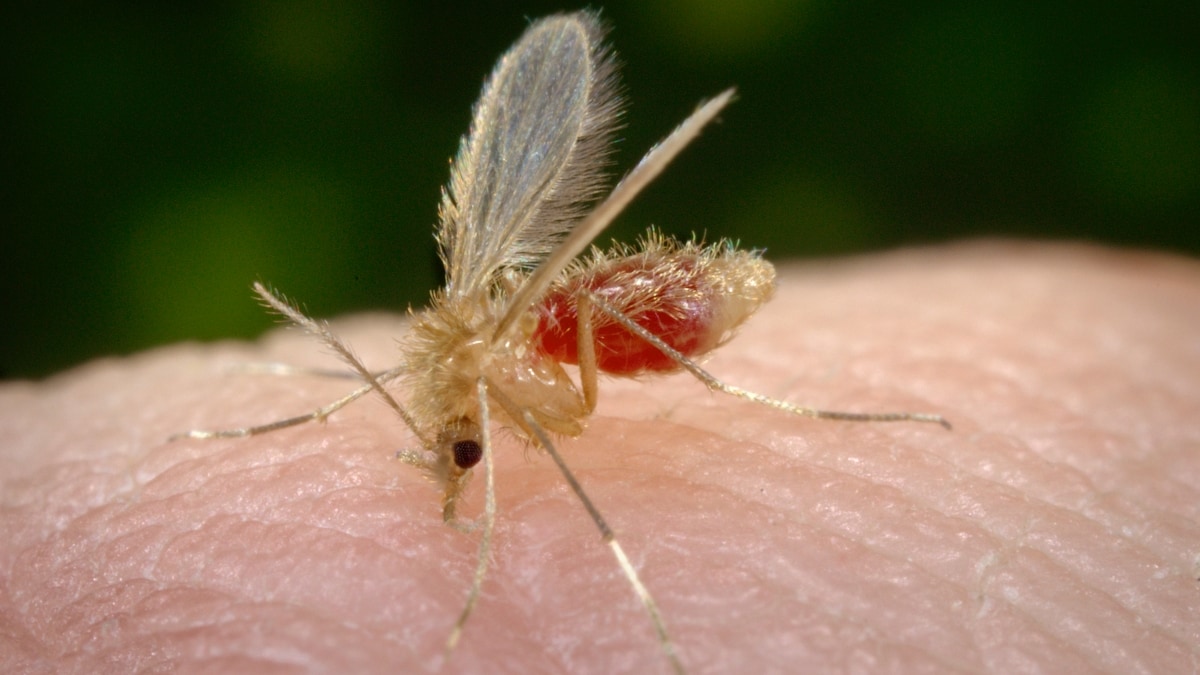
Bartonella bacteria can make people sick with a disease called bartonellosis. Bartonella are mainly spread to people by fleas, body lice, sand flies (known as vectors), or contact with flea-infested animals.
There are more than 20 known species of Bartonella bacteria, but not all of them cause bartonellosis. Three species that cause bartonellosis are Bartonella henselae (causes cat scratch disease), Bartonella quintana, and Bartonella bacilliformis (causes South American bartonellosis).
Types
Three types of Bartonella that cause bartonellosis
| Bacteria | Vector | How it spreads | Where found | People at highest risk |
|---|---|---|---|---|
| Bartonella henselae causes cat scratch disease | Fleas | Spreads to people by the scratch of cats that have been infected by fleas. | Occurs worldwide | People who interact with cats that have fleas |
| Bartonella quintana | Human body lice | Spreads to people through the feces of human body lice. Body lice can spread from person to person by close physical contact or through shared clothing or bedding. | Occurs worldwide | People with body louse infestations; people experiencing homelessness; people living in crowded conditions with limited access to laundry and showers |
| Bartonella bacilliformis causes South American bartonellosis | Sand flies | Spreads to people by bites from infected sand flies. | Occurs in some regions of South America | People living in the Andes mountains |
How it spreads
Each type of Bartonella is spread by a different vector. Vectors of Bartonella include fleas, human body lice, and sand flies.

There is no evidence showing Bartonella are spread to people through tick bites. One laboratory study showed that Bartonella transferred from ticks to animals, but more research is needed to understand if this happens in nature.