



Key points
- Cat scratch disease (CSD) is a bacterial infection caused by Bartonella henselae.
- People usually get CSD after being scratched by domestic or feral cats, especially kittens.
- CSD can occur wherever cats and fleas are found together.
Overview
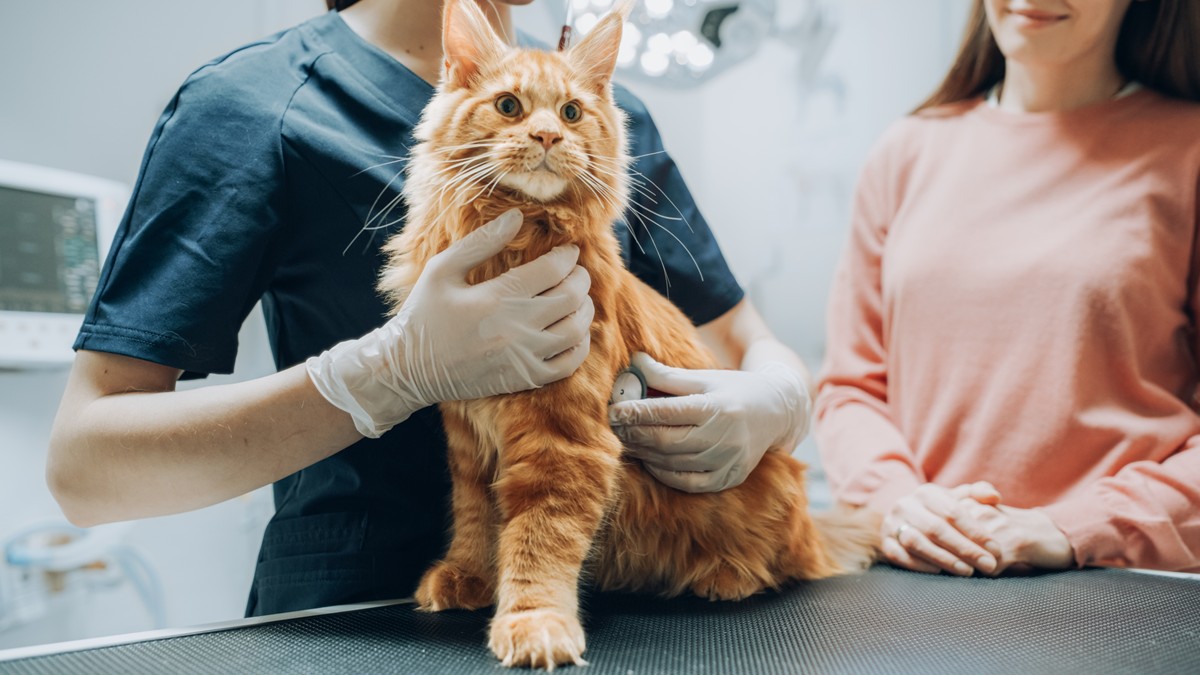
Cat scratch disease is an infection caused by Bartonella henselae bacteria, which can be carried by fleas. People can get infected with B. henselae bacteria and develop CSD when scratched by domestic or feral cats, particularly kittens. Stray cats are more likely than pet cats to be infected with B. henselae. The bacteria can be transmitted from a cat to a person when the scratch is contaminated with flea feces (poop).
Infected cats that bite, or lick a person's open wound, can also spread the bacteria. Some evidence suggests that these bacteria may spread directly to people by the bite of infected cat fleas, but this has not been proven.
CSD is more common among children under the age of 15, though it can affect people of all ages. CSD is more common in the Southeast but occurs throughout the United States. In the United States, most cases of CSD occur in the fall and winter.
About cats and CSD
Cats most commonly become infected with B. henselae through flea bites. They can less commonly become infected during fights with other infected cats or through feline blood transfusions. While some cats become ill, most simply have the bacteria in their blood without getting sick. Some studies have found the Bartonella bacteria in the blood of up to 1 in 3 healthy cats, particularly kittens.
Testing and treating your cat for B. henselae is not recommended, unless your pet is sick.
- For cats that do become sick, the illness usually consists of fever for 2–3 days.
- Symptoms requiring veterinary care include fever lasting more than 3 days, vomiting, lethargy, red eyes, swollen lymph nodes, or decreased appetite.
- Treating pets for B. henselae with antibiotics can take a long time.
Signs and symptoms
People with CSD might have the following symptoms:
- Low-grade fever
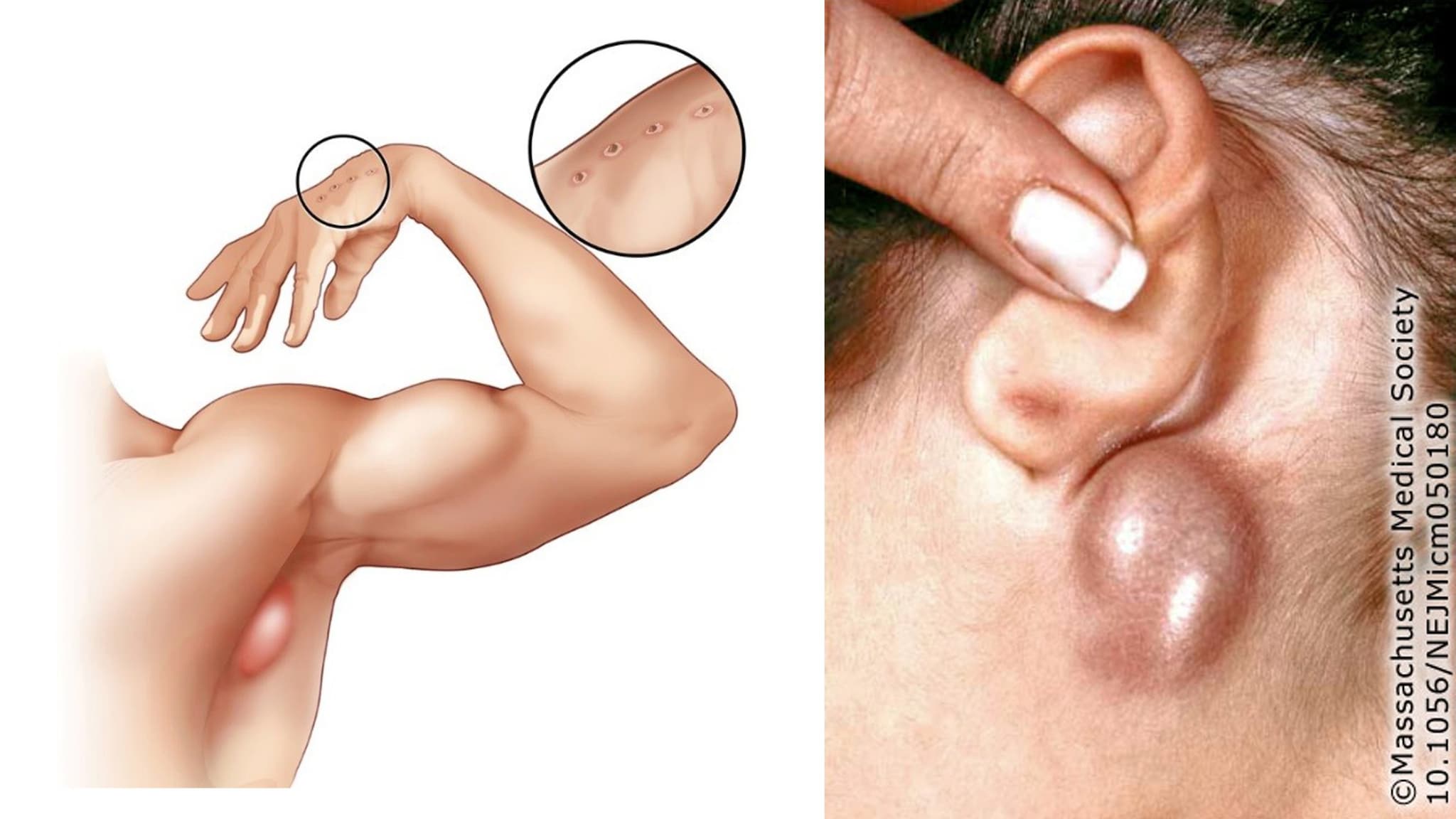
- Enlarged, tender lymph nodes that develop 1–3 weeks after exposure to a cat
- A papule or pustule at the site of the scratch
Rarely, infections of the eye, liver, spleen, brain, bones, or heart valves can occur. Some of these infections occur primarily in people with weakened immune systems, such as those with advanced HIV infection.
As with other Bartonella species, B. henselae can sometimes cause infection of the heart valves, called endocarditis. In many cases, blood cultures are negative (culture-negative endocarditis), which can make the diagnosis more challenging.
Prevention
Most cat scratches do not result in CSD. The following steps can help keep you healthy around cats.
- Avoid cat scratches, bites, and licks, especially from kittens or stray cats. This is especially important for people who have weakened immune systems.
- Wash hands promptly after handling cats.
- Clean scratch wounds with soap and water.
- Talk to your veterinarian about flea prevention products for your cat. Never use products that contain permethrin on cats.
- Keep cats indoors and away from stray cats. People who have weakened immune systems should avoid owning cats less than one-year-old.
CDC does not recommend declawing
For people with weakened immune systems
Most cat scratches do not result in CSD. However, people with weakened immune systems are at higher risk for severe CSD.
- You can still own a cat even if you are living with HIV, are being treated for cancer, or have another condition that might suppress your immune system.
- Keep your cat indoors.
- You do not need to test or treat your cat for B. henselae if it is healthy.
This page was last updated on this date. Updates may include minor edits, image changes, or other modifications to page content.
The information on this page was last reviewed by subject matter experts to ensure accuracy.