



What to know
- Wastewater data help communities act quickly to prevent the spread of infections.
- Data from wastewater can be used with other data to provide a more complete picture of disease spread within a community.
Overview
Wastewater data can provide:
- A community-level perspective on which infectious diseases are circulating locally
- An early warning that infectious diseases may be spreading in a community
- An efficient approach that can detect infection in a community, regardless of whether people have symptoms or seek medical care
- Data for communities where patients aren't always able to get tested for infectious diseases
Why wastewater monitoring is valuable
Health departments, healthcare providers, community leaders, and individuals can use wastewater data to make decisions about how best to protect themselves and their communities.
Wastewater monitoring:
- Complements other public health surveillance dataWastewater data are most useful when used with other surveillance data. When reviewed together, wastewater and other data can provide a more complete picture of disease spread within a community. These data help health officials make informed decisions about how to best respond to prevent disease spread.
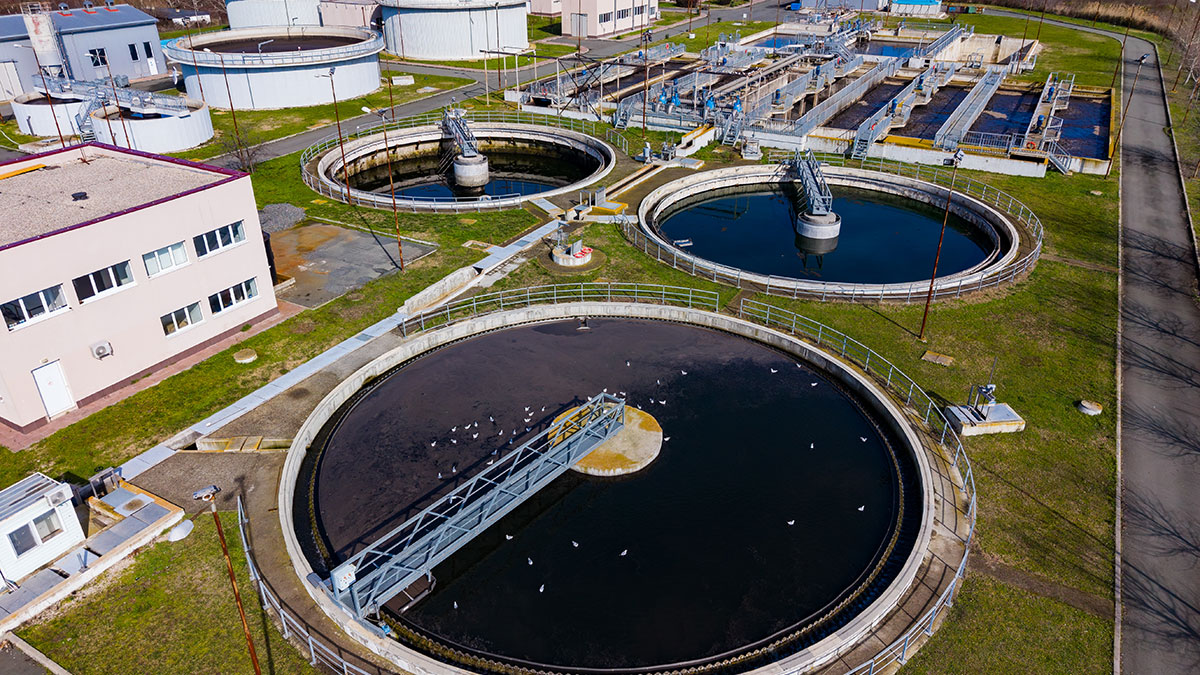
- Is fast and efficientFrom toilet flush to results only takes about 5 to 7 days. Wastewater monitoring from a single treatment plant can provide information on community-level disease trends for hundreds, thousands, and even millions of people.
- Provides early detectionWastewater monitoring can signal that viruses might be spreading within a community, even before individuals go to their doctor or hospital. This early signal can be used to prepare healthcare providers and hospital systems for upcoming increases in visits and hospitalizations. These data can also inform efforts to prevent further infections.
- Tracks infection trendsWastewater data can be used to track infection trends at the community, state, regional, and national levels. More data over time can give health departments better, more reliable insights into trends that are happening in their community.
- Can be used to track changes in health threatsBy studying the genetic material of viruses, pathogen genomics can identify when there are important changes to these viruses, where these changes are found, and how common they are.
- Can be used to track emerging health threatsWastewater monitoring can meet changing public health needs because it can be rapidly adapted to track emerging health threats. CDC is working to better understand how wastewater monitoring can also be used to detect and respond to future infectious disease threats.
- Complements data from medical systemsWastewater monitoring can detect infections in a community whether or not people have symptoms. Unlike other types of public health reporting, wastewater monitoring does not depend on people having access to healthcare, visiting a doctor when sick, or availability of testing for an infection.
Limitations
Wastewater data may over-represent certain populations within a state or territory. For example, most jurisdictions report data from municipal sewer system samples and may have limited inclusion of populations that rely on other non-sewered sanitation systems (e.g. septic tanks). Data may also over-represent urban and suburban populations because of wastewater utility locations and the associated sewershed. As a result, these data may not accurately depict the full picture of viral activity for the entire state or territory.
The number of infections in a community should not be determined from wastewater at this time. To accurately calculate these estimates, more data are needed to understand how much virus is shed from the body over the course of infection, and how that is impacted by disease severity, different strains of a virus, and other factors.
Specific wastewater data limitations for each pathogen are available in the data footnotes or About the Data sections:
This page was last updated on this date. Updates may include minor edits, image changes, or other modifications to page content.
The information on this page was last reviewed by subject matter experts to ensure accuracy.