



At a glance
- Typhus fevers are a group of diseases caused by bacteria that are spread to humans by fleas, lice, and chiggers.
- Typhus fevers include flea-borne (murine) typhus, epidemic typhus, and scrub typhus.
- Fleas spread flea-borne typhus, body lice spread epidemic typhus, and chiggers spread scrub typhus.
- The most common symptoms are fever, headaches, and sometimes rash.

Overview
Flea-borne typhus: People become infected with Rickettsia typhi when they come into contact with infected flea feces via scratched or abraded skin. Flea-borne typhus is also called murine typhus or endemic typhus.
Epidemic typhus: People become infected with Rickettsia prowazekii when they come into contact with the feces or crushed bodies of infected lice via cut or injured skin.
Scrub typhus: People become infected with Orientia tsutsugamushi through bites from infected larval trombiculid mites, commonly known as chiggers.
Resources
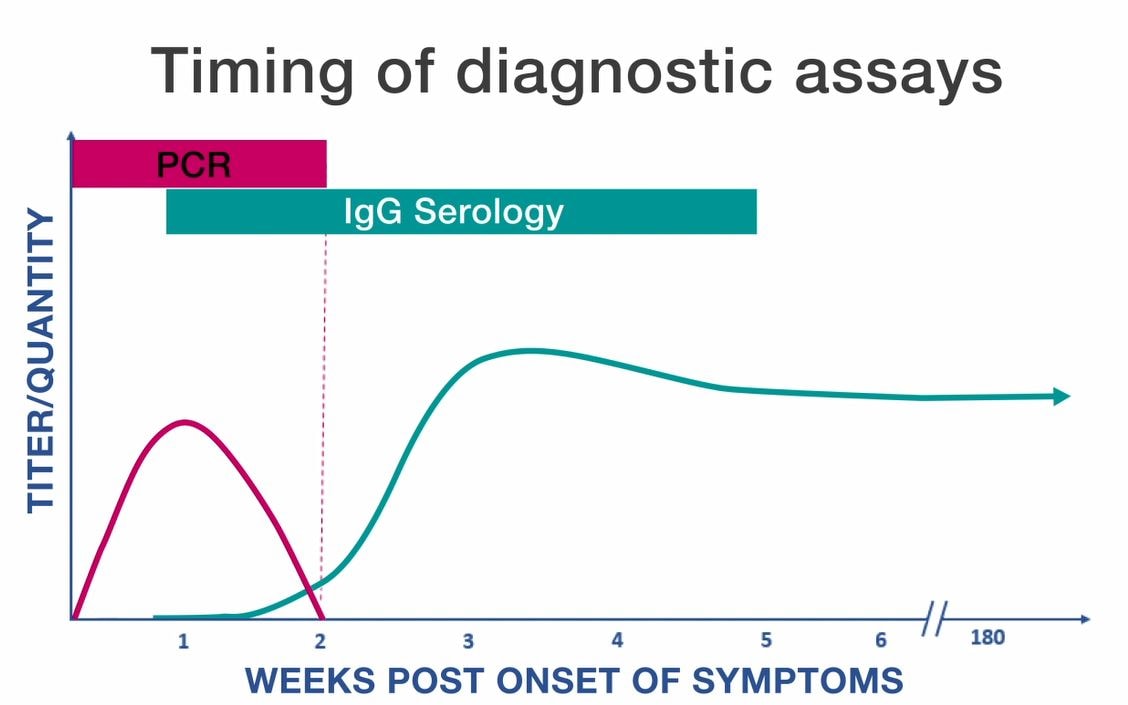
Rickettsial Disease Diagnostic Testing and Interpretation for Healthcare Providers
This video provides information on rickettsial disease diagnostic methods for healthcare providers, including what tests are available and when it is most appropriate to collect samples. This video focuses on the use of polymerase chain reaction (or PCR) tests, and the indirect fluorescent antibody (IFA) assay for rickettsial disease diagnosis.
Access the Rickettsial Disease Diagnostic Testing and Interpretation factsheet.