



At a glance
Tobacco use is driven by nicotine addiction and remains a leading cause of preventable disease, disability, and death. In work settings, tobacco use and exposure are important safety and health issues. Smoke-free and tobacco-free workplaces help to protect workers.
Tobacco smoking and working adults

Smoking and other tobacco use are preventable workplace health concerns. Workers who use tobacco are directly exposed to harmful chemicals. Secondhand exposure of co-workers can also occur from smoke from combustible tobacco products such as cigarettes or emissions from e-cigarettes. Depending on the work setting, using cigarettes and e-cigarettes can be a fire or explosion risk. Also, smoking when around certain chemicals and infectious materials can cause them to enter the nose or mouth.
Worker tobacco use varies between jobs, worksites, and worker populations. This is due to differences in workplace culture, job demands, stressors, and state laws. Some workers report barriers to quitting, such as limited time, limited access to tobacco cessation services, or lack of support.
Why this matters at work
- Tobacco smoke contains harmful substances.
- Tobacco use can contribute to chronic health problems and worsen existing conditions.
- Tobacco use and exposure can increase injury and illness risk in some settings.
Electronic vaping products

Electronic vaping products deliver nicotine and other substances as an aerosol. Using these products can create workplace concerns related to:
- Nicotine dependence
- Exposure to aerosols for people nearby
- Safety risks in certain environments such as where flammable materials are present or areas of strict contamination control
Workplaces can address vaping the same way as other tobacco products - through clear policies, education, and access to help for quitting. See workplace recommendations below.
Secondhand smoke
Secondhand smoke comes from a burning tobacco product and from smoke exhaled by someone who is smoking. It can be harmful to people who do not smoke.
Workplace smoke-free policies can reduce exposure. The most effective protection is to prohibit smoking in workplaces.
Smokeless tobacco

Smokeless tobacco includes products such as chewing tobacco, dip, snuff, and snus. Some people may think these products are safer than smoking tobacco because they are not smoked. However, smokeless tobacco still contains nicotine and other harmful chemicals.
Smokeless tobacco use is associated with serious health effects including:
- Cancers of the mouth and throat
- Gum disease and tooth decay
- Increased risk of heart disease and stroke
Workplace strategies
Employers
Employers can help protect workers and support quitting by taking these actions:
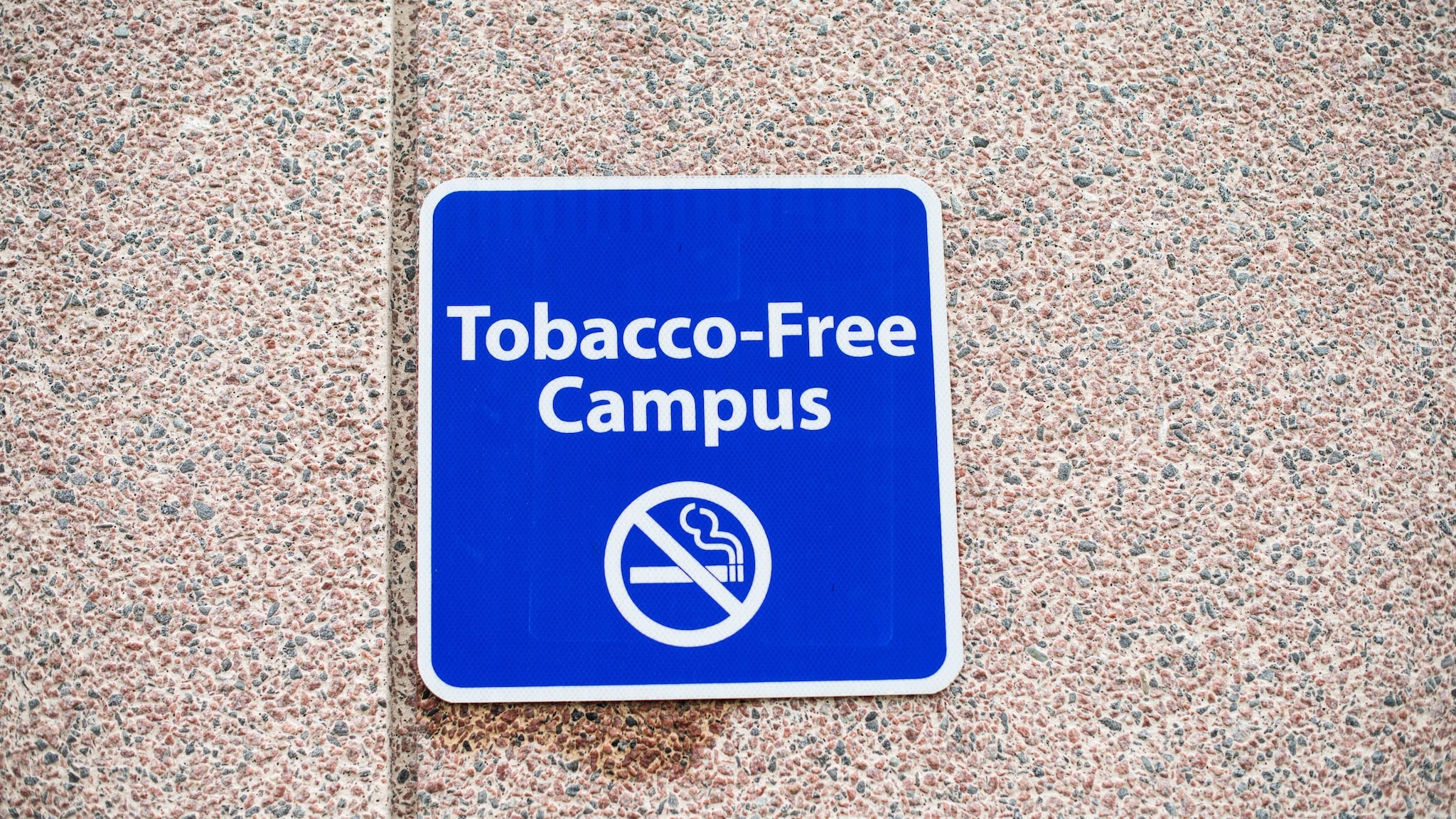
Create and maintain tobacco-free and smoke-free worksites
- Include entrances, ventilation intakes, and work vehicles as appropriate.
- Communicate policies consistently and enforce them fairly.
Pair policies with support
- Offer or promote evidence-based cessation resources (counseling and approved medications).
- Post easy to find information, include resources in onboarding, and share guidance regularly.
Educate and communicate
- Provide practical information on health risks, benefits of quitting, and available support.
- Train supervisors on how to reinforce policies and refer workers to quitting resources.
Follow applicable regulations
- Comply with relevant occupational safety, mining, and workplace health requirements.
- Coordinate policies with building management, contractors, and visitors.
Workers
Workers who use tobacco products can take the following actions:
- Follow workplace tobacco policies.
- Ask about available cessation programs through employer benefits
- Consider quitting and seek help to successfully do so. Quitting is beneficial at any age.
Further information can be found in the NIOSH Current Intelligence Bulletin 67, Promoting Health and Preventing Disease and Injury Through Workplace Tobacco Policies.
Laws and policies
Tobacco-related laws and workplace requirements vary by state, territory, tribe, and locality. Many jurisdictions restrict smoking in indoor workplaces and public spaces. Employers may choose to adopt policies that go beyond minimum legal requirements to better protect the health of their workers.
The State Tobacco Activities Tracking and Evaluation (STATE) System website provides more information.