



About
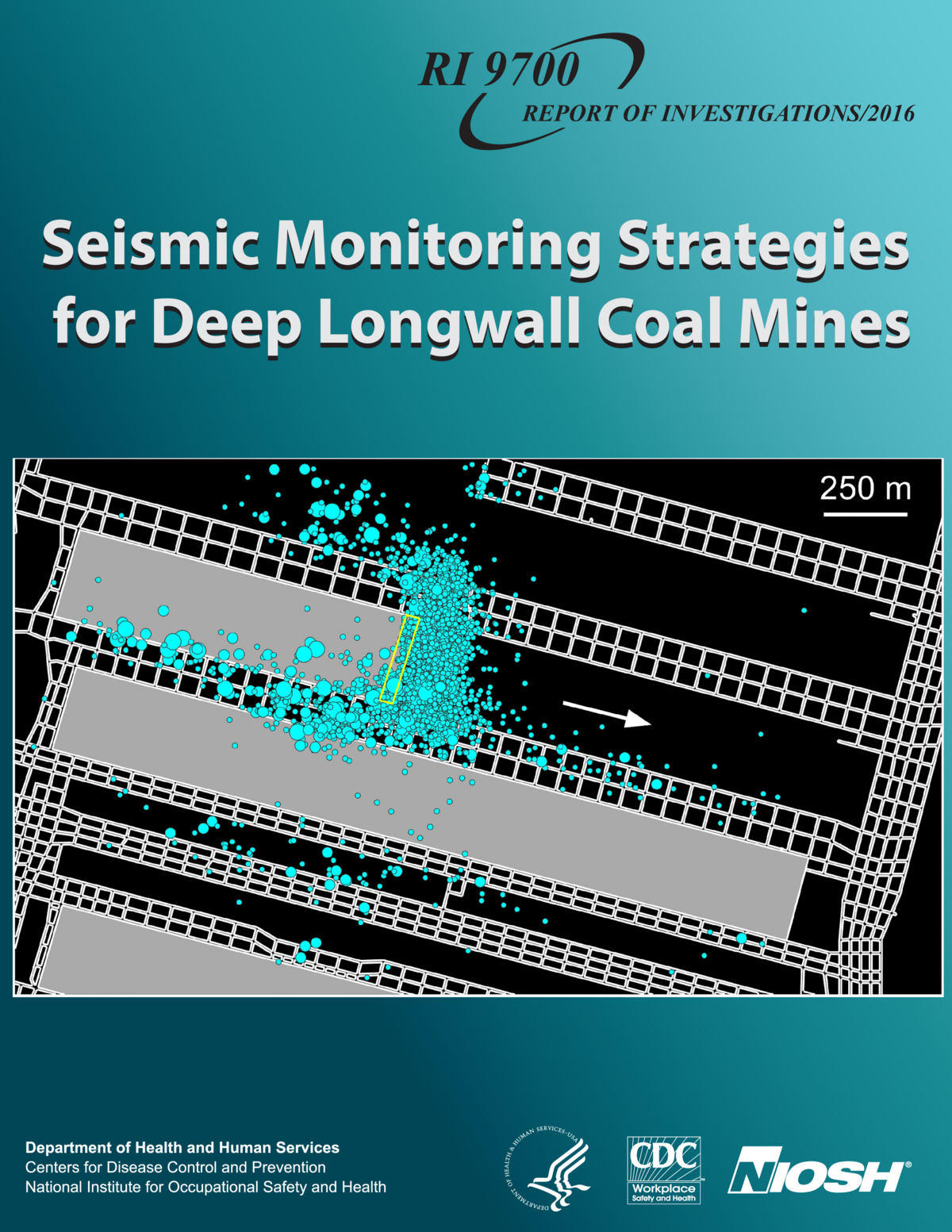
This report presents five strategies for detecting and recording seismic activity associated with deep longwall coal mining: Single station monitoring, augmentation of an existing regional seismic network, temporary network deployment, implementation of a mine-wide or district-wide network, and installation of a dense microseismic network. These strategies take into consideration: (1) the variety of potential objectives for seismic monitoring, (2) the notable contrast of coal mining environments with conditions in hardrock mines, where these techniques were originally developed, (3) the enormous range in magnitude and physical size of seismic events, and (4) the significant variation in expense and complexity of the different approaches. The strategies range from simple and inexpensive methods that can be implemented on the surface by a mining engineer to complex and expensive endeavors requiring involvement by underground mine personnel and monitoring-system suppliers. This report provides example monitoring results from deep longwall coal mines, and describes the capabilities and limitations of each of the five suggested approaches.
Suggested citation
NIOSH [2016]. Seismic monitoring strategies for deep longwall coal mines. By Swanson P, Boltz MS, and Chambers D. Spokane WA: U.S. Department of Health and Human Services, Centers for Disease Control and Prevention, National Institute for Occupational Safety and Health, DHHS (NIOSH) Publication No. 2017-102, RI 9700.
This page was last updated on this date. Updates may include minor edits, image changes, or other modifications to page content.
The information on this page was last reviewed by subject matter experts to ensure accuracy.