



About
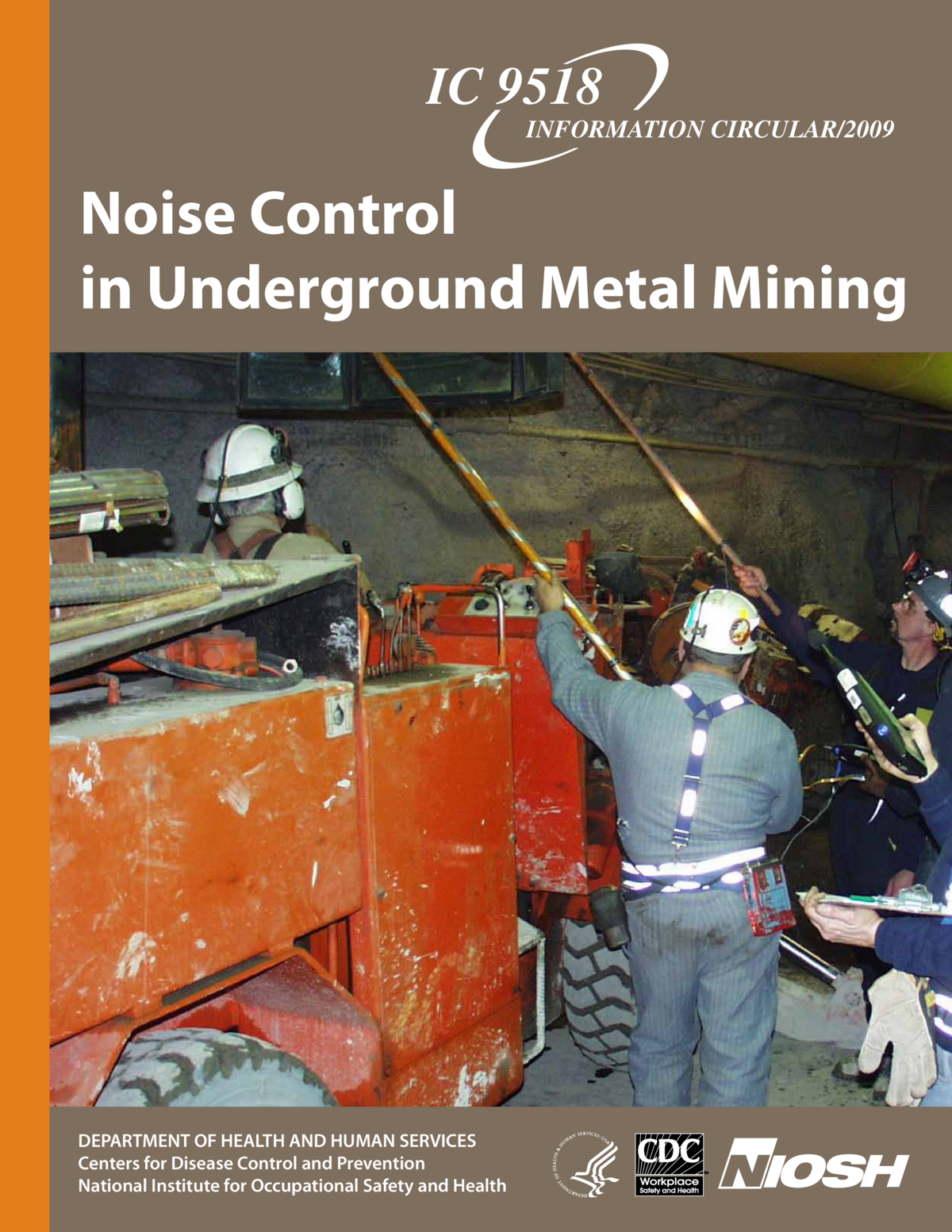
Noise-induced hearing loss (NIHL) is the most common occupational illness in the United States, with 30 million workers exposed to excessive noise levels every day. Of particular concern is the mining industry; which has the highest prevalence of hazardous noise exposure of any major industry sector and is second only to the railroad industry in prevalence of workers reporting hearing difficulty. This document is for operators, safety personnel, and mechanics in the mining industry who are not specialists in noise control engineering or acoustics. Evaluations of successful and unsuccessful attempts at controlling noise on several large, underground metal mining machines are detailed to illustrate the basic principles of noise control. Once personnel understand the guidelines and principles of noise control, they will be able to (1) evaluate the extent of a noise problem; (2) determine the best approach to the problem; and (3) apply the most appropriate solution.
Suggested citation
NIOSH [2010]. Noise control in underground metal mining. By Reeves ER, Randolph RF, Yantek DS, Peterson JS. Pittsburgh, PA: U.S. Department of Health and Human Services, Centers for Disease Control and Prevention, National Institute for Occupational Safety and Health, DHHS (NIOSH) Publication No. 2010-111.
This page was last updated on this date. Updates may include minor edits, image changes, or other modifications to page content.
The information on this page was last reviewed by subject matter experts to ensure accuracy.