


What to know
- Abandoned or condemned structures can pose hazards to firefighters and communities.
- Building issues can be effectively addressed through partnerships using a High-Risk Building Management Program.
Summary
Building strategic partnerships can create solutions to large community safety issues
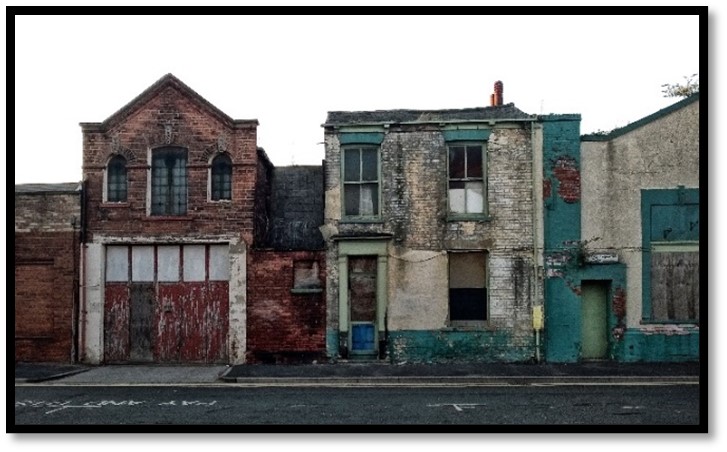
High-risk buildings can be abandoned or condemned structures. These buildings pose hazards to firefighters and communities. This is because many are structurally unsound and not safe for any person to enter. These buildings are commonly a key contributing factor to firefighter line of duty deaths, noted in NIOSH firefighter fatality investigations. National Fire Protection Association statistics show that more firefighters are injured while working at fires involving abandoned properties than in any other type of property.1 Traditionally, managing this risk would involve not entering the building. However, firefighters may have to enter these buildings to search for victims. While removing these buildings would address the hazard, many fire departments lack the resources and legal authority to take this step themselves. Instead, the best solution to this problem is a High-Risk Building Management Program.
Challenges
The challenges fire departments face when managing the hazards of high-risk buildings relate to four main categories:
- Cost: securing funds outside of the fire department to carry out the solution. This includes paying for materials, staffing, and calling in experts.
- Resources: developing, locating, and using resources needed to remove, reduce, or manage the hazards. This includes time, staff, and material.
- Legal: working within codes, ordinances, and regulations that may impact the issue.
- Expertise: engaging subject matter experts outside the fire department to address the issue.
Partnerships
Fire departments have found solutions to these challenges through partnerships with local authorities and agencies. Working together through research, planning, and leadership can create solutions. Effective solutions can determine the success of a partnership. Some things that may be needed to develop and support strong partnerships are:
- Finding the right partners to work together on solutions
- Committing to and understanding the benefits of partnership
- Developing clear plans with goals
- Identifying and preparing for potential challenges
- Assigning roles and responsibilities
- Communicating clearly with partners
- Tracking progress and outcomes
The tables below show how carrying out a High-Risk Building Management Program needs partnerships to reach effective solutions:
High-Risk Building Management Program
Partners may have different goals or objectives. However, different goals and objectives can align to successfully address safety issues within a community. Local businesses and local legal authorities can contribute to marking and securing buildings that cannot be demolished. Fire departments can work with city code inspectors or local property authorities to determine buildings that need to be condemned. Local businesses can alert city code inspectors or local property authorities about abandoned buildings. Fire departments can work with city or state officials to secure grant funding.
Partnerships can produce solutions that are more manageable, sustainable, and complete. When addressing challenging community issues, organizations must be willing to consider all potential options. The best solutions can come from organizations working together with a long-term goal of creating safer communities for everyone.
- IAAI [2018]. IAAI Field Manual Evaluation of Vacant and Abandoned Properties. Bridgeton, MO: The International Association of Arson Investigators, Inc.