



Key points
- La Crosse virus infection can result in febrile illness or neurologic disease, including meningitis or encephalitis.
- If you think you or a family member might have La Crosse, talk to your healthcare provider.
- There is no specific treatment for La Crosse.
- Rest, fluids, and pain medications may relieve symptoms.
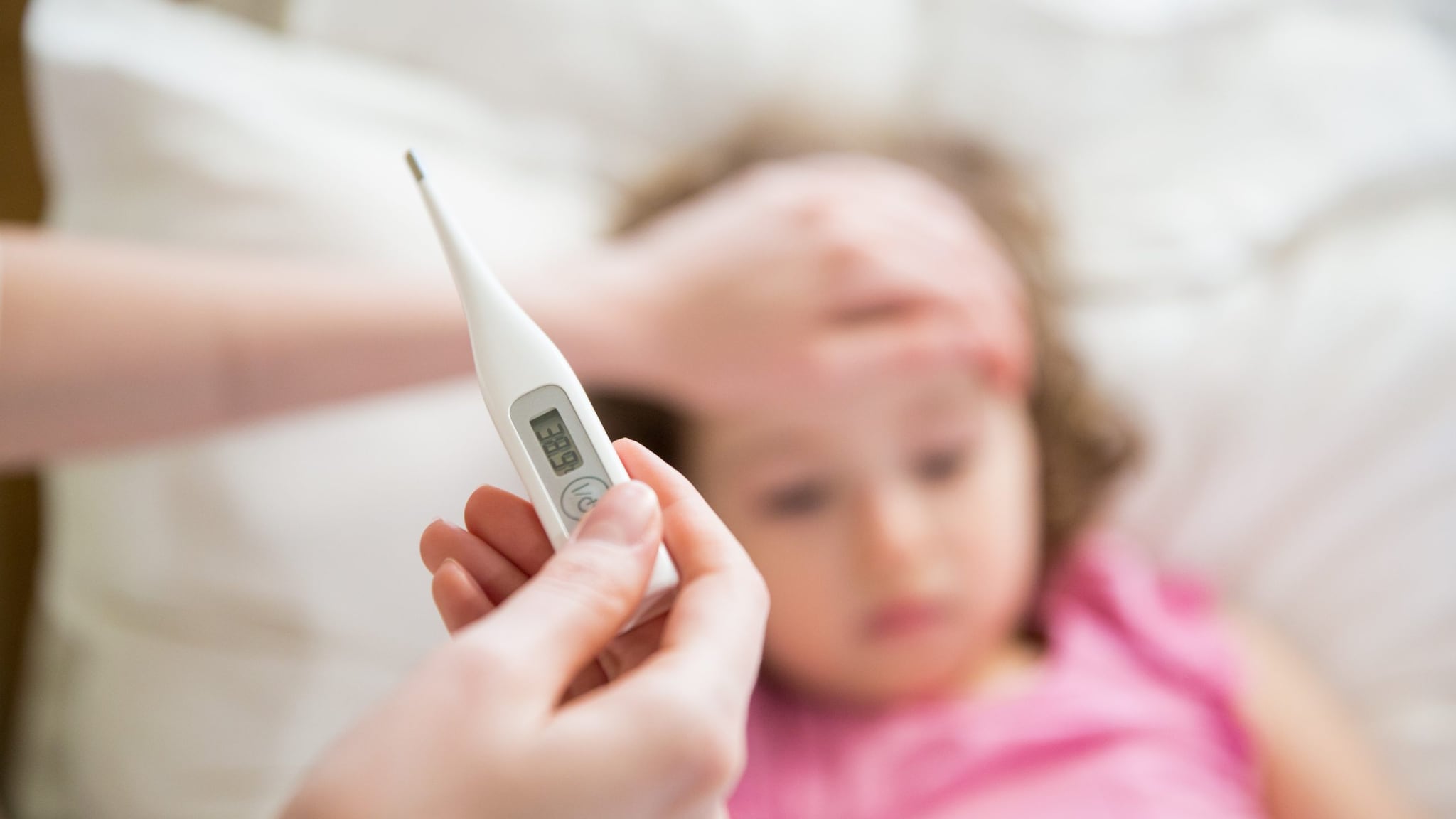
Symptoms
Most people infected with La Crosse virus do not have symptoms. For people with symptoms, the time from infected mosquito bite to feeling sick (incubation period) ranges from 5 to 15 days.
- Initial symptoms can include fever (usually lasting 2-3 days), headache, nausea, vomiting, fatigue (tiredness), and lethargy (reduced activity or alertness).
- La Crosse virus can cause severe disease, such as inflammation of the brain (encephalitis).
- Symptoms of severe disease include high fever, headache, neck stiffness, stupor, disorientation, coma, seizures, muscle weakness, vision loss, numbness, and paralysis.
- Severe disease occurs most frequently in children under the age of 16 years.
- Recovery time from severe illness varies and some effects can persist over time. These can include recurrent seizures and thinking or behavioral problems.
- Most patients recover though death does occur rarely (<1%).

Diagnosis
If you think you or a family member might have La Crosse, talk to your healthcare provider.
- Healthcare providers diagnose La Crosse based on:
- Signs and symptoms
- History of living in or traveling to an area where La Crosse virus is known to circulate
- History of possible exposure to the mosquitoes that can spread La Crosse virus
- Laboratory testing
- Your healthcare provider can order tests to look for La Crosse virus or other infections that cause similar symptoms.
For Health Care Providers
Clinical Testing and Diagnosis for La Crosse Virus Disease
Treatment
- There are no vaccines to prevent or medicines to treat La Crosse. Antibiotics do not treat viruses.
- Rest, fluids, and over-the-counter pain medications may relieve some symptoms.
- Patients with severe disease often need to be hospitalized to receive support for breathing, staying hydrated, or reducing swelling in the brain.
To learn more about treatment, visit our Healthcare Providers page.