Key points
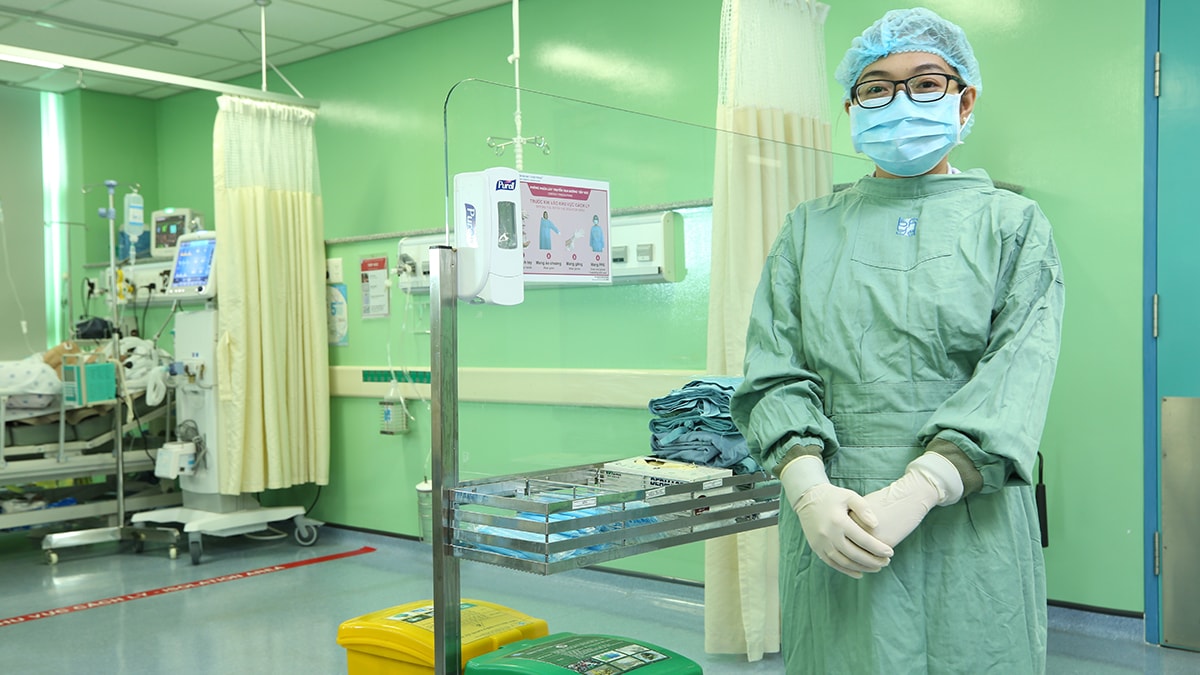
- CDC hosted a multidisciplinary workshop to help hospital teams in Southeast Asia slow the spread of carbapenem-resistant organisms (CROs), an urgent antimicrobial resistance threat.
- After the workshop, participants reported improved staff coordination and practices to combat CROs in their facilities.
- Training like this helps build resilient healthcare systems with effective preparedness and response capabilities, reducing the risk of dangerous health threats spreading across borders.
Regional workshop builds AR defenses

Carbapenem-resistant organisms (CROs) can cause difficult- or impossible-to-treat infections that are resistant to nearly all available antibiotics, threatening patient safety and resulting in substantial illness and death.
Southeast Asia is among the global regions with the highest CRO burden. In 2021, between 8,300 to 21,800 deaths in the region were attributable to CROs.[[1]]
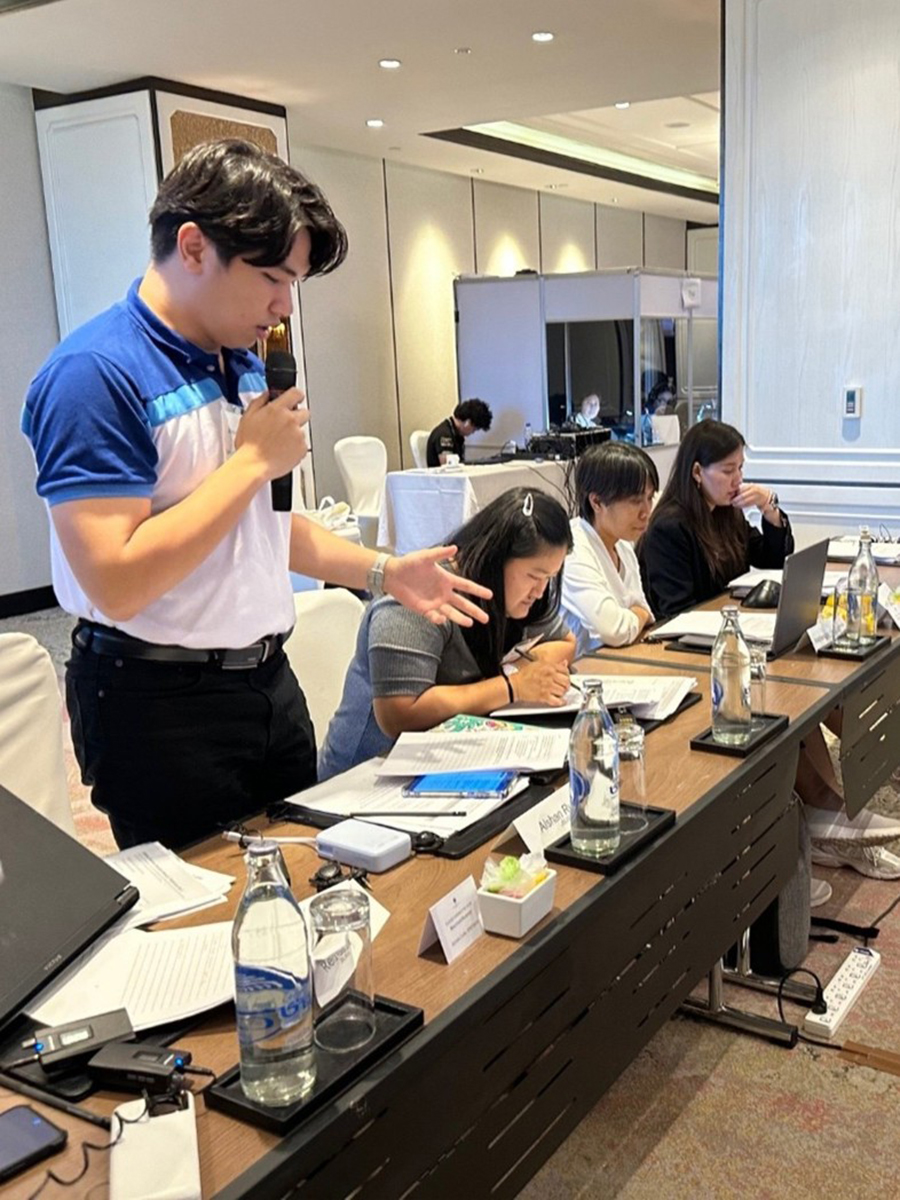
To help address this challenge, CDC hosted a regional workshop in Bangkok, Thailand in December 2024 to improve the capability of multidisciplinary hospital teams to combat CROs through clinical treatment, infection prevention and control (IPC) practices, and antibiotic stewardship actions.
The workshop used a multimodal learning design that included lectures, panel discussions, multidisciplinary case-based discussions, practical tabletop exercises, and interactive time for participants to work on protocols.
Strengthening multidisciplinary hospital teams
The workshop brought together 64 participants, including physicians, infection preventionists, pharmacists, and microbiologists from 16 hospitals across five Southeast Asian countries: Brunei Darussalam, Cambodia, the Philippines, Thailand, and Vietnam.
Engaging staff from various roles provided an opportunity to share knowledge across hospital teams, improve communication critical to combating CROs, and empower team members to implement best practices aligned with their role.
A series of country-specific virtual sessions followed the workshop, creating a community of practice among hospital teams while featuring insights from regional and international experts.
Improved practices to combat CROs
A survey completed six months after the workshop revealed the benefits of this training opportunity. Of 24 survey respondents:
- 96% felt better prepared to combat CROs in their hospital
- 100% cited improved coordination among IPC, laboratory, and medical staff at their hospital, a key component for early detection of and response to CROs
- 92% reported using new knowledge from the workshop to implement routine practices to combat CROs in their hospital
The respondents also indicated that they shared their new knowledge with colleagues or hospital leaders who did not attend the workshop, strengthening the skills of the broader healthcare workforce across the region.
More resilient healthcare systems
Practical, multidisciplinary trainings are vital in the global fight against antimicrobial resistance. Empowering countries to detect CROs and prevent their spread helps build a safer, more resilient global healthcare system and reduces the risk of infectious disease threats spreading across borders.
Learn more about how CDC keeps Americans safe by combating AR globally.