Key points
- In Georgia and Kazakhstan, CDC is collaborating with local partners to develop a regional IPC training course, providing a pathway for healthcare workers to gain IPC expertise.
- Forty participants completed the course's foundational level and are now applying their learning to combat infectious disease threats, including antimicrobial-resistant infections, in the healthcare facilities where they work.
- This collaboration supports safer health care and reduces the risk of dangerous health threats spreading within a country and across borders.

A path to safer health care
Infectious diseases, including antimicrobial-resistant threats, can spread quickly in healthcare settings, which can lead to outbreaks in communities and across international borders. Antimicrobial resistance (AR) is an urgent global public health threat, with over 1.1 million deaths worldwide from bacterial AR in 2021.[[1]]
Healthcare workers trained in infection prevention and control (IPC) reduce the spread of these threats and improve patient and healthcare worker safety. However, there are limited IPC training opportunities for healthcare workers globally.
To fill this gap in Eastern Europe and Central Asia, CDC is collaborating with local hospitals and health experts in Georgia and Kazakhstan to develop a three-level regional IPC training course with a straightforward goal: to help healthcare workers detect, prevent, and respond to infections in hospitals.
Strengthening healthcare systems
In August 2025, CDC and partners launched the foundational level IPC training course for hospital epidemiologists, hospital leadership, and other healthcare workers supporting IPC.
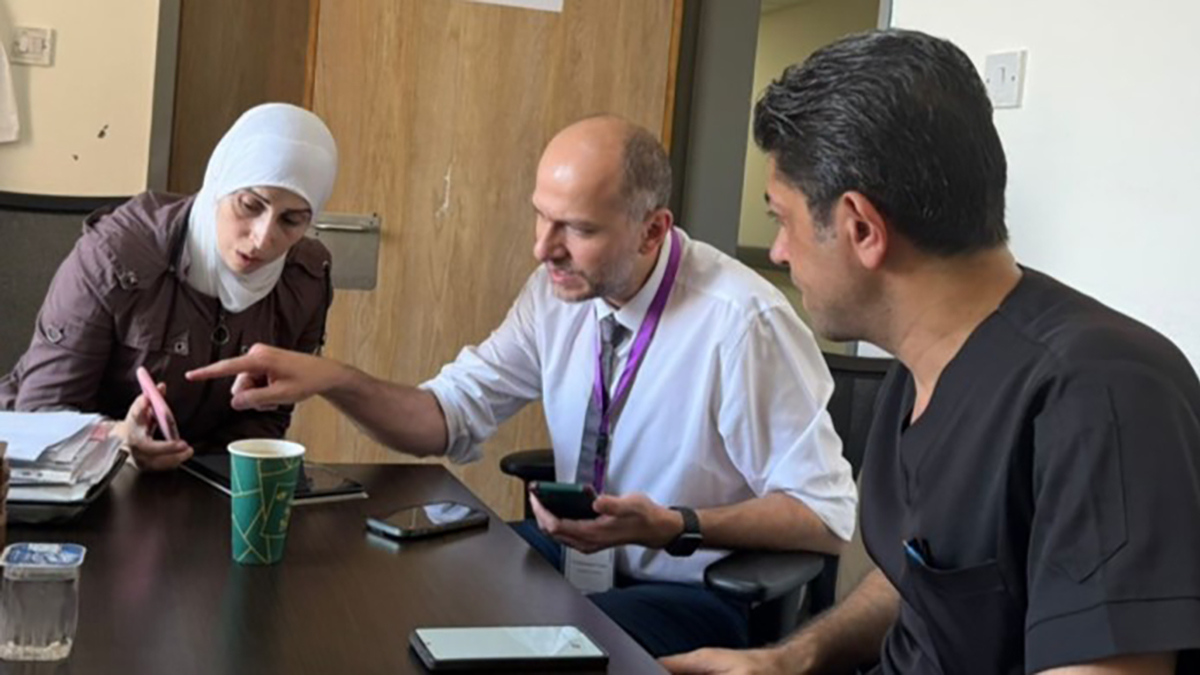
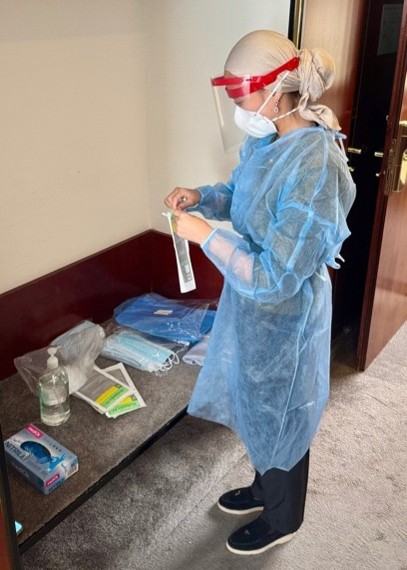
The course included hands-on activities that taught participants practical steps to detect, prevent, and respond to healthcare-associated infections and combat AR — such as applying Standard and Transmission-based Precautions, improving hand hygiene and environmental cleaning practices, ensuring healthcare worker safety, and strengthening IPC programs in health care based on global standards.
The training also included an applied mentorship model that allowed participants to put their learning into practice inside their healthcare facilities with support from local experts.

Impact
Forty participants from 18 hospitals completed the IPC course and are now strengthening their facilities' ability to detect, prevent, and respond to infectious disease threats.
In course evaluations, participants noted the benefit of applying their learning to real IPC challenges in their hospitals. They emphasized that learning alongside peers from multiple hospitals was extremely valuable because it allowed teams to share real challenges and practical solutions.
- Program participant
Sustaining progress through partnerships
In 2026, CDC and partners will launch an intermediate IPC course in Georgia for those who completed the foundational course, helping deepen their understanding of IPC for more effective, practical use. Feedback from the initial courses in Georgia and Kazakhstan is being incorporated into the foundational course materials, which CDC aims to make publicly available for broader global use.
These efforts strengthen the healthcare workforce's ability to detect and combat infectious disease threats, reducing their spread nationally and internationally. Working together, CDC and partner countries are helping stop infectious threats at their source — making communities overseas healthier and the United States safer.