



Key points
- People eat in a variety of places—–home, work, restaurants, maybe even the car.
- With planning, you can choose healthy options in any setting.
- See tips for making nutritious choices.
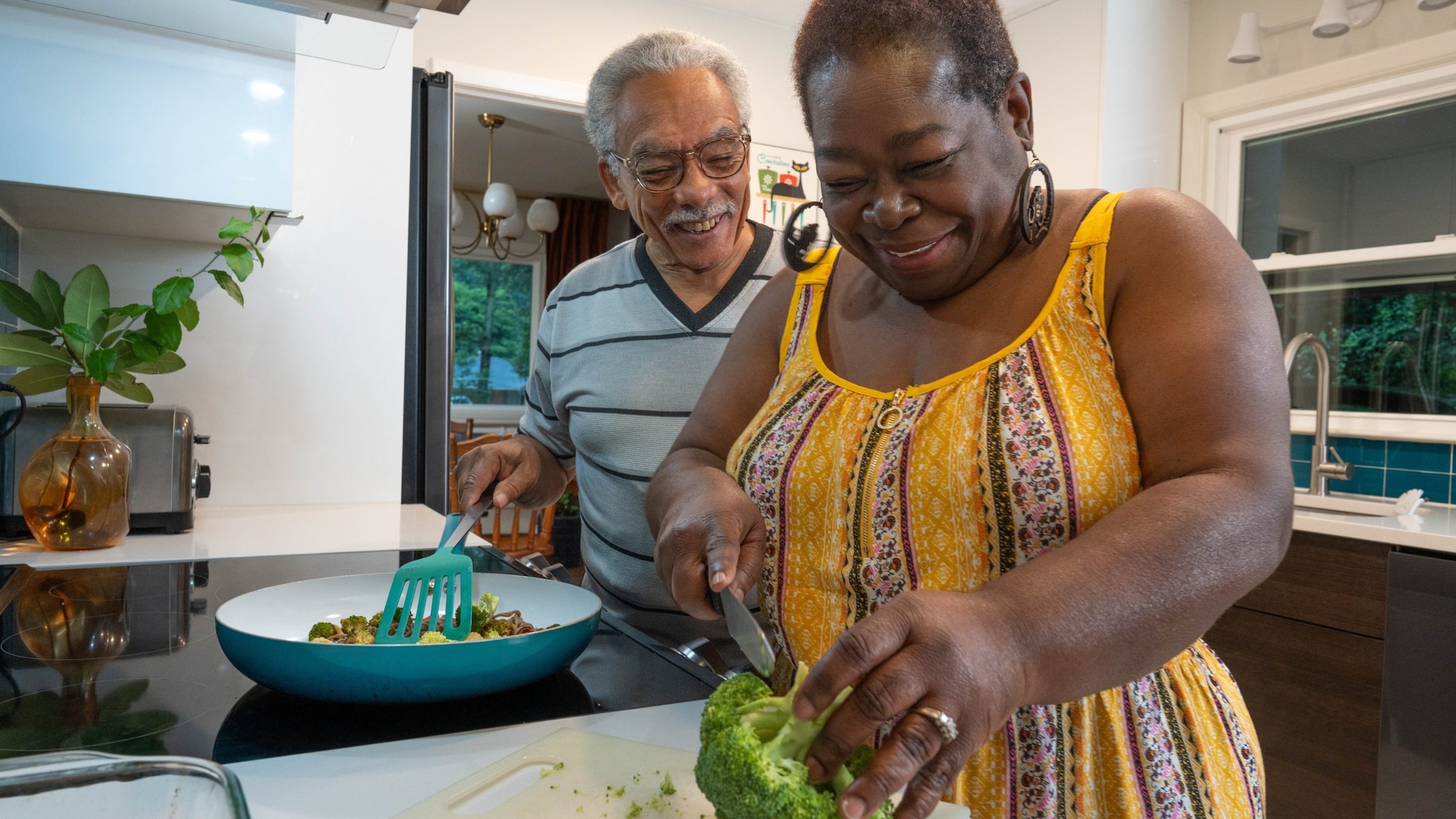
At home
Planning meals to prepare at home is a good way to improve your food choices. Planning can also help you avoid less healthy drive-thru meals.
- Prioritize protein foods at every meal. Eat a variety of protein foods including meat, poultry, seafood, eggs, beans, peas, lentils, legumes, nuts, seeds, and soy.
- Eat dairy foods with no added sugars.
- Eat a variety of vegetables and fruits in their original form. Frozen, dried, or canned vegetables and fruits with no added sugar and low sodium are also good options.
- Include healthy fats with essential fatty acids, such as olive oil.
- Prioritize fiber-rich whole grains.
- Limit the amounts of saturated fat, highly processed foods, and added sugars that you eat.
In addition to what you eat, how much you eat also matters to your health. When you eat, pay attention to portion size. This includes the portion of condiments.
Additionally, serving food on individual plates instead of putting serving dishes on the table may discourage second and third helpings.
Over time, you will figure out what nutrient-dense foods you like. As you learn this, it will become easier to make healthy meals at home.
In restaurants
Before you go to a restaurant, look at the restaurant menu online. Identify healthy choices ahead of time rather than trying to choose at the restaurant.
Many restaurants serve more food than one person needs at one meal. Consider splitting an entrée with a friend. Or ask for a "to-go" box and set aside half your meal as soon as it arrives at the table.
For snacks
Stock up on nutritious snacks at home or work so you have a healthy option to choose when you are hungry between meals.
Consider:
- Washed and chopped celery, carrots, and cucumbers.
- Canned fruit without added sugars.
- Proteins, such as nuts and seeds.
- Yogurt without added sugars.
- Whole-grain crackers and breads.
To avoid consuming too much of a less healthy snack, do not eat straight from the package. Instead, put the amount of food that you plan to eat into a bowl or container. Also, store less healthy foods out of sight, such as on a high shelf or at the back of the freezer. Move the healthier food to the front at eye level.
Resources
Dietary Guidelines for Americans detail real food recommendations for healthy eating.
Daily Servings by Calorie Level lists recommended serving sizes of nutrient-dense foods according to daily calorie intake.
USDA Dietary Reference Intakes (DRI) Calculator provides personalized nutrient recommendations based on individual information.