



At a glance
- Botswana has long battled one of the highest HIV rates in the world, posing a challenge to global efforts to end HIV.
- After decades of collaboration with CDC, Botswana has reached a historic milestone: achieving "Gold Tier" status in eliminating mother-to-child transmission of HIV.
- The effects of this work extend beyond HIV, as Botswana now has a robust and resilient public health workforce and infrastructure, positioned to address other health emergencies that could threaten the U.S., providing frontline treatment and prevention services.
Background
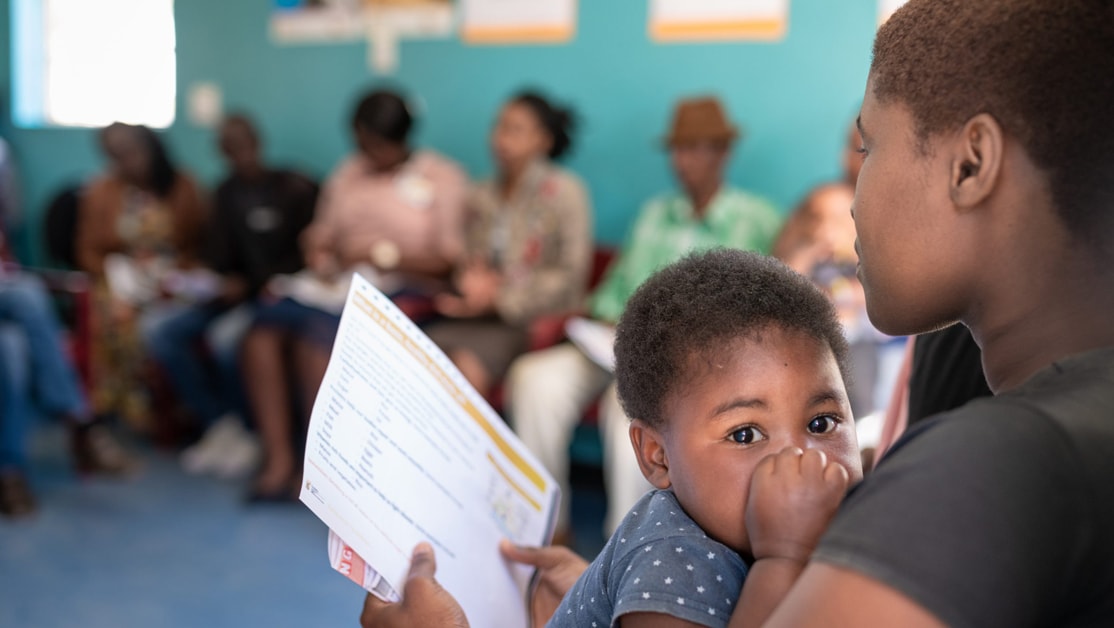
In a groundbreaking achievement, Botswana became the first country in the world to be certified for attaining "Gold Tier" status in the elimination of mother-to-child transmission (MTCT) of HIV. To reach this status, a country must maintain very low MTCT rates, ensure broad access to testing and treatment for pregnant women, and demonstrate that these results can be sustained over time.
- Dr. Stephen Modise, Botswana's Minister of Health
A long battle against one of the world’s highest HIV burdens
Botswana has historically faced one of the highest HIV prevalence rates globally. Women account for the majority of people living with HIV in the country, and maternal HIV prevalence has remained high for decades. Without treatment, the risk of HIV transmission from mother to child during pregnancy, childbirth, or breastfeeding can be as high as 45%. HIV in pregnancy and early infancy poses serious health risks to women and their babies. It not only threatens health and wellbeing for generations to come but also jeopardizes economic and social stability in Botswana and worldwide.
In a world where disease knows no borders and healthy populations shape global prosperity, the need to address HIV in Botswana is critical.
Recognizing the urgency, Botswana prioritized building a stronger, more sustainable health system to reverse the trajectory of the epidemic. Early challenges in workforce, financial resources, policy implementation, data systems, laboratory and supply chain gaps posed significant barriers. However, through coordinated partnerships with CDC and bold reforms, Botswana began transforming these systems to support the long-term goal of ending HIV.
Two-decades of collaboration powers transformation
For more than 20 years, CDC through the U.S. President's Emergency Plan for AIDS Relief (PEPFAR), has supported the Government of Botswana in strengthening HIV prevention and treatment efforts. Together, they introduced wide-ranging interventions that laid the foundation for the country's success, including:
- The launch of Africa's first national antiretroviral therapy (ART) program, "Masa" (Setswana for "A New Dawn"), which provides free HIV treatment to all citizens.
- The development of Botswana's first Prevention of Mother-to-Child Transmission guidelines, aligned with international standards.
- Integration of HIV services into routine maternal and child health care, including universal HIV testing for pregnant and breastfeeding women.
- The national rollout of "Treat All" in 2016, ensuring that all individuals diagnosed with HIV – regardless of disease stage or demographic – receive lifelong ART.
- Expansion of national laboratory capacity, including decentralization of early infant diagnosis and introduction of dried blood spot testing. CDC and PEPFAR supported molecular laboratories through continuous training, proficiency testing, and quality management systems.
Success by the numbers: Botswana's path to "Gold Tier"
In 2024, 98% of the approximately 220,000 women living with HIV in Botswana received life-saving ART, and MTCT rates remained low – meaning 1,700 babies were born without HIV. Botswana's achievement is made evident by the results that far exceed the "Gold Tier" thresholds, proving that even countries with high HIV burdens can reach elimination goals with sustained effort and strategic support.
In 2021, Botswana was named the first high HIV burden country to achieve "Silver Tier" status - an important precursor to "Gold Tier" certification. The globally recognized tiered framework rewards countries for progressive improvements in antenatal care, testing coverage, and declining case rates of HIV, syphilis, and hepatitis B in infants.
Botswana's success has also been part of a broader, triple elimination effort – targeting MTCT of HIV, syphilis, and hepatitis B – through integrated service delivery models and strengthened health systems.
Global lessons from Botswana’s success
Botswana's achievement is more than a national victory – it's a global model. By integrating HIV services into maternal care, using data for decision-making, and ensuring health system resilience, Botswana has redefined what's possible for countries battling HIV epidemics.
CDC has been instrumental in supporting these efforts, particularly in expanding viral load monitoring, establishing data and decentralizing lab systems, transferring innovative technology, and training health workers nationwide. Thanks to this collaboration, Botswana's health infrastructure is now equipped to handle future public health threats beyond HIV. Importantly, CDC's long-standing partnership has fostered a culture of self-reliance, empowering Botswana to lead its own public health responses with confidence and capability.
A blueprint for the future
Botswana's "Gold Tier" certification represents a powerful case for what is possible with collaboration, investment, and community ownership. The country has brought the world closer to a future where every child is born HIV-free.
As nations continue the fight against HIV and other infectious diseases, Botswana stands as a beacon of hope and a blueprint for success.