



At a glance
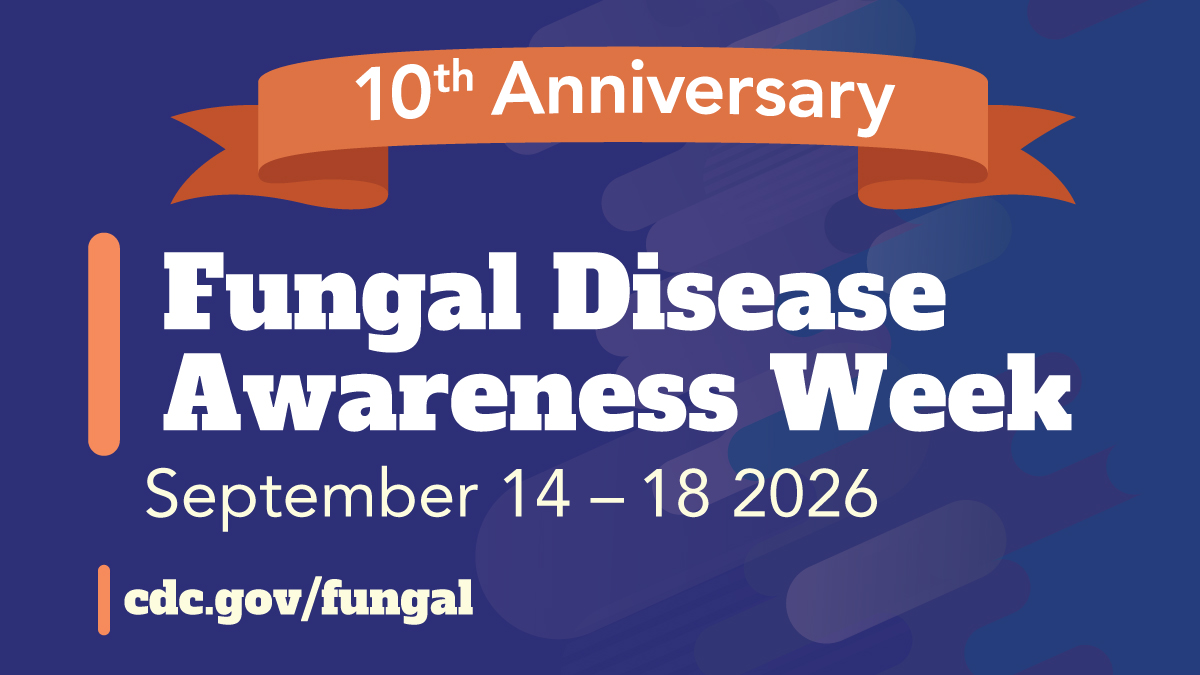
Save the dates! September 14-18, 2026, marks the 10th annual Fungal Disease Awareness Week (FDAW).
Preparing for FDAW
Daily themes and topics for FDAW 2026
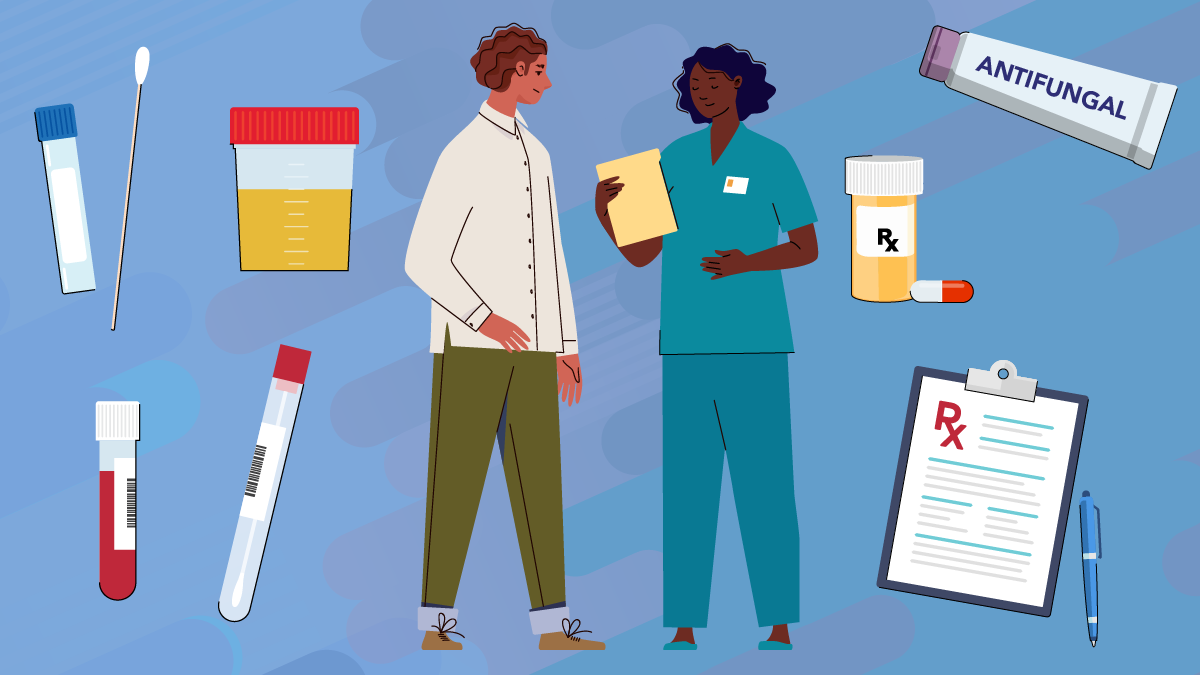
- September 14 | Primary care Talk to your doctor if you have an infection that's not getting better. It could be fungal.
- September 15 | Antifungal resistance A major challenge to treatment.
- September 16 | Travel-Acquired infections Talk to your healthcare provider if you recently traveled and think you have a fungal infection.
- September 17 | Fungal skin infections Fungal skin infections (like ringworm) can look like other skin conditions. See a healthcare provider to get the right diagnosis and treatment.
- September 18 | Fungal Diagnostics and Therapeutics Research and development is needed to improve diagnosis and treatment of fungal diseases.
Awareness resources
CDC provides outreach materials and encourages raising fungal disease awareness throughout the year. Partners can use these resources to tailor FDAW campaigns instead of using the forthcoming 2026 toolkit. Use materials that fit your organization’s priority topics, work areas, and audiences.
Customize your FDAW 2026 campaign and raise awareness about fungal diseases any time:
- Choose from >100 graphics, videos, and fact sheets.
- Post social media messages from the toolkit.
- Check out educational materials and job aids for healthcare professionals.
- View or share recorded webinars.

Importance of fungal disease awareness
Frequently misdiagnosed
Fungal diseases are increasing worldwide, yet they are often misdiagnosed or undiagnosed. Lacking diagnosis can lead to severe, potentially chronic illness, and sometimes cost lives. Additionally, misdiagnosed patients often receive antibiotics, drugs designed to fight bacteria, instead of the antifungals needed treat fungal infections. Any misuse of antibiotics or antifungals may contribute to drug resistance.
Global health concerns
Emerging species (types) of ringworm and a cat-associated species of sporotrichosis are being reported in more countries. One emerging type of ringwork, TMVII, is increasingly spreading in the United States. These infections are more severe and harder to treat.
Meanwhile three longstanding fungal skin infections are classified as Neglected Tropical Diseases. Global efforts are needed to help reduce the impact and control the spread of these conditions.
Future impact
Shifts in the environment may increase the impact of fungal diseases. Studies show that global temperature increases may allow environmental infectious fungi to grow in new areas that were previously too cold. Changes in the climate may also cause fungi to evolve, threatening the rise of new fungal infections. Some researchers believe climate change caused the emergence of the deadly fungus C. auris.
Additionally, antimicrobial resistance is increasing. With only three antifungals available and no vaccines for fungal diseases, awareness, prevention, and early diagnoses and treatment are critical.
Awareness makes a difference
With increased knowledge and understanding, everyone can help address these issues.
Fungal disease awareness among the public and healthcare providers can:
- Encourage patients and providers to discuss and consider fungal diseases and testing.
- Drive a unified global One Health action to help stop the threat of fungal diseases.
- Inspire more research in prevention, diagnostics, and treatment.
Encourage others to learn more during FDAW and all year.
Follow us
- X (Twitter): @CDCGlobal, @CDC.gov
- Facebook: @CDCGlobal, @CDC.gov
- LinkedIn: @CDC.gov
- Instagram: @CDC.gov , @CDCGlobal
This page was last updated on this date. Updates may include minor edits, image changes, or other modifications to page content.
The information on this page was last reviewed by subject matter experts to ensure accuracy.