



Key points
- Eastern equine encephalitis is caused by a virus usually spread to people through the bite of an infected mosquito.
- Eastern equine encephalitis virus circulates in the environment between mosquitoes and birds typically found in swamps.
- The virus can rarely spread through solid organ transplantation.
Primary cause
Eastern equine encephalitis is caused by a virus that is found in North America and the Caribbean.
About the virus
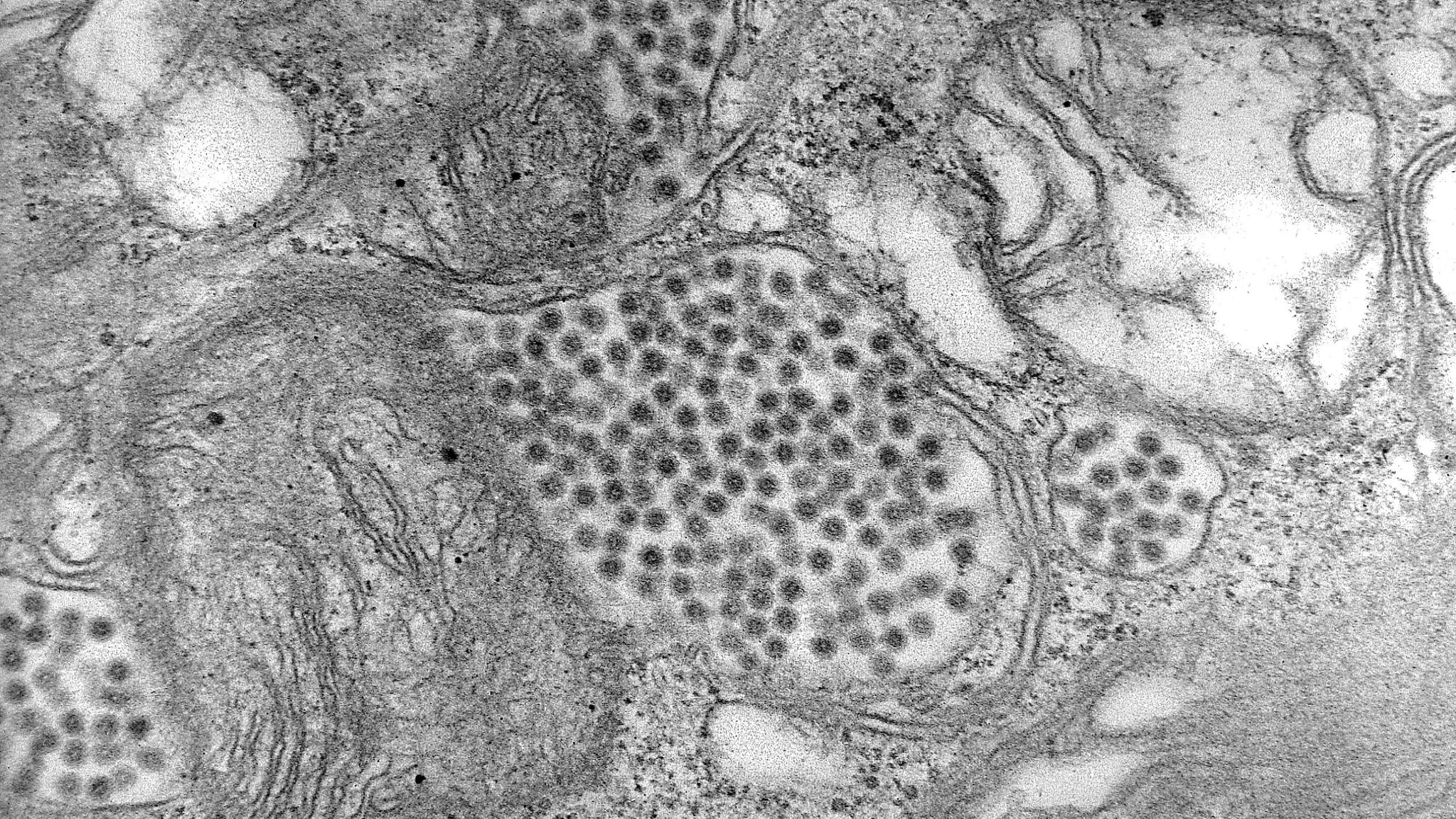
Eastern equine encephalitis virus is a member of the genus Alphavirus, family Togaviridae. The virus has a single-stranded, positive-sense RNA genome. The virus particles are spherical and have a diameter of 60–65 nm.
There are four lineages of the eastern equine encephalitis virus antigenic complex:
- Group I consists of only eastern equine encephalitis virus and is endemic in North America and the Caribbean and causes most human disease cases.
- The other three groups (IIA, IIB, and III) are caused by related Madariaga virus (formerly known as South American eastern equine encephalitis virus) and cause primarily equine illness in Central and South America.
How it spreads
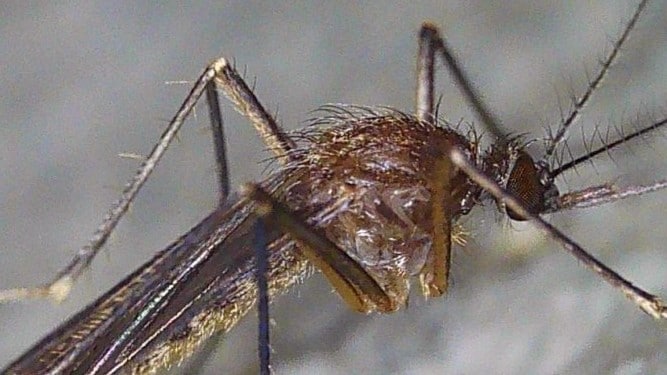
Eastern equine encephalitis virus usually spreads to people through the bite of an infected mosquito.
People and horses are considered "dead-end" hosts, meaning that even though they can get sick and die, they do not spread the virus to uninfected mosquitoes that bite them.
The virus does not spread from person to person, except in rare instances by organ transplantation.

Transmission cycle
Eastern equine encephalitis virus is maintained in a cycle between Culiseta melanura mosquitoes and avian hosts in freshwater hardwood swamps. Cs. melanura is not considered to be an important vector of the virus to humans because it feeds almost exclusively on birds. Transmission to people requires another mosquito species to create a "bridge" between infected birds and uninfected mammals, such as people or horses. Most of the bridge species are within the Aedes, Coquillettidia, and Culex genera.
Although people and horses are dead-end hosts, person-to-person transmission via solid organ transplantation has been documented. One organ donor transmitted the virus to three organ transplant recipients.

- Photo by Stephanie Campbell