



What to know
- Separation from one's family during or after an emergency can have mental and physical effects on children.
- The faster children reunite with the people they know and love, the better their outcomes will be.
- See resources and tools for reunification after a disaster or emergency.
What reunification is
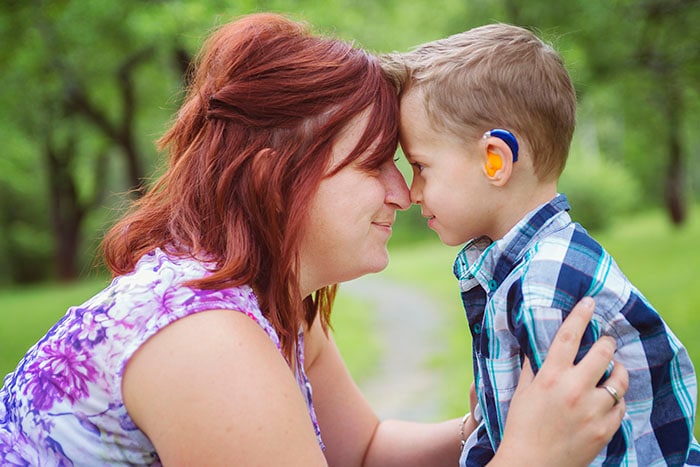
Reunification is the process of ensuring that children return to the care of their parent(s) and family as quickly as possible after an emergency.
The vast majority of parents in the United States work outside the home. An estimated 69 million children in the United States are in school or childcare on any given weekday. Emergencies increase the possibility for children to become separated from their parents or legal guardians. During the evacuation or sheltering process, parents may be at work while their children are in childcare, school, a recreational facility, or other location; children can also be separated from their parents/caregiver during an emergency even when the family is together.
How to reunite with your children
A family emergency plan will have important information, such as phone numbers, emergency contacts, and multiple meeting places. School and childcare centers will also have emergency plans in place to reunite children with their loved ones following an emergency.
Until families are reunited after an emergency, it is important to stay informed of emergency warnings and updates. Social media will play a key role in providing information. Children who use social media can use certain functions within the application to let their loved ones know they are safe.
It may be necessary to use additional reunification resources, such as
- The American Red Cross's Reconnecting Families program
- The National Center for Missing and Exploited Children's 24-hour hotline
- FEMA's information page for reunification systems
Importance of planning
Emergencies can happen at any time and anywhere. On any given weekday, an estimated 69 million children are in school and childcare. They may be particularly vulnerable because they are away from their families. Schools, childcare facilities, and families can help keep children safe by having emergency preparedness plans in place.
For families
It is important that children know what to do in an emergency. Having a plan to reunite with family members is an important part of any emergency preparedness plan. Ask all family members, including children, to help make an emergency plan.
- Choose a meeting spot
- Make emergency contact cards for children to carry in their school bag or backpack
- Help older children memorize important names and phone numbers (parents, other trusted adult)
Parents and caretakers can learn about the school safety drills that are taking place in their child's school or childcare facility from the school principal and safety officials. Since lockdown drills vary by state, you may also look on your state's Department of Education webpage.
Resources
- Post Disaster Reunification of Children: A Nationwide Approach
- Youth Preparedness
- Student Tools for Emergency Planning (STEP)
- Disaster Checklists for parents and child care professionals
- Center for Missing and Exploited Children: 1-800-THE-LOST (24-hour hotline to report a missing or sighted child)