



Purpose
You can download and share these images and suggested posts on your social media.
My Family Health Portrait: Cancer
MFHP Cancer (My Family Health Portrait: Cancer Edition) is a free mobile app to collect and share family cancer history information with relatives and assess your risk for breast, ovarian, and colorectal cancer. Android users can download the app from Google Play, and iOS users can download the app from the App Store.
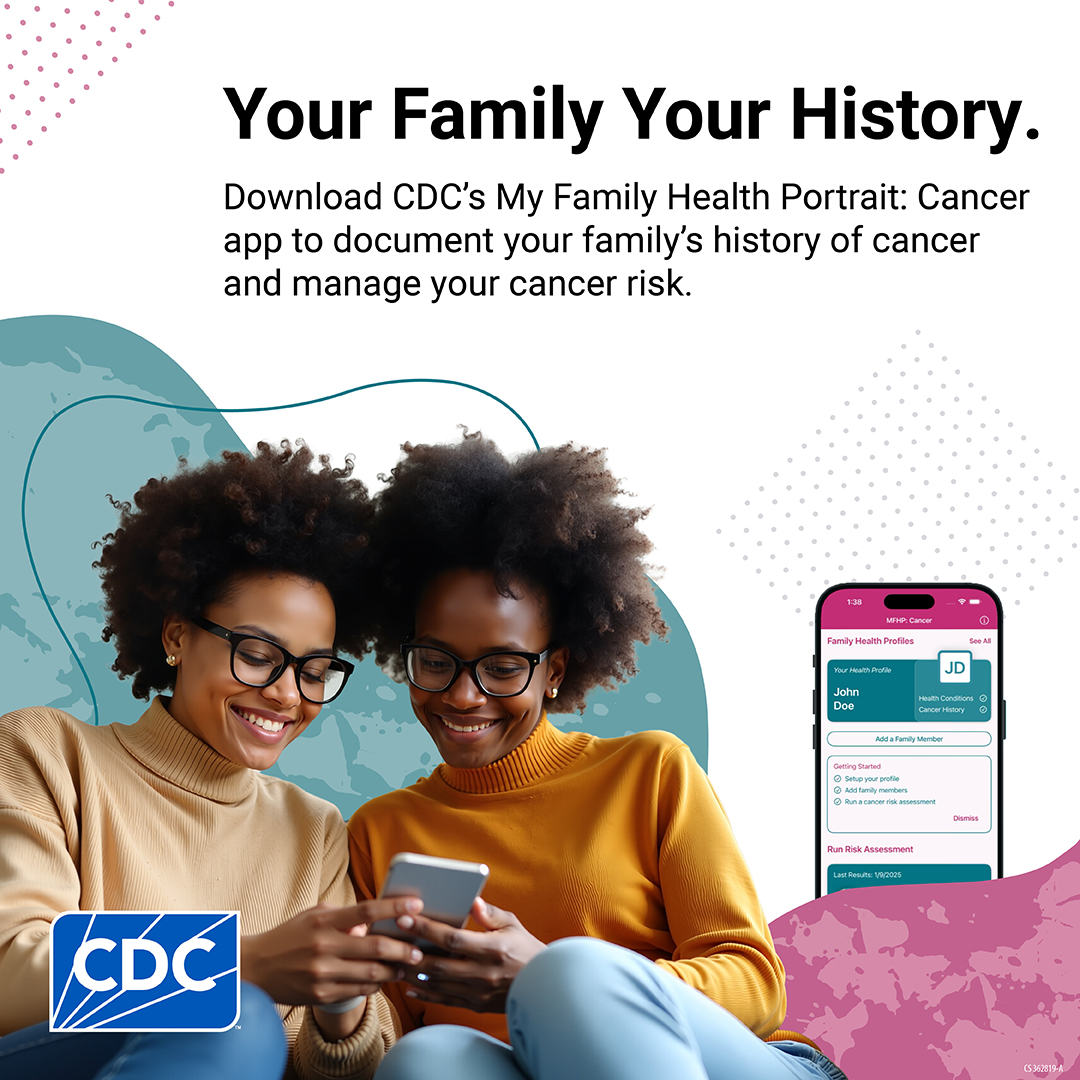

Suggested posts:
- Certain cancers can run in families. Use the My Family Health Portrait: Cancer app to collect your family history of cancer so you and your doctor can make a plan to manage your risk. Download here: https://www.cdc.gov/family-health-history/resources/
- Learning your family history of cancer can help you understand your own risk. The My Family Health Portrait: Cancer app can help you gather health information from your family members and share it with your doctor. Download today: https://www.cdc.gov/family-health-history/resources/
Breast cancer
Plan for your mammogram


Suggested post: A mammogram is a screening test that can find breast cancer early so you can get it treated. If you're 40 to 74, you're due for a mammogram. Use CDC's resources to learn more: www.cdc.gov/breast-cancer/about/mammograms.html
Symptoms
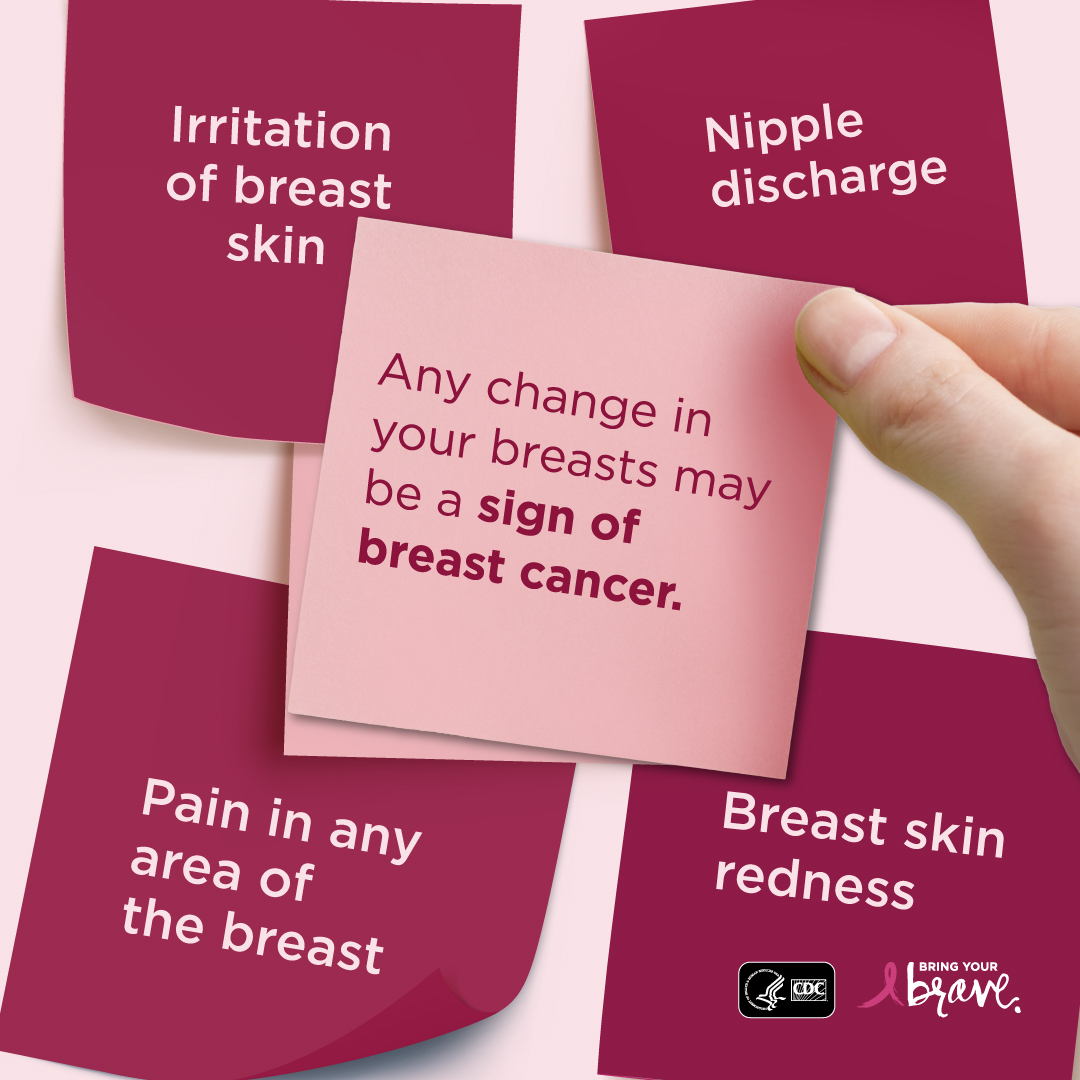
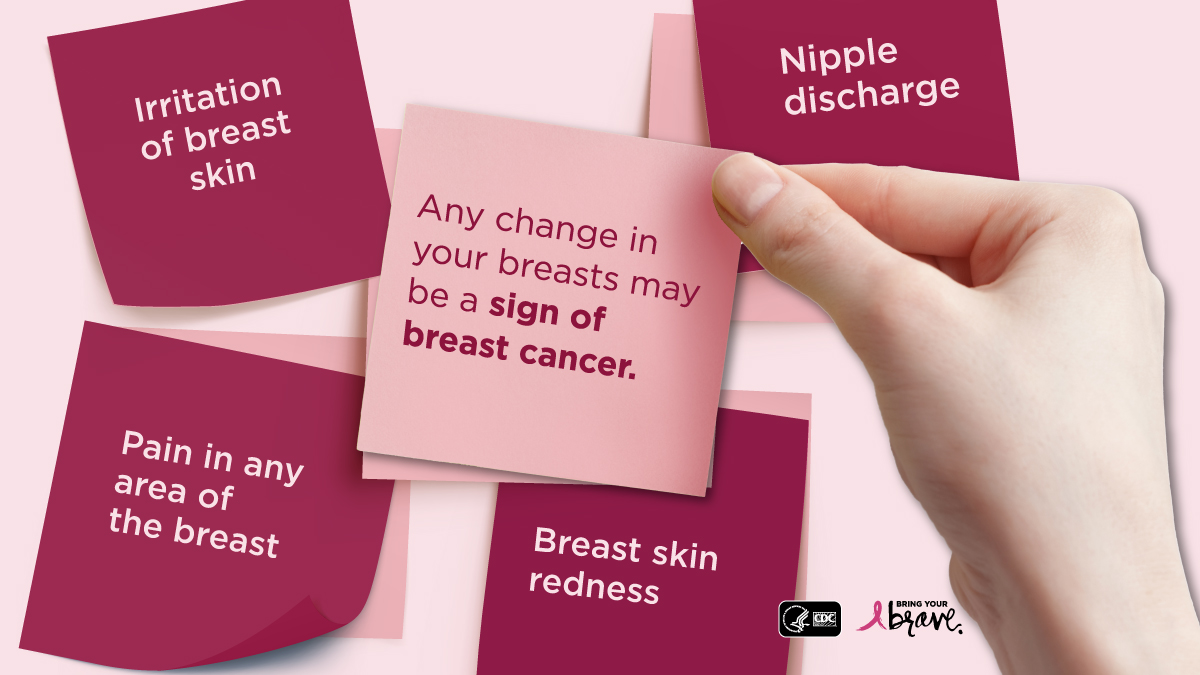
Suggested post: A lump in your breast is not the only possible symptom of breast cancer. Get to know the signs and symptoms of breast cancer and talk to your doctor if you notice any changes that concern you. www.cdc.gov/breast-cancer/symptoms/
Never too young
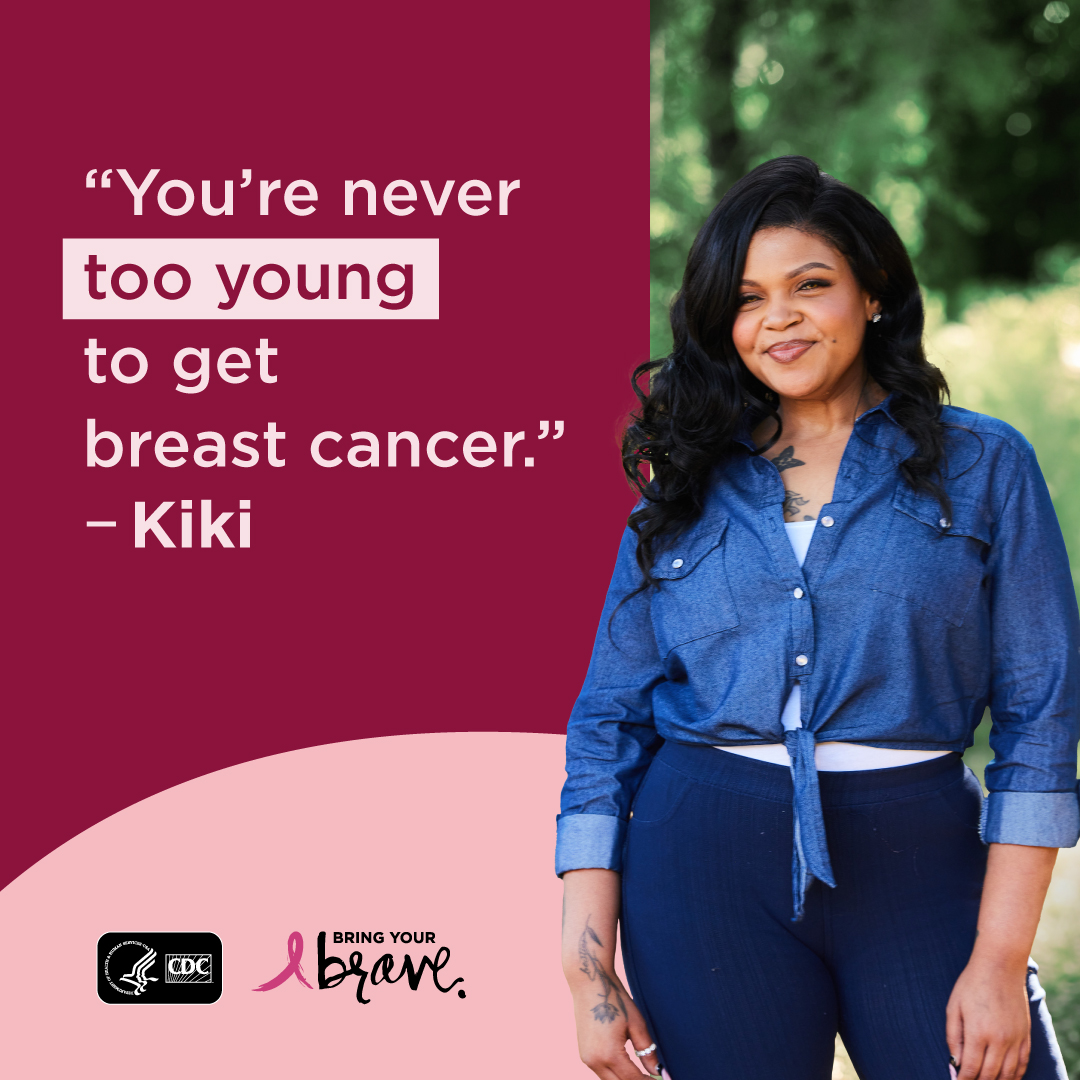
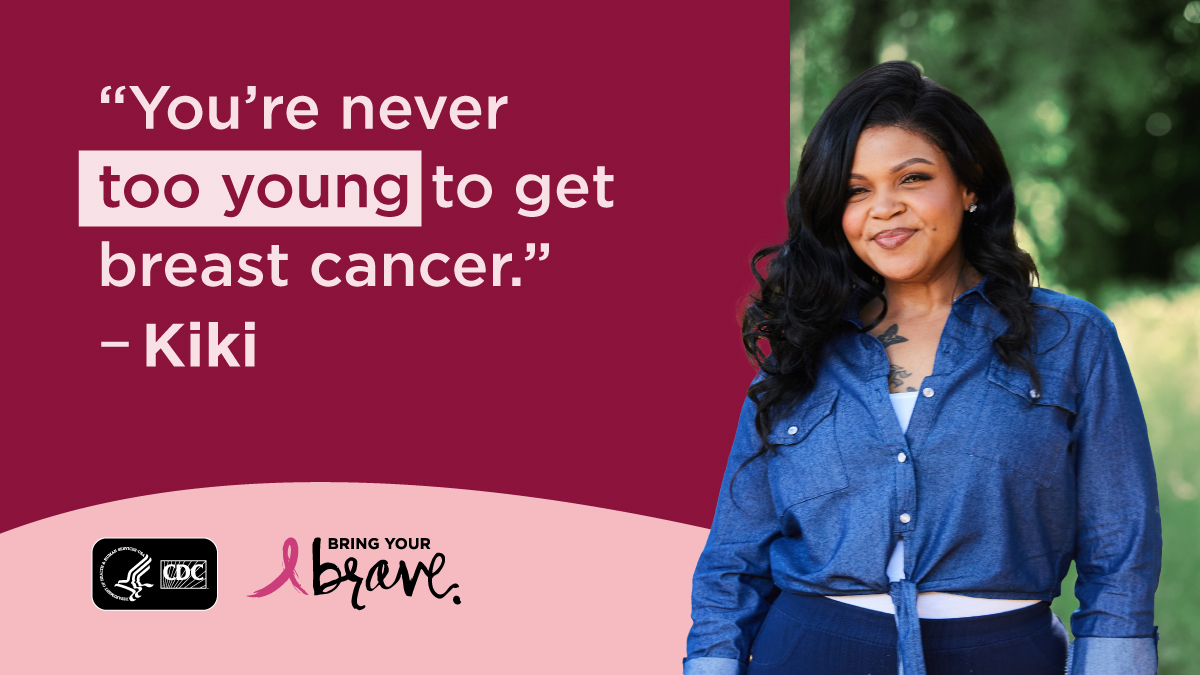
Suggested post: Nearly 1 in 10 women diagnosed with breast cancer is under the age of 45. While there are some risk factors you can't control, there are some choices you can make to lower your breast cancer risk. Find out how to reduce your risk: www.cdc.gov/breast-cancer/prevention/
Cervical cancer
Jasmine's story
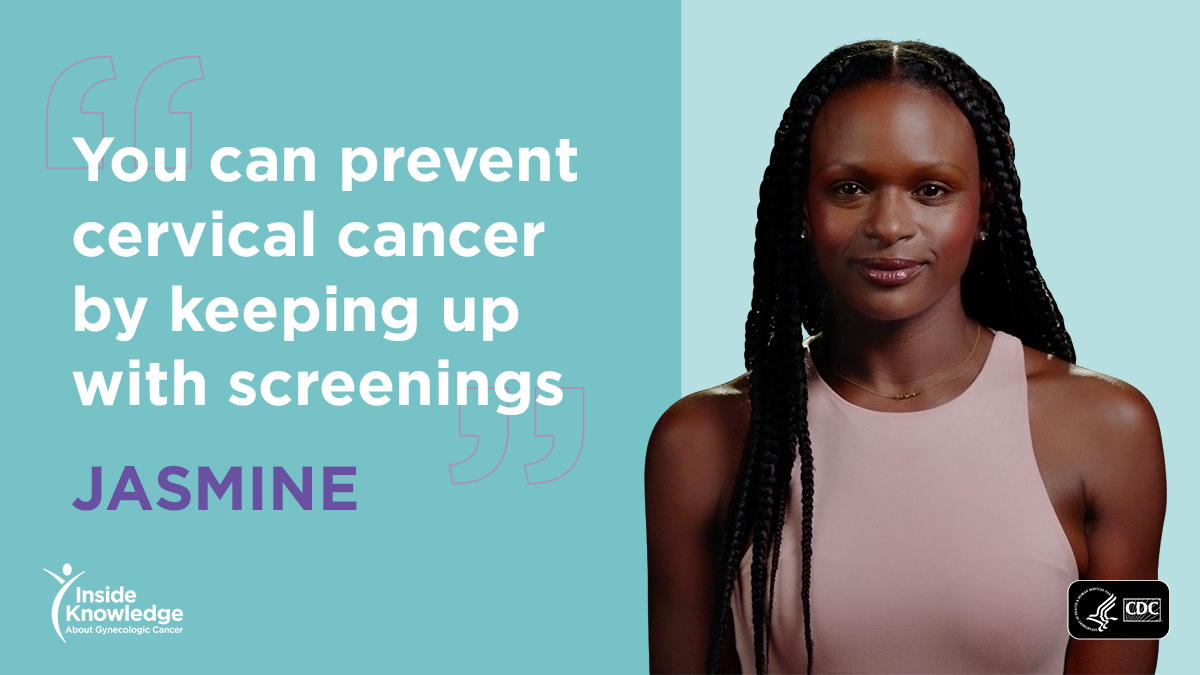
Suggested post: During a routine cervical cancer screening, Jasmine's Pap test showed abnormal cells. If left untreated, abnormal cells can turn into cervical cancer, so Jasmine got a preventive procedure. Stay up to date on screenings so you can stop cervical cancer in its tracks. www.cdc.gov/cervical-cancer/screening/
Regular screenings can prevent cervical cancer
Suggested post: Be your best advocate by keeping up with or getting back on track with regular screenings to help prevent cervical cancer. www.cdc.gov/cervical-cancer/screening/
Colorectal (colon) cancer
Routine screening is prevention
Suggested post: Routine screening is cancer prevention, because colorectal cancer doesn't always have symptoms. If you're 45 or older, talk to your doctor about screening options. www.cdc.gov/colorectal-cancer/screening/
There's more than one way to screen for colorectal cancer
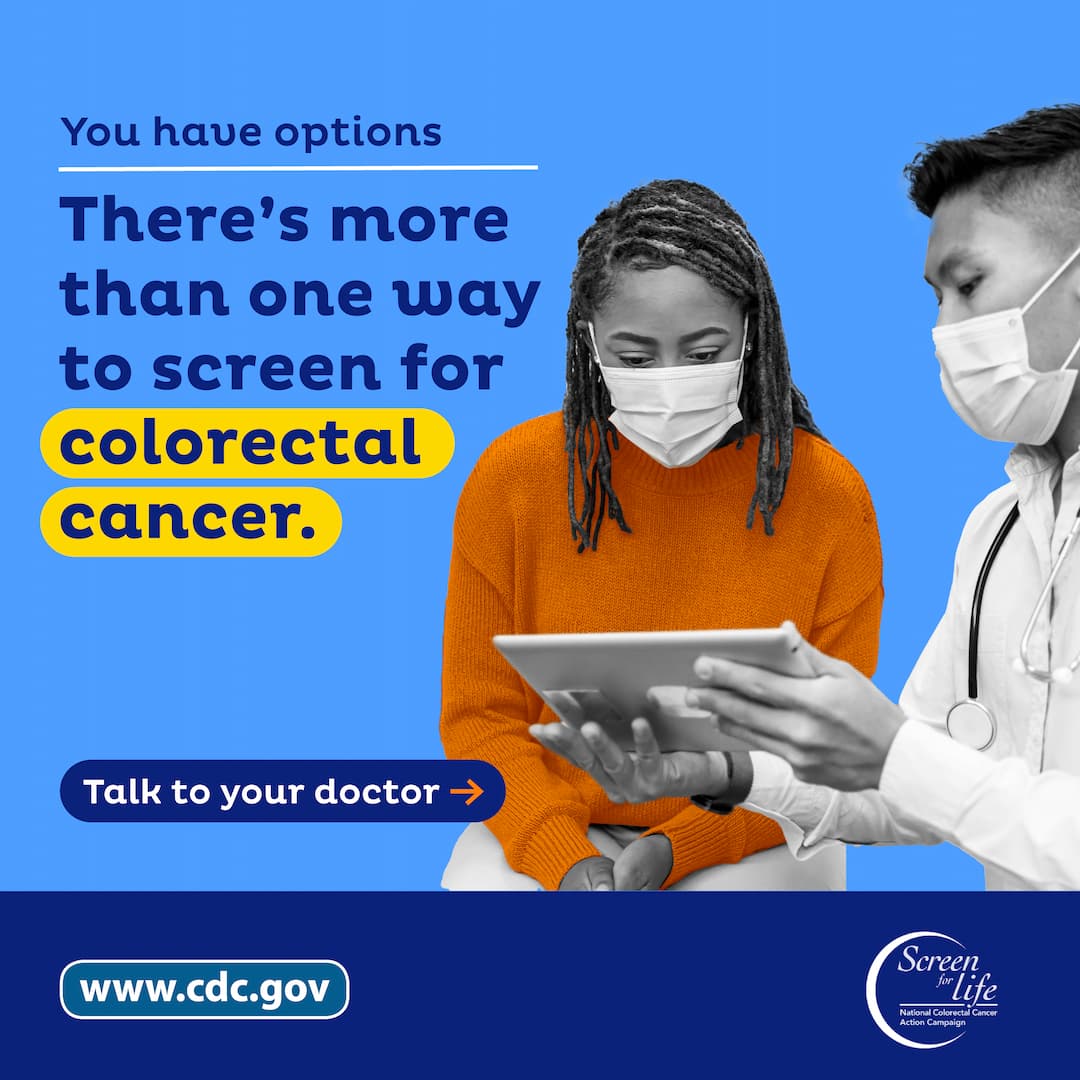
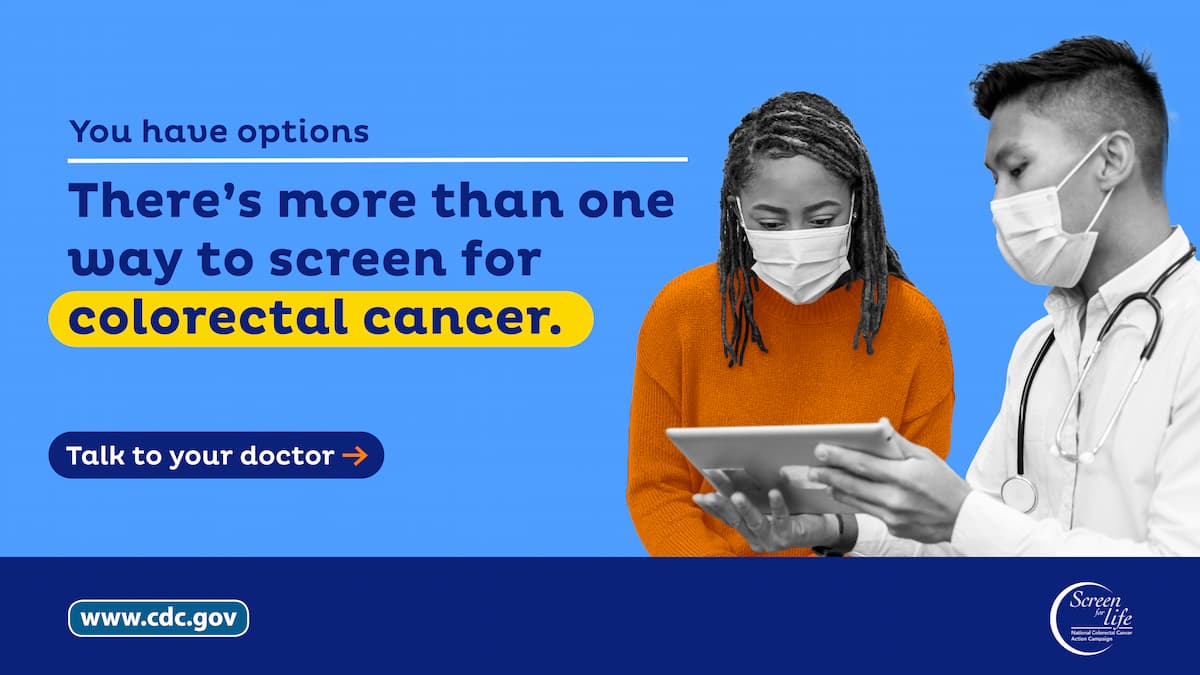
Suggested post: Getting screened for colorectal cancer may not sound pleasant, but it can actually prevent cancer. There are several screening test options; some you can even do from home. Talk to your doctor to decide which is best for you. www.cdc.gov/colorectal-cancer/screening/
Colorectal cancer affects women too
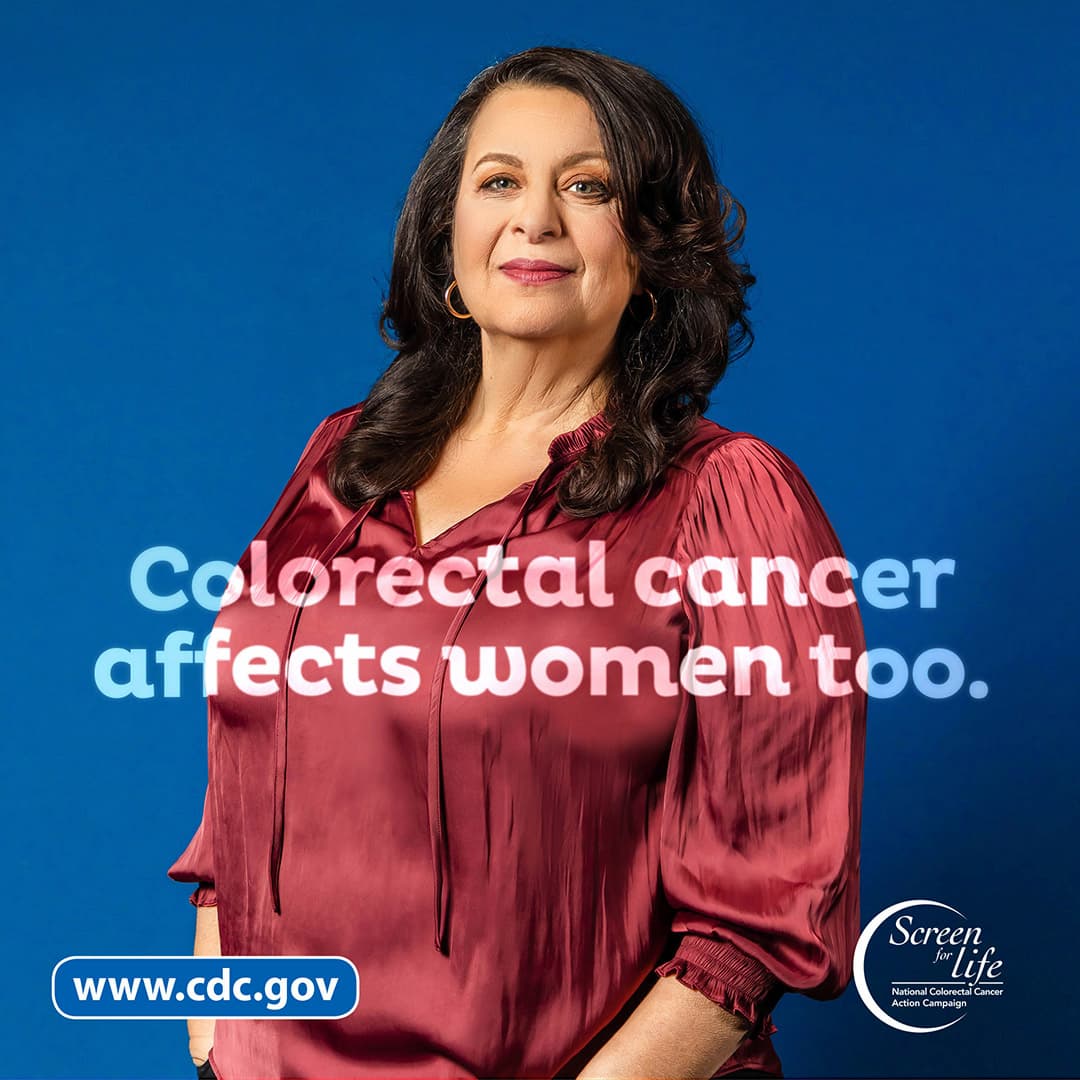
Suggested post: Colorectal cancer is one of the most common cancers among men and women, but it can be prevented with routine screening. Schedule your screening today. www.cdc.gov/colorectal-cancer/screening/
Colorectal cancer screening starts at 45
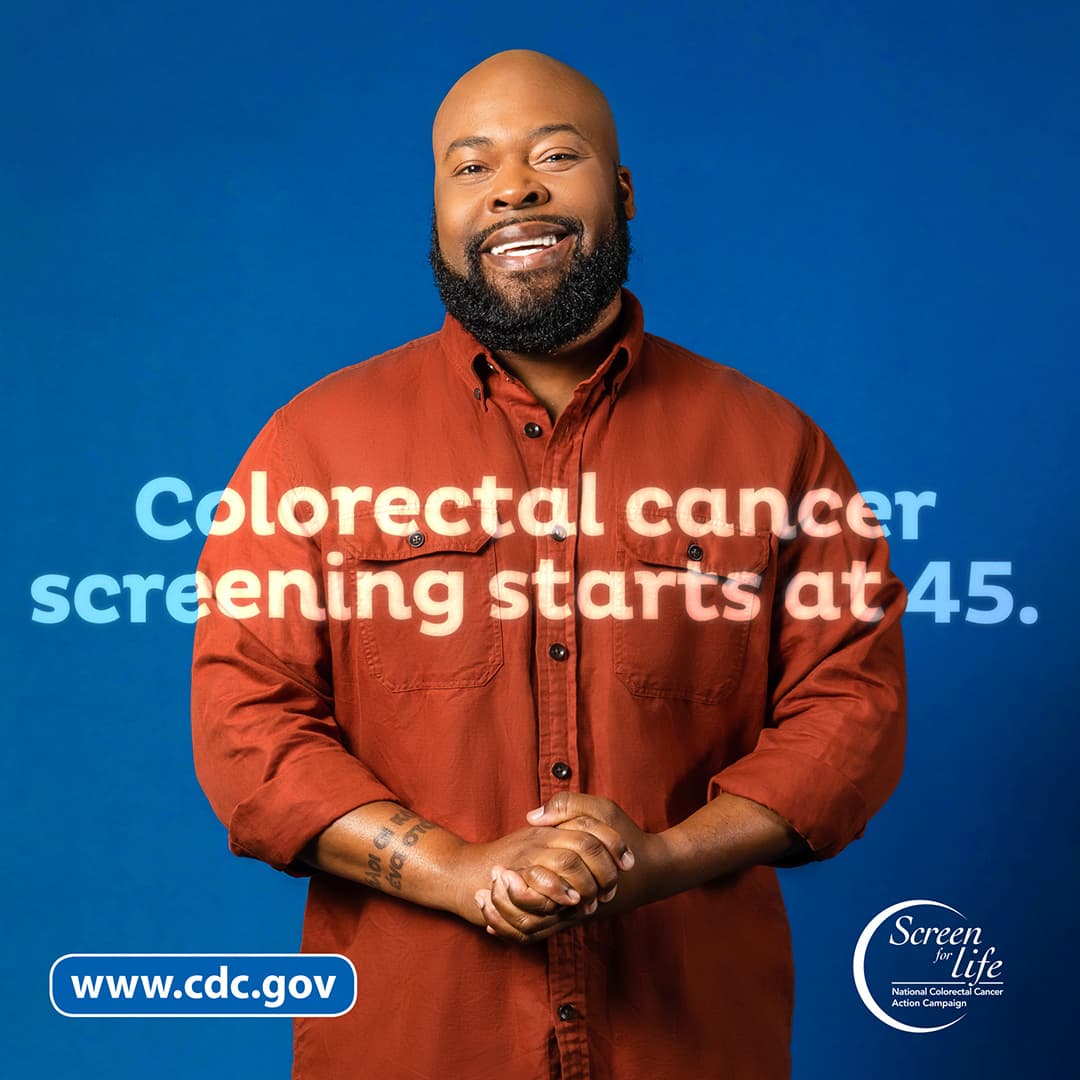
Suggested post: If you're 45 or older, it's time to talk to your doctor about colorectal cancer screening. Your options might surprise you. www.cdc.gov/colorectal-cancer/screening/
Colorectal cancer screening can save your life
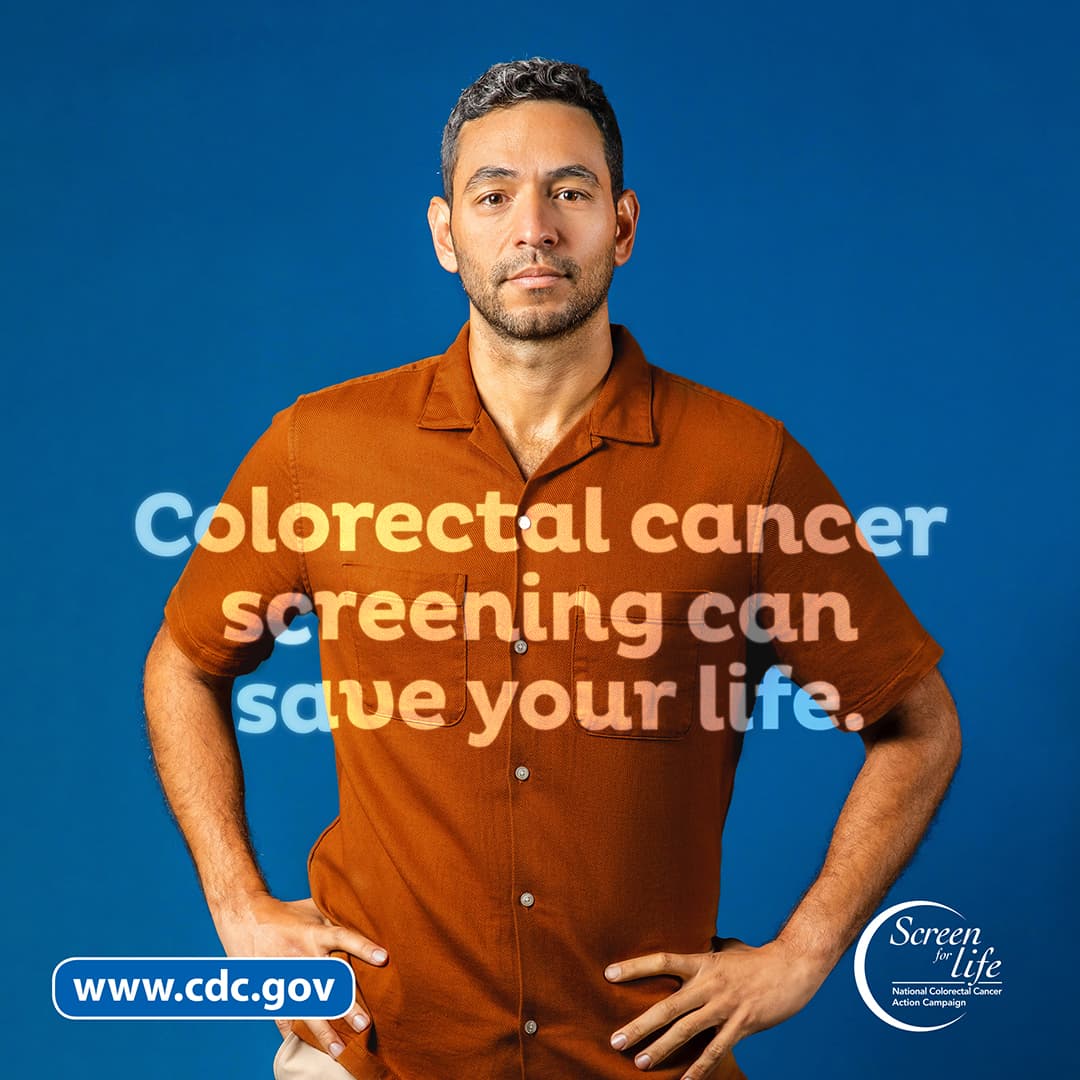
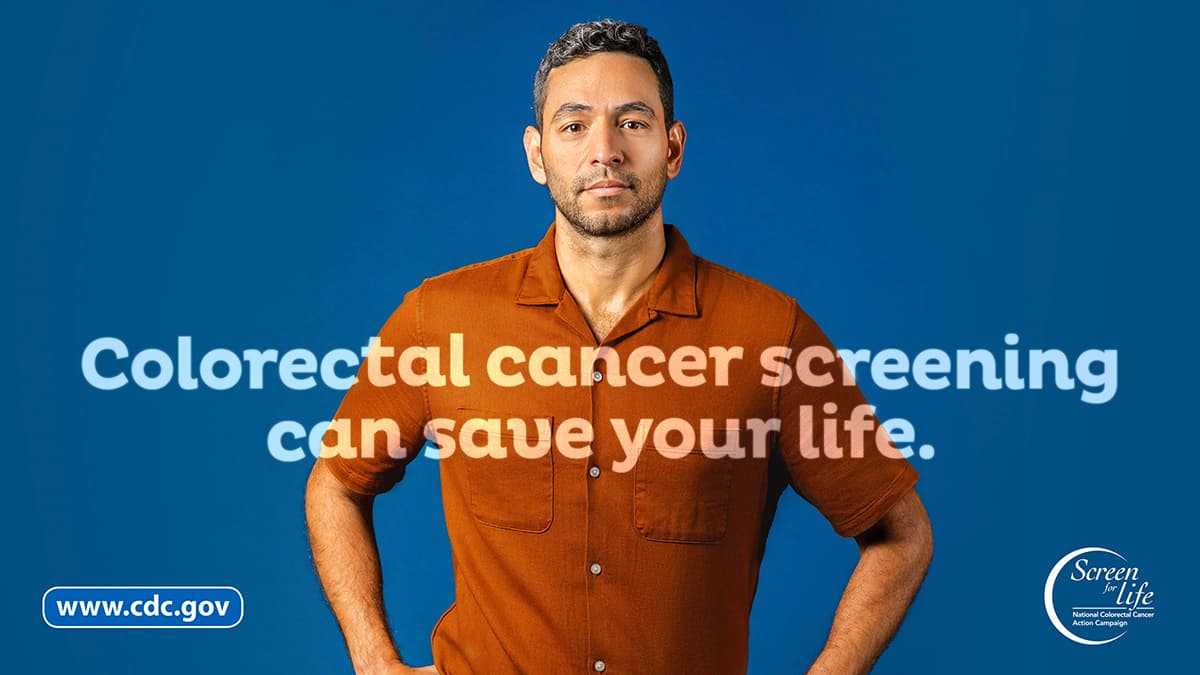
Suggested post: You have enough to worry about these days. You don't need to add colorectal cancer to the list. On-time screening tests can find polyps before they turn into cancer. Talk to your doctor and schedule a colorectal cancer screening test. www.cdc.gov/colorectal-cancer/screening/
Lung cancer
Screening is recommended for some people at high risk
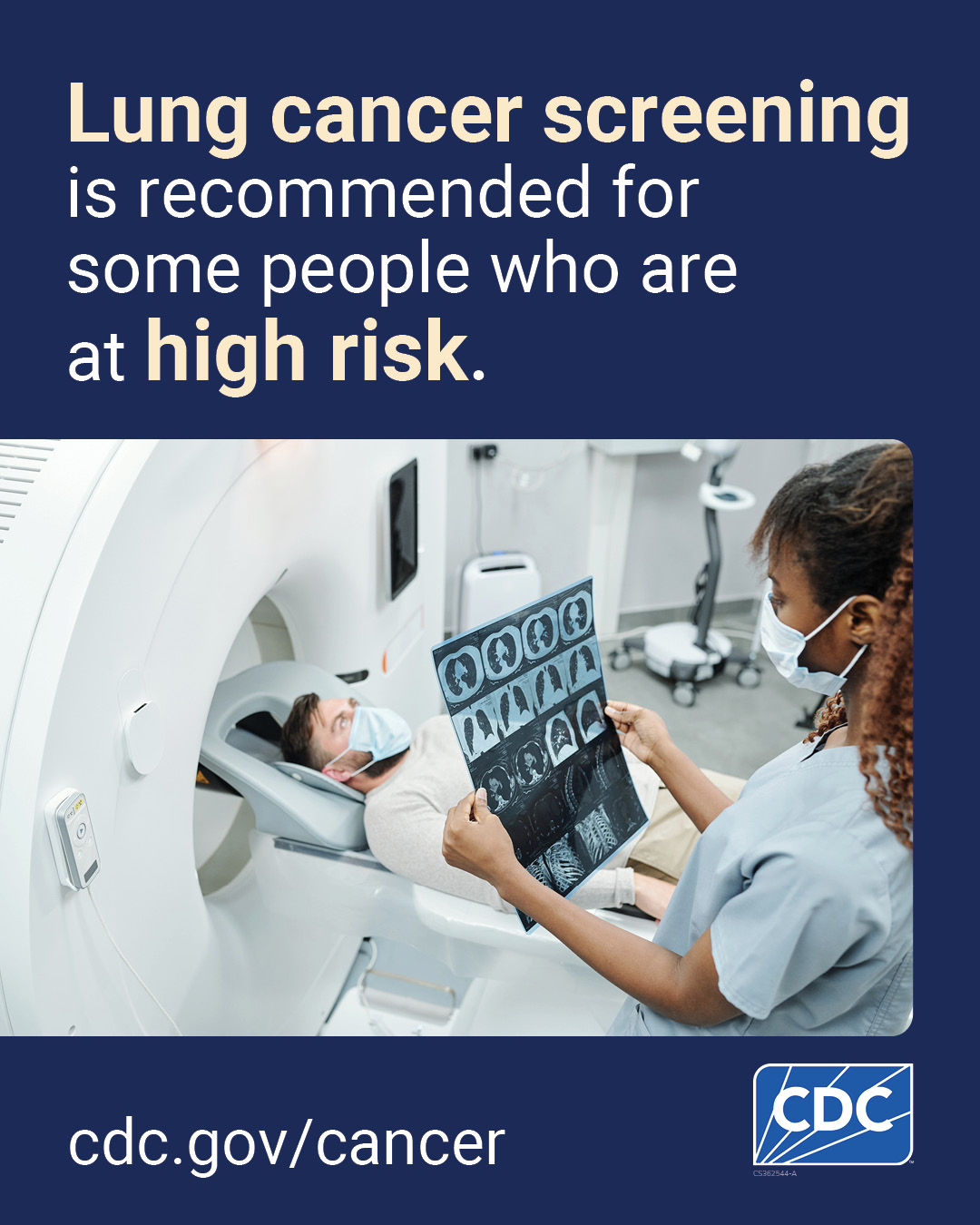
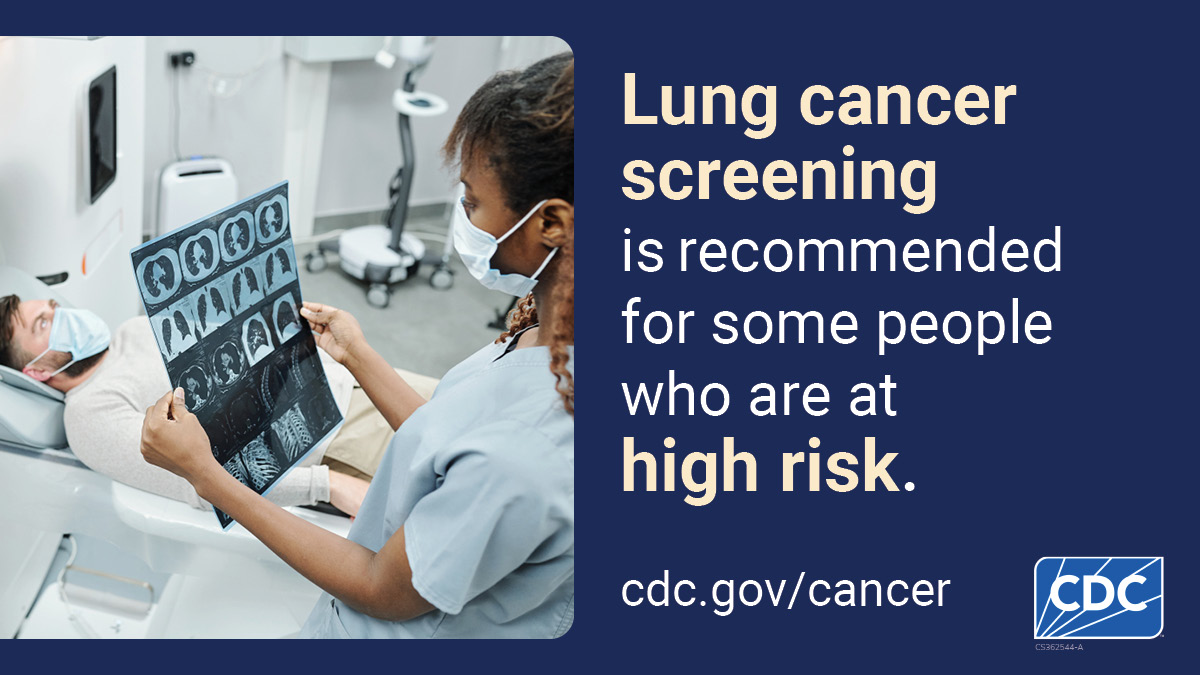
Suggested post: Lung cancer screening is recommended for some people who are at high risk. Cancer doesn't wait and neither should you. Find out more about screening for lung cancer: www.cdc.gov/lung-cancer/screening/
The leading cause of cancer death
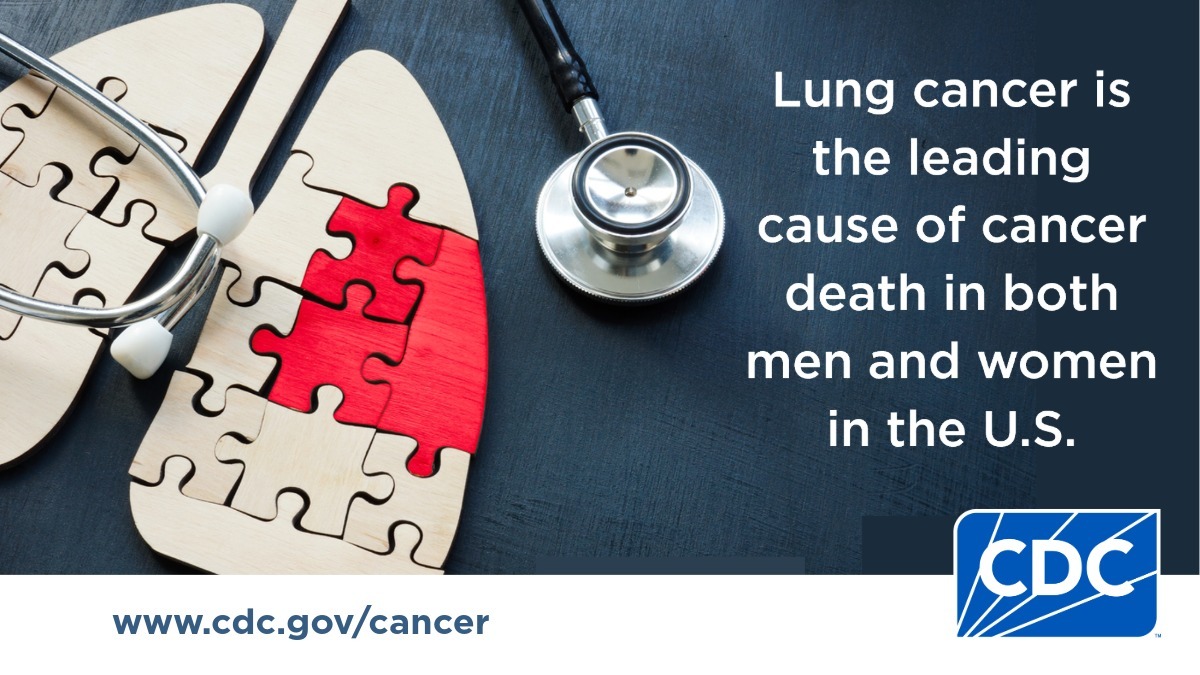
Suggested post: Learn the risk factors, symptoms, and ways to lower your risk of lung cancer: www.cdc.gov/lung-cancer/
Prostate cancer
African American men are more likely to get prostate cancer than other men
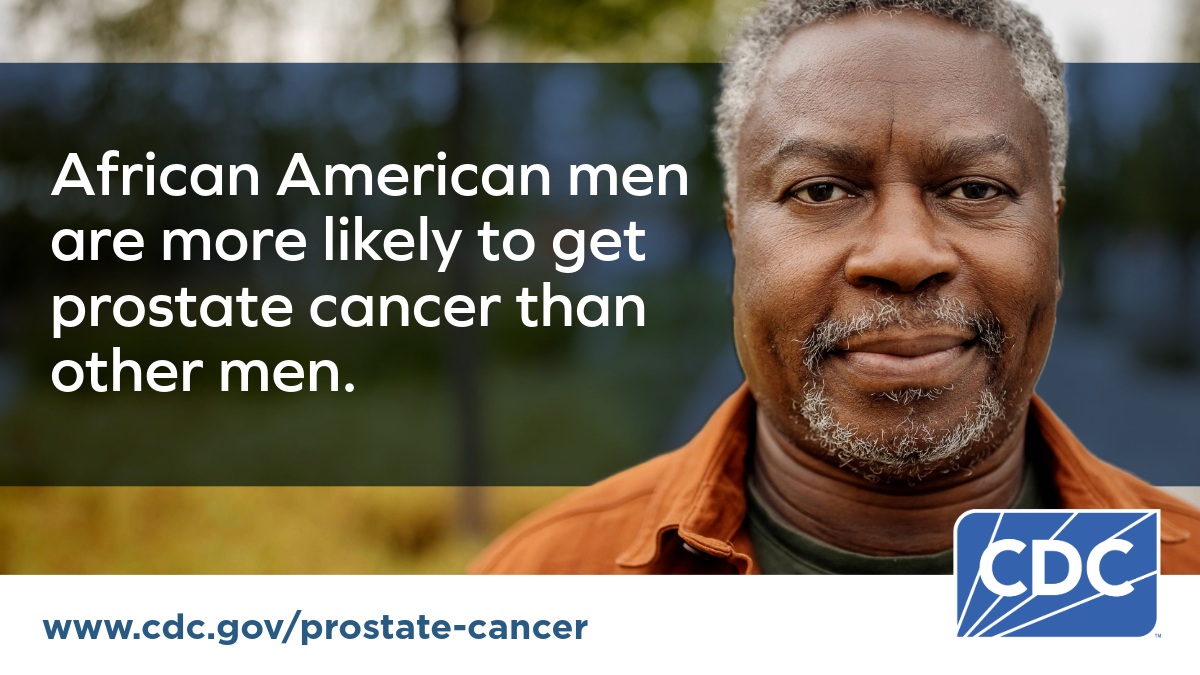
Suggested post: All men are at risk for prostate cancer, but African American men are more likely to get prostate cancer and get it at a younger age than other men. Know the risk factors and talk to your doctor about next steps: www.cdc.gov/prostate-cancer/risk-factors/
Is prostate cancer screening right for you?
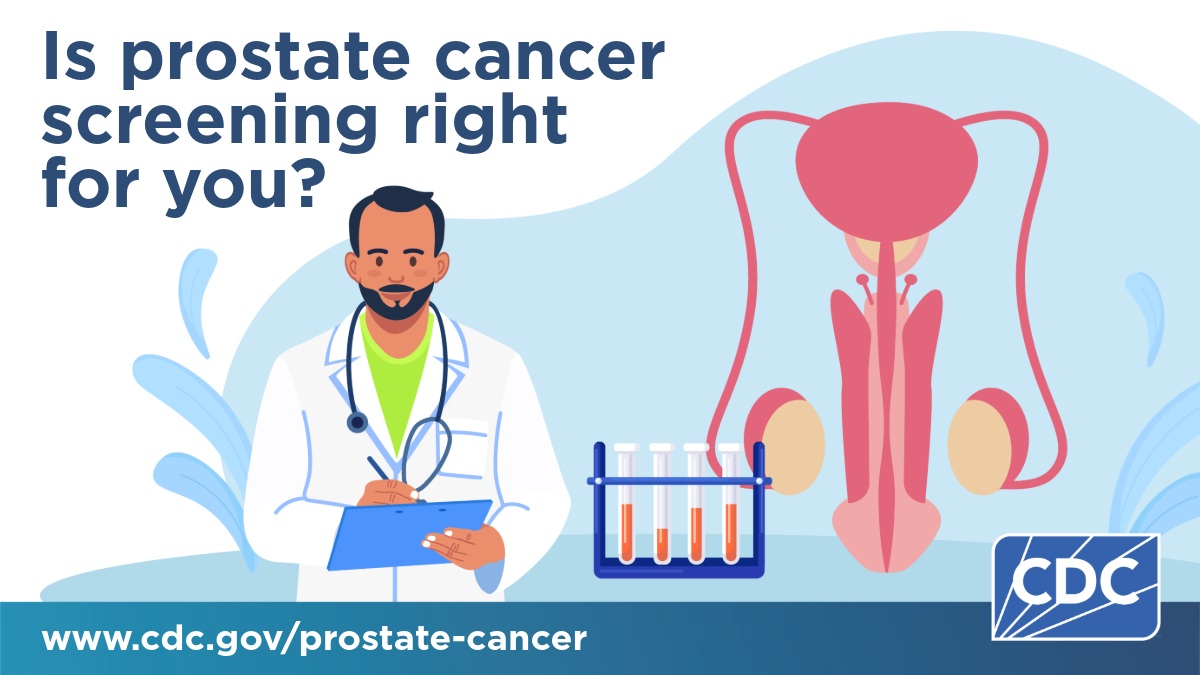
Suggested post: Prostate cancer screening means finding cancer early, when it is easier to treat. Talk to your doctor about the benefits and possible harms of screening. www.cdc.gov/prostate-cancer/screening/get-screened.html
Talk to your doctor about prostate cancer screening
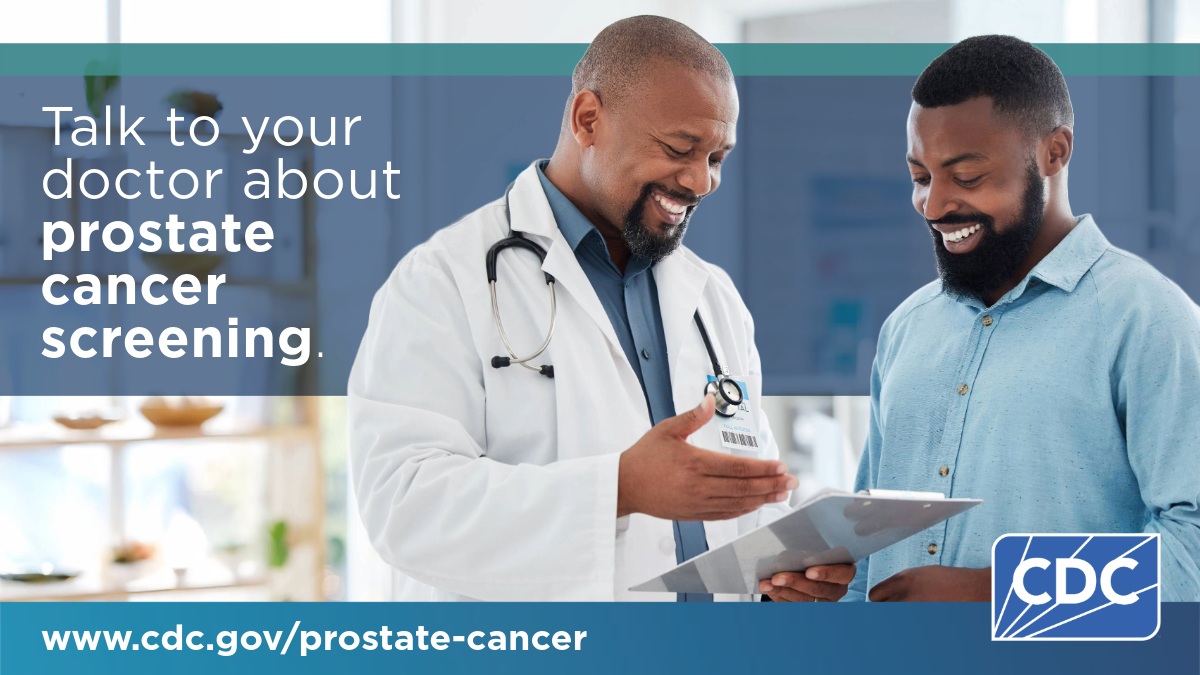
Suggested post: Screening can find prostate cancer early. It's important to understand both the benefits and potential harms. Explore CDC's resources about your screening options: www.cdc.gov/prostate-cancer/screening/get-screened.html
Questions to ask your doctor
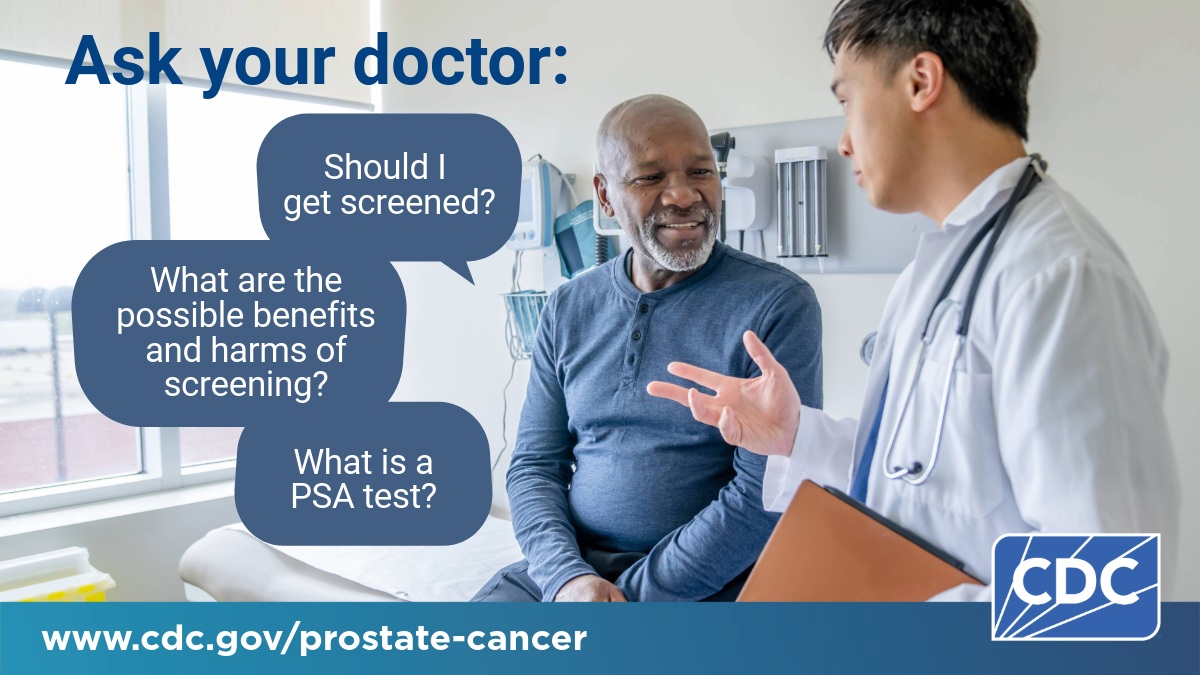
Suggested post: Men: Have you thought about getting screened for prostate cancer? Know the possible benefits and harms of screening: www.cdc.gov/prostate-cancer/screening/get-screened.html
Skin cancer
The 5 Ss of Sun Protection
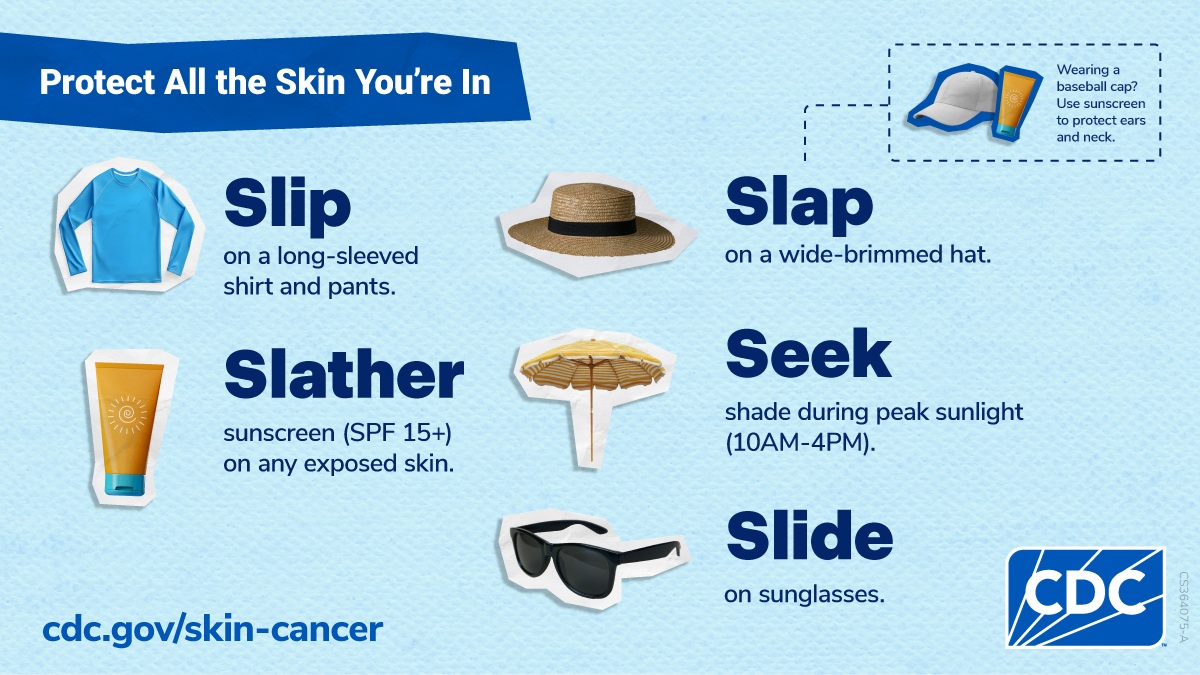
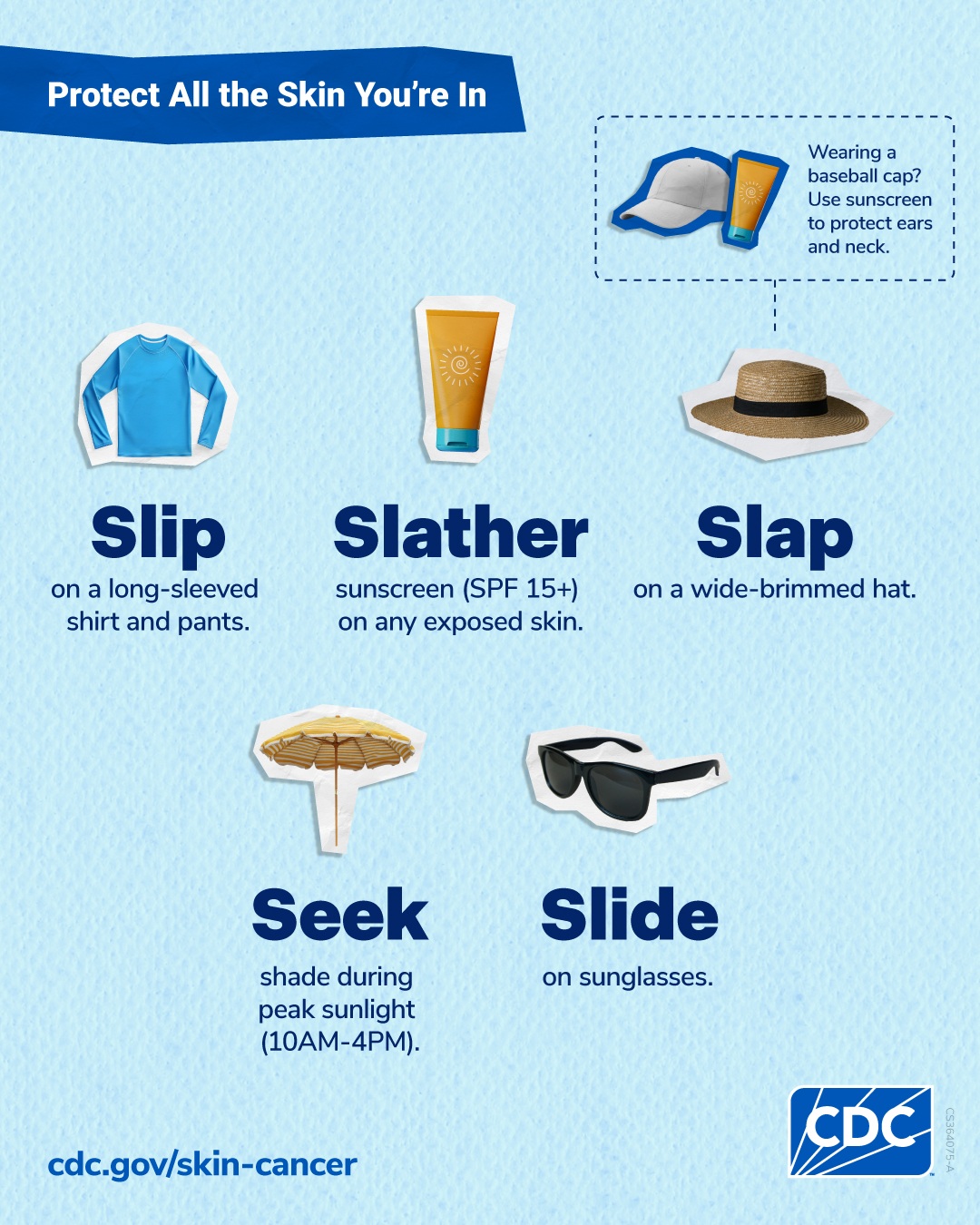
Suggested post: Skin cancer is the most common cancer in the U.S. Making sun protection an everyday habit will help you enjoy the outdoors safely, avoid getting sunburned, and lower your skin cancer risk. Use these tips to protect you and your family: www.cdc.gov/skin-cancer/sun-safety/
Anyone Can Get Skin Cancer
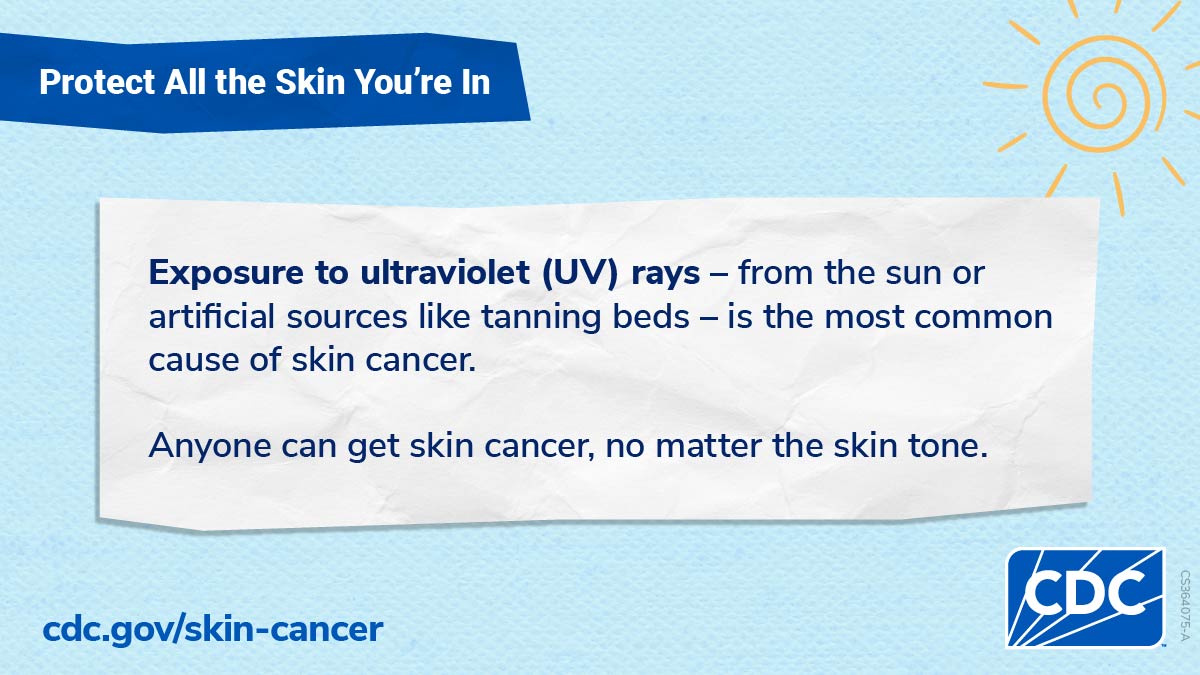
Suggested post: Each year in the U.S., about 6 million people are treated for skin cancer. Most skin cancer is caused by too much UV rays. Anyone can get it, including people with darker skin tones. Here's what you should know: www.cdc.gov/skin-cancer/
Enjoy the Outdoors!
Suggested post: Most skin cancers are caused by too much sun exposure. Use a layered approach to protect your skin year-round with protective clothing, sunscreen, a wide-brimmed hat, UV-blocking sunglasses, and shade. Learn more: www.cdc.gov/skin-cancer/sun-safety/
Sun protection
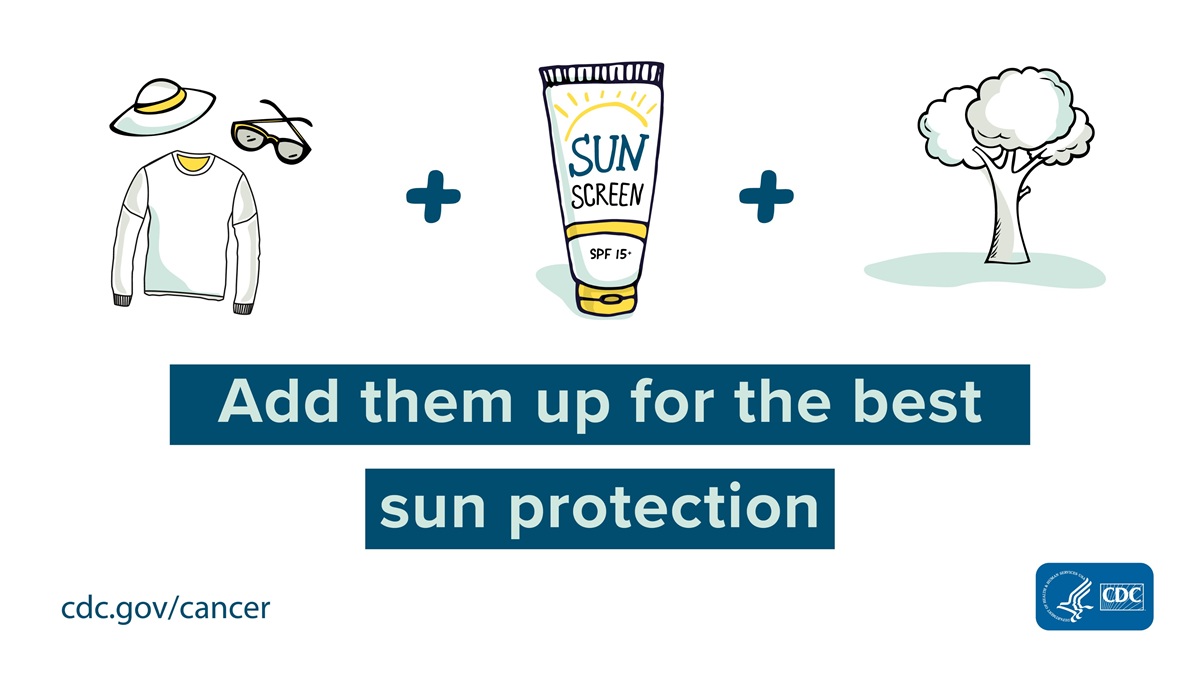
Suggested post: Do you enjoy the outdoors? Protect your skin with clothing that covers, sunscreen, and shade. Read CDC's sun safety tips: www.cdc.gov/skin-cancer/sun-safety/
Symptoms
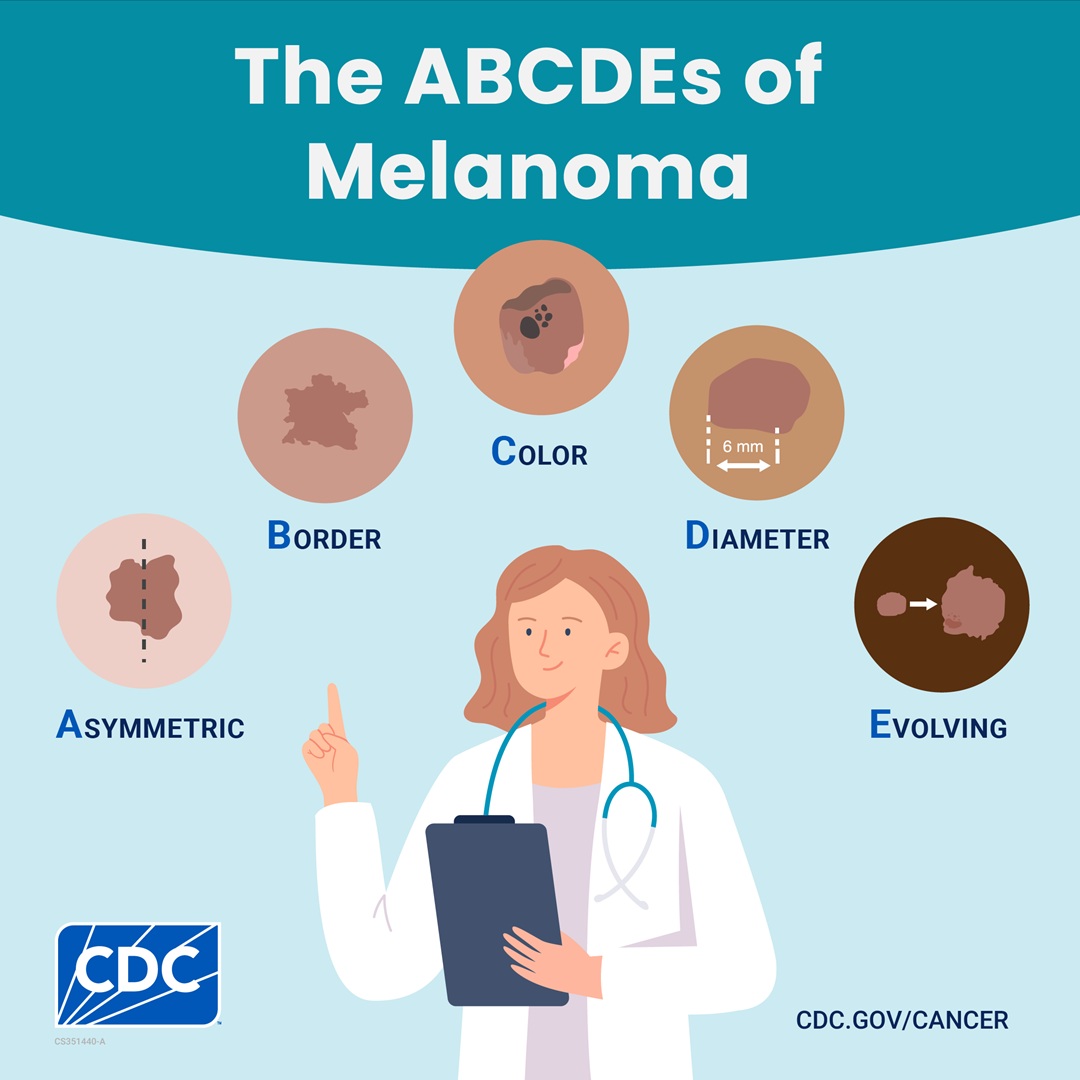
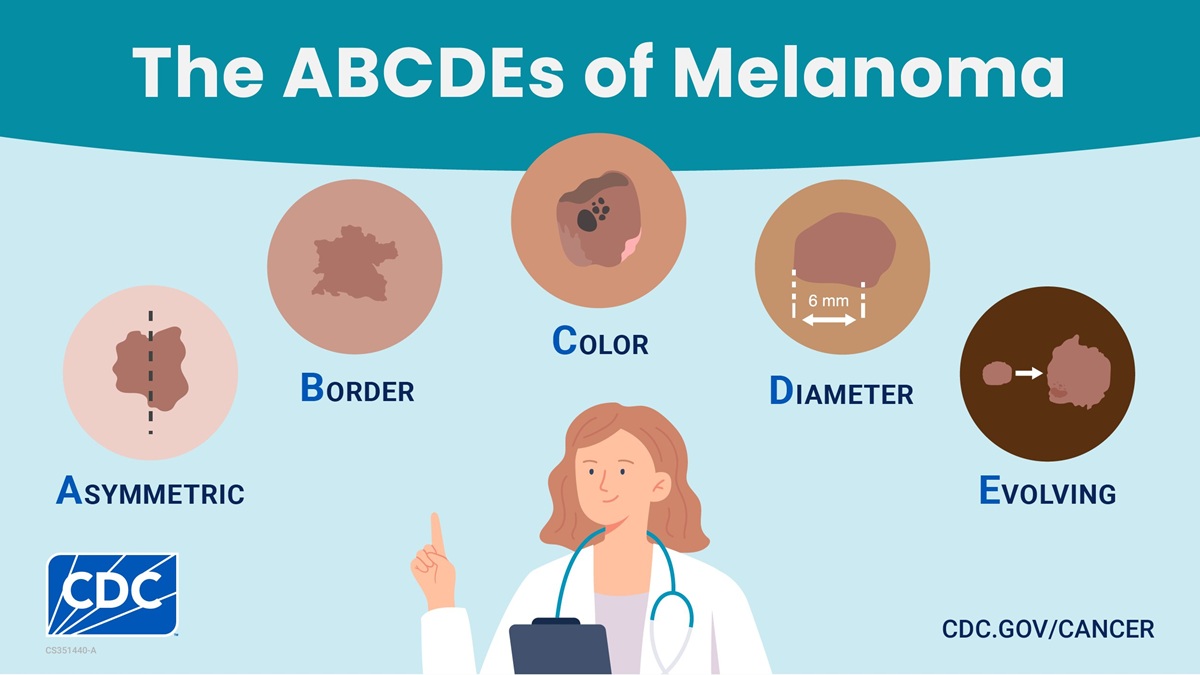
Suggested post: Talk to your doctor if you notice changes in your skin such as a new growth, a sore that doesn't heal, a change in a mole, or any of the ABCDEs of melanoma. Learn the symptoms of skin cancer: www.cdc.gov/skin-cancer/symptoms/
Uterine cancer
Symptoms
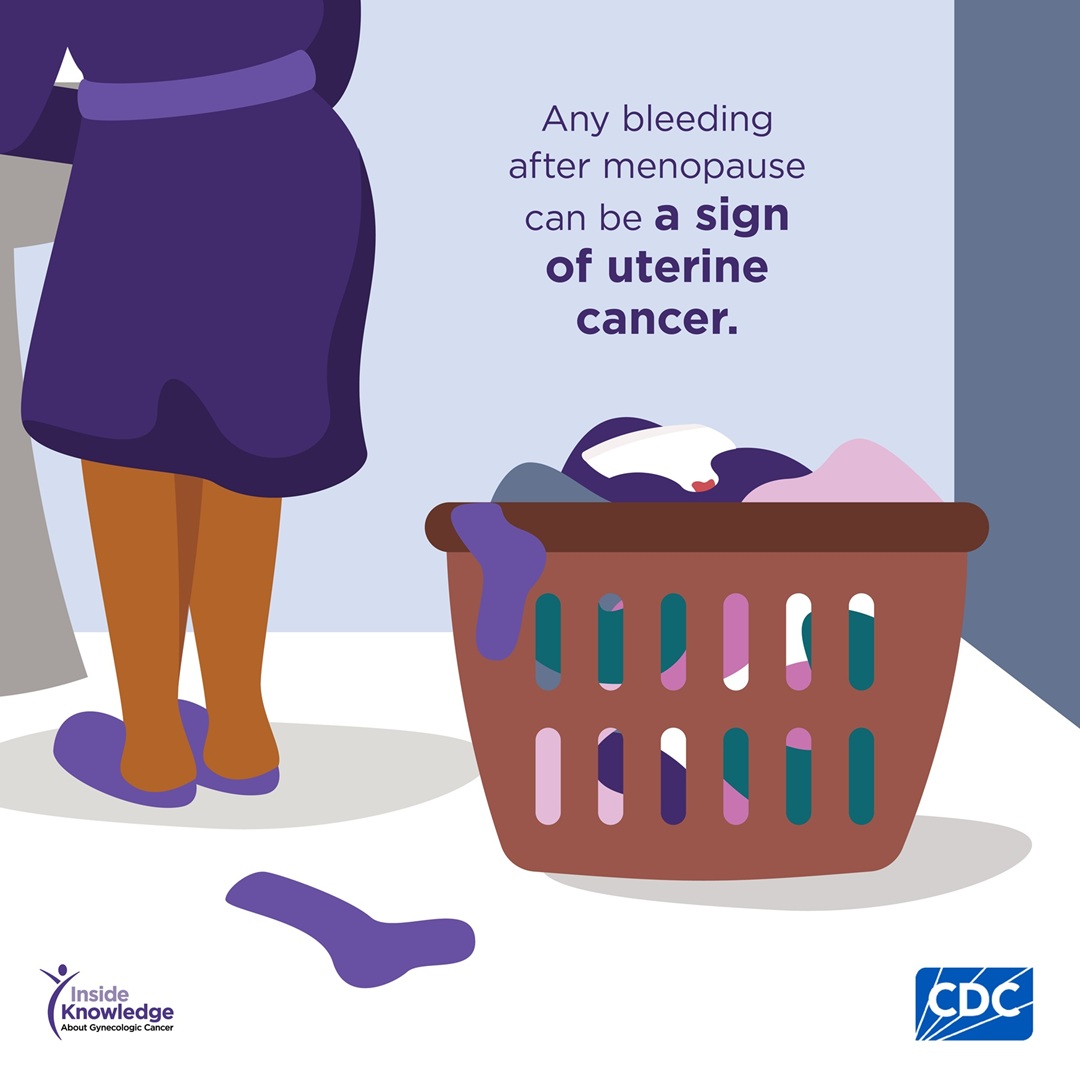
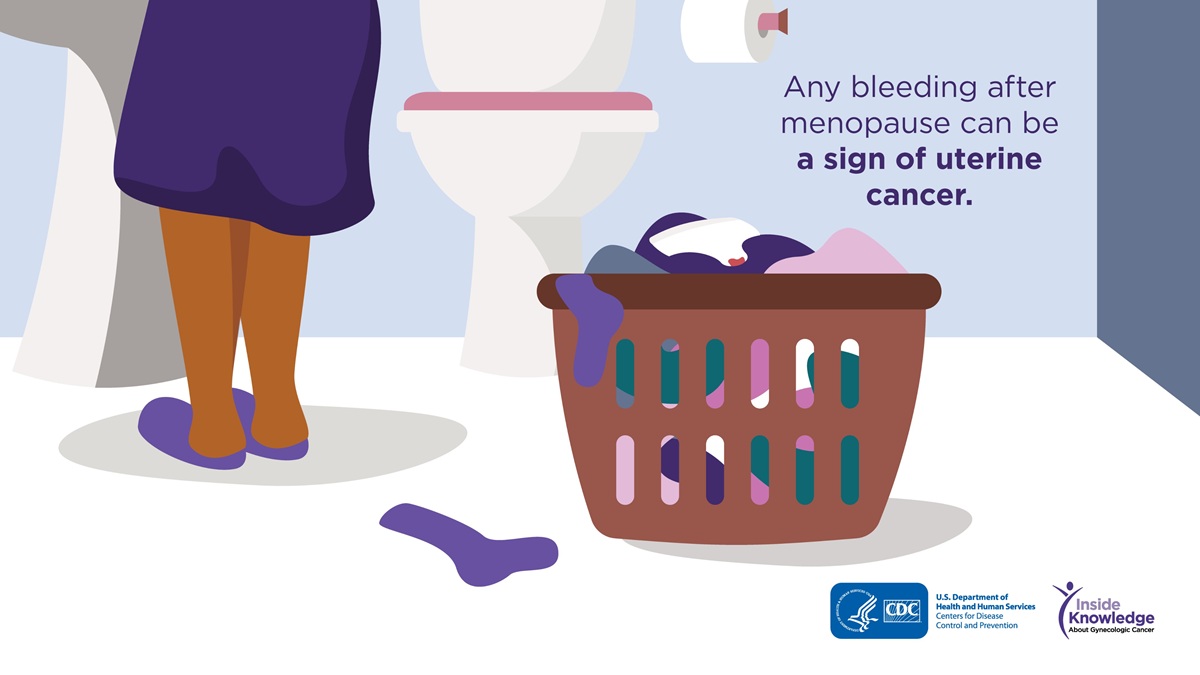
Suggested post: Uterine cancer is treatable when it's found early. Learn the signs today and talk to your doctor about any changes that are not normal for you: www.cdc.gov/uterine-cancer/symptoms/
This page was last updated on this date. Updates may include minor edits, image changes, or other modifications to page content.
The information on this page was last reviewed by subject matter experts to ensure accuracy.