



Key points
- Bourbon virus is rare and believed to spread through the bite of an infected tick.
- Cases have been found in the Midwest, East Coast, and Southern United States.
- Symptoms may include fever, fatigue, rash, headache, body aches, nausea, and vomiting.
- No vaccines or medicines are available to prevent or treat Bourbon virus disease (Bourbon).
Overview
Bourbon is a rare disease caused by a virus that is believed to be spread by infected ticks. A limited number of Bourbon cases have been reported in the Midwest, East Coast, and Southern United States. The virus was discovered in 2014 and named for Bourbon County, Kansas where it was first identified. At this time, CDC does not know if the virus might be found in other areas of the United States.
Symptoms
People diagnosed with Bourbon have reported symptoms including:
- Fever
- Fatigue
- Rash
- Headache
- Other body aches
- Nausea and vomiting
Other signs can include:
- Lower than normal counts of white blood cells, which help fight infections
- Lower than normal counts of platelets, which help prevent bleeding
How it spreads
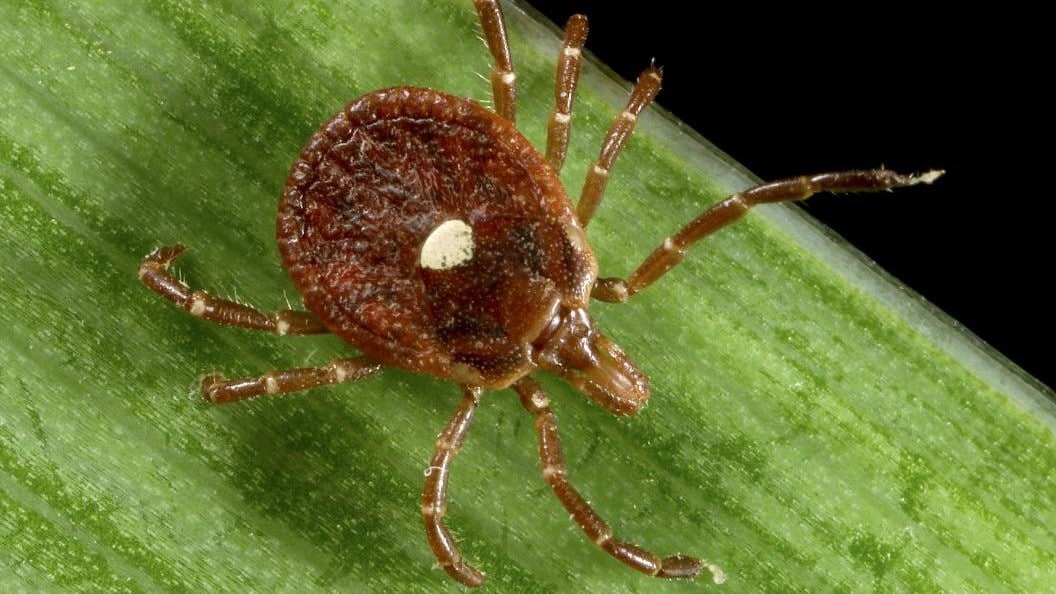
Bourbon virus is believed to spread to people through bites of infected ticks, likely lone star ticks (Amblyomma americanum).
Prevention
No vaccines or medicines are available to prevent Bourbon. Reduce your risk of infection from Bourbon virus by preventing tick bites.
Testing and diagnosis
See your healthcare provider if you have symptoms after being exposed to ticks. Laboratory tests are available to help determine if someone was infected.