



What to know
High blood pressure during pregnancy is common and can affect the health of both the mother and baby. Regular prenatal care, blood pressure monitoring, health lifestyle, and appropriate treatment can help reduce the risk of complications.
Overview
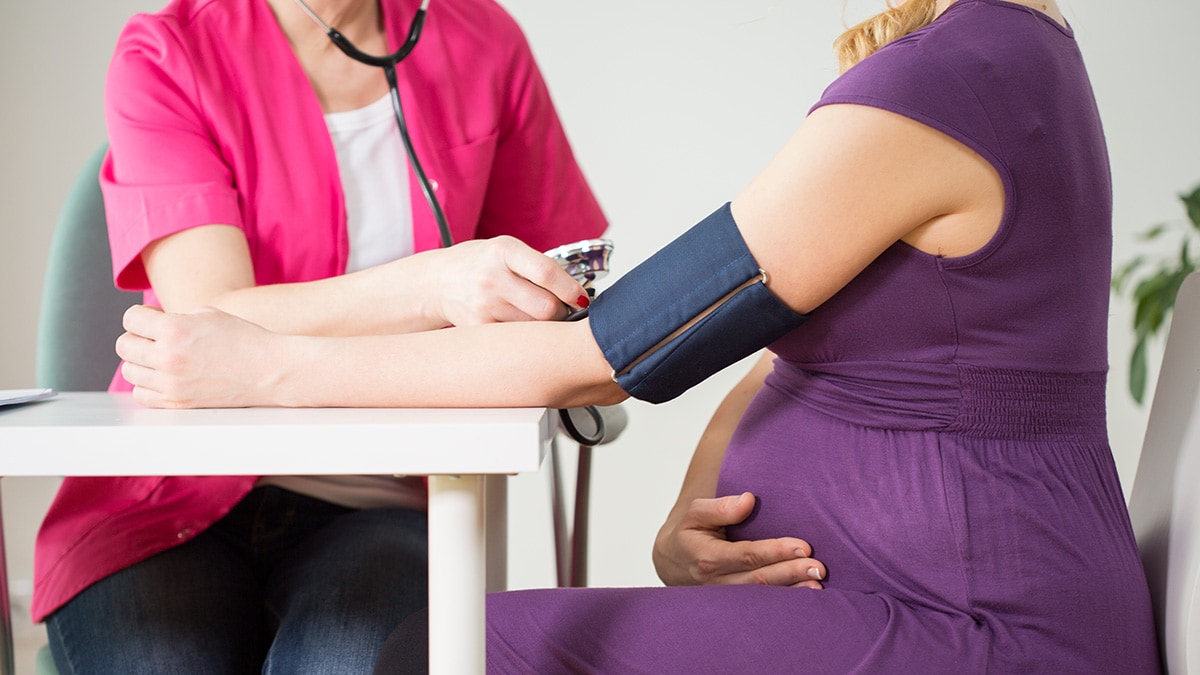
High blood pressure, also called hypertension, is a common condition that can occur before, during, or after pregnancy. Health care providers use blood pressure readings and other signs and symptoms to diagnose different types of high blood pressure during pregnancy. The type of high blood pressure you have can affect how you and your health care provider monitor and manage your pregnancy.
Types of high blood pressure during pregnancy
Health care providers diagnose high blood pressure during pregnancy when blood pressure is 140/90 mm Hg or higher on two readings taken at least 4 hours apart. Blood pressure of 160/110 mm Hg or higher is considered severe and requires prompt medical attention. Depending on when high blood pressure develops and whether other conditions are present, your health care provider may diagnose one of the following conditions:
- Chronic hypertension in pregnancy is high blood pressure that was present before pregnancy or is diagnosed before 20 weeks of pregnancy. High blood pressure that is first detected during pregnancy and persists after pregnancy may also indicate chronic hypertension.
- Gestational hypertension is high blood pressure that develops after 20 weeks of pregnancy in a woman who previously had normal blood pressure.
- Preeclampsia is a condition that usually develops after 20 weeks of pregnancy. It causes high blood pressure and may involve protein in the urine or other signs of organ dysfunction.
- Eclampsia is a medical emergency. Eclampsia is when a pregnant woman with preeclampsia has seizures that have no other cause.
Complications
Before pregnancy
High blood pressure during pregnancy can affect both the mother and baby. Complications include:
For the mother
- Preeclampsia
- Eclampsia
- Stroke
- Kidney failure
- Cesarean delivery
- Placental abruption (the placenta separating from the wall of the uterus)
For the baby
- Preterm delivery (birth that happens before 37 weeks of pregnancy)
- Low birth weight (when a baby is born weighing less than 5 pounds, 8 ounces)
- Poor growth because the baby may not receive enough oxygen and nutrients
Preeclampsia and eclampsia
Preeclampsia is one of the leading causes of pregnancy-related death and it occurs in about 2% to 8% of all pregnancies. Some women with preeclampsia develop seizures, a condition called eclampsia. Eclampsia is a medical emergency.
Symptoms
Symptoms of preeclampsia may include:
- A headache that will not go away
- Changes in vision, including blurry vision or seeing spots
- Pain in the upper stomach area
- Nausea or vomiting
- Swelling of the face or hands
- Sudden weight gain
- Trouble breathing
Some women have no symptoms of preeclampsia. That's why regular prenatal care is important.
Risk factors
You may be at higher risk for preeclampsia if you have:
- Preeclampsia in a previous pregnancy
- Multiple babies at one time
- Chronic hypertension
- Kidney disease
- Diabetes
- Autoimmune conditions, such as systemic lupus erythematosus (SLE)
- Sleep apnea
Health care professionals may recommend low-dose aspirin for some pregnant women at higher risk for preeclampsia. When started at the appropriate time, it can help reduce the risk of developing preeclampsia.
Postpartum preeclampsia
In rare cases, preeclampsia can develop after delivery. This serious condition, called postpartum preeclampsia, usually occurs within 48 hours after birth but can develop up to 6 weeks later, even in women who did not have preeclampsia during pregnancy.
Managing high blood pressure before, during, and after pregnancy
The most important thing to do is talk with your health care team about any blood pressure problems so you can get the right treatment and control your blood pressure—before you get pregnant. Getting treatment for high blood pressure is important before, during, and after pregnancy.
Before pregnancy
Make a plan for pregnancy and talk with your doctor or health care team about the following:
- Any current or past health problems and any medicines you are taking. Your doctor or health care team can help you find medicines that are safe to take during pregnancy.
- Ways to reach or maintain a healthy weight through healthy eating and regular physical activity.
During pregnancy
- Get early and regular prenatal care. Go to every appointment with your health care provider.
- Talk to your provider about any medicines you take and which ones are safe. Do not stop or start taking any type of medicine without talking with your provider. This includes over-the-counter medicines.
- Talk to your healthcare provider about taking low-dose aspirin to help prevent preeclampsia if you have risk factors for preeclampsia.
- Keep track of your blood pressure at home with a home blood pressure monitor. Contact your doctor if you have higher-than-usual blood pressure readings or symptoms of preeclampsia.
- Continue to choose healthy foods, get regular physical activity (if safe to do so), and keep a recommended gestational weight gain.
After delivery
- Pay attention to how you feel after you give birth. If you had high blood pressure during pregnancy, you have a higher risk for stroke and other problems after delivery.
- Tell your doctor or call 9-1-1 right away if you have symptoms of preeclampsia after delivery. You might need emergency medical care.
More information
For more information about high blood pressure during pregnancy, see the following resources:
- Preeclampsia and Eclampsia (NICHD)
- Pregnancy and Your Heart Health Fact Sheet (NHLBI, NIH)
- Pregnancy Complications (Office on Women's Health)
This page was last updated on this date. Updates may include minor edits, image changes, or other modifications to page content.
The information on this page was last reviewed by subject matter experts to ensure accuracy.
- American College of Obstetricians and Gynecologists' Committee on Practice Bulletins—Obstetrics. ACOG Practice Bulletin No. 203: Chronic Hypertension in Pregnancy. Obstet Gynecol. 2019 Jan;133(1):e26-e50. doi: 10.1097/AOG.0000000000003020. PMID: 30575676.
- Jones DW, Ferdinand KC, Taler SJ, et al. 2025 AHA/ACC/AANP/AAPA/ABC/ACCP/ACPM/AGS/AMA/ASPC/NMA/PCNA/SGIM Guideline for the Prevention, Detection, Evaluation, and Management of High Blood Pressure in Adults: A Report of the American College of Cardiology/American Heart Association Joint Committee on Clinical Practice Guidelines. J Am Coll Cardiol. 2025;86(18):1567-1678. doi:10.1016/j.jacc.2025.05.007
- Magee LA, Nicolaides KH, von Dadelszen P. Preeclampsia. N Engl J Med. 2022 May 12;386(19):1817-1832. doi: 10.1056/NEJMra2109523. PMID: 35544388.