



Key points
- The Alaska Area Specimen Bank is a repository of more than 700,000 samples collected to improve the health of people living in the Arctic.
- The Specimen Bank has enabled critical discoveries that improve health in Arctic communities—advancing understanding of infectious diseases, nutritional trends, cancer risks, and more.

Overview
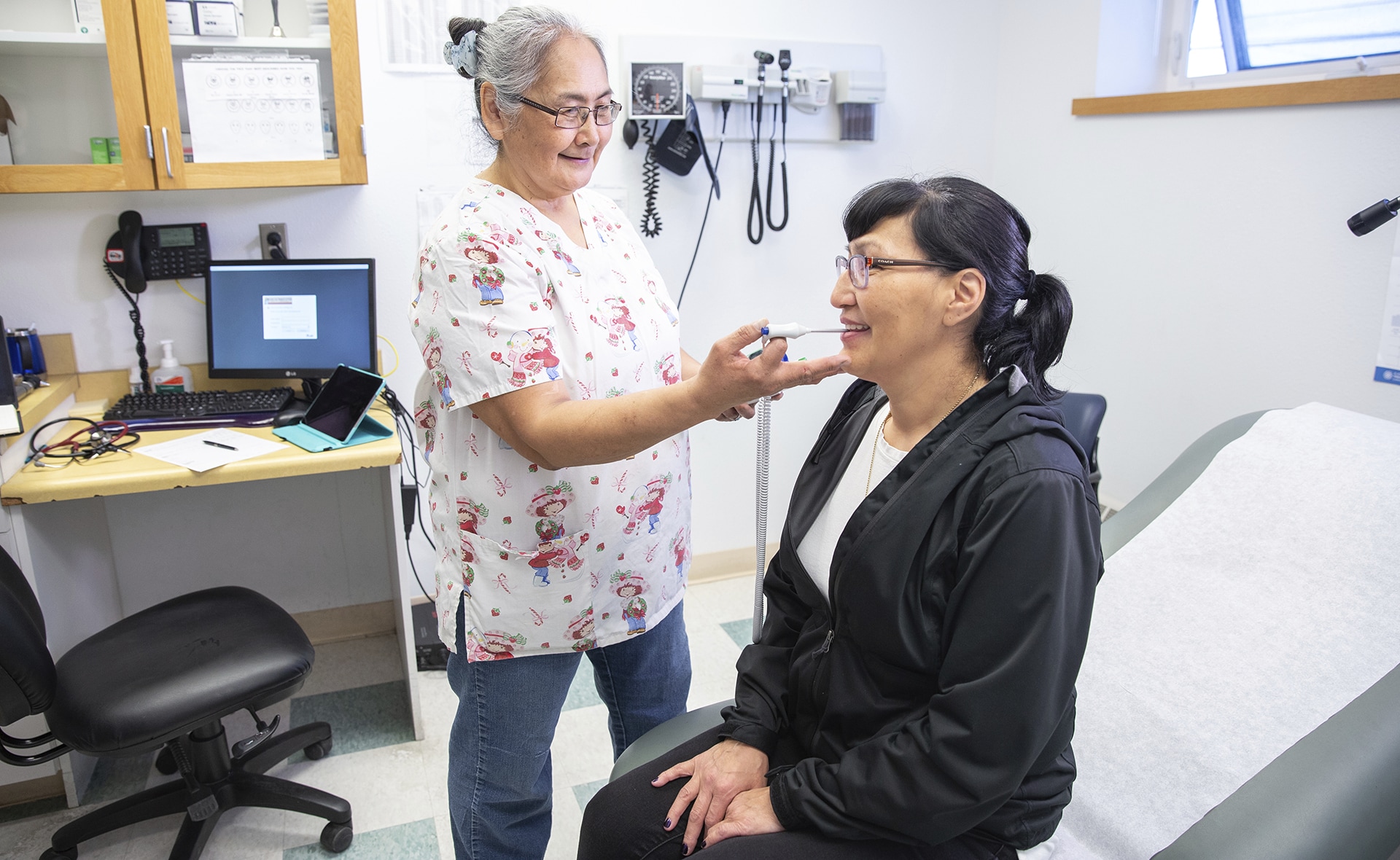
The Alaska Area Specimen Bank is a secure biorepository that supports long-term understanding of health trends among people living in the Arctic. Established through decades of collaboration, it contains more than 700,000 human specimens, most collected to study infectious diseases such as viral hepatitis. The repository is a critical resource for protecting and improving the health of Alaska Native communities.
The Specimen Bank is co-managed by CDC and Alaska Native Tribal leaders, ensuring shared stewardship, culturally grounded decision-making, and ethical use of specimens. This partnership guides how specimens are accessed, analyzed, and protected. The Specimen Bank makes sure human specimens are:
- Responsibly collected, processed, and securely stored for future public health use
- Prioritized to address the health concerns of Alaska Native people
- Used ethically, with respect for Indigenous values, adherence to federal requirements, and strict protection of data privacy
Where the Specimens Come From
Specimens originate from research studies, public health surveillance, and outbreak investigations. They include blood, tissue, and other biological samples—many collected as far back as the 1960s. A large proportion of samples were contributed by Alaska Native people, whose participation makes long-term health monitoring possible.
Use of Specimens for Research
All specimens remain the property of the individuals who provided them. Tests involving personal identifiers require participant consent. Tests without personal identifiers require approval from: The Alaska Area Institutional Review Board (IRB), Relevant Alaska Tribal Health Organizations, and The Alaska Native Tribal Health Consortium (ANTHC). This oversight ensures that research benefits communities while safeguarding individual rights.
Alaska Area Specimen Bank in Action
The Alaska Area Specimen Bank plays a vital role in understanding and improving health across the Arctic. Its carefully preserved samples have supported major studies on disease, nutrition, and emergency response. The stories below show the impact of this unique resource.
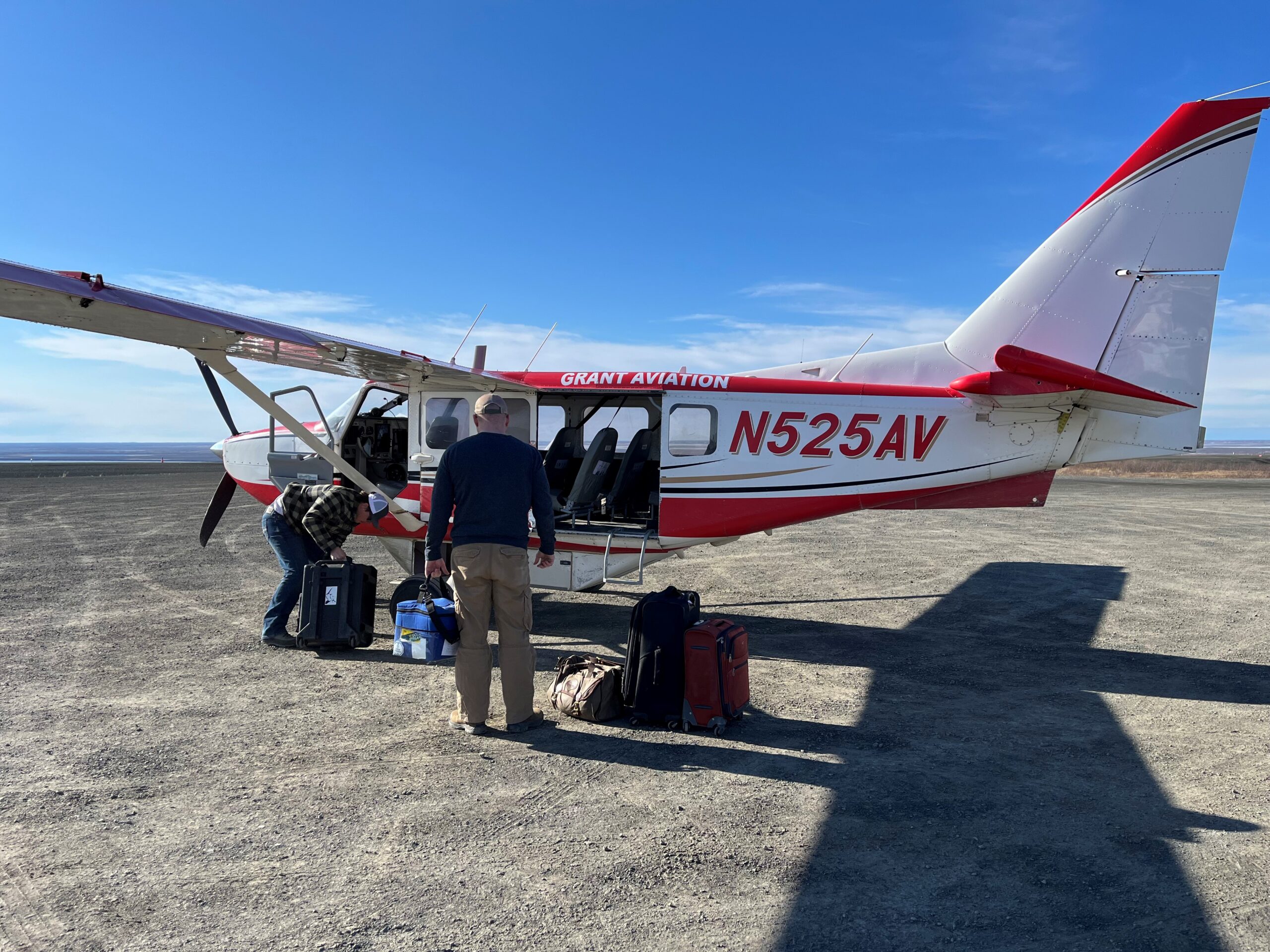
Understanding Disease Risks Where People and Wildlife Meet
In 2019, researchers used Specimen Bank samples to learn how often Alaskans had been exposed to diseases that can spread from animals to people. These diseases are especially important to study in Alaska, where hunting, wildlife work, and subsistence activities are part of everyday life.
Samples from nearly 900 people—ranging from bird hunters to wildlife biologists to people with no wildlife exposure—showed that many participants had signs of past exposure to at least one disease.
Why this matters: These findings give public health experts a baseline to track how disease risks change over time and help guide prevention efforts that protect Alaskans and their way of life.
Tracking Nutrition and Vitamin D Across Generations
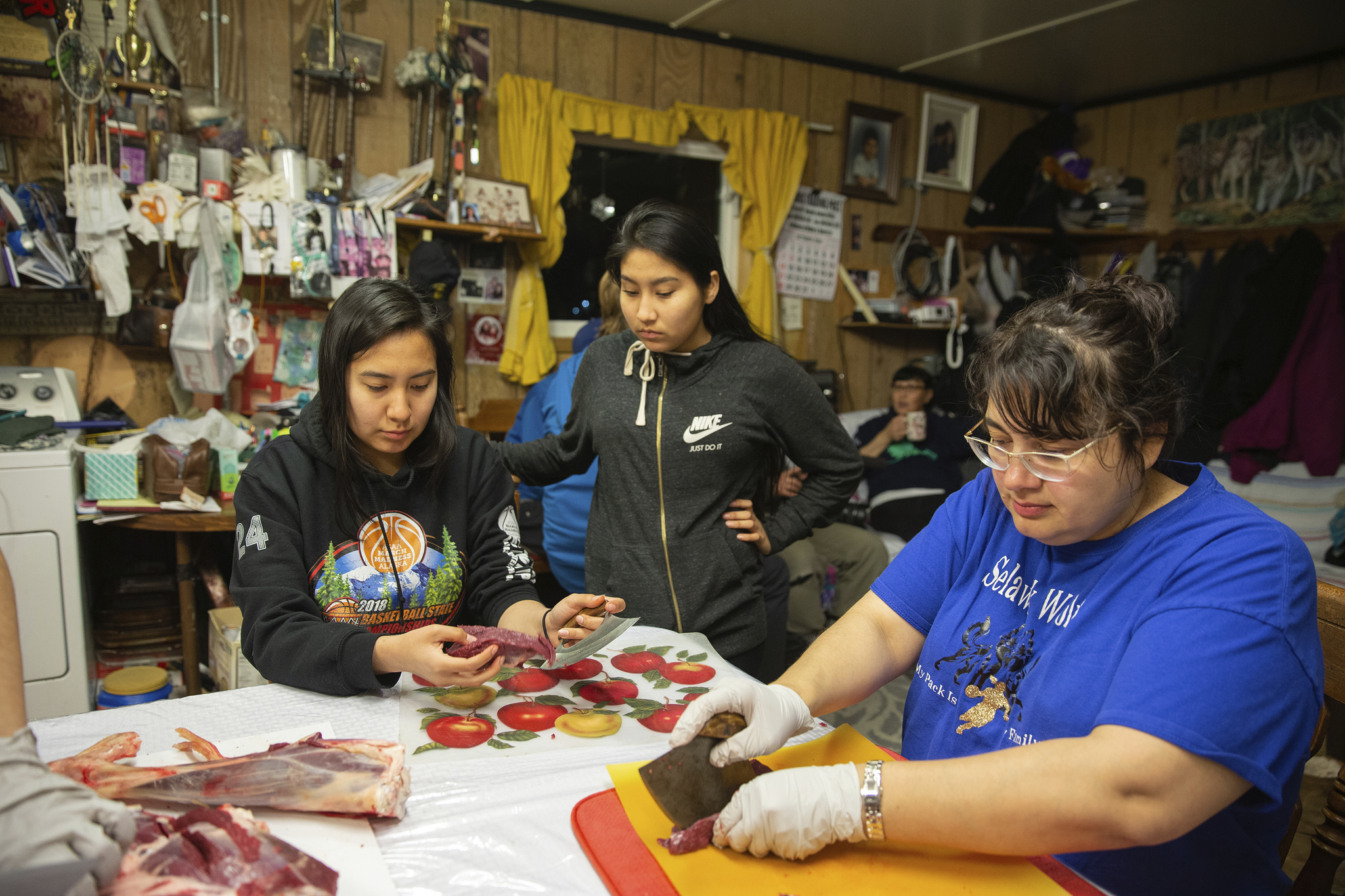
Traditional marine foods have long been a vital source of nutrition for Alaska Native communities. Using Specimen Bank samples collected over several decades, researchers examined how consumption of these foods has changed over time.
The study found a steady decline in traditional marine food intake since the 1960s, along with lower vitamin D levels in young women.
Why this matters: These changes may affect maternal and child health and highlight the importance of supporting access to traditional foods and considering vitamin D supplementation during pregnancy.
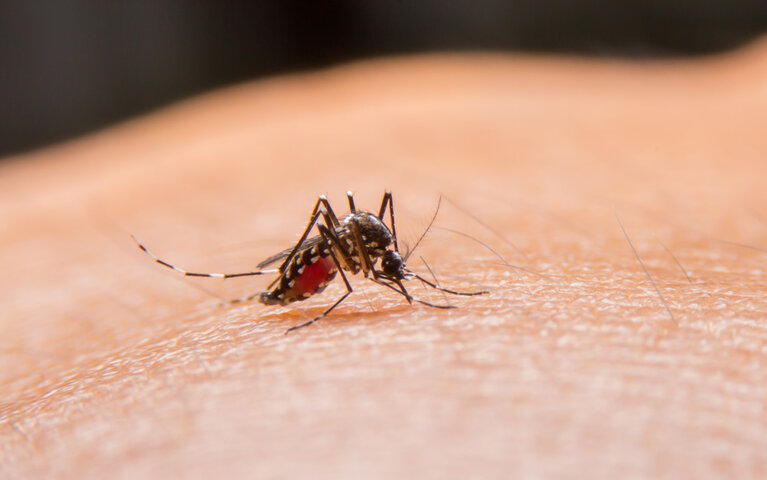
How Arctic Samples Help CDC Respond to Zika and Dengue
When CDC scientists develop new tests for emerging diseases like Zika and Dengue, they must be sure the tests don't give false results.
Samples from the Alaska Area Specimen Bank were used as negative controls, as they came from regions where these mosquito-borne diseases do not occur. This made them ideal for confirming that new tests worked correctly.
Why this matters: Arctic samples helped strengthen diagnostic tools used across the U.S. and around the world during public health emergencies.
Using Stored Samples to Understand Early-Onset Liver Cancer
Hepatitis B is a major cause of liver cancer worldwide, but Alaska Native people can develop liver cancer at much younger ages than expected. Researchers used Specimen Bank samples collected over time to better understand why.
By studying virus samples from Alaska Native patients with liver cancer, researchers identified specific changes in the virus that may speed up the development of cancer.
Why this matters: Understanding how and why liver cancer develops earlier can help improve screening, treatment, and prevention for future generations.
Why Long-Term Samples Matter for Understanding Hepatitis C
Knowing how long someone has been infected with hepatitis C is important for understanding disease outcomes. However, people may not remember exactly when they were exposed.
By testing Specimen Bank samples collected over time, researchers found that patient recall often did not match laboratory evidence.
Why this matters: Long-term specimen storage allows researchers to answer questions that interviews alone cannot—leading to more accurate and reliable studies.
H. pylori Infection and Its Link to Stomach Cancer
Alaska Native people experience stomach cancer at rates several times higher than the U.S. average. To better understand why, researchers tested Specimen Bank samples for signs of past stomach infection.
They found that people with stomach cancer were more likely to have had a long-term H. pylori infection. Certain blood markers also suggested increased cancer risk.
Why this matters: Identifying early warning signs can help guide prevention, screening, and treatment efforts in communities most affected.
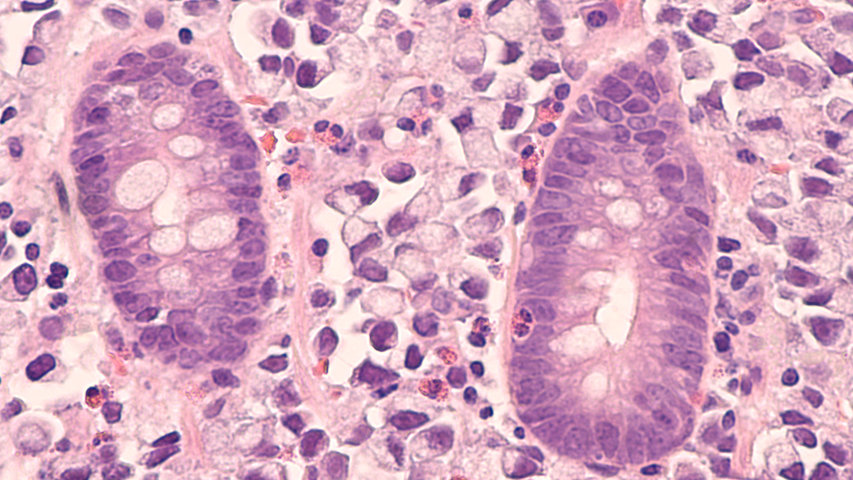
Exploring the Link Between H. pylori and Low Iron
Iron deficiency anemia is a prevalent public health issue among the Alaska Native population, with unclear causes. Previous research indicated a potential link between H. pylori infection, gastrointestinal blood loss from hemorrhagic gastritis, and iron deficiency anemia in adults.
Iron deficiency anemia has affected many Alaska Native people for generations, but the causes have not always been clear. Researchers used Specimen Bank samples to explore whether a common stomach infection might play a role.
The study found that most participants—especially children and teens—showed signs of H. pylori infection. Those with infection were more likely to have low iron levels.
Why this matters: Treating or preventing infection could help reduce iron deficiency and improve health outcomes, especially for young people.
- Human Seroprevalence to 11 Zoonotic Pathogens in the U.S. Arctic, Alaska - PubMed
- The changing epidemiology and aetiology of hepatocellular carcinoma from 1969 through 2013 in Alaska Native people - PubMed
- Declines in traditional marine food intake and vitamin D levels from the 1960s to present in young Alaska Native women - PubMed
- Helicobacter pylori infection and markers of gastric cancer risk in Alaska Native persons: a retrospective case-control study - PubMed
- The effect of Helicobacter pylori infection on iron stores and iron deficiency in urban Alaska Native adults - PubMed
- Estimating the date of hepatitis C virus infection from patient interviews and antibody tests on stored sera - PubMed