At a glance
Protecting Americans from the threat of antimicrobial resistance, or drug resistance, is not possible without CDC's partnerships with other governmental and non-governmental organizations. To support our partners, CDC developed a toolkit with materials that were informed by formative research and designed to educate healthcare professionals, the public, and other stakeholders on the threat of antimicrobial resistance and the everyday actions people can take to prevent infections and the spread of drug-resistant germs.
How to use this toolkit
Here are five ways you can consider using these resources with your networks:
- Boost audience engagement by posting content across your social media channels.
- Enhance your website with ready-to-use graphics.
- Strengthen your presentations with talking points and visuals.
- Raise awareness by sharing these resources in your newsletters.
- Connect with your community by distributing fact sheets and showing videos at events.
![[thumbnail] (hidden)](/antimicrobial-resistance/media/images/Partner-Resources-Toolkit-Flyer-thumb.jpg)
What's included
The toolkit includes key messages, graphics, videos, and other resources to support communication and education efforts for various audiences, including healthcare professionals, the public, and other key stakeholders.
Key messages
For the general public
Headline: Millions of drug-resistant infections occur in the U.S. each year
Newsletter copy: People across the country are getting infections — like urinary tract infections, foodborne infections, and sexually transmitted infections — that are resistant to the drugs designed to treat them. Help protect yourself and those you care for by taking everyday actions like keeping your hands clean, preparing food safely, and practicing safer sex. Learn more about what you can do to prevent the spread at cdc.gov/antimicrobial-resistance.
For healthcare and public health professionals
Headline: Millions of drug-resistant infections occur in the U.S. each year
Newsletter copy:
People across the country are getting infections — like urinary tract infections, foodborne infections, and sexually transmitted infections — that are resistant to the drugs designed to treat them. Help protect your patients and the public by recommending everyday actions like keeping hands clean, preparing food safely, getting recommended vaccinations, and practicing safer sex. To support our partners, CDC developed a toolkit for communicating about antimicrobial resistance. The materials in the toolkit are designed for partners to use when educating healthcare professionals, the public, and other stakeholders on the threat of antimicrobial resistance and the everyday actions people can take to prevent infections and the spread of drug-resistant germs.
Download and share free resources at cdc.gov/antimicrobial-resistance.
For use in longer format articles, presentations, etc. with the general public
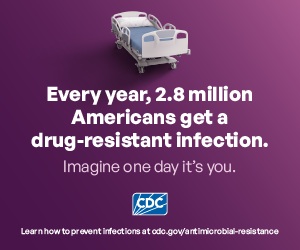
- Every year, millions of Americans get a drug-resistant infection.
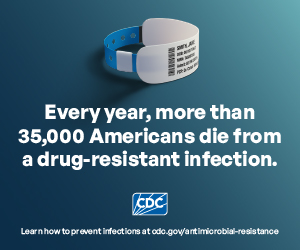
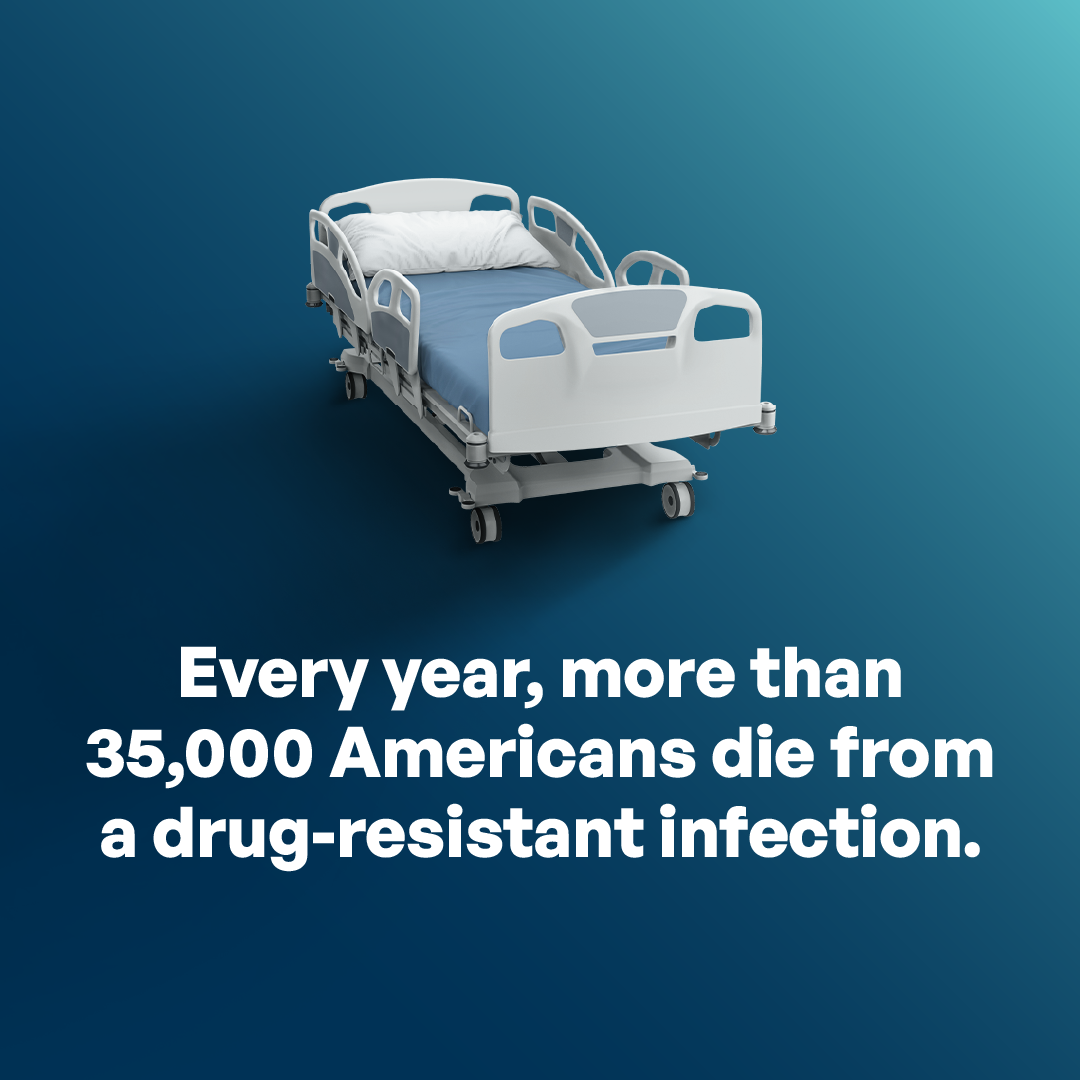
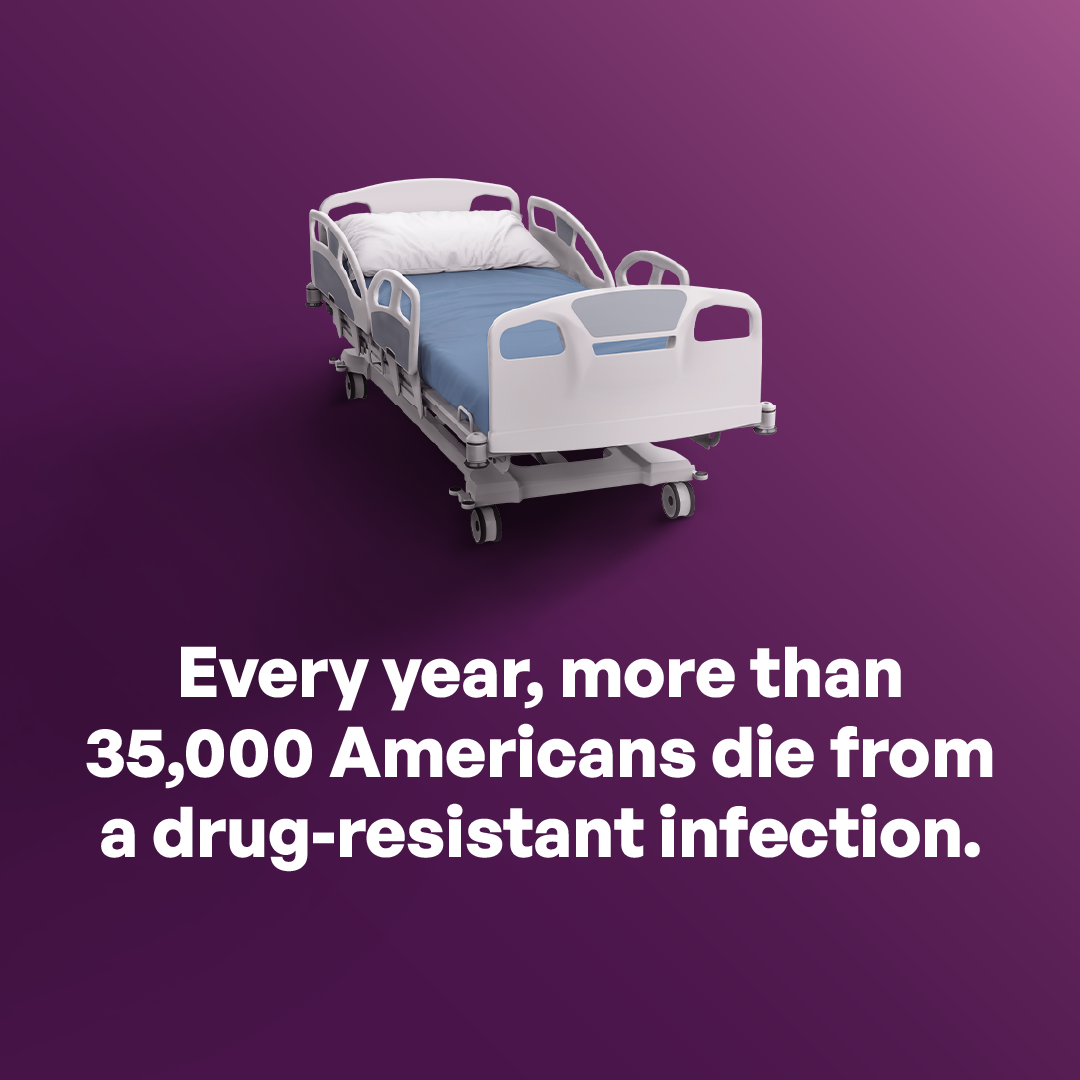
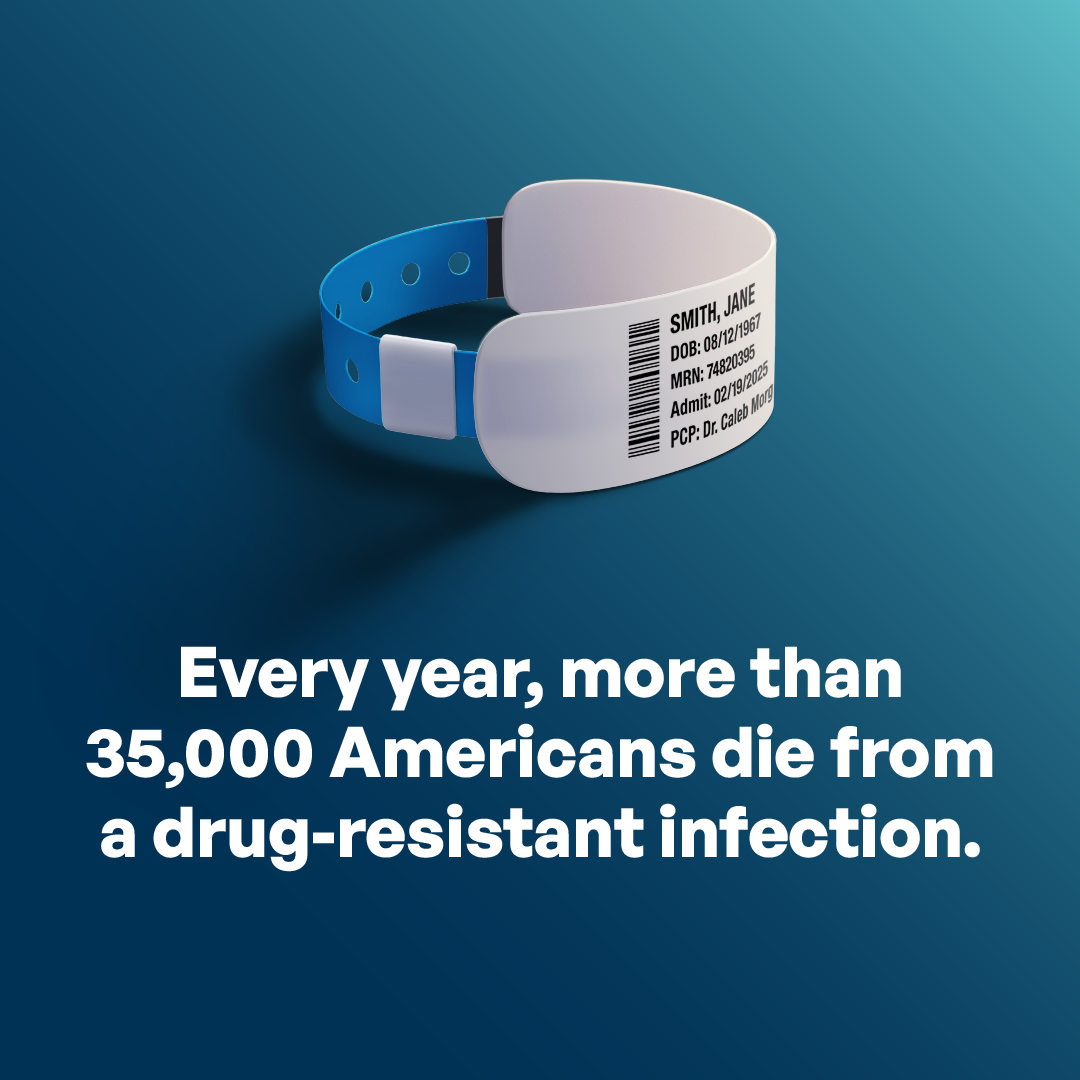
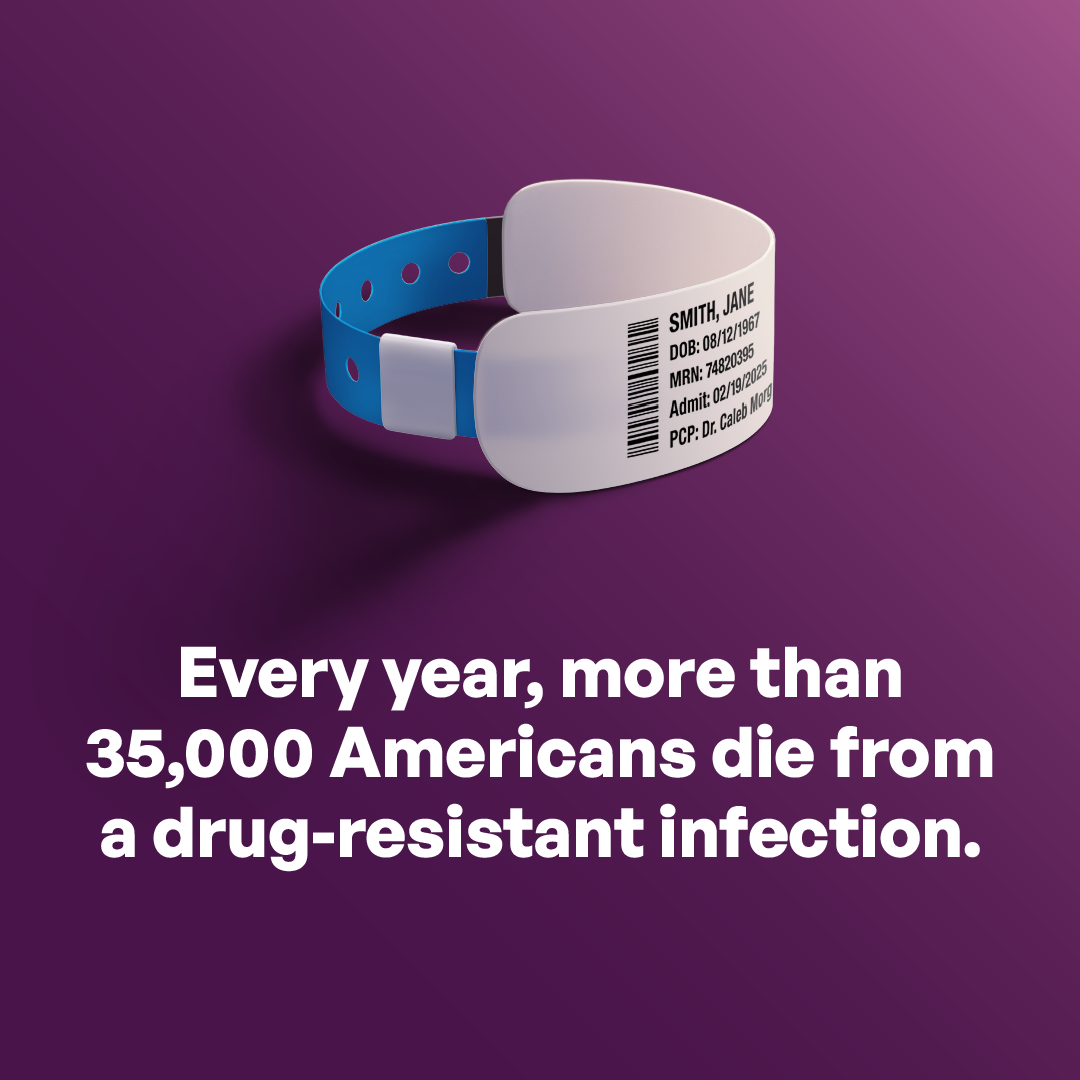
- More than 35,000 Americans die from a drug-resistant infection every year.
- Drug-resistant infections are caused by germs that have developed the ability to defeat the drugs designed to kill them.
- Drug-resistant infections can be difficult, or impossible, to treat.
- Anyone, anywhere, at any stage of life – regardless of health status – can get a drug-resistant infection.
- Everyday actions can help prevent infections and the spread of drug-resistant germs:
- Keep hands clean
- Prepare food safely
- Practice safer sex
- Talk to a healthcare provider about getting the vaccines recommended for you
- Take antibiotics and antifungals exactly as prescribed
Learn what you can do to prevent the spread of drug resistance at cdc.gov/antimicrobial-resistance.
For use in longer format articles, presentations, etc. with healthcare or public health professionals
- Each year, millions of Americans get a drug-resistant infection.
- More than 35,000 Americans die from a drug-resistant infection every year.
- Antimicrobial resistance – or drug resistance – is caused by germs that have developed the ability to defeat the drugs designed to kill them.
- Drug-resistant infections can be difficult, or impossible, to treat.
- All healthcare professionals have a role to play in raising awareness about antimicrobial resistance and educating patients and their families about how to prevent infections from happening in the first place.
- Healthcare providers can prevent the development and spread of antimicrobial resistance by prescribing antibiotics and antifungals appropriately. They can also educate patients about actions to prevent infections:
- Keep hands clean
- Prepare food safely
- Practice safer sex
- Talk about the importance of getting recommended vaccinations
- Educate patients about taking antibiotics and antifungals exactly as prescribed
Learn how you can play a role in preventing the spread of antimicrobial resistance at cdc.gov/antimicrobial-resistance.
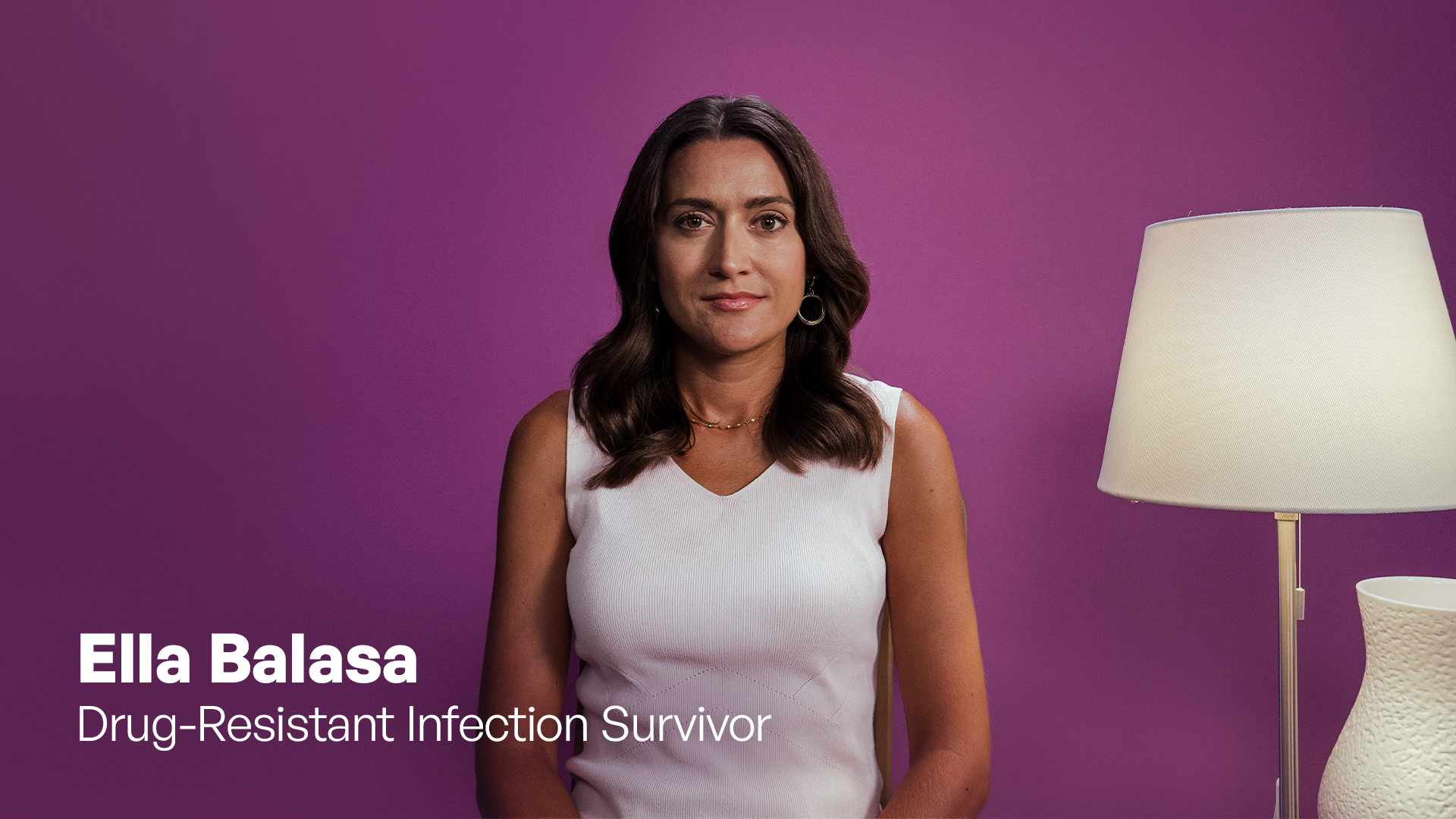
Videos
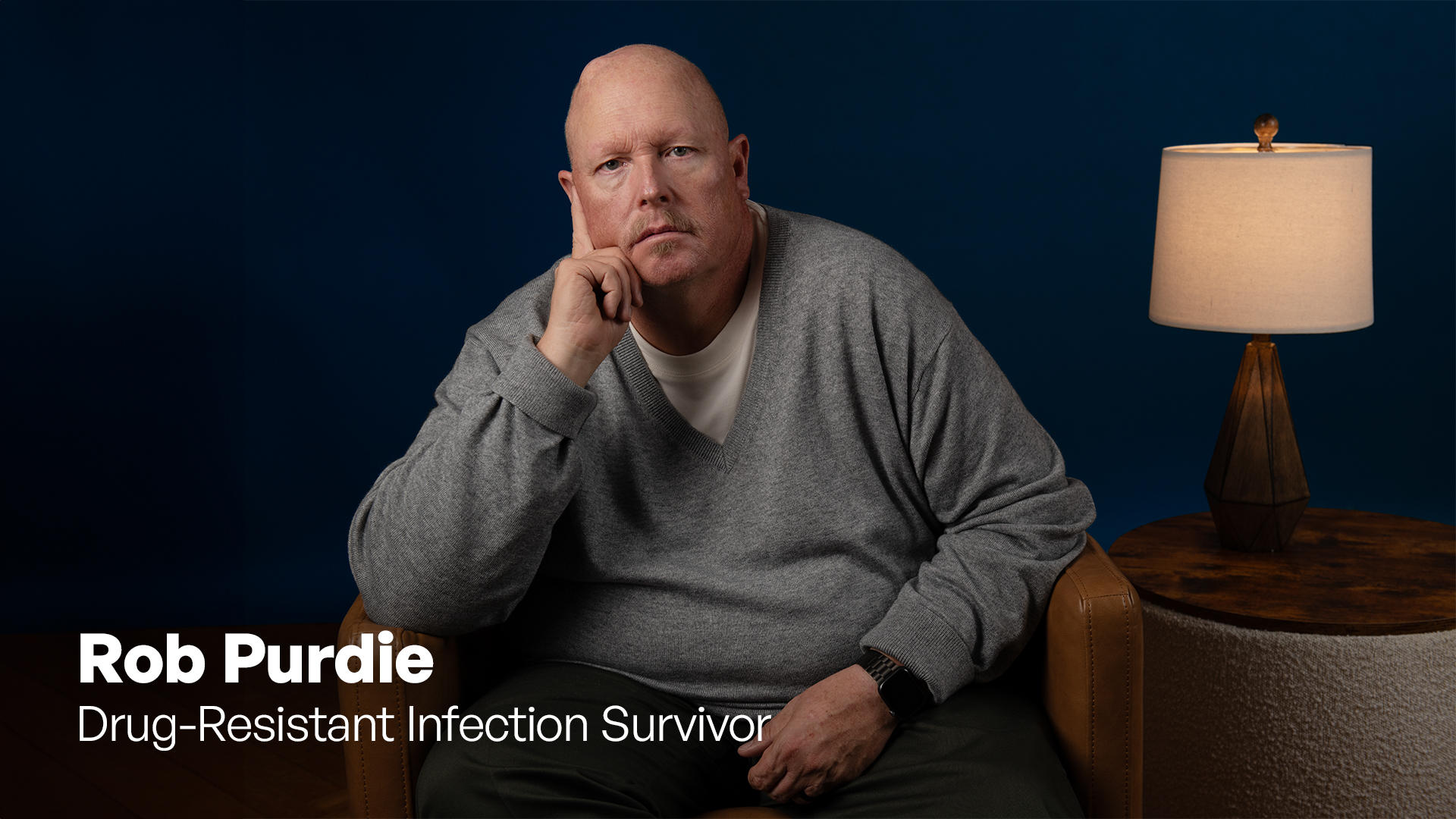
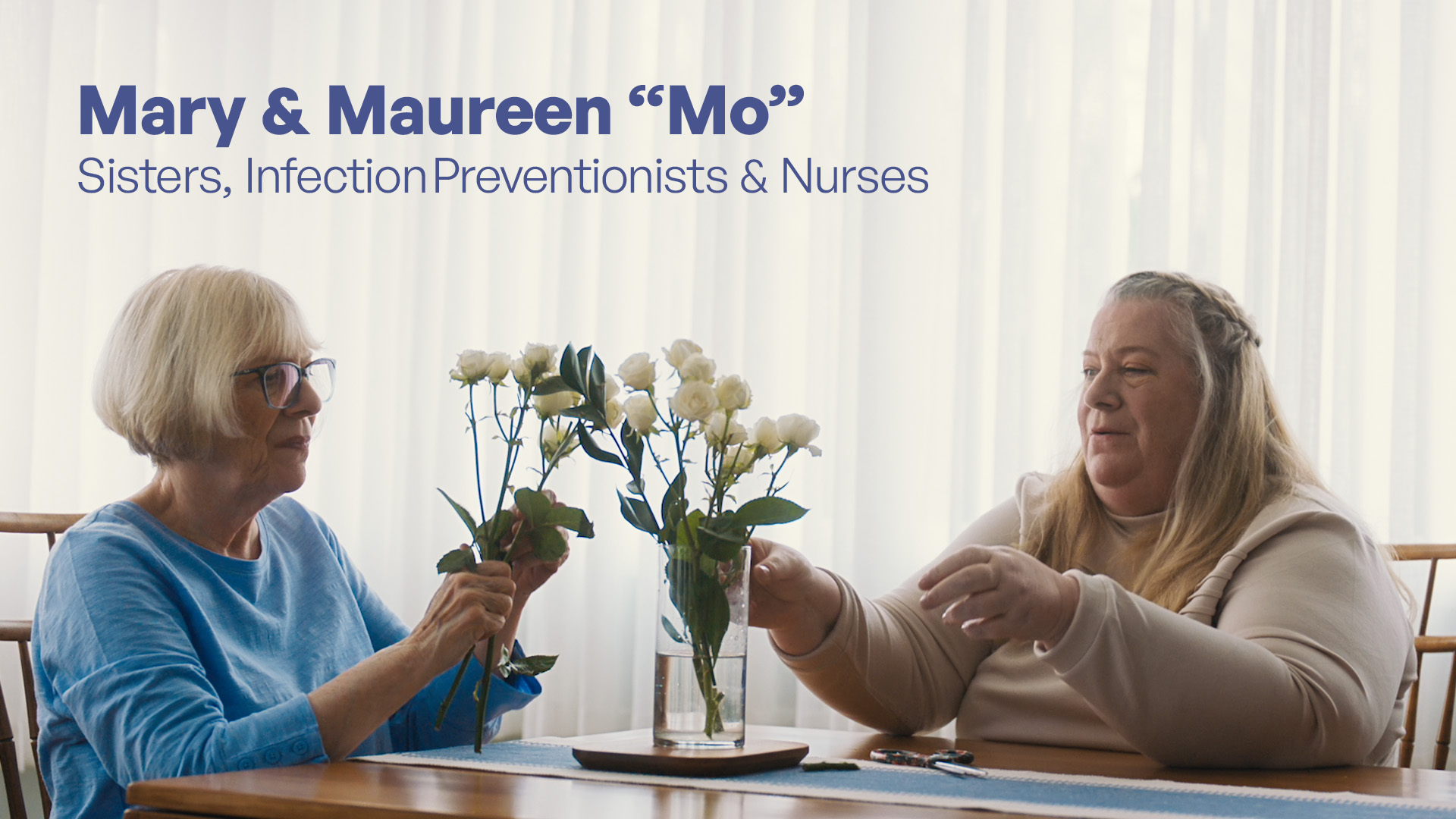
Resource library