- Feature #1 - BMI - Body Mass Index
- Feature #2 - Childhood Obesity
- Feature #3 - Healthy Weight
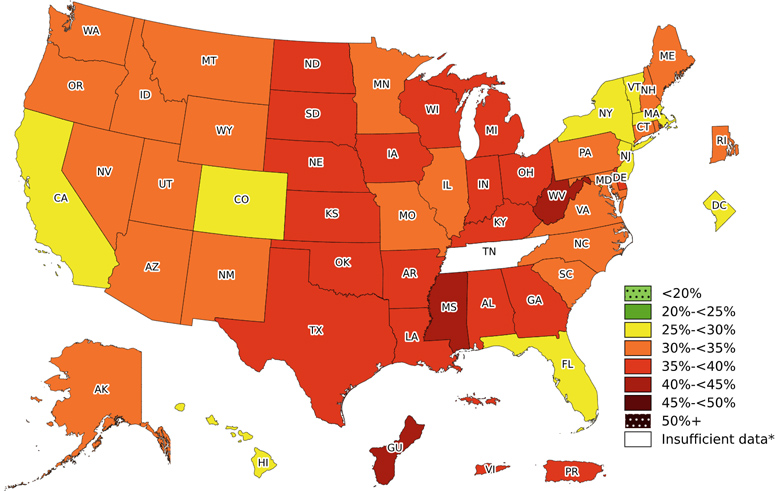
American society has become 'obesogenic,' characterized by environments that promote increased food intake, nonhealthful foods, and physical inactivity. Policy and environmental change initiatives that make healthy choices in nutrition and physical activity available, affordable, and easy will likely prove most effective in combating obesity.
The Division of Nutrition, Physical Activity, and Obesity (DNPAO) is working to reduce obesity and obesity-related conditions through state programs, technical assistance and training, leadership, surveillance and research, intervention development and evaluation, translation of practice-based evidence and research findings, and partnership development.
Recommendations
- Recommended Community Strategies and Measurements to Prevent Obesity in the United States.
- Surgeon General’s Vision for a Healthy and Fit Nation 2010, including fact sheets and more.
- The Surgeon General's Call to Action to Prevent and Decrease Overweight and Obesity, 2001.
Other Overweight and Obesity Topics
Weight of the Nation Conference Materials
On July 27-29, 2009, the Centers for Disease Control and Prevention's Division of Nutrition, Physical Activity, and Obesity, hosted its inaugural conference on obesity prevention and control, Weight of the Nation, in Washington, D.C. Weight of the Nation provided a forum to highlight progress in the prevention and control of obesity through policy and environmental strategies framed around four intervention settings: community, medical care, school, and workplace.
Obesity Prevalence Among Low-Income, Preschool-Aged Children 1998–2008
One of 7 low-income, preschool-aged children is obese, but the obesity epidemic may be stabilizing.
New Obesity Data Shows Blacks Have the Highest Rates of Obesity
Blacks had 51 percent higher prevalence of obesity, and Hispanics had 21 percent higher obesity prevalence compared with whites.
CDC's LEAN Works!
Identifies science-based interventions that work to prevent and control obesity and provides the tools that employers need to take action.
The Web site provides a variety of resources to employers including an obesity cost-calculator where employers can input employee demographic data to estimate the total costs associated with obesity and determine annual obesity-related medical costs for their companies.
Weight Management Research to Practice Series
Designed to summarize the science on weight management topics for health professionals, this series provides summary documents appropriate for public health professionals, including implications for practice. In addition, each installment in the series will be accompanied by a tool geared toward a lay audience, which can be used by health professionals in practice.
Obesity At A Glance 2009 - Halting the Epidemic by Making Health Easier (PDF-3.8Mb)
CDC's Division of Nutrition, Physical Activity, and Obesity (DNPAO) is working to reduce obesity and obesity-related conditions through state programs, technical assistance and training, leadership, surveillance and research, intervention development and evaluation, translation of practice-based evidence and research findings, and partnership development.
Community Guide - Obesity Prevention
The Community Guide conducted systematic reviews of interventions of healthcare providers, schools, worksites and more.
Preventing Chronic Disease
The July issue of Preventing Chronic Disease (PCD) features research on childhood obesity and an editorial about the opportunities and challenges for CDC's National Center for Chronic Disease Prevention.
Obesity and Women Podcast (3:57)
This women's health podcast focuses on obesity in women and girls. It discusses obesity-related health risks and includes tips to help achieve and maintain a healthy weight.
Date Released: 5/11/2009
Make a Difference at Your School: Key Strategies to Prevent Obesity
Obesity is a risk factor for health conditions such as diabetes and is associated with problems such as poor self-esteem. The good news is that schools can help students and staff adopt healthy eating and physical activity behaviors that are the keys to preventing obesity.
Other Healthy Lifestyle Topics
State-Based Programs
CDC's State-Based Nutrition and Physical Activity Program to Prevent Obesity and Other Chronic Diseases
The U.S. Department of Health and Human Services (HHS) today awarded more than $119 million to states and U.S. territories to support public health efforts to reduce obesity, increase physical activity, improve nutrition, and decrease smoking-the four most important actions for combating chronic diseases and promoting health. This money supports the one of several components in the Department’s comprehensive prevention and wellness initiative, Communities Putting Prevention to Work, which is funded under the American Recovery and Reinvestment Act of 2009.
Adult BMI (Body Mass Index) Calculator Widget
You can add this widget to your Web site to let anyone calculate their BMI. This calculator provides BMI and the corresponding weight category. Use this calculator for adults, 20 years old and older.
Get the code on the CDC Widgets Page.
Get Involved! Healthy People 2020
You are invited to make comments or suggestions as part of the collaborative process of building Healthy People 2020. Healthy People 2020 will provide science-based, 10-year national objectives for promoting health and preventing disease.
Please note: Some of these publications are available for download only as *.pdf files. These files require Adobe Acrobat Reader in order to be viewed. Please review the information on downloading and using Acrobat Reader software.
Contact Us:
- Centers for Disease Control and Prevention
1600 Clifton Rd
Atlanta, GA 30333 - 800-CDC-INFO
(800-232-4636)
TTY: (888) 232-6348
24 Hours/Every Day - cdcinfo@cdc.gov