



Key points
- You can do many things to protect yourself and your family after a volcanic eruption.
- Pay attention to warnings and obey instructions from local authorities.
- Protect yourself and others from ash.
Stay safe after a volcanic eruption
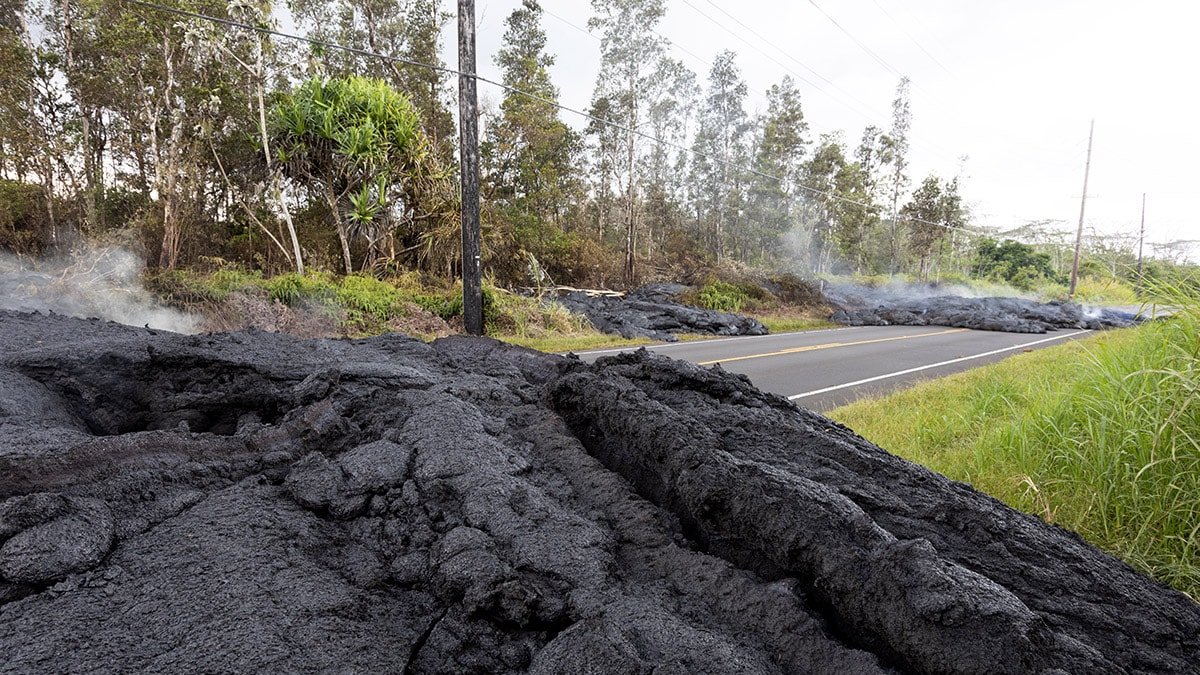
Listen to authorities and stay informed.
- Pay attention to warnings, and obey instructions from local authorities. For example, stay indoors until local health officials tell you it is safe to go outside.
- Listen to local news updates for information about air quality, drinking water, and roads.
Protect yourself from ash.
Keep ash out of your home.
- Turn off all heating and air conditioning units and fans, and close windows, doors, and fireplace and woodstove dampers to help keep ash and gases from getting into your house.
- Replace disposable furnace filters or clean permanent furnace filters frequently.
- If your drinking water has ash in it, use another source of drinking water, such as purchased bottled water, until your water can be tested.
Protect your health.
- Stay away from ashfall areas, if possible. Avoid contact with ash as much as you can.
- Keep your skin covered to avoid irritation from contact with ash.
- Wear goggles to protect your eyes from ash.
- Do not travel unless you have to. Driving in ash is hazardous to your health and your car. Driving will stir up more ash that can clog engines and stall vehicles.
- Clear roofs of ash. Ash is very heavy and can cause buildings to collapse. Be very cautious when working on a roof. Ash can be slippery and make it easy to fall.
Keep Reading
Guidelines for Cleaning Safely After a Disaster
Wear a respirator to protect your lungs from ash.
Exposure to ash can harm your health, particularly your ability to breathe well.
- Wear a NIOSH Approved N95 respirator (also known as an "air purifying respirator") to protect yourself while you are outdoors or while you are cleaning up ash that has gotten indoors.
- If you don't have a NIOSH Approved N95 respirator, you can protect yourself by using a nuisance dust mask as a last resort, but you should stay outdoors for only short periods while dust is falling. Nuisance dust masks can provide comfort and relief from exposure to relatively non-hazardous contaminants such as pollen, but they do not offer as much protection as a particulate respirator. Note that disposable particulate respirators do not filter toxic gases and vapors.
Be aware of other hazards
Volcanic eruptions may result in floods, landslides and mudslides, power outages, and wildfires. Learn more:
Preparation, planning, and practice are key to surviving an earthquake.
Learn how to prepare for a flood and stay safe during and after a flood.
Know what to do to protect yourself if you live in an area prone to landslides or mudslides.
Learn how to protect yourself and your family from a wildfire.
Follow these tips to help you prepare for and cope with sudden loss of power.
Resources
- Natural Disasters and Severe Weather
- American Red Cross: Volcano
- Federal Emergency Management Agency: Volcanoes: Are You Ready?
- U.S. Geological Survey
- Washington State:
- Volcanoes (also available in Spanish)
- Mount St. Helens | U.S. Geological Survey
- Hawai'i:
Content Source
National Center for Environmental Health
About This Page
Published: May 15, 2024
Updated: August 25, 2026
This page was last updated on this date. Updates may include minor edits, image changes, or other modifications to page content.
Reviewed: August 25, 2026
The information on this page was last reviewed by subject matter experts to ensure accuracy.