



What to know
- As teens with spina bifida grow up, they will continue to become more independent and will perform more activities themselves.
- Young adults and adults with spina bifida can live and work independently. It's important that they know how to manage their own health and health care.
Transitioning into adulthood
Plan for independent living
Beginning in childhood, caregivers should encourage independence so that when they are teenagers, individuals with spina bifida have the skills to bathe and dress themselves, manage their own bathroom plans, and can move independently in their homes and communities.
Teens and young adults with spina bifida might begin to make their own doctor appointments or participate in updating their own Individualized Education Plan (IEP) or 504 Plan, if they have one. By developing self-management skills as a young adult, individuals with spina bifida will be more independent as they get older.
The transition to adulthood for teens with spina bifida is in many ways the same as it is for other teens, but additional considerations should be given for:
- Managing their own healthcare
- Exploring college or vocational school opportunities
- Having healthy relationships
- Deciding where the person with spina bifida wants to live
- Exploring work opportunities
- Volunteering in the community
Getting around
Physical activity
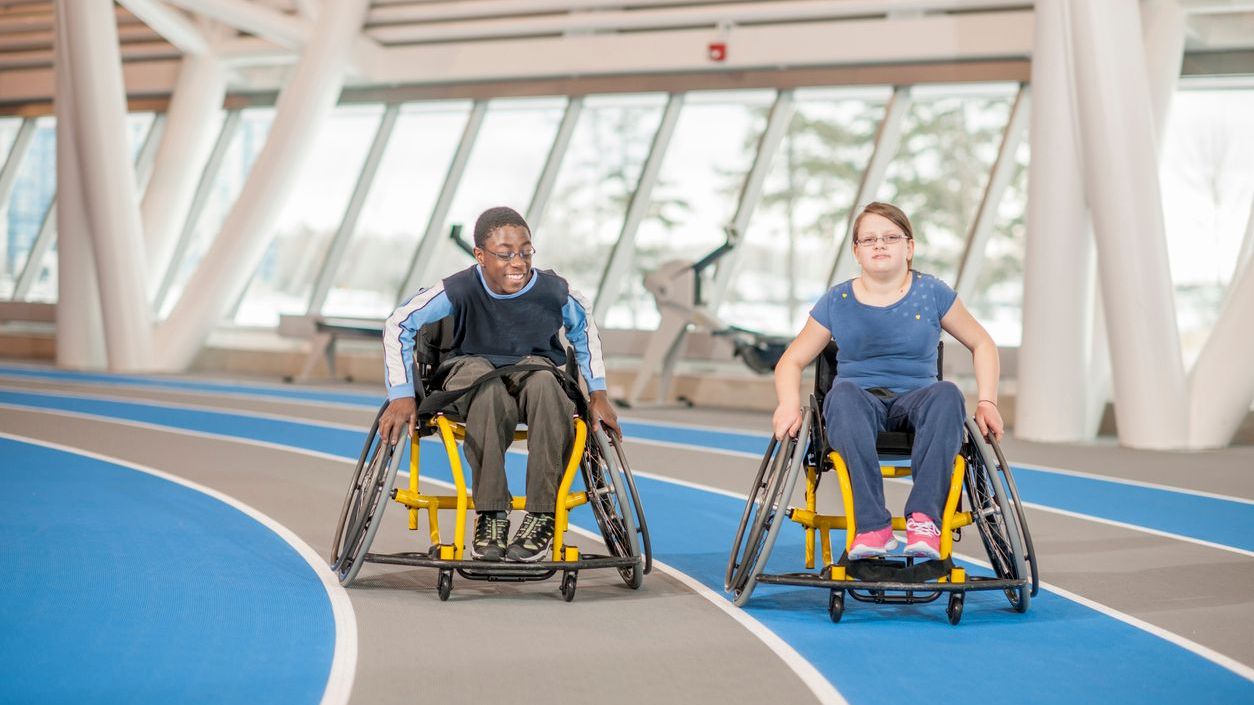
Regular physical activity is important for everyone, but especially for those with conditions that affect movement, like spina bifida. HHS recommends 60 minutes of physical activity each day. There are many ways for teens, young adults, and adults with spina bifida to be active. This can include general exercise like:
- Rolling or walking in the neighborhood
- Lifting weights at home or in a gym
- Organized sports for people with disabilities
- Attending accessible summer camps or recreational facilities
Wheelchair evaluation
Teens with spina bifida who use a wheelchair should have it evaluated at least once a year. This evaluation makes sure the wheelchair fits correctly and that moving is as easy as possible.
Transportation
Being safely mobile in their communities helps teens and young adults with spina bifida become more independent. Many individuals with spina bifida have issues that can affect safe driving. A driver rehabilitation evaluation specialist can identify these issues and assess whether modifications to the car would make it more accessible. Learning to safely use buses, cabs, and ride-hailing services can help teens and young adults live a more independent life.
Supporting independent care
Managing physical health
Young adults with spina bifida can provide or manage much of their own care. Some examples include:
- Finding doctors that care for adults with spina bifida
- Obtaining medical insurance
- Talking to health care providers about their condition
- Making doctor appointments
- Ordering and reordering medications and supplies
- Seeking immediate medical help when needed
- Managing their own bathroom plan
Sexual health
Starting in adolescence, caregivers can encourage teens and young adults with spina bifida to talk with their healthcare professional about sexuality, sexual functioning, contraceptives, and reproductive concerns. Spina bifida causes nerve damage that can affect sexual functioning, however, most people with spina bifida are fertile and can have children. Individuals with spina bifida should discuss their pregnancy plans with a provider and get a prescription for high dose folic acid.
Mental health
People with spina bifida may experience depression or other mental health challenges in adolescence and/or adulthood. If you are experiencing worried, anxious, sad, or stressed feelings that don't go away and interfere with daily life, you should talk with other people about your feelings. This can include a family member, school counselor, or healthcare professional. Depression and other mental health concerns can be treated.
Young adults with spina bifida might feel isolated from others or have low self-esteem. This can cause them to become depressed. There are different ways to treat depression. Exercise can be effective. Counseling or medication also might be needed. Participating in peer support groups can also help.
If you have questions about mental health or getting mental health services, speak with your doctor or licensed mental health professional. A nearby health facility or your state mental health agency also may be able to help.
For more information, please visit the following website:
This page was last updated on this date. Updates may include minor edits, image changes, or other modifications to page content.
The information on this page was last reviewed by subject matter experts to ensure accuracy.
- Sandler, Adrian, M.D.(2004). Living with Spina Bifida: A Guide for Families and Professionals. University of North Carolina Press: Chapel Hill.
- Spina Bifida Association. Guidelines for the Care of People with Spina Bifida. 2018. http://www.spinabifidaassociation.org/guidelines/
- The Association for Driver Rehabilitation Specialists. Driving and Spina Bifida.