



At a glance
CDC has developed a laboratory method to conduct molecular testing for P. falciparum and P. vivax. This testing can help identify markers of resistance, strain relatedness, and geographic origin.
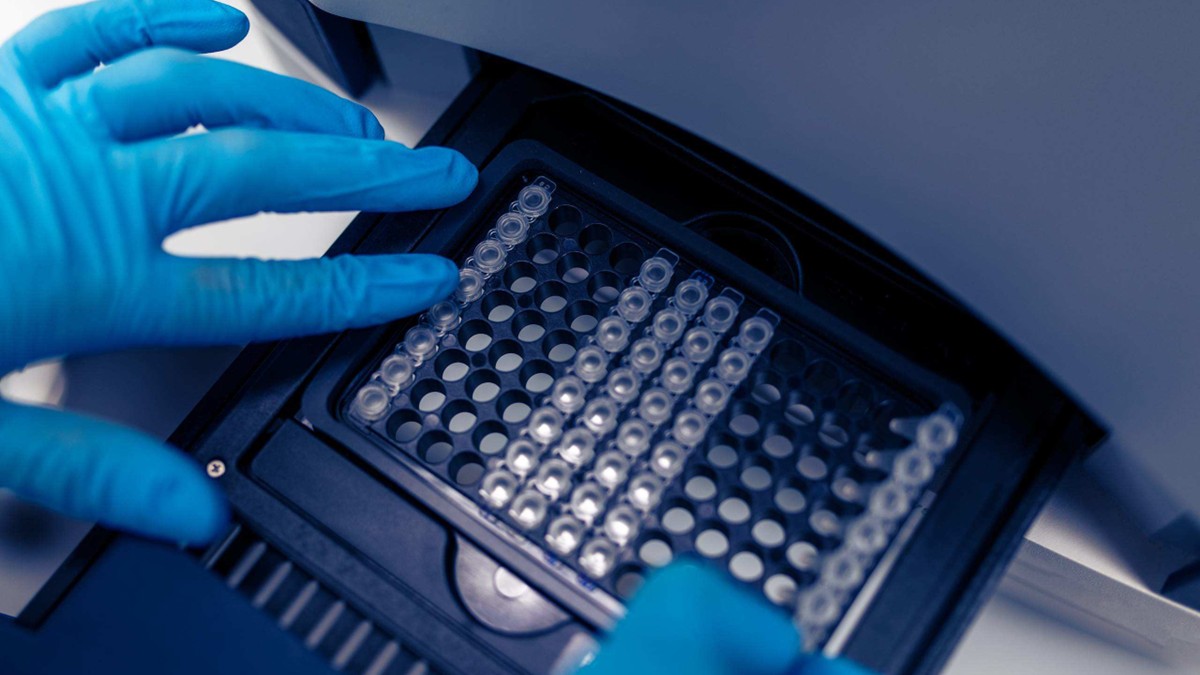
Malaria molecular testing
State public health laboratories are welcome to submit any malaria specimens to CDC for molecular testing; however, there are some specific circumstances where CDC is particularly interested in conducting this testing.
Cases where malaria molecular testing may be particularly useful
- Any concern of drug resistance or recrudescent illness:
- If the case-patient was on any type of chemoprophylaxis and developed malaria
- If the case-patient continued to have positive blood smears after completing treatment
- If the case-patient continued to have symptoms after completing treatment (if parasite clearance is not documented)
- Please contact malaria@cdc.gov and malarialab@cdc.gov.
- Any unusual cases under enhanced investigation
- No history of recent travel or other risk factors
- Concern for transfusion transmitted malaria or other blood-borne transmission
- Please contact CDC Malaria hotline (770-488-7788 or malaria@cdc.gov) if you would like to submit a specimen for a case with concern of drug resistance or under enhanced investigation.
Preferred sample type is refrigerated whole blood, treated with EDTA:
- If whole blood is not available we may be able to accept other specimens, please reach out to malarialab@cdc.gov to discuss options.
- For detailed instructions on how to send, please reach out to the malaria laboratory (malarialab@cdc.gov).
This page was last updated on this date. Updates may include minor edits, image changes, or other modifications to page content.
The information on this page was last reviewed by subject matter experts to ensure accuracy.