At a glance
- CDC's decades-long investments toward strengthening the DRC's health systems helped build a strong foundation for local health officials to quickly detect and contain the country's 16th Ebola outbreak, reducing the risk of international spread.
- CDC contributed to efforts that stopped the outbreak within weeks, protecting Americans from the deadly disease.
The outbreak
On September 4, 2025, the Ministry of Public Health, Hygiene, and Social Welfare (MOH) of DRC announced the country's 16th Ebola outbreak. This time, Ebola had emerged within the Bulape Health Zone in the country's Kasai Province.
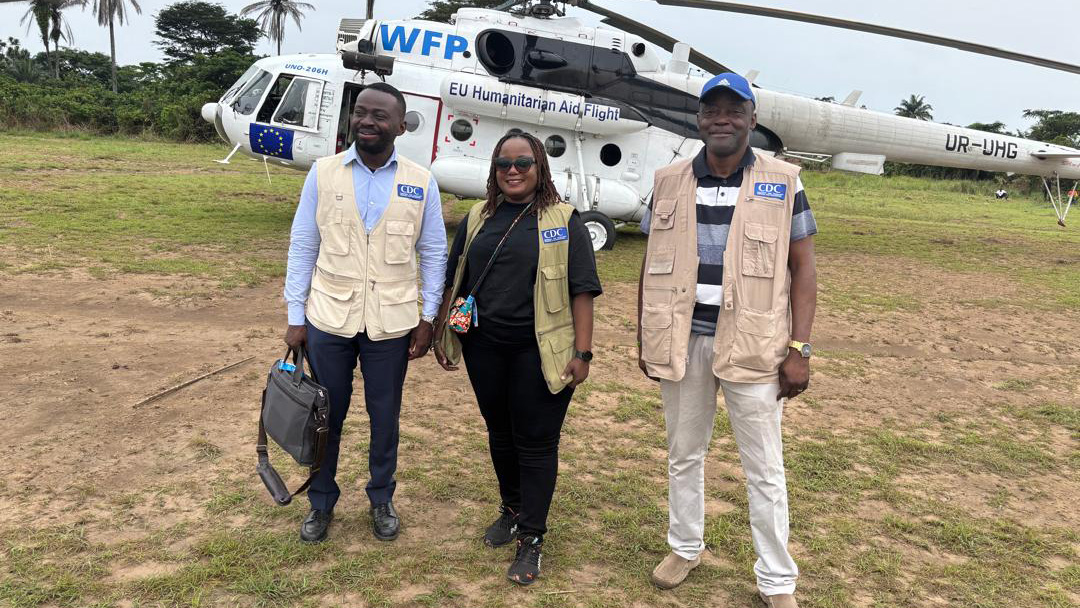
Within 24 hours, CDC's DRC Country Office deployed experts to the outbreak's epicenter, leveraging trusted relationships built over more than 20 years with the Government of the DRC. This marked the beginning of intensive efforts to support the MOH in stopping the virus's deadly spread at its source, before it could spread beyond DRC's borders or pose a risk to the United States.
CDC bands together
CDC headquarters established a response structure soon after the outbreak was announced. The goal: help the DRC contain the outbreak at the source to save lives and prevent international spread, protecting U.S. national security.
In part due to CDC's prior investments in the DRC's laboratories, local scientists analyzed the virus's genomic data (its "fingerprint") and determined the Ebola virus sequence for the outbreak within 24 hours of receipt of the sample. This rapid analysis informed public health actions—including patient treatment and disease prevention interventions, such as vaccination—and accelerated decisions critical to stopping transmission.
The combination of outbreak response expertise at both CDC and the MOH, local partnerships, and access to available resources enabled rapid problem-solving and strengthened the implementation of outbreak control activities critical to preventing further spread.
Sustaining safe and swift Ebola testing
Ebola's early symptoms resemble those of many other diseases, making fast and accurate testing crucial to identifying new cases. The quicker the testing, the sooner patients can be isolated and receive appropriate treatment to fight the disease, which can kill up to 90% of people if left untreated.
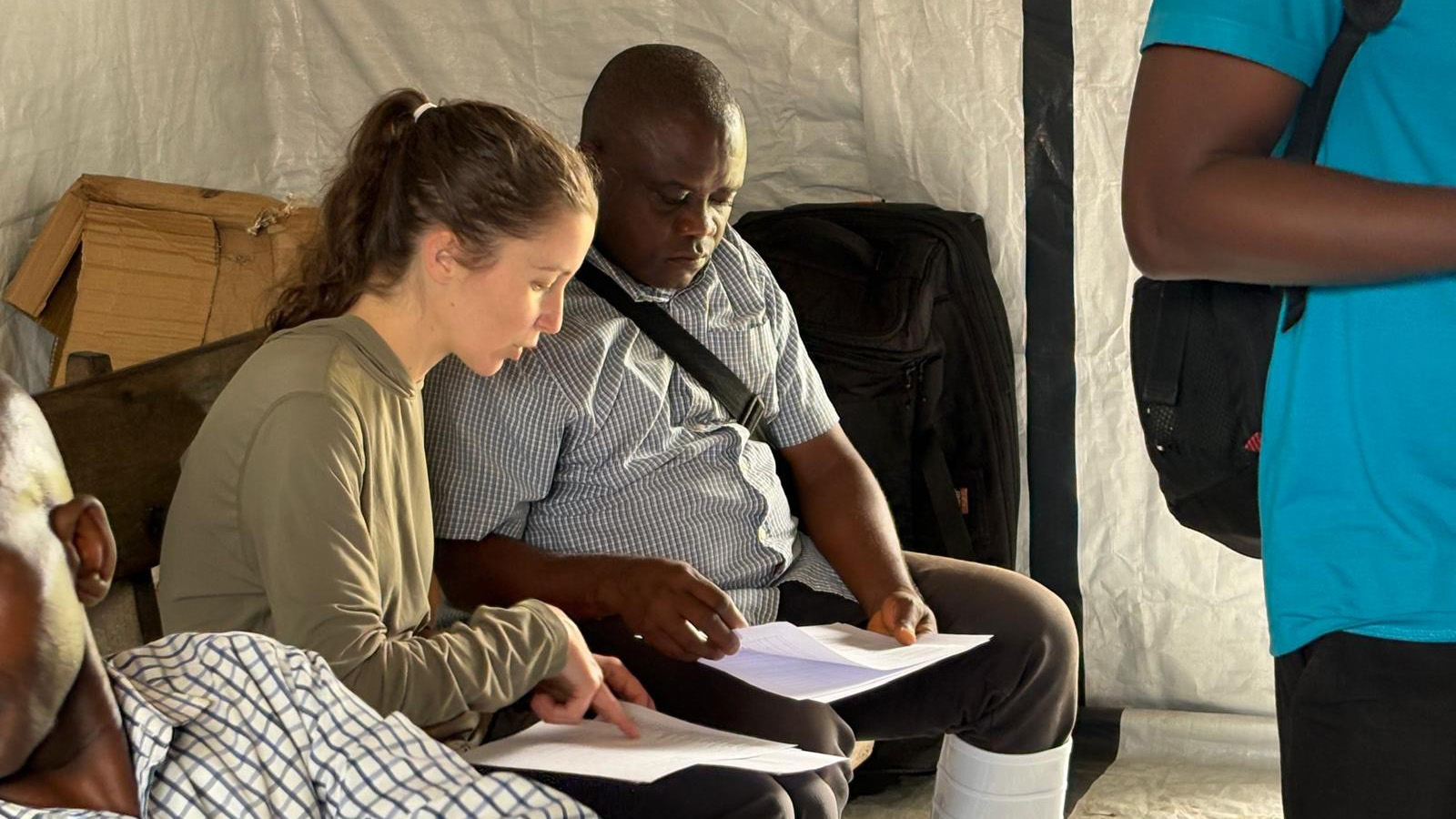
Dr. Deogratias Ekwanzala, a CDC laboratory specialist based in the DRC, was among the first responders to arrive in the outbreak area. Dr. Ekwanzala collaborated with other CDC experts, CDC-funded partners, and the DRC's national public health laboratory staff at the National Institute of Biomedical Research (INRB) to establish a mobile lab in Bulape. Partners provided critical equipment while CDC provided guidance to ensure that patient samples were collected and transported safely, results were confirmed quickly, and laboratory scientists adhered to biosafety standards to keep them safe while maintaining testing.
CDC facilitated the delivery of vital supplies and materials to the outbreak area, including 3,400 Ebola testing cartridges provided by the U.S. Department of Health and Human Services' Administration for Strategic Preparedness and Response. CDC also helped provide reliable power to the Bulape mobile laboratory to keep up with testing demand, supporting uninterrupted detection efforts.
These joint efforts supported timely testing. "In the case of Ebola, every hour matters. Seeing individuals who had been diagnosed early receive treatment and eventually recover was incredibly rewarding," Dr. Ekwanzala recounts.
Enhancing disease tracking and data management
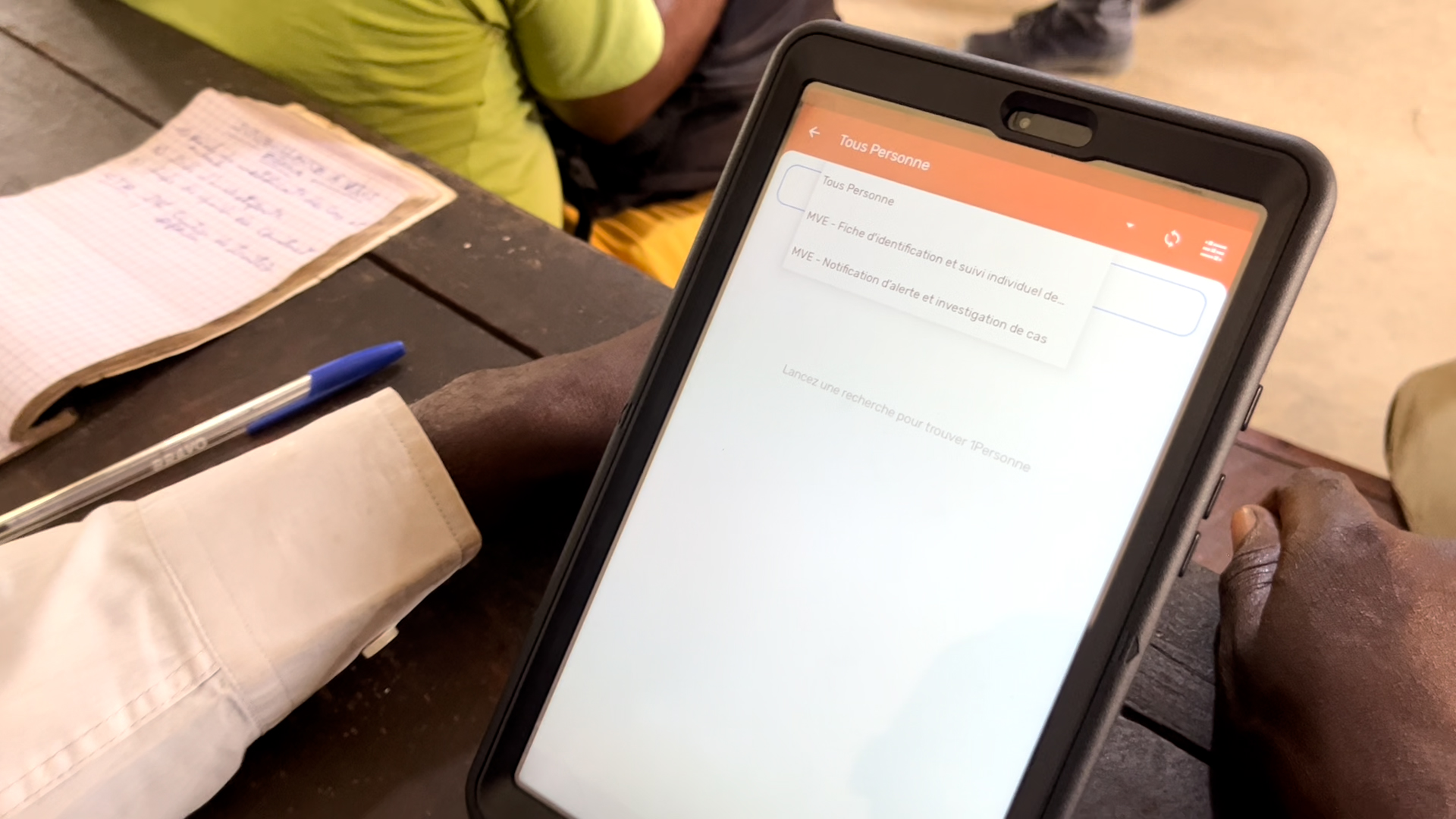
Gathering reliable data is essential for stopping any outbreak. CDC reviewed and verified data alongside DRC health officials about confirmed and probable cases, people who had contact with infected individuals, and laboratory testing. These actions helped track the geographic spread of the disease, identify new illnesses, and help ensure rapid containment before cases could spread regionally or internationally.
CDC also supported the deployment of nearly 30 CDC-trained Congolese field epidemiologists to the outbreak area, and a CDC-funded partner provided tablets for local responders to use in the field. These efforts expanded capacity to investigate cases and quickly collect and analyze data, strengthening early warning systems critical to outbreak control. In addition, CDC-funded partners trained local health workers to conduct disease monitoring in communities, equipping them with valuable skills to use in future health crises.
These coordinated actions maximized the chances of finding people with Ebola early and getting them life-saving treatment. "Deployment support also contributed to improved situational awareness and strengthened information flow across other partners involved in the response," said Dr. Ozair Naqvi, a CDC Epidemic Intelligence Service officer who deployed to the DRC.
Strengthening health screening at airports in the DRC
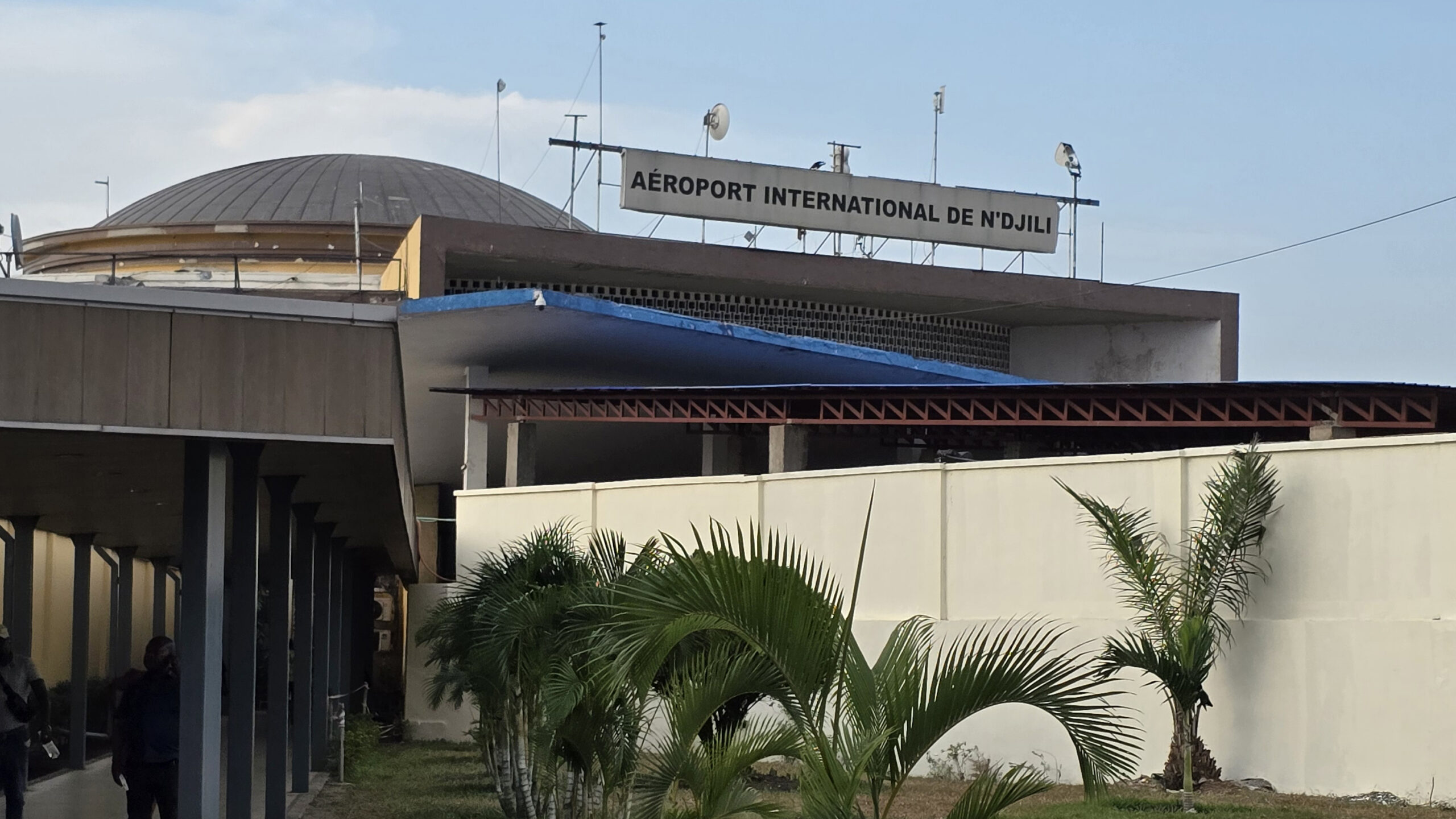
To prevent the spread of the virus beyond the DRC, CDC worked with the country's border health unit and partners to assess Ebola readiness at two airports in the capital city of Kinshasa: N'djili International Airport and Ndolo Airfield. Together, the team evaluated screening procedures for departing travelers, infection prevention and control practices, communication pathways, availability of thermal scanners and non-contact thermometers to detect people with fevers, and the staff's ability to identify, isolate, and refer ill travelers during the outbreak.
Based on these assessments, CDC provided targeted recommendations to improve screening, expand refresher training for frontline staff, and reinforce operational readiness, reducing the risk of Ebola spread to neighboring countries and internationally.
Successfully containing the outbreak
In collaboration with local health officials and partners, CDC's assistance contributed to stopping new cases within weeks and bringing the outbreak to an end within three months. This protected people in DRC while preventing cross-border spread and keeping Americans safe from a dangerous health threat.
The outbreak was declared over on December 1, 2025. In total, 64 people became ill, including 53 confirmed and 11 probable cases. Of those, 45 people died, and 19 survived, including a baby boy who had yet to celebrate his first birthday. Rapid response efforts helped the baby and other survivors receive timely medical care and recover.
More than 200 CDC staff participated in the response, including 31 on-the-ground deployed staff who adapted to tough challenges, like lengthy travel on degraded roads, unpredictable weather, and limited power and computer infrastructure. The CDC DRC Country Office and logistics and security experts coordinated extensively to ensure deployers' safe and effective travel to and from the isolated, low-resource outbreak area.
CDC's response to this Ebola outbreak demonstrates the power of strong partnerships, technical expertise, and rapid, collective action.