



At a glance
CDC established an office in Rwanda in 2002. CDC works closely with the Ministry of Health (MOH) and partner organizations to prevent, detect, and respond to infectious disease outbreaks. CDC’s work aims to protect the health of Americans and promote public health around the world.

Key accomplishments
- Supported national HIV response efforts, leading to 96% of people living with HIV knowing their HIV status, among whom 98% are currently on life-saving treatment with a 98% viral suppression rate.
- Facilitated the establishment of innovative and robust electronic health information systems to prevent, detect, treat and report cases of HIV, tuberculosis (TB) and other diseases—including a digital HIV case-based surveillance system that is functional at 166 sites.
- Supported the National Reference Laboratory (NRL) in achieving ISO 15189 accreditation in 2020 and helped establish capacity for viral hemorrhagic fever testing, which was critical in detecting and responding to the 2024 Marburg Virus Disease (Marburg) outbreak.
- Supported training for 449 disease detectives through the Field Epidemiology Training Program (FETP) since 2009. FETP residents have led and responded to over 80 outbreaks, including providing critical contributions during the 2024 Marburg outbreak response, and authored 55 scientific publications.
- Supported the MOH with strategic planning, national outbreak preparedness and response, establishment of national and provincial Emergency Operations Centers, and emergency management trainings for MOH staff.
Global health security
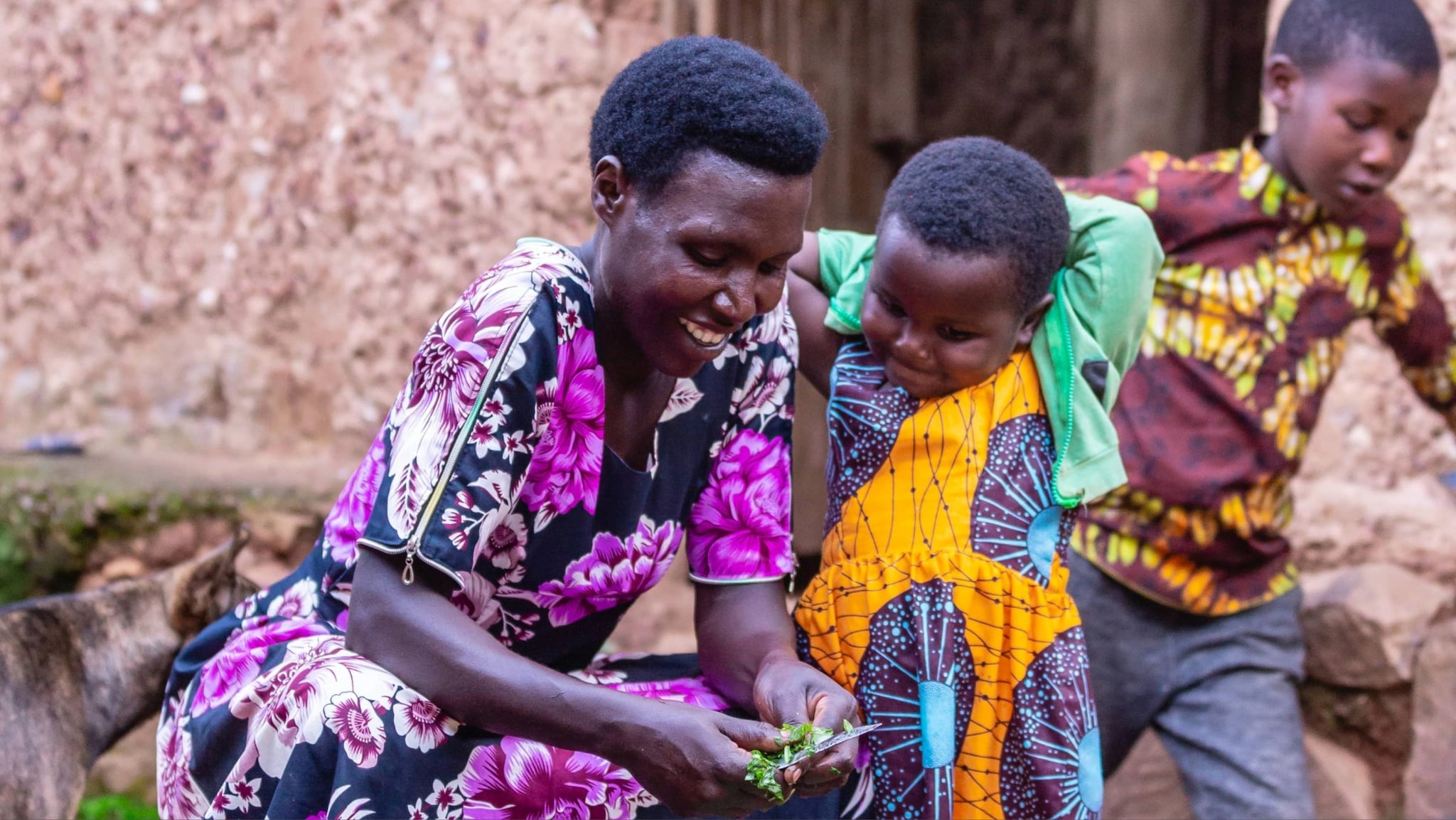
CDC’s global health security work in Rwanda focuses on strengthening the country’s public health systems, including enhanced disease surveillance, workforce development, laboratory strengthening, and post-Marburg outbreak serosurveys and survivor programming.
Workforce development
CDC supports training scientists through FETP, a training program that builds and strengthens the capacity of public health leaders in field epidemiology and other essential public health competencies. The program consists of three levels of training: frontline, intermediate, and advanced. Participants learn to gather critical data and turn it into evidence-based action. Many graduates now hold public health leadership positions. Through FETP, CDC strengthens Rwanda’s workforce capacity to identify and stop outbreaks before they spread. CDC’s FETP helps Rwanda build critical global health security capabilities by training future disease detectives and public health leaders.
Emergency response
CDC supports the MOH with strategic planning, national outbreak preparedness and response, establishment of national and provincial Emergency Operations Centers, and emergency management trainings for MOH staff.
Laboratory systems strengthening
CDC partners with Rwanda’s National Reference Laboratory (NRL) to coordinate and strengthen HIV and TB testing at PEPFAR-supported sites through improving laboratory network infrastructure, information systems, and workforce capacity. The collaboration enhances local expertise in continuous quality improvement, boosts testing capabilities for rapid outbreak detection such as viral hemorrhagic fevers, HIV drug resistance and supports NRL in advancing quality management systems that meet international quality standards. CDC also helps NRL to produce and distribute HIV proficiency testing panels to over 600 health facilities annually to ensure reliable HIV testing services and potentially others.
Data systems support
CDC has supported the implementation of critical data systems that enhance clinical care, surveillance and program monitoring. These include an electronic medical record system (OpenMRS EMR) currently deployed nationally at 192 PEPFAR-supported sites, a laboratory information system, and a health information exchange system that integrates various digital systems that support healthcare services. The HIV case-based surveillance system is implemented on the DHIS2 platform and currently contains individual level data for over 95% of PLHIV receiving treatment at 192 PEPFAR-supported facilities.
HIV and TB
As a key implementer of the U.S. President's Emergency Plan for AIDS Relief (PEPFAR), CDC plays an essential role in the fight against HIV and TB. With unmatched scientific and technical knowledge and long-standing relationships with ministries of health, CDC is uniquely positioned to advance HIV, TB, and other global health security activities that keep Americans safe at home and abroad.
Through PEPFAR, CDC provides critical support to Rwanda's public health infrastructure, improving the country's ability to prevent, detect, and respond to HIV, TB, and other infectious diseases and minimizing their risk from entering the U.S.
Malaria
Malaria is a leading cause of death and disease in many countries, and young children and pregnant women are among the most affected populations. CDC has collaborated with the Rwanda MOH's National Malaria Control Program, and other partners to support implementation of malaria prevention and control activities since 2007.
CDC-supported activities have included providing technical input to:
- Provide long-lasting insecticide-treated nets and antimalarial medication.
- Support indoor residual spraying in districts with high malaria incidence and prevalence.
- Prevent malaria in pregnancy.
- Enhance malaria diagnostics, case management, and disease surveillance.
- Monitor and evaluate malaria-related activities to inform decision-making.
Success story spotlight
Strategic Investments in HIV and TB Fortify Defense Against Marburg in Rwanda
On September 27, 2024, Rwanda declared its first outbreak of Marburg virus disease (Marburg), a highly infectious and often fatal illness closely related to Ebola. Even one person with Marburg is an alarming public health issue and poses a significant threat to health security, nationally and globally. Rwanda's outbreak quickly became one of the largest Marburg outbreaks ever recorded, with 66 confirmed cases—primarily among healthcare workers—and 15 deaths in the densely populated capital city, Kigali.
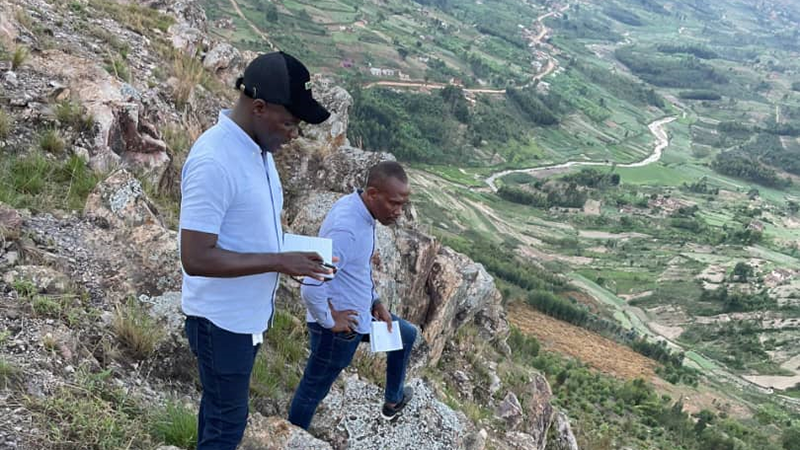
For over two decades, CDC, through PEPFAR, has supported Rwanda in strengthening local HIV and TB surveillance and laboratory systems and infrastructure. This support equipped Rwanda with the necessary tools to quickly detect and respond to the recent Marburg outbreak. Notably, 73% of PEPFAR-supported sites provided essential infrastructure, systems, and operational services for the outbreak response.
The rapid deployment of viral load testing hubs allowed for rapid detection of the Marburg virus, showcasing how sustained laboratory capacity can be effectively leveraged to address emerging health threats. The PEPFAR-supported Rwanda Field Epidemiology and Laboratory Training Program (RFELTP) played a pivotal role in the MVD outbreak response, deploying 182 RFELTP graduates and residents who had been trained by CDC staff to manage public health emergencies and contribute to surveillance and response efforts.
CDC staff continues to sustain surveillance efforts beyond HIV and TB. Staff remain in high-risk districts to identify areas with increased bat activity and mining operations that could serve as potential reservoirs for future outbreaks of high-consequence diseases. CDC staff are also working to ensure health facilities in these areas are positioned to detect and respond to potential cases, should they arise.
In today's connected world, diseases such as Marburg can spread globally, including to the U.S., in a matter of days. CDC's sustained systems, global field presence, and ongoing investments remain critical tools in preventing the unchecked spread of disease, ultimately protecting the health and safety of Americans.
![[thumbnail] (hidden)](/global-health/media/images/2025/11/Rwanda_thumbnail.jpg)