



At a glance
The U.S. Centers for Disease Control and Prevention (CDC) protects people in the United States and around the world by preventing, detecting, and responding to disease threats—anytime and anywhere.
CDC’s global work is America’s first line of defense

As the principal public health agency for the United States, CDC's mission is to protect the American people from health, safety, and security threats, whether originating domestically or abroad.
CDC has worked globally for nearly 80 years in collaboration with governments, local organizations, and U.S. interagency partners. Through its scientific and technical expertise, CDC strengthens public health systems to detect, respond to, and contain infectious disease threats, supporting longer, safer, and healthier lives in the United States and worldwide.
CDC experts embedded in partner countries build trusted, peer-to-peer relationships with Ministries of Health, enabling early detection of outbreaks and rapid response. These long-standing partnerships mean CDC is often the "first call" during a public health event, providing critical early warning intelligence to the United States.
Through global surveillance, laboratory systems, and real-time data sharing, CDC provides actionable insights that inform public health strategies.
Strong public health systems prevent crises
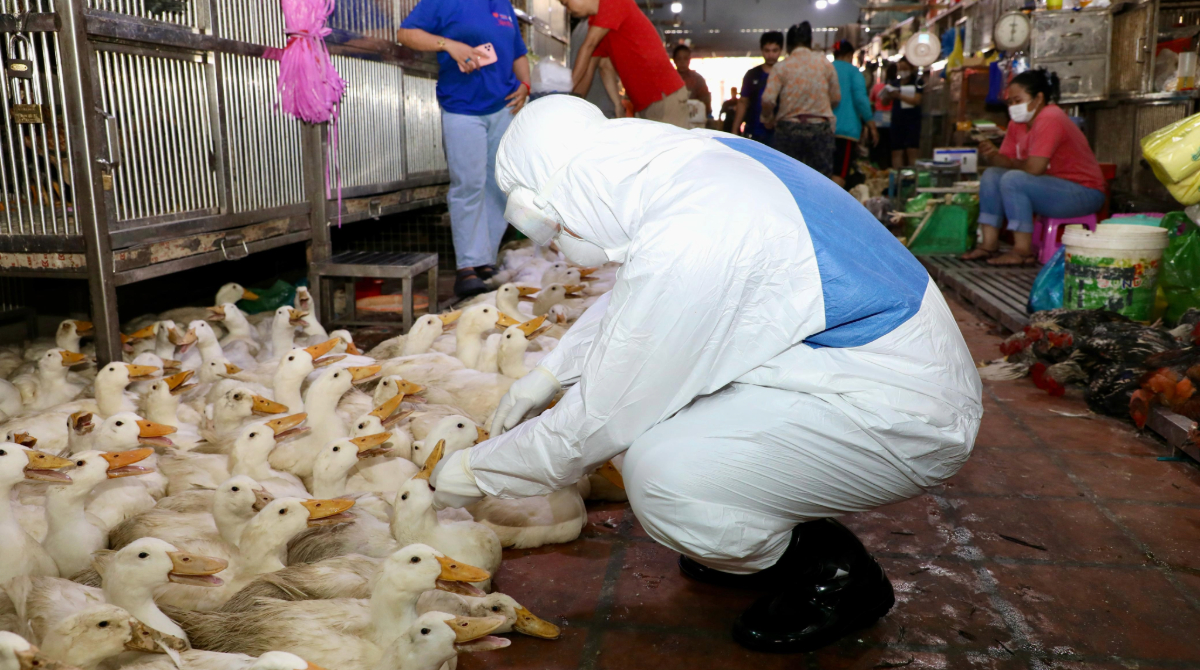
CDC works with partners to strengthen laboratories, surveillance, and emergency response so countries can act early and stop outbreaks before they spread. When systems are strong, responses are faster, more coordinated, and more effective, reducing global risk and protecting Americans.
CDC's investments in biosafety, quality assurance, and workforce training have built capacity in over 14,000 laboratories and testing sites to ensure accurate and timely results. Improved sample transport systems allow specimens from remote areas to reach testing facilities quickly. Faster confirmation enables earlier response and treatment, reducing international spread and protecting Americans from imported disease threats.
Lab systems form the backbone of global disease detection.
Training frontline responders
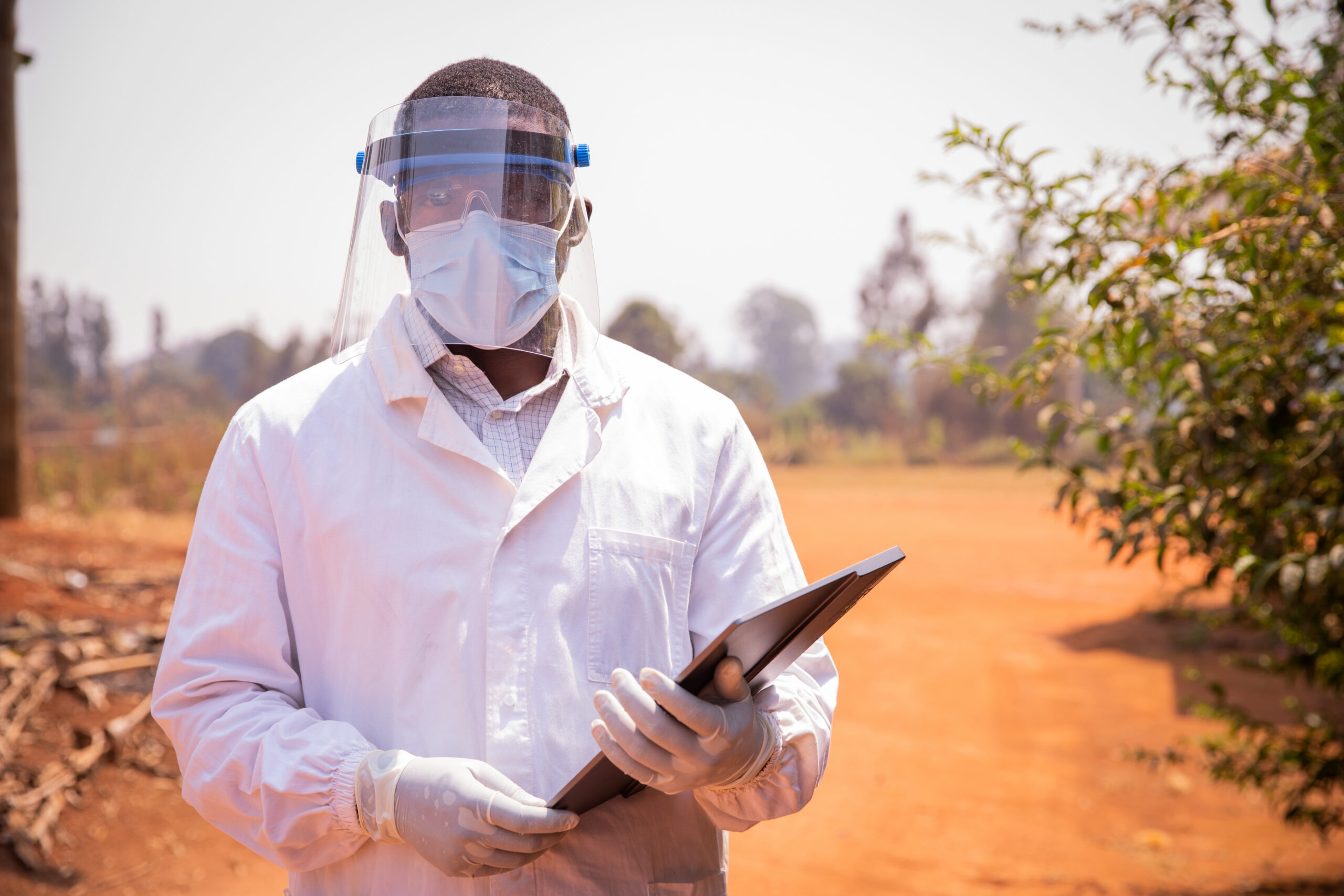
Outbreaks are stopped by trained, trusted professionals who are ready to act. CDC works with countries to train and equip a global workforce of epidemiologists, laboratorians, and emergency responders, ensuring local staff can detect and contain threats quickly. These frontline responders are often the first to investigate cases, track transmission, and guide response efforts, helping to stop outbreaks early and reduce the risk of international spread.
CDC has several globally recognized training programs that strengthen this workforce, including the Field Epidemiology Training Program (FETP), Global Laboratory Leadership Program (GLLP), Stop Transmission of Polio Program (STOP), Public Health Emergency Management (PHEM) Fellowship, public health Rapid Response Teams, and multisectoral, One Health Rapid Response Teams (OH RRTs). These programs equip country-based professionals with the skills to detect outbreaks, manage emergency response, and coordinate action across sectors.
Disease detectives trained
Stopping outbreaks in healthcare settings

Outbreaks often spread fastest in healthcare settings, where pathogens, patients, healthcare workers, and vulnerable populations are in close contact. Stopping transmission in these settings is critical to controlling outbreaks and preventing wider spread. CDC works with countries to strengthen infection prevention, improve clinical practices, and detect threats early within healthcare systems. These efforts help reduce transmission at its source, protecting patients, safeguarding healthcare workers, and preventing outbreaks from escalating.
Infection Prevention and Control (IPC)
CDC provided IPC training to more than 36,100 healthcare workers in 2025. This total includes 3,200 healthcare workers trained in IPC as part of an innovative partnership with the CDC Foundation, which helped seven countries access Global Fund resources to strengthen IPC programs. Improved IPC practices reduce healthcare-associated infections and limit outbreak spread in healthcare settings, keeping healthcare workers safe so that they can care for others. CDC supports facilities in implementing safer patient care practices and strengthening monitoring systems.
Immunization prevents outbreaks
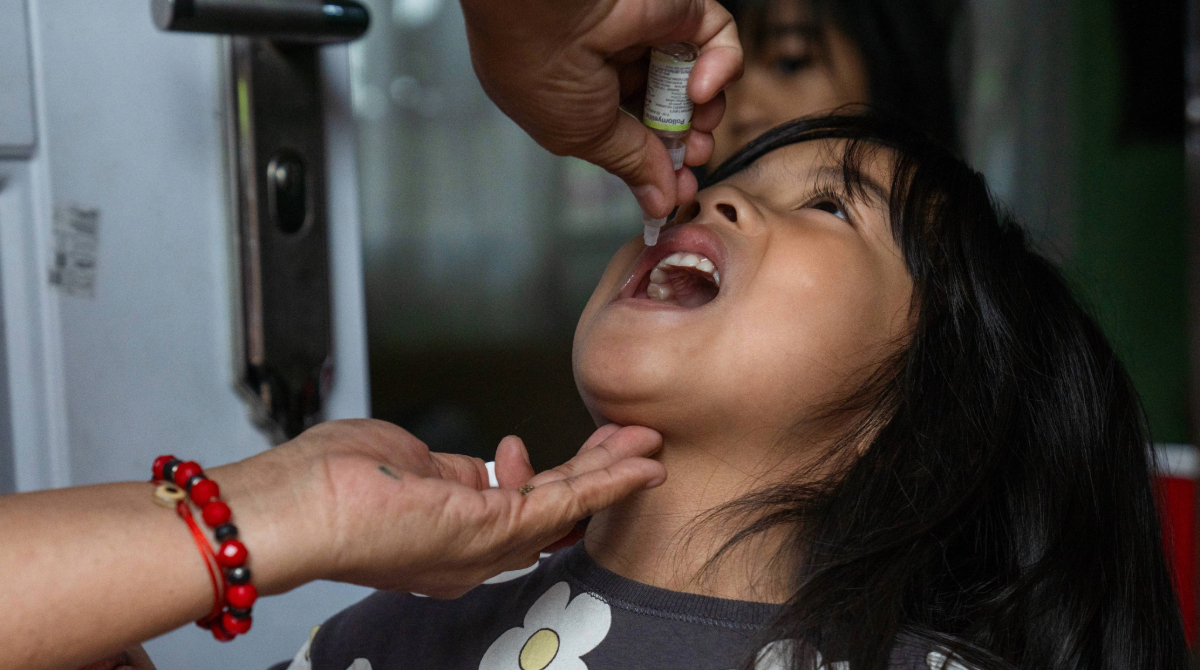
Immunization is one of the most effective ways to prevent outbreaks before they start and control them from further spread. CDC works with countries to strengthen immunization programs, improve data systems, and ensure communities are protected against vaccine-preventable diseases. These efforts reduce the likelihood of large outbreaks and enable faster, more effective responses when threats emerge, helping protect communities globally and in the United States.
This page was last updated on this date. Updates may include minor edits, image changes, or other modifications to page content.
The information on this page was last reviewed by subject matter experts to ensure accuracy.