



Key points
Summary
Viruses
Illness
All data are preliminary and may change as more reports are received.
Directional arrows indicate changes between the current week and the previous week. Additional information on the arrows can be found at the bottom of this page.
A description of the CDC influenza surveillance system, including methodology and detailed descriptions of each data component is available on the surveillance methods page.1
Additional information on the current and previous influenza seasons for each surveillance component are available on FluView Interactive.
U.S. virologic surveillance
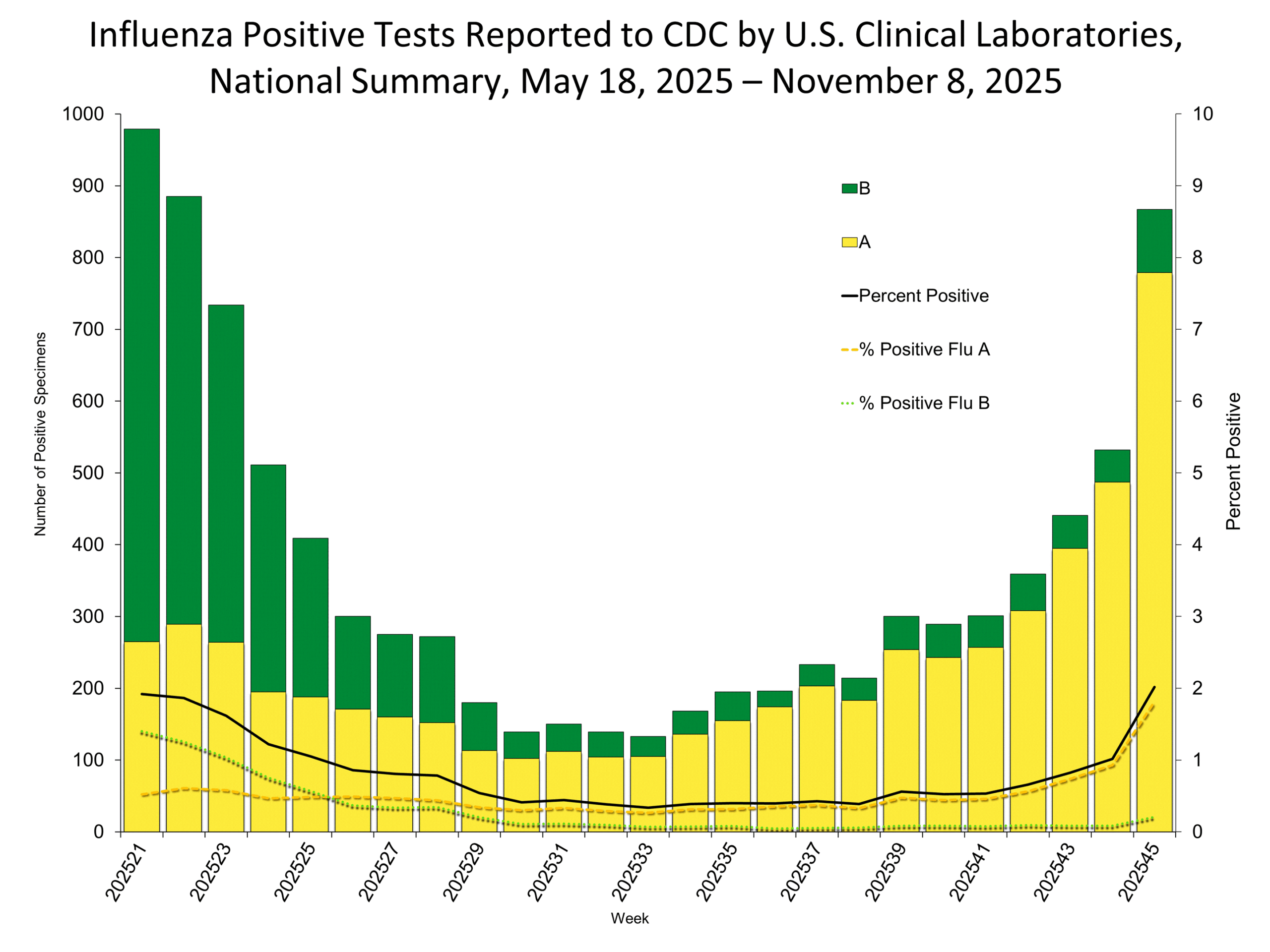
Nationally and in HHS regions 1, 2, 3, 5, 6, 7, 8, and 10, the percentage of respiratory specimens testing positive for influenza virus in clinical laboratories increased (change of ≥ 0.5 percentage points) compared to the previous week. In regions 4 and 9, the percentage remained stable compared to the previous week but is trending upwards over the past several weeks. Percent positivity varied by region, ranging from 1.0% (Region 7) to 5.5% (Region 8). For regional and state level data and age group distribution, please visit FluView Interactive. Viruses known to be associated with recent receipt of live attenuated influenza vaccine (LAIV) or found upon further testing to be a vaccine virus are not included, as they are not circulating influenza viruses.
Clinical Laboratories
The results of tests performed by clinical laboratories nationwide are summarized below. Data from clinical laboratories (the percentage of specimens tested that are positive for influenza virus) are used to monitor whether influenza activity is increasing or decreasing.
| Week 45 | Data Cumulative since September 28, 2025 (Week 40) |
|
|---|---|---|
| No. of specimens tested | 42,928 | 314,686 |
| No. of positive specimens (%) | 867 (2.0%) | 2,789 (0.9%) |
| Positive specimens by type | ||
| Influenza A | 779 (89.9%) | 2,469 (88.5%) |
| Influenza B | 88 (10.1%) | 320 (11.5%) |
Public Health Laboratories
The results of tests performed by public health laboratories nationwide are summarized below. Data from public health laboratories are used to monitor the proportion of circulating influenza viruses that belong to each influenza subtype/lineage.
| Week 45 | Data Cumulative since September 28, 2025 (Week 40) |
|
|---|---|---|
| No. of specimens tested | 416 | 4,172 |
| No. of positive specimens | 72 | 770 |
| Positive specimens by type/subtype | ||
| Influenza A | 67 (93.1%) | 729 (94.7%) |
| Subtyping Performed | 53 (79.1%) | 678 (93.0%) |
| (H1N1)pdm09 | 15 (28.3%) | 252 (37.2%) |
| H3N2 | 38 (71.7%) | 426 (62.8%) |
| H3N2v | 0 | 0 |
| H5 | 0 | 0 |
| Subtyping not performed | 14 (20.9%) | 51 (7.0%) |
| Influenza B | 5 (6.9%) | 41 (5.3%) |
| Lineage testing performed | 0 | 13 (31.7%) |
| Yamagata lineage | 0 | 0 |
| Victoria lineage | 0 | 13 (100%) |
| Lineage not performed | 5 (100%) | 28 (68.3%) |
*These data reflect specimens tested, and the number determined to be positive for influenza viruses at the public health labs (specimens tested is not the same as cases). The data do not reflect specimens tested only at CDC and could include more than one specimen tested per person. For more information on the number of people infected with A/H5 viruses, please visit the "How CDC is monitoring influenza data among people to better understand the current avian influenza A (H5N1) situation"
†When an influenza virus that normally circulates in swine (but not people) is detected in a person, it is called a "variant" influenza virus. Most human infections with variant influenza viruses occur following exposure to swine, but human-to-human transmission can occur. It is important to note that in most cases, variant influenza viruses have not shown the ability to spread easily and sustainably from human-to-human.
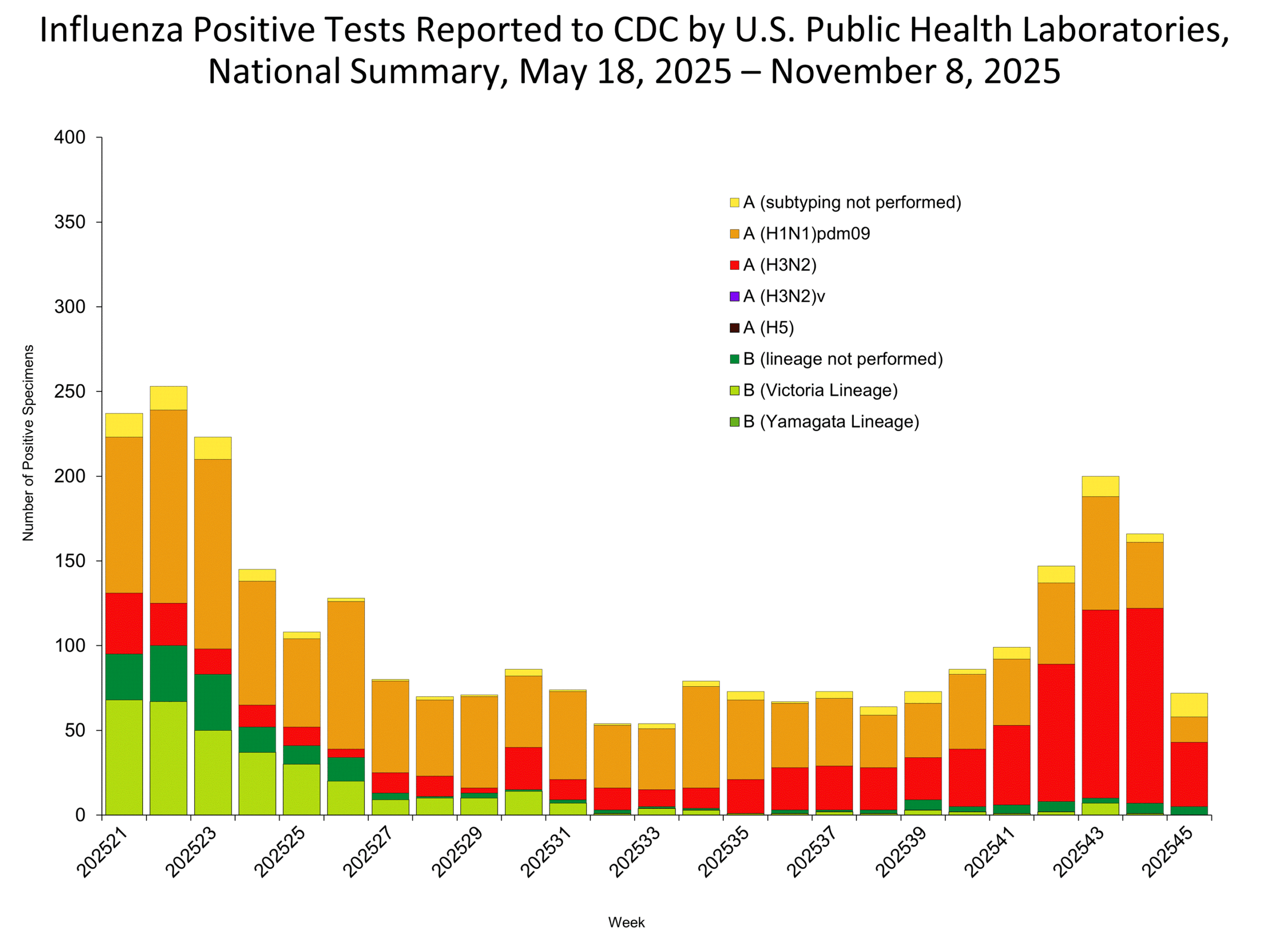
*This graph reflects the number of specimens determined to be positive for influenza viruses at the public health lab (specimens tested is not the same as cases). It does not reflect specimens tested only at CDC and could include more than one specimen tested per person. Specimens tested as part of routine influenza surveillance as well as those tested as part of targeted testing for people exposed to avian influenza A(H5) are included.
Novel Influenza A Virus Infections
No confirmed human infections with influenza A(H5) virus were reported to CDC this week. To date, human-to-human spread of avian influenza A(H5) virus (H5 bird flu) has not been identified in the United States.
The CSTE position statement, which includes updated case definitions for confirmed, probable, and suspected cases is available at http://www.cste.org/resource/resmgr/position_statements_files_2023/24-ID-09_Novel_Influenza_A.pdf.
An up-to-date human case summary during the current outbreak by state and exposure source is available at www.cdc.gov/bird-flu/situation-summary/index.html.
Information about avian influenza is available at https://www.cdc.gov/flu/avianflu/index.htm.
A(H5N1) virus interim recommendations for Prevention, Monitoring, and Public Health Investigations are available at https://www.cdc.gov/bird-flu/prevention/hpai-interim-recommendations.html.
The latest case reports on avian influenza outbreaks in wild birds, commercial poultry, backyard or hobbyist flocks, and mammals in the United States are available from the USDA at https://www.aphis.usda.gov/h5n1-hpai#detections-hpai.
Influenza Virus Characterization
CDC performs genetic and antigenic characterization of U.S. viruses submitted from state and local public health laboratories according to the Right Size Roadmap submission guidance. These data are used to compare how similar the currently circulating influenza viruses are relative to the reference viruses representing the current influenza vaccines. The data are also used to monitor evolutionary changes that continually occur in influenza viruses circulating in humans. CDC also tests susceptibility of circulating influenza viruses to antiviral medications including the neuraminidase inhibitors (oseltamivir, zanamivir, and peramivir) and the polymerase acidic protein (PA) endonuclease inhibitor baloxavir. The HA clade and subclades were assigned using Nextclade (https://clades.nextstrain.org).
CDC has genetically characterized 514 influenza viruses collected since May 18, 2025.
| Virus Subtype or Lineage | Genetic Characterization | ||||
|---|---|---|---|---|---|
| Total No. of Subtype/Lineage Tested |
HA Clade |
Number (% of subtype/lineage tested) |
HA Subclade |
Number (% of subtype/lineage tested) |
|
| A/H1 | 273 | ||||
| 5a.2a | 6 (2.2%) | C.1.9.3 | 6 (2.2%) | ||
| 5a.2a.1 | 267 (97.8%) | D.1 | 2 (0.7%) | ||
| D.3.1 | 265 (97.1%) | ||||
| A/H3 | 124 | ||||
| 2a.3a.1 | 124 (100%) | J.2 | 14 (11.3%) | ||
| J.2.2 | 9 (7.3%) | ||||
| J.2.3 | 19 (15.3%) | ||||
| J.2.4 | 19 (15.3%) | ||||
| K | 63 (50.8%) | ||||
| B/Victoria | 117 | ||||
| 3a.2 | 117 (100%) | C.3.1 | 30 (25.6%) | ||
| C.3.2 | 5 (4.3%) | ||||
| C.5 | 3 (2.6%) | ||||
| C.5.1 | 28 (23.9%) | ||||
| C.5.6 | 22 (18.8%) | ||||
| C.5.6.1 | 3 (2.6%) | ||||
| C.5.7 | 26 (22.2%) | ||||
| B/Yamagata | 0 | ||||
| Y3 | 0 | Y3 | 0 | ||
CDC antigenically characterizes influenza viruses by hemagglutination inhibition (HI) assay (H1N1pdm09, H3N2, and B/Victoria viruses) or neutralization-based HINT (H3N2 viruses) using antisera from ferrets infected with reference viruses representing the recommended cell-based or recombinant influenza vaccines for the 2025-2026 Northern Hemisphere season. Antigenic differences between viruses are determined by comparing how well the antibodies raised against the vaccine reference viruses recognize the circulating viruses, which were grown in cell culture. Ferret antisera are useful because antibodies raised against a particular virus can often recognize small changes in the surface proteins of other viruses. In HI assays, viruses are deemed antigenically similar when their HI titer differences are less than or equal to 4-fold. In HINT, viruses with similar antigenic properties have antibody neutralization titer differences of less than 8-fold. From the recent genetically characterized viruses, a subset are selected for antigenic characterization based on identified genetic changes in their surface proteins. The subset tested may not be proportional to the number of such viruses circulating in the United States.
Influenza A Viruses
- A(H1N1)pdm09: 110 A(H1N1)pdm09 viruses were antigenically characterized by HI, and 110 (100%) were well-recognized (reacting at titers that were within 4-fold of the homologous virus titer) by ferret antisera to cell-grown A/Wisconsin/67/2022-like reference viruses representing the A(H1N1)pdm09 component for the cell- and recombinant-based influenza vaccines.
- A(H3N2): 50 A(H3N2) viruses were antigenically characterized by HI or HINT, and 19 (38.0%) were well-recognized (reacting at titers that were within 4-fold of the homologous virus titer in HI or reacting at titers that were less than 8-fold of the homologous virus in HINT) by ferret antisera to cell-grown A/District of Columbia/27/2023-like reference viruses representing the A(H3N2) component for the cell- and recombinant-based influenza vaccines.
Influenza B Viruses
- B/Victoria: 78 influenza B/Victoria-lineage virus were antigenically characterized by HI, and 54 (69.2%) were well-recognized (reacting at titers that were within 4-fold of the homologous virus titer) by ferret antisera to cell-grown B/Austria/1359417/2021-like reference viruses representing the B/Victoria component for the cell- and recombinant-based influenza vaccines.
- B/Yamagata: No influenza B/Yamagata-lineage viruses were available for antigenic characterization.
Assessment of Virus Susceptibility to Antiviral Medications
CDC assesses susceptibility of influenza viruses to the antiviral medications including the neuraminidase inhibitors (oseltamivir, zanamivir, and peramivir) and the PA endonuclease inhibitor baloxavir using next generation sequence analysis supplemented by laboratory assays. Information about antiviral susceptibility test methods can be found at U.S. Influenza Surveillance: Purpose and Methods | CDC.
Viruses collected in the United States since May 18, 2025, were tested for antiviral susceptibility are as follows:
| Antiviral Medication | Total Viruses | A/H1 | A/H3 | B/Victoria | ||
|---|---|---|---|---|---|---|
| Neuraminidase Inhibitors | Oseltamivir | Viruses Tested | 505 | 270 | 120 | 115 |
| Reduced Inhibition | 1 (0.2%) | 1 (0.4%) | 0 | 0 | ||
| Highly Reduced Inhibition | 0 | 0 | 0 | 0 | ||
| Peramivir | Viruses Tested | 505 | 270 | 120 | 115 | |
| Reduced Inhibition | 0 | 0 | 0 | 0 | ||
| Highly Reduced Inhibition | 0 | 0 | 0 | 0 | ||
| Zanamivir | Viruses Tested | 505 | 270 | 120 | 115 | |
| Reduced Inhibition | 0 | 0 | 0 | 0 | ||
| Highly Reduced Inhibition | 0 | 0 | 0 | 0 | ||
| PA Cap-Dependent Endonuclease Inhibitor | Baloxavir | Viruses Tested | 486 | 257 | 116 | 113 |
| Decreased Susceptibility | 1 (0.2%) | 1 (0.4%) | 0 | 0 | ||
One A(H1N1)pdm09 virus had amino acid substitutions NA-I223V and NA-S247N and showed reduced inhibition by oseltamivir. One A(H1N1)pdm09 virus had PA-K34R amino acid substitution associated with reduced susceptibility to baloxavir.
High levels of resistance to the adamantanes (amantadine and rimantadine) persist among influenza A(H1N1)pdm09 and influenza A(H3N2) viruses (the adamantanes are not effective against influenza B viruses). Therefore, use of these antivirals for treatment and prevention of influenza A virus infection is not recommended and data from adamantane resistance testing are not presented.
Outpatient and Emergency Department Illness Surveillance
Outpatient Respiratory Illness Visits
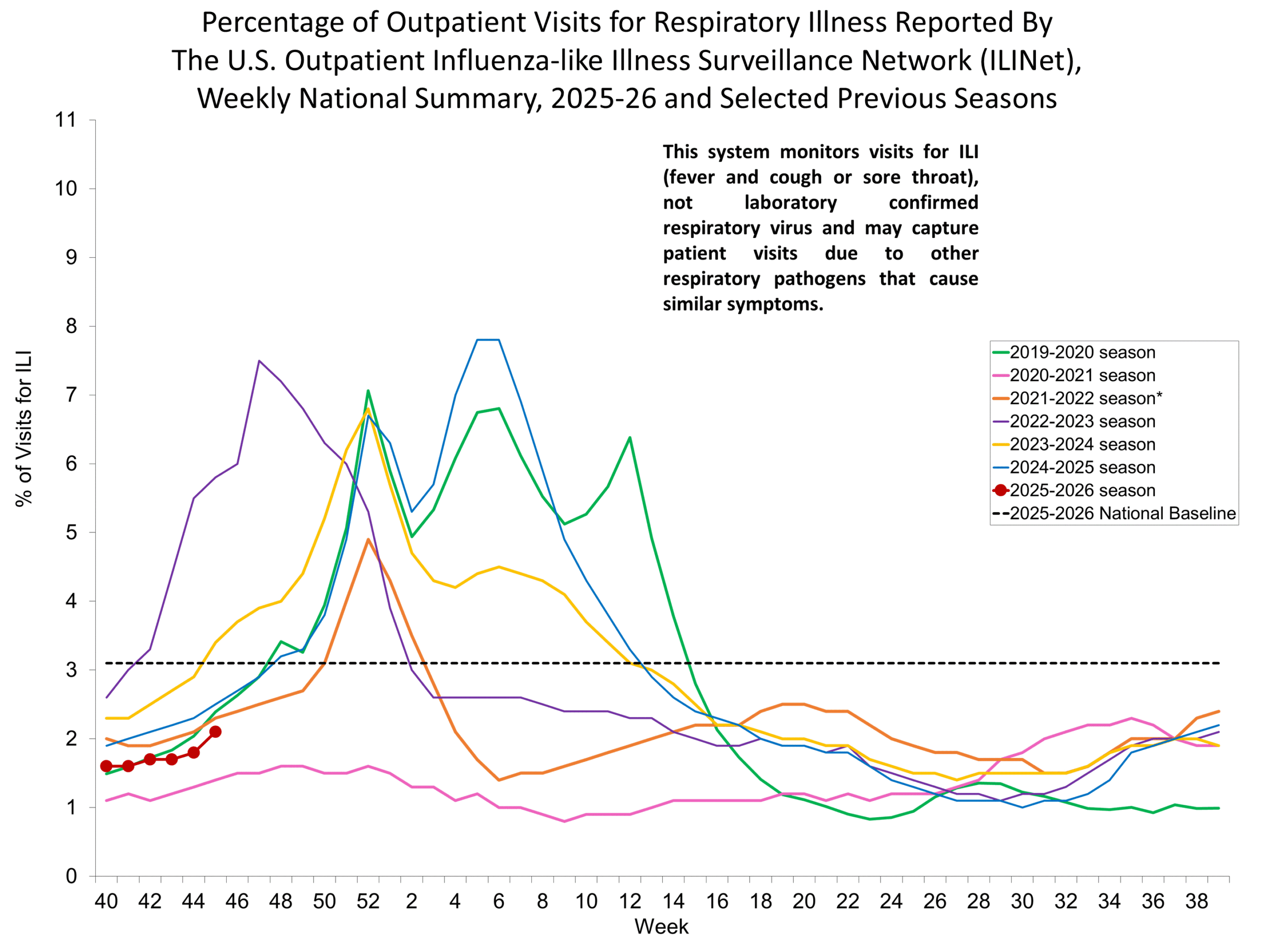
The U.S. Outpatient Influenza-like Illness Surveillance Network (ILINet) monitors outpatient visits for respiratory illness referred to as influenza-like illness [ILI (fever plus cough or sore throat)], not laboratory-confirmed influenza, and will therefore capture respiratory illness visits due to infection with any pathogen that can present with similar symptoms, including influenza virus, SARS-CoV-2, and RSV. It is important to evaluate syndromic surveillance data, including that from ILINet, in the context of other sources of surveillance data to obtain a complete and accurate picture of influenza, SARS-CoV-2, and other respiratory virus activity.
Nationally, during Week 45, 2.1% of patient visits reported through ILINet were due to respiratory illness that included fever plus a cough or sore throat, also referred to as ILI. This week's percentage increased (change of > 0.1 percentage points) compared to Week 44 and is below the national baseline of 3.1%. HHS Region 3 remained stable (change of ≤ 0.1 percentage points), and all other regions (1, 2, 4, 5, 6, 7, 8, 9, and 10) increased (change of > 0.1 percentage points) this week compared to the previous week. All 10 HHS regions are below their respective baselines. Multiple respiratory viruses are co-circulating, and the relative contribution of influenza virus infection to ILI varies by location.
Outpatient Respiratory Illness Visits by Age Group
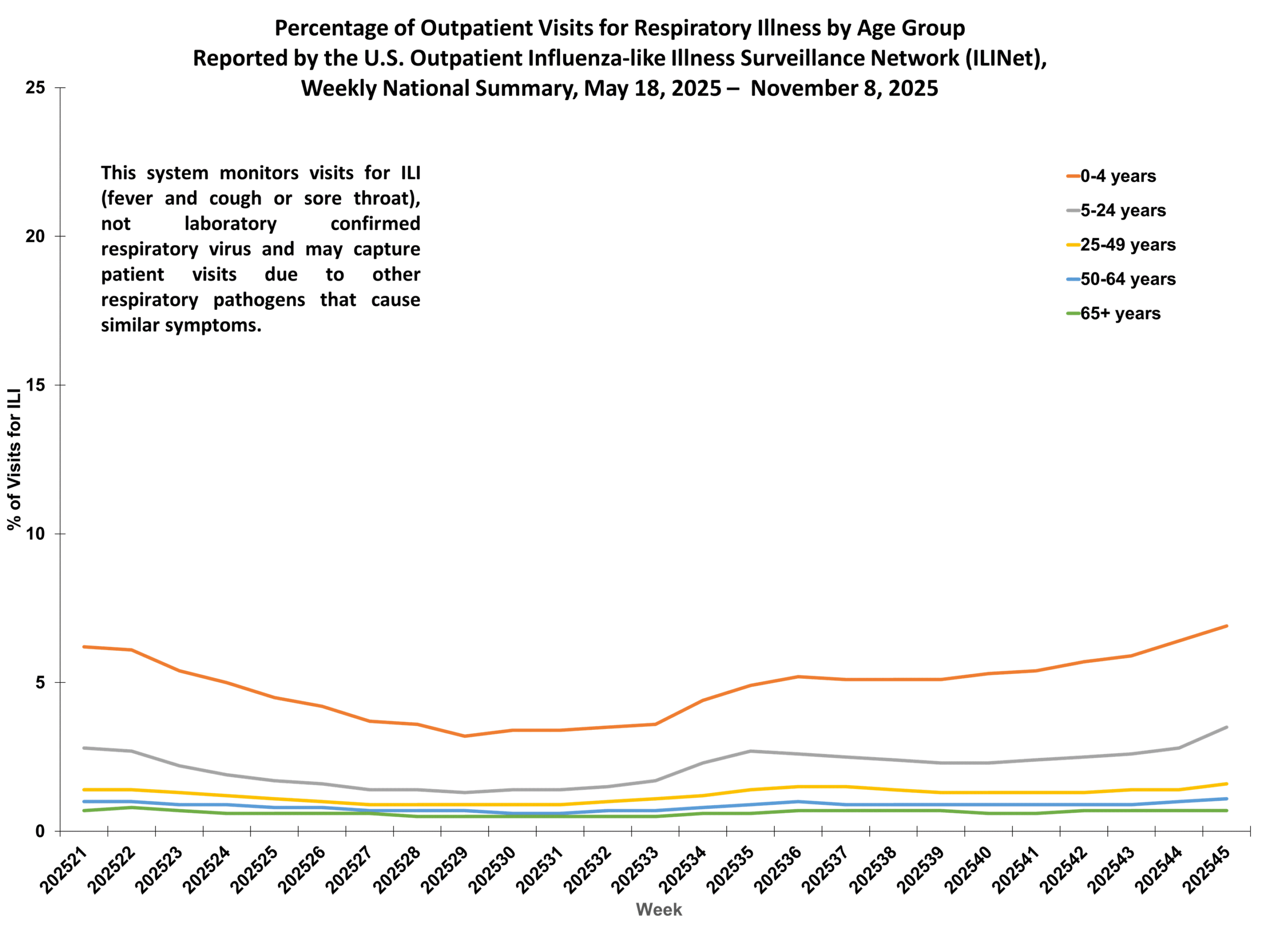
About 70% of ILINet participants provide both the number of patient visits for respiratory illness and the total number of patient visits for the week broken out by age group. Based on these data, the percentage of visits for respiratory illness for the 0-4 years, 5-24 years, and 25-49 years age groups increased (change of > 0.1 percentage points) while the 50-64 years and 65 years and older age groups remained stable (change of ≤ 0.1 percentage point) in Week 45 compared to Week 44.
Outpatient Respiratory Illness Activity Map
Data collected in ILINet are used to produce a measure of ILI activity* by state/jurisdiction and Core Based Statistical Areas (CBSA).
| Activity Level | Number of Jurisdictions | Number of CBSAs | ||
|---|---|---|---|---|
| Week 45 (Week ending Nov. 8, 2025) |
Week 44 (Week ending Nov. 1, 2025) |
Week 45 (Week ending Nov. 8, 2025) |
Week 44 (Week ending Nov. 1, 2025) |
|
| Very High | 0 | 0 | 0 | 0 |
| High | 0 | 0 | 4 | 0 |
| Moderate | 1 | 0 | 10 | 3 |
| Low | 1 | 1 | 46 | 27 |
| Minimal | 52 | 54 | 612 | 681 |
| Insufficient Data | 1 | 0 | 257 | 218 |
*Data collected in ILINet may disproportionally represent certain populations within a jurisdiction or CBSA, and therefore, may not accurately depict the full picture of influenza activity for the entire jurisdiction or CBSA. Differences in the data presented here by CDC and independently by some health departments likely represent differing levels of data completeness with data presented by the health department likely being the more complete.
National Syndromic Surveillance System (NSSP)
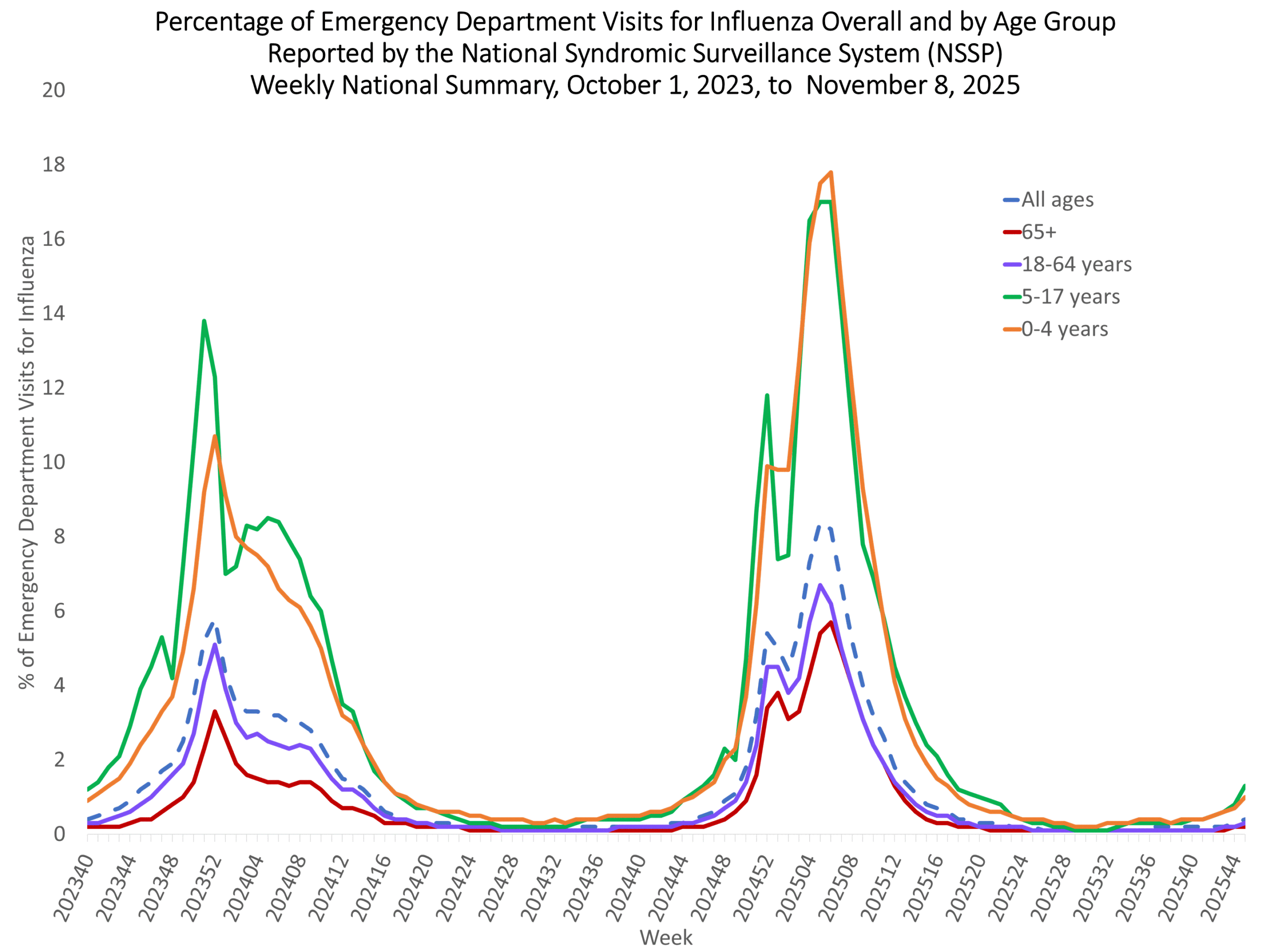
The percentage of emergency department (ED) visits with a discharge diagnosis (DD) of influenza reported in NSSP was 0.4% overall during Week 45 and remained stable (change of ≤ 0.1 percentage point) compared to the previous week. The percentage of ED visits with a DD of influenza increased this week compared to the previous week in the 0-4 years and 5-17 years age groups and remained stable in the 18-64 years and 65 years and older age groups. HHS regions 2, 6, and 8 increased this week compared to the previous week while all other regions remained stable.
Hospitalization surveillance
FluSurv-Net
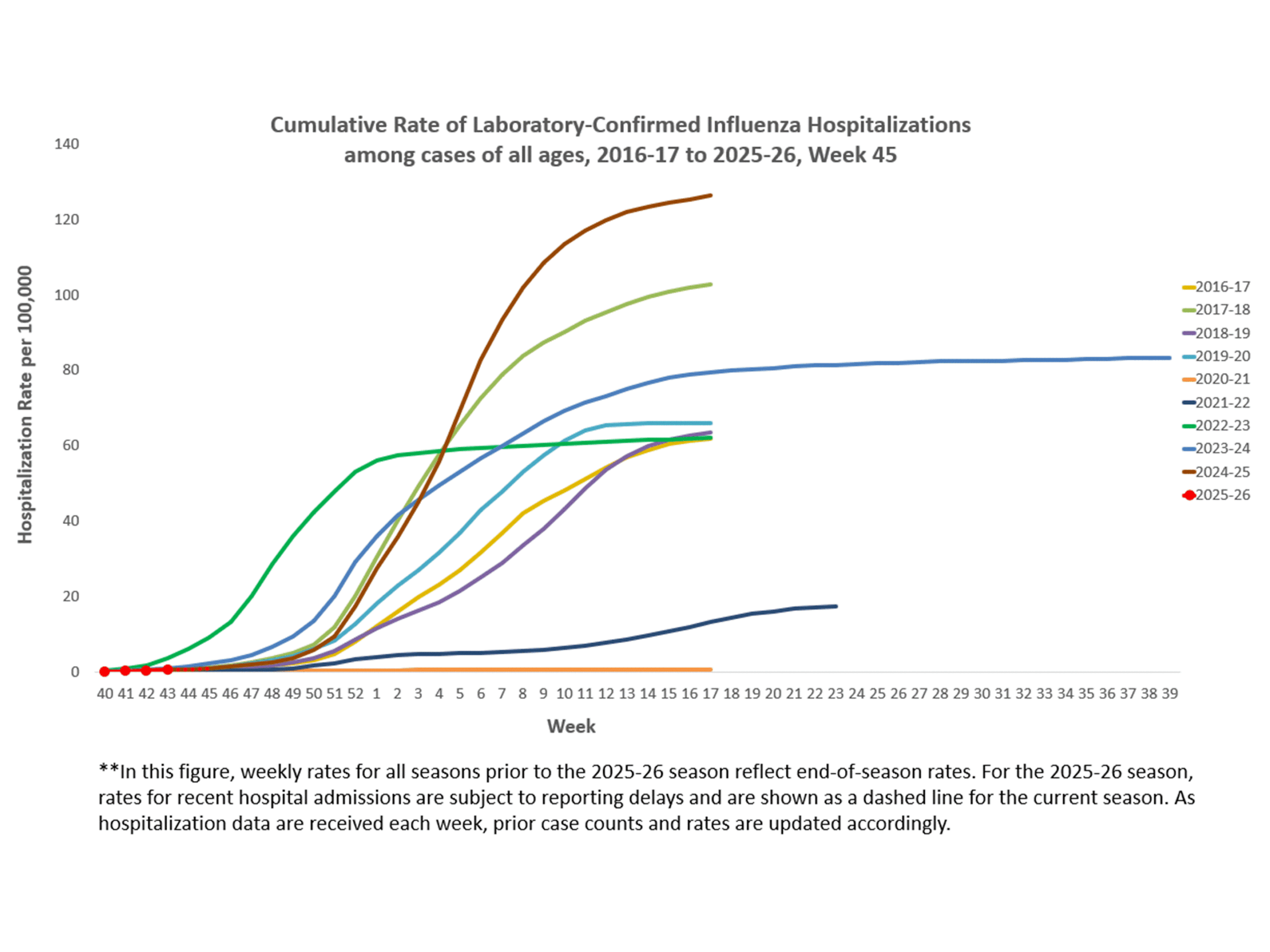
The Influenza Hospitalization Surveillance Network (FluSurv-NET) conducts population-based surveillance for laboratory-confirmed influenza-related hospitalizations in select counties in 14 states and represents approximately 10% of the U.S. population. FluSurv-NET hospitalization data are preliminary. As data are received each week, prior case counts and rates are updated accordingly.
A total of 380 laboratory-confirmed influenza-associated hospitalizations were reported by FluSurv-NET sites between October 1, 2025, and November 8, 2025. The cumulative hospitalization rate observed in Week 45 was 1.1 per 100,000 population. The weekly hospitalization rate observed in Week 45 was 0.3 per 100,000 population.
When examining rates by age, the highest cumulative hospitalization rate per 100,000 population was among adults aged 65 years and older (3.3), followed by adults aged 50-64 years (1.1) and children aged 0-4 years (0.8).
National Healthcare Safety Network (NHSN) Hospital Respiratory Data
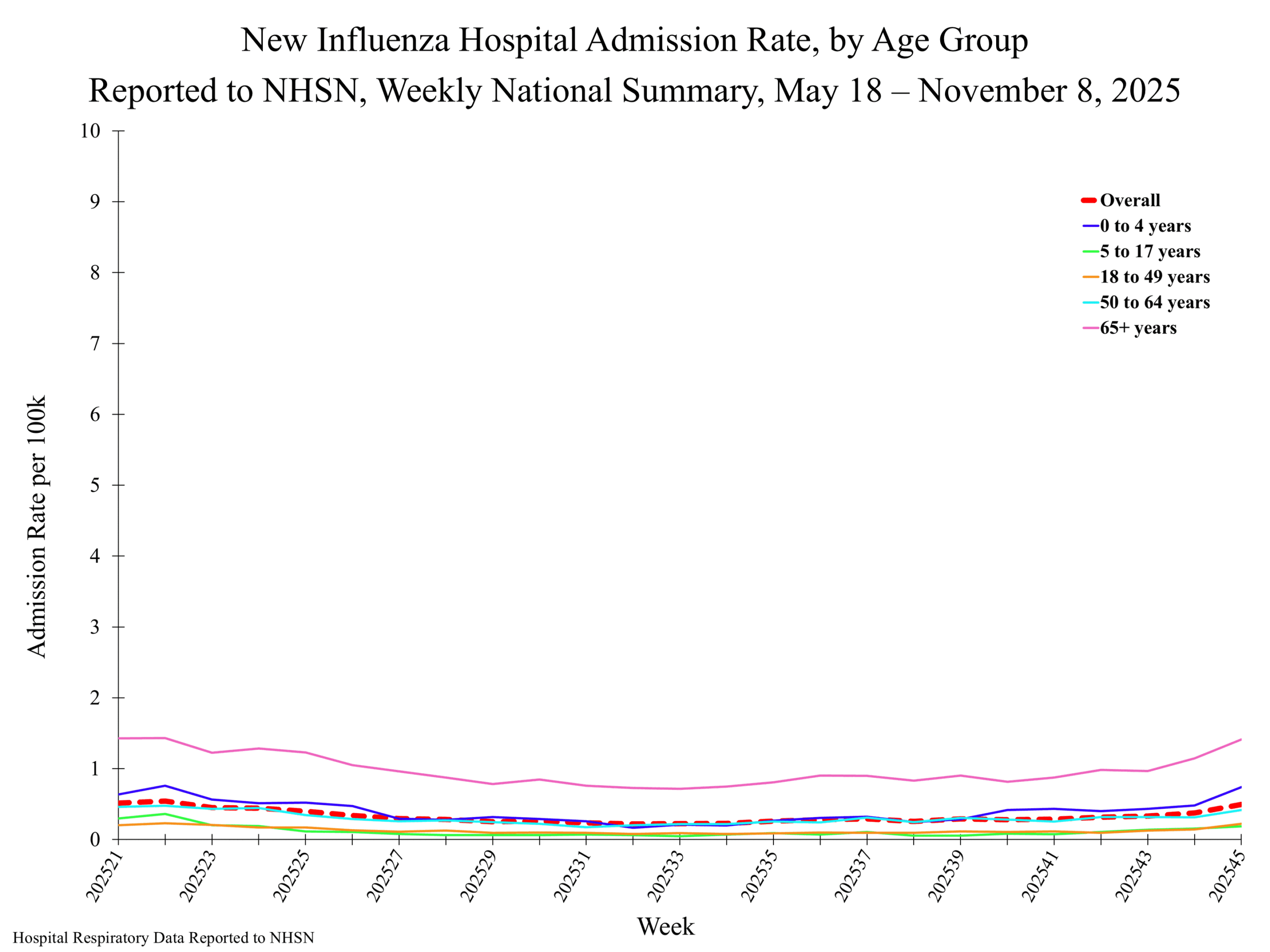
Hospitals report to NHSN the weekly number of patients with laboratory-confirmed influenza who were admitted to the hospital. Nationally, during Week 45, 1,665 laboratory-confirmed influenza-associated hospitalizations were reported. This week's number of influenza-associated hospitalizations increased (change of ≥ 5%) slightly compared to Week 44.
Laboratory confirmed, influenza-associated hospital admission rates per 100,000 population remain low in all 10 HHS regions but have been trending upward over past several weeks and ranged from 0.2 (Region 5) to 0.7 (Region 6) during Week 45.
When examining rates by age for Week 45, all age groups remain low. The highest hospital admission rate per 100,000 population was among those 65 years and older (1.4), followed by 0-4 years (0.7), and 50-64 years age groups (0.4).
National Healthcare Safety Network (NHSN) Long-Term Care Respiratory Pathogens & Vaccination Module
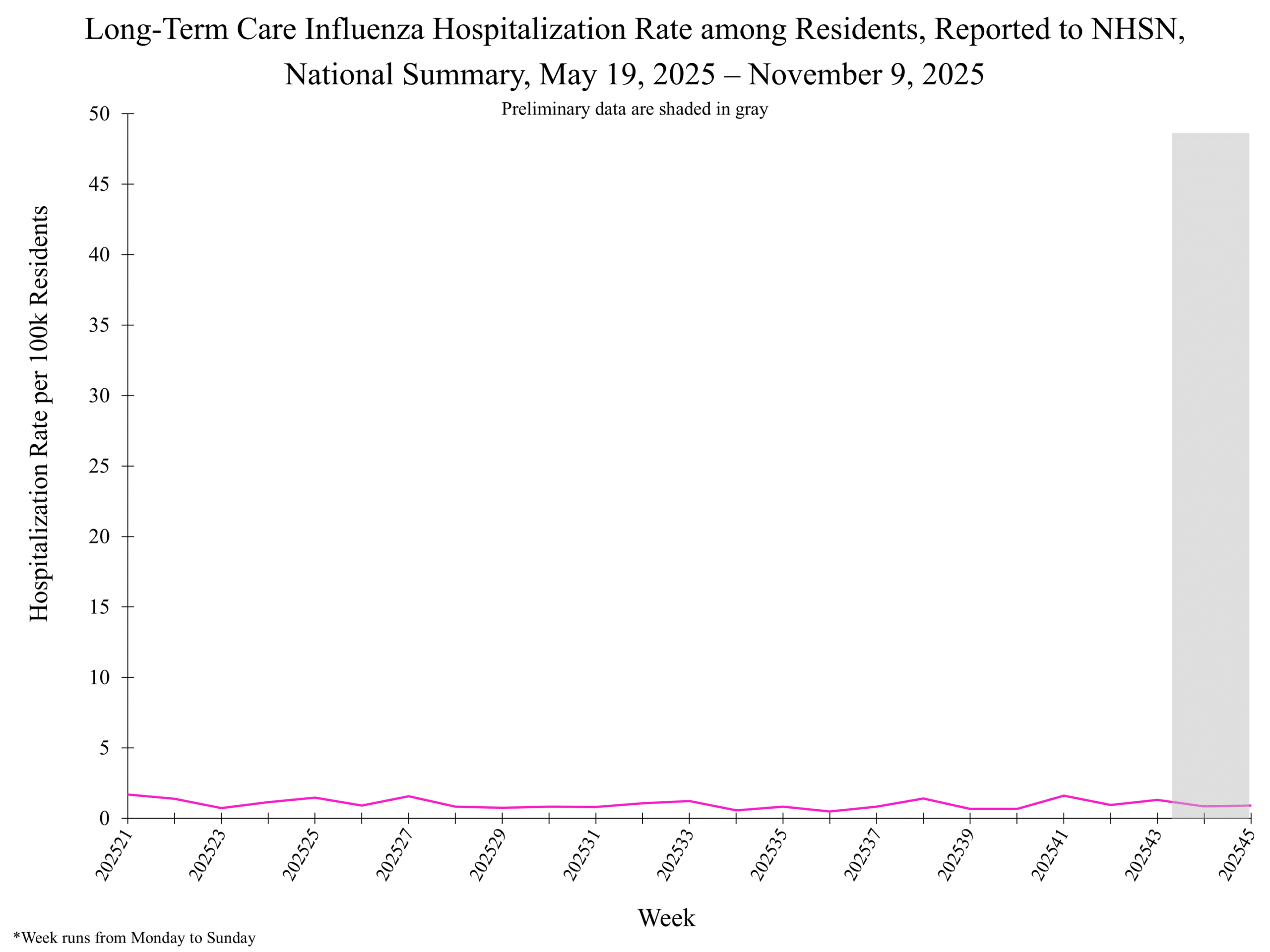
Long-term care facilities (LTCFs [e.g., Nursing homes/skilled nursing facilities]) report respiratory pathogen (e.g., COVID-19, influenza and RSV) data, including vaccination, cases, and hospitalizations among residents, to the NHSN Long-Term Care Respiratory Pathogens & Vaccination Module.
Nationally, during Week 45, the hospitalization rate for residents with a positive influenza test in the prior 10 days was 0.9 per 100,000 residents. The national rate and the rate in all 10 HHS regions remain low.
Mortality surveillance
National Center for Health Statistics (NCHS) Mortality Surveillance
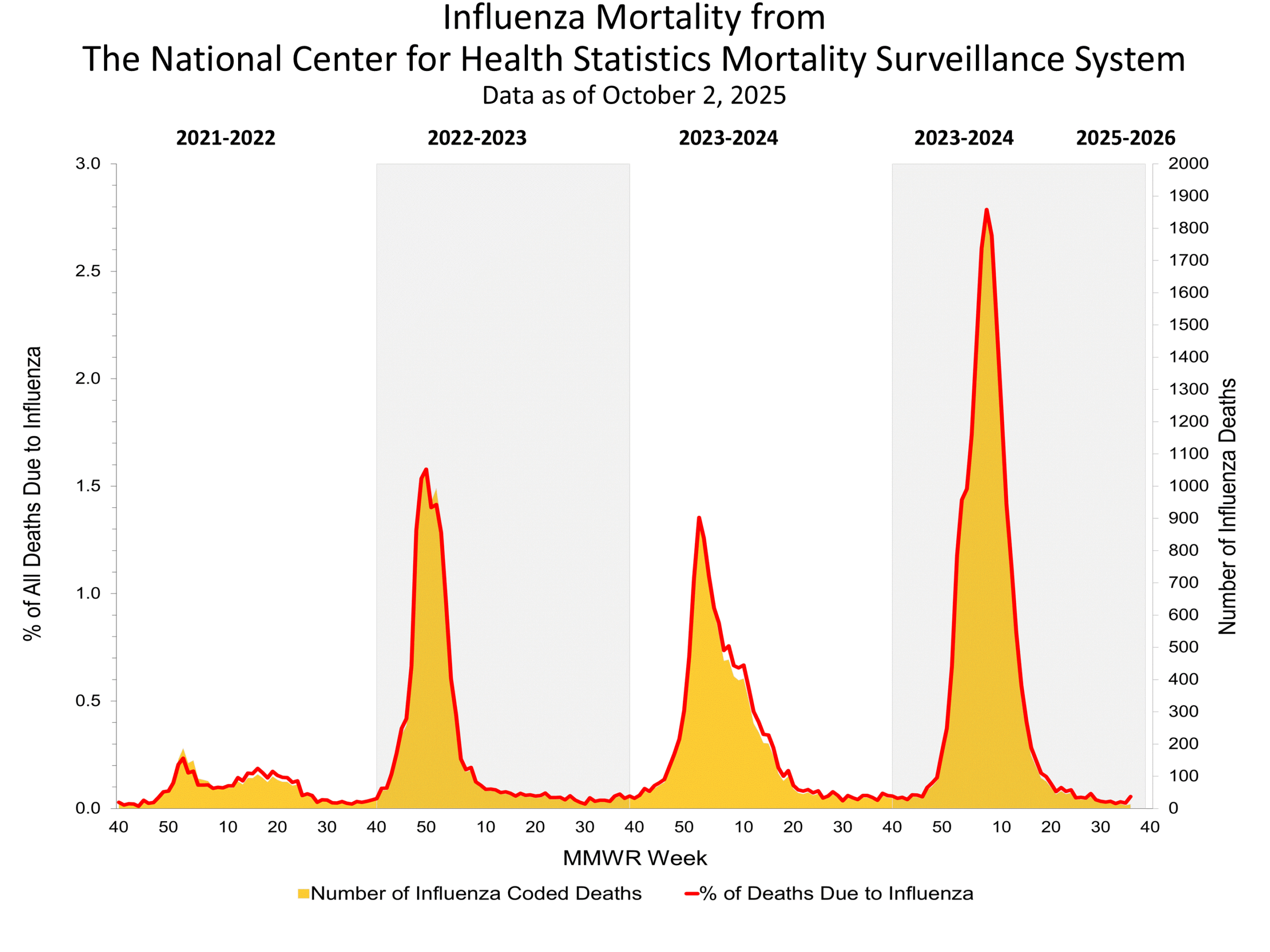
NCHS mortality surveillance data for the weeks ending October 4, 2025, through November 8, 2025 (Weeks 40 through 45) were not available for inclusion in this week's report. The following graph includes data through Week 39 of 2025 (the week ending September 27, 2025) and will be updated when data are available.
Influenza-Associated Pediatric Mortality
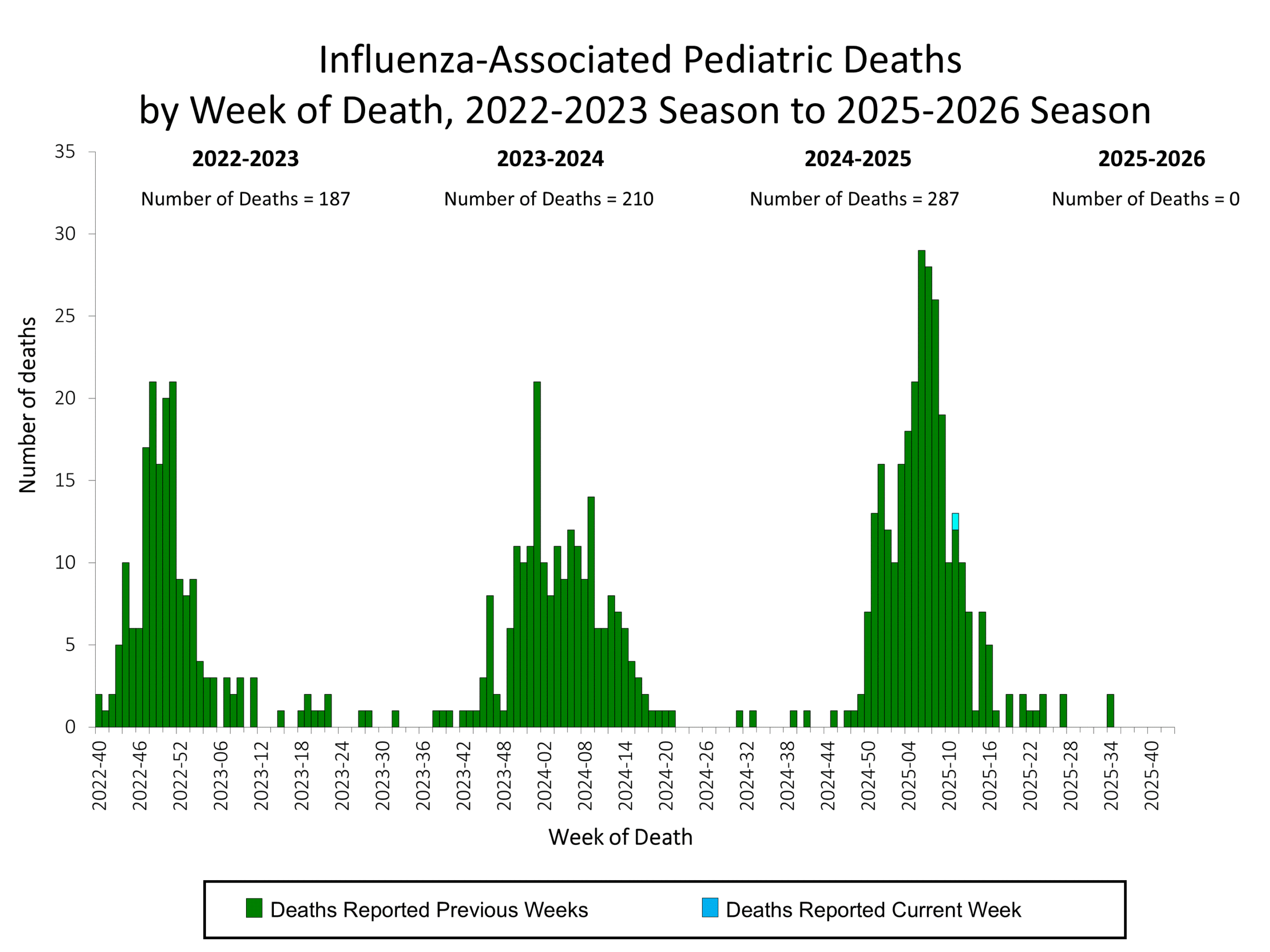
No influenza-associated pediatric deaths occurring during the 2025-2026 season have been reported to CDC.
One influenza-associated pediatric death that occurred during the 2024-2025 season was reported to CDC during Week 45. The death was associated with an influenza A virus for which no subtyping was performed and occurred during Week 11 (the week ending March 15, 2025). A total of 287 influenza-associated pediatric deaths occurring during the 2024-2025 season have been reported to CDC.
All data in this report are preliminary and may change as more reports are received.
A description of the CDC influenza surveillance system, including methodology and detailed descriptions of each data component, is available on the surveillance methods page.1
Additional information on the current and previous influenza seasons for each surveillance component are available on FluView Interactive.
Additional National and International Influenza Surveillance Information
Indicators Status by System
Increasing: 
Decreasing: 
Stable: 
Clinical Labs: Up or down arrows indicate a change of greater than or equal to 0.5 percentage points in the percent of specimens positive for influenza compared to the previous week.
Outpatient Respiratory Illness (ILINet): Up or down arrows indicate a change of greater than 0.1 percentage points in the percent of visits due to respiratory illness (ILI) compared to the previous week.
NHSN Hospitalizations: Up or down arrows indicate change of greater than or equal to 5% of the number of patients admitted with laboratory-confirmed influenza compared to the previous week.
NCHS Mortality: Up or down arrows indicate change of greater than 0.1 percentage points of the percent of deaths due to influenza compared to the previous week.
Additional surveillance information
FluView Interactive: FluView includes enhanced web-based interactive applications that can provide dynamic visuals of the influenza data collected and analyzed by CDC. These FluView Interactive applications allow people to create customized, visual interpretations of influenza data, as well as make comparisons across flu seasons, regions, age groups and a variety of other demographics.
National Institute for Occupational Safety and Health: Monthly surveillance data on the prevalence of health-related workplace absenteeism among full-time workers in the United States are available from NIOSH.
U.S. State and local influenza surveillance: Select a jurisdiction below to access the latest local influenza information.
Public Health Agency of Canada:
The most up-to-date influenza information from Canada is available in Canada's weekly FluWatch report.
Public Health England:
The most up-to-date influenza information from the United Kingdom is available from Public Health England.
Any links provided to non-Federal organizations are provided solely as a service to our users. These links do not constitute an endorsement of these organizations or their programs by CDC or the Federal Government, and none should be inferred. CDC is not responsible for the content of the individual organization web pages found at these links.
A description of the CDC influenza surveillance system, including methodology and detailed descriptions of each data component is available on the surveillance methods page.