
Highlights
- The stories below show how ELC funding enabled swift response, protecting the public and preventing further spread against infectious diseases.
- These stories also illustrate how critical ELC has been in supporting essential public health professionals and improving coordination across agencies.
- ELC-funded teams have developed successful, innovative solutions to help local health departments access real-time data and reach high-risk communities faster.
Swift Action Prevents Hepatitis A Outbreak

In February 2025, the New York City Health Department responded swiftly to a case of hepatitis A involving a food worker at a local restaurant. Supported by ELC funding, investigators and epidemiologists quickly identified the risk of exposure to other restaurant staff and the public. They set up an on-site clinic to provide post-exposure prophylaxis (PEP) to nearly 100 staff members, to prevent further spread of illness among staff and prevent a wider outbreak. The NYC Health Department's quick action demonstrates how public health protects critical businesses and helps to make dining out a safe option.
Transforming Public Health Preparedness
Funding from ELC has significantly improved Puerto Rico's infectious disease response capabilities. Through this support, Puerto Rico hired a multidisciplinary team—including public health surveillance leads, health educators, laboratory staff, and evaluators—who expanded infectious disease outbreak detection and response efforts across the island. This team hosted thousands of community outreach events to screen for infectious diseases before they spread widely. These events took place in schools, shelters, and disaster-affected areas, offering over 83,000 free tests for illnesses such as COVID-19, influenza, leptospirosis, and foodborne diseases. Staff also developed standardized protocols for case investigations, outbreak response, and data collection, and created a modular training guide to support a trained and ready workforce well into the future.

Public health specialists now provide regional surge capacity during hurricane season and disease outbreaks. Laboratory safety and quality systems have been enhanced, and more than 200,000 people have received vital health education through in-person events. These efforts not only improved Puerto Rico's ability to respond to immediate threats but also laid a strong foundation for long-term resilience and better coordination across the island's public health system.
Uncovering a Histoplasmosis Outbreak
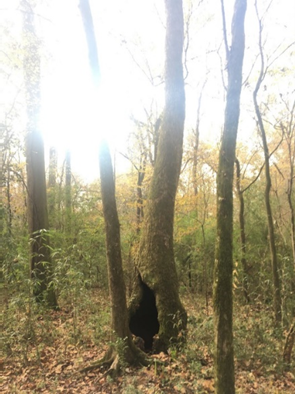
After receiving a report from a local healthcare provider, ELC-supported staff investigated the hospitalizations of young and previously healthy Louisiana residents who had recently attended a Boy Scout camping trip. Disease investigators from the Louisiana Health Department found that 15 out of 23 people who participated in camping trip reported experiencing illness; nine sought medical care; five visited the emergency room; and three were hospitalized. ELC-supported epidemiologists conducted data analysis and an on-site investigation which identified a geocaching activity as the most likely source of the exposure. Geocaching is a digital scavenger hunt-like game played through a smartphone app.
ELC funds allowed the Louisiana Health Department staff to mobilize quickly to identify the disease (histoplasmosis, a fungal infection) and its source, a geocaching site in the hollow of a tree that was unearthed by the scouts. Public health recommendations included immediately removing the geocaching site and ensuring that future geocaching activities did not involve any disruption of soil. This rapid and robust public health response halted further transmission.
Success in State and Local Collaboration

In Kentucky, ELC funding builds and sustains essential outbreak response capacity, particularly at the local level. With this funding, Kentucky created two new roles with an outsized impact on infectious disease outbreak response across the state. These positions focused on strengthening coordination between epidemiology and laboratory teams and providing support to local health departments during infectious disease outbreaks.
Specific support included developing case investigation guidance, training staff, and leading cross-cutting outbreak investigations for illnesses like Respiratory Syncytial Virus (RSV), Hand, Foot, and Mouth Disease, and scabies. Enhanced coordination across lab and epidemiology teams during outbreaks, results ensures the timely detection of unusual disease patterns. This position also led the creation of a new Enteric Cluster Tracker—a tool that combines lab and case data to improve outbreak detection and tracking.
Together, these roles have significantly improved Kentucky's ability to respond to outbreaks quickly and consistently. By boosting local capacity, strengthening data use, and improving coordination between labs and disease investigators, Kentucky is better prepared to detect threats early, protect vulnerable populations, and reduce the spread of infectious diseases.
Mounting a Successful Legionellosis Response
In July 2024, the New Hampshire Department of Health and Human Services (DHHS) identified a cluster of seven people with Legionellosis who had all visited the same geographical area. While recent Legionellosis investigations in New Hampshire focused on exposures at specific locations, this one was unique. Staff responded quickly and effectively, linking the illnesses to airborne water droplets from a contaminated cooling tower.

ELC Program funds, cross-trained laboratory staff and epidemiologists worked closely with state and local partners to identify additional illnesses and inform risk communication for the public. Strong leadership, clear coordination, and established surge plans helped the DHHS team manage over 150 calls from the public and healthcare providers. Following cleaning and disinfection of the cooling tower, the DHHS Public Health Laboratories tested environmental samples, confirming the remediation was effective.
The response underscores how prior investments in staff training, response planning, and lab capacity make a difference when outbreaks happen. Building on this success, the Department is updating its outbreak response procedures, expanding training for environmental sampling, and improving coordination across agencies. These steps will help ensure the state is even better prepared to protect the public's health when the next outbreak happens.
Partnerships for Infectious Disease Response
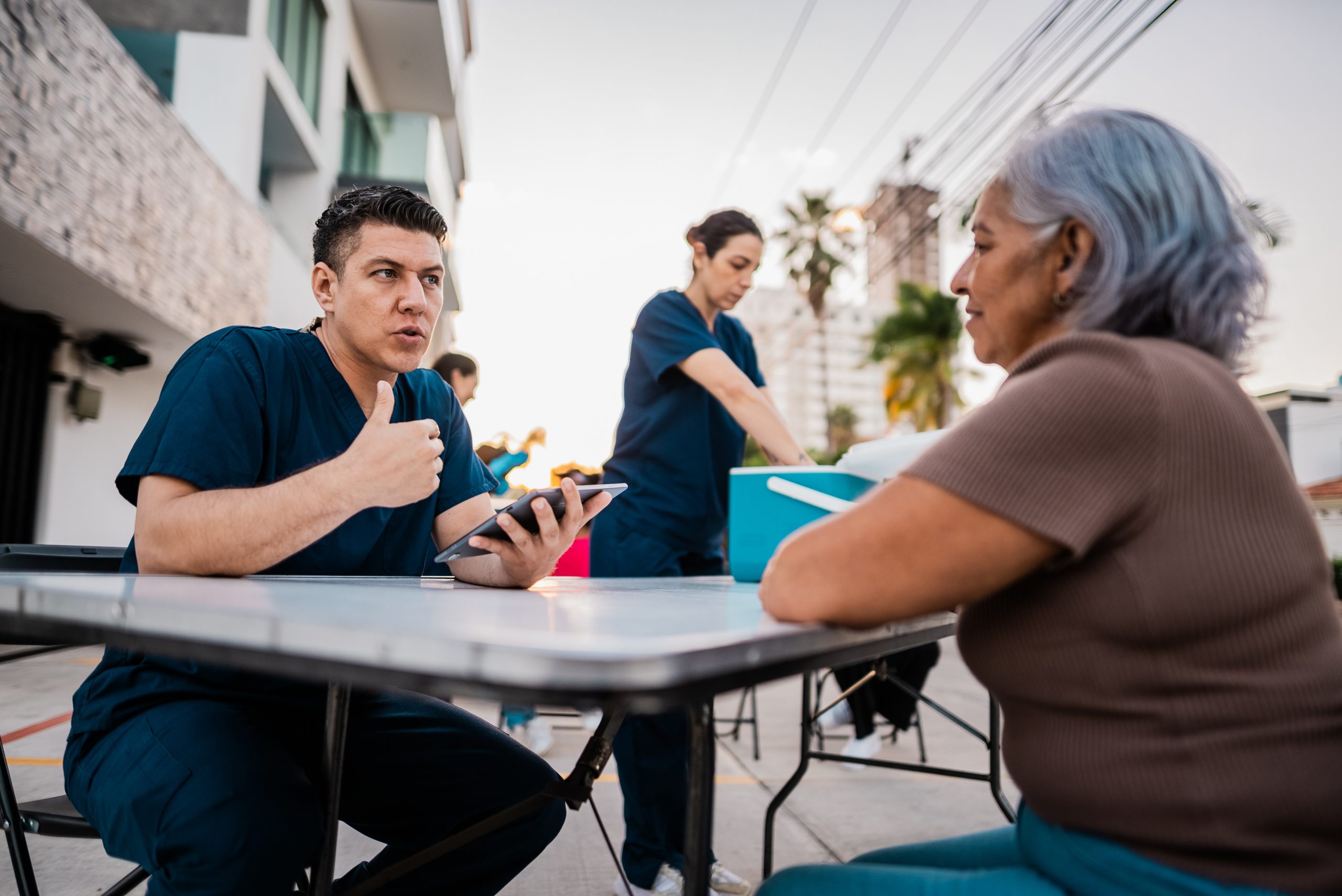
The Chicago Department of Public Health (CDPH) strengthened its ability to respond to infectious disease threats by using ELC funds to partner with academic medical centers to assemble a Rapid Response Team (RRT). The RRT deploys mobile teams to conduct infectious disease testing and specimen collection in multiple settings, such as shelters, clinics and healthcare facilities.
This team's efforts have resulted in a more efficient and flexible response to infectious disease outbreaks like mpox and measles. The RRT's ability to conduct rapid on-site testing reduces the burden on hospitals, protects healthcare workers and helps prevent the spread of infectious diseases. By establishing effective protocols and response teams, CDPH is better equipped to manage public health emergencies, ensuring the safety and well-being of the Chicago community.
Creating Public Health Data Dashboards
In West Virginia, ELC funding allowed the state health department to build dashboards that provided residents with critical information about the infectious disease trends in their communities. ELC-funded staff built dashboards that included data on respiratory diseases and vaccine coverage for local health departments and the public. Dashboards feature data collected from healthcare providers and facilities.
Local health departments can now access infectious disease and vaccination coverage data on their own quickly without having to request and wait for this information from state health department. This data can be applied to local public health interventions such as clinics and planning services. It also provides individuals with information that allows them to make informed decisions to best protect themselves and their community.