


Key points
- Tracking Awareness Week is an annual event hosted by the Environmental Public Health Tracking Program.
- CDC and partners highlight important environmental health issues and showcase the work of the Tracking Program.
- This year’s event is July 6-10, 2026 with the theme "Beyond Data!"
Overview
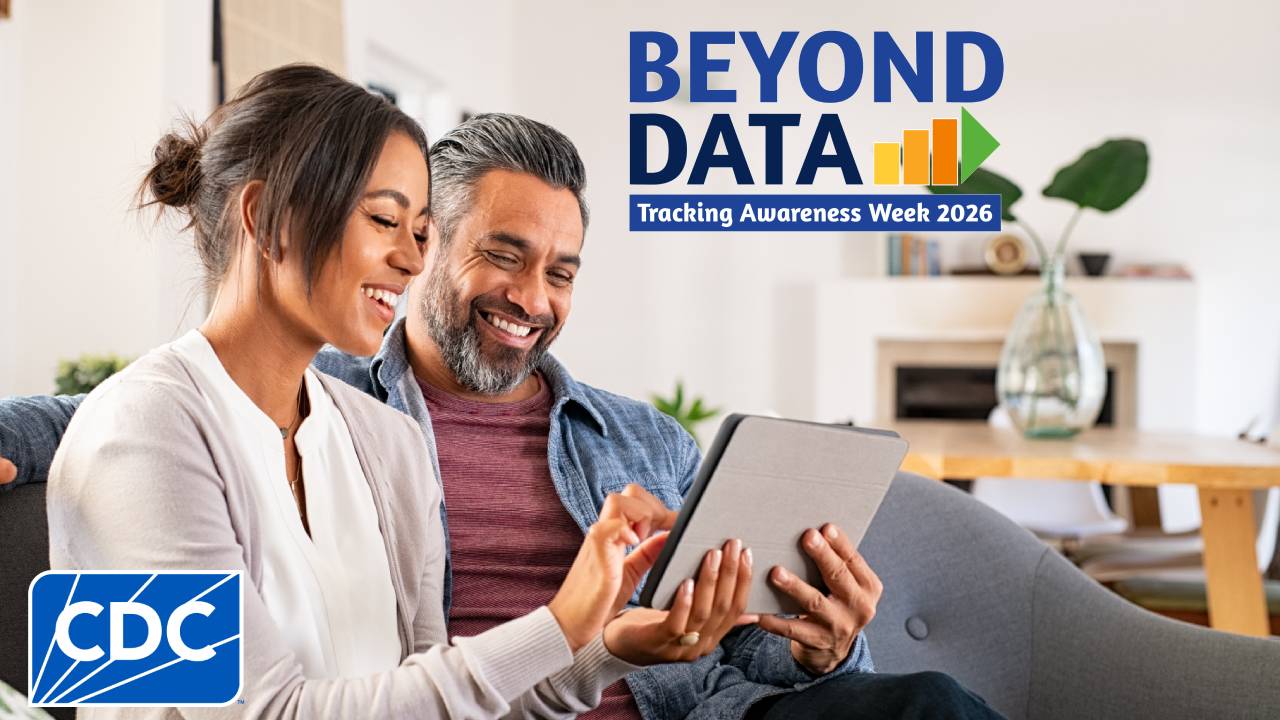
CDC's Environmental Public Health Tracking Program is hosting the eleventh annual Tracking Awareness Week July 6–10, 2026.
During this time, CDC and partners will showcase the work of the Tracking Program. Partners include state and local health departments, researchers, and people interested in environmental health.
The theme for this year's Tracking Awareness Week is "Beyond Data!" Throughout the week, some of the highlights will include
- Unique data and tools from CDC and grant recipients
- The network of people and partners powering Tracking resources
- How people use data to inform public health actions
Beyond Data
Data is only the beginning. Tracking Awareness Week is about celebrating the people, partnerships, and innovations that turn quality environmental and health data into action. Tracking Program staff work hard to make sure that everyone can access, understand, and use environmental health data and information. This week, take time to explore our data, projects, and partnerships. Discover how they empower people to make information-driven decisions that affect their personal, family, and community health.
Daily themes
Monday: Innovation
The Tracking Program brings together data and information on environment, exposures, health effects, and populations. We develop innovative systems, processes, and tools to empower people to make informed decisions about public and personal health.
► Explore CDC's innovative HeatRisk Dashboard to find out the heat risk forecast in your area. Follow the recommended actions to protect your health.
Tuesday: Getting Local
Detailed local data helps communities better understand and solve environmental health problems in their area.
► See how Kansas has been tracking and responding to harmful algal blooms to keep residents safe.
Wednesday: Expanding Partnerships
Strong partnerships are essential to the Tracking Program. These collaborations build skills and expand resources for us and our partners.
► Discover how we work with partners to expand, improve, and use environmental health data and resources.
Thursday: Informing Decisions
Tracking’s environmental health data can be used in many ways. Data can be used to help protect people from environmental dangers, improve public health processes, and help people make personal health decisions.
► The Colorado Tracking Program provided radon data to support a legislative bill, HB 16-1141. This bill established the Low Income Radon Mitigation Assistance (LIRMA) program. It provides financial support for testing and mitigating radon in low-income homes.
Friday: Celebrating Successes
Tracking data and activities have informed over 500 public health actions in communities across the country. These actions include informing policy, identifying communities at risk, and targeting public health prevention work.
► Discover the multiple accomplishments of CDC-funded Tracking programs by clicking on each recipient's location.