Impact of Changing Cluster Size and Number on the Design Effects of Household Surveys for Water, Sanitation, and Hygiene Surveys, Democratic Republic of Congo, 2023–24
- Presentation Day/Time: Thursday, April 23, 11:40 AM
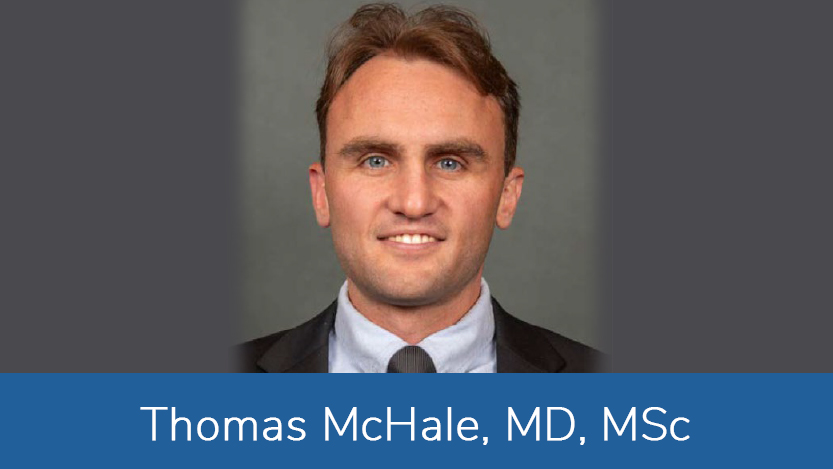
- Presenter: Thomas McHale, MD, MSc, Global Health Center, Division for Global Health Protection
The Issue
- Cluster sampling is commonly used in field surveys for water, sanitation, and hygiene (WASH), and other health indicators, often using a 30-cluster sample design. Design effect (Deff) is used to adjust sample size to achieve the desired precision when there is high intracluster correlation.
What We Did
- We analyzed the cluster design of WASH surveys in the Democratic Republic of Congo (DRC) to determine if a modified sampling design could reduce the Deff for key indicators, improving future study designs.
What We Found
- In DRC, there is high Deff for key WASH indicators, especially pertaining to drinking water source. We reduced the Deff by using a higher number of cluster samples. The modified sampling strategy improved precision while not significantly increasing cost.
What This Means
- Investigators might consider this approach to improve the quality of survey data and better focus WASH interventions, though the logistical challenges of surveying across more clusters might not be feasible in all settings.