



Key points
- Nearly 1 out of every 5 children in the United States has a special healthcare need.
- Children with special healthcare needs are more vulnerable to disasters.
- They can suffer long-term emotional and mental health effects.
- Creating an emergency kit and practicing an emergency care plan can help children stay safe and feel calm during an emergency
- Parents and caregivers of children with special healthcare needs should involve a child's healthcare provider and local emergency services in their planning.
Background
Nearly 1 out of every 5 children in the United States has a special healthcare need.
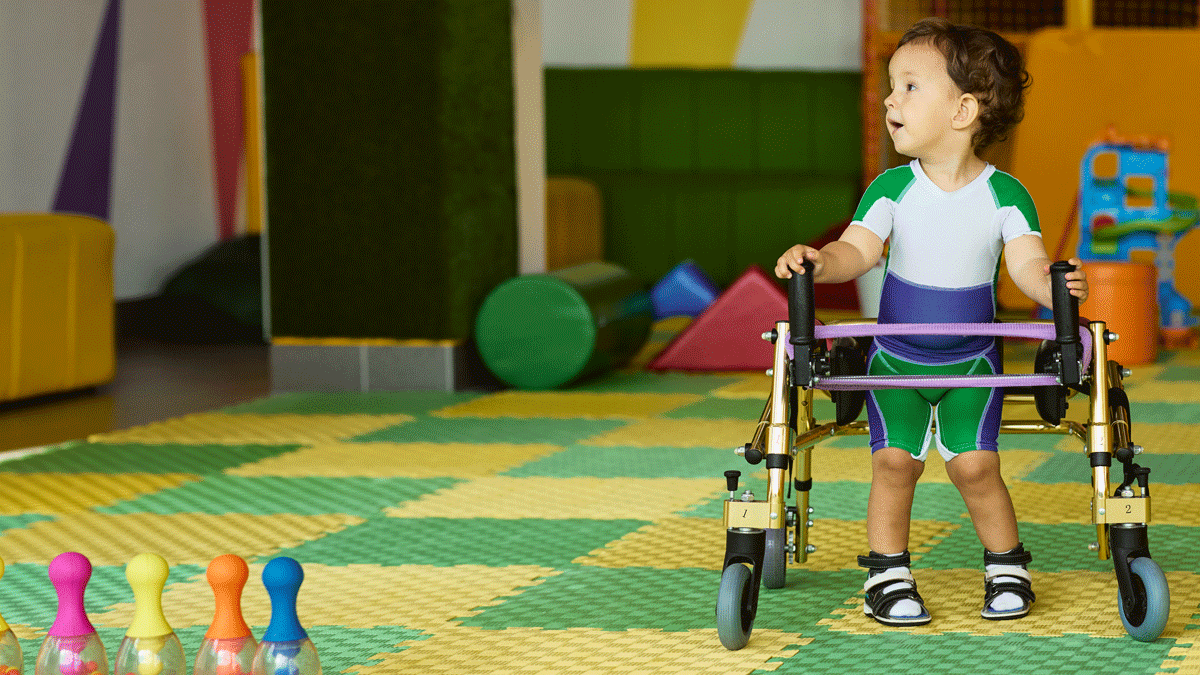
Children with special healthcare needs may have a physical, developmental, intellectual, behavioral, or emotional condition that requires specialized interventions or care.
Children are already more susceptible to disasters than adults because of their size and reliance on parents or caregivers. Children with special healthcare needs might face barriers that make them even more vulnerable to disasters. For example, they may require medications or specialized pediatric equipment.
Before a disaster
Plan for children with special healthcare needs
Parents and guardians may create an emergency care plan and an emergency care kit. If possible, the child should help with the plan.
Involve your child's healthcare provider in creating a plan. They can identify community support networks and check that the child's medical needs are included.
Practice the plan
Practice the plan with children with special healthcare needs. This will help them stay safe and feel calm during an emergency.
Make a plan for a disaster
Consider these factors in your plan:
- Safe transportation for your child, their needs, and their equipment may not be available or accessible.
- Local emergency shelters may not have the necessary resources or medications available for your child.
- Electricity may be out for a few days.
Here's what you can do:
- Call your local Emergency Medical Services (EMS) and the emergency management office in your area.
- Let them know if:
- Your child has special equipment needs.
- Your child's equipment uses electricity to operate.
- Ask them about:
- Transportation for your child and equipment.
- Shelter locations that can support your child's special healthcare needs.
During and after a disaster
During a disaster
- Talk with your child about what is happening in a way that they can understand.
- Use simple words and keep in mind your child's age and type of special need.
- Watch your child's reactions and body language to see how they are feeling.
After a disaster
Disasters can have long-term effects on a child's mental and emotional health. They can be difficult for children with special healthcare needs. Children with serious emotional and behavioral issues are at high risk for severe stress. To ease these effects, keep your child's routine and their environment as close to normal as possible.
Resources
- Emergency Medical Checklist: Children
- Individuals with Disabilities
- Transporting Children with Special Health Care Need
- Emergency Preparedness for Children with Special Health Care Needs
- Make a Plan: Individuals with Disabilities
- Child Health USA, 2014: Children with Special Health Care Needs
- Resources for People with Disabilities, Access & Functional Needs
- MCH Directors, CSHCN Directors, and State Family or Youth Leaders by State
- Keeping Children with Disabilities Safe