



What to know
- Disasters are stressful events that can affect how your child may react.
- After a disaster, children may develop mental health symptoms like anxiety, depression and post-traumatic stress disorder (PTSD).
- Learn what steps you can take to help your children cope with traumatic events.
Before an emergency
A little preparation now can make a big difference later.
Here are some steps you can take to help keep your family safe and healthy when an emergency happens.
Make a plan
- Discuss plans for emergencies with your children.
- This can include making emergency action plans together.
- Make a plan to contact family members, especially if you are not together when an emergency strikes.
- Create a plan to reunite with family members as soon it is safe to do so.
- Children may be away from their parents or accidentally separated during an emergency.
- If family members cannot return to their home, having an alternative meeting location, such as a community center, can help them reunite after a disaster.
Prepare and practice
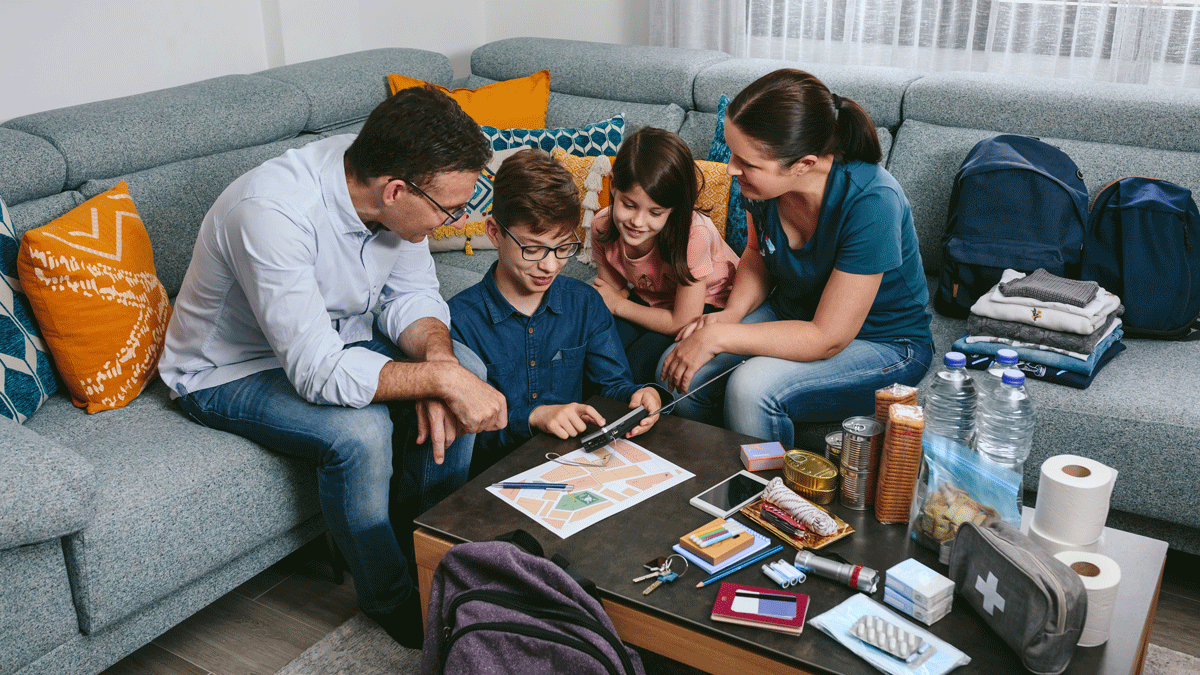
- Include your children in making emergency supply kits that include:
- A three-day supply of necessities (food, water, medicine) for each person in your family.
- Supplies such as a flashlight, games, and special toys to help keep your children calm during an emergency.
- If your children are old enough, teach them how to call 911 and memorize important phone numbers.
- Review the different types of emergencies that can happen in your area with your children.
- Review warning signs for emergencies. For example, if tornadoes are common, your children should know what to do during a tornado. This includes:
- Knowing the signs of an approaching storm.
- Knowing how to take shelter during a tornado.
- Be informed, stay informed, and sign up to get important information such as emergency warnings and alerts. Use reliable news sources and your local emergency management agency.
Contact your school
Help protect your child during the school day.
In the United States, about 69 million children are separated from their parents or caregivers every workday to attend school or childcare. You can help protect your children even when you are not with them.
Every school and childcare center should have a written emergency plan. This can include information such as how to contact parents in an emergency and where children will go if they evacuate.
- Find out the school or childcare center's emergency plans.
- Ask how you can contact the school or early care and education (ECE) during an emergency.
- Ask how parents and caregivers will reunite with their children.
- Talk to school administrators and safety officials about safety drills.
- Learn about safety drills taking place in your child's school or early care and education (ECE) facility.
- Talk with your child's teacher or ECE professionals about how to help your child see safety drills as empowering instead of scary.
- Since drills vary by state, you can also look on your state's Department of Education web page.
- Update your emergency contact information.
- Make sure that the school has up-to-date emergency contact information for your child.
- Let the school know as soon as possible if your address or phone number changes.
- Put an emergency card in your child's backpack. This is one way to make sure information such as emergency contact, medications, and allergies is readily available.
During an emergency
Different emergencies may require different actions. Protect your family by knowing what to do.
Every emergency is different. You may need to take different actions to keep yourself and your family safe. Look for safety instructions and updates from local authorities on:
- Television.
- Radio.
- Internet.
- Social media (Twitter, Facebook, or other platforms).
If your children are with you, you can:
- Stay calm and reassure your children.
- Talk to your children about what is happening. Keep it simple and talk to them in a way that they can understand.
If your children are at school
Depending on the emergency, authorities may ask you to stay where you are (shelter in place) or they may recommend that you go somewhere else (evacuate).
If you have children attending school in the affected area, school authorities may evacuate your children to a safer place. In these cases, do not go to your children during the emergency. This can put you and your children at greater risk of danger. Wait until the emergency is over or school authorities say it is safe for you to pick up your children.
Information on specific emergencies
After an emergency
Recovery can take time. Get the support you need to help you and your child after an emergency.
- You can help your children feel a sense of control. Manage their feelings by encouraging them to take action directly related to the disaster.
- Children can help others after a disaster, including volunteering to help community or family members in a safe environment. Children should NOT participate in disaster cleanup activities for health and safety reasons.
- Allow your child to be with you or another trusted adult. Help your child feel safe and calm and give them a sense of hope. Children can handle disruption better when they know it is temporary.