



Key points
- Clinical features for B. quintana infection are not specific, so diagnosis often requires laboratory support. The most common presentation is culture-negative endocarditis.
- Laboratory testing for B. quintana includes culture, serology, and molecular assays. Each of these has important limitations to consider when interpreting results.
- Bartonella quintana infection requires antibiotic treatment. Consultation with an infectious disease specialist is recommended.
Overview
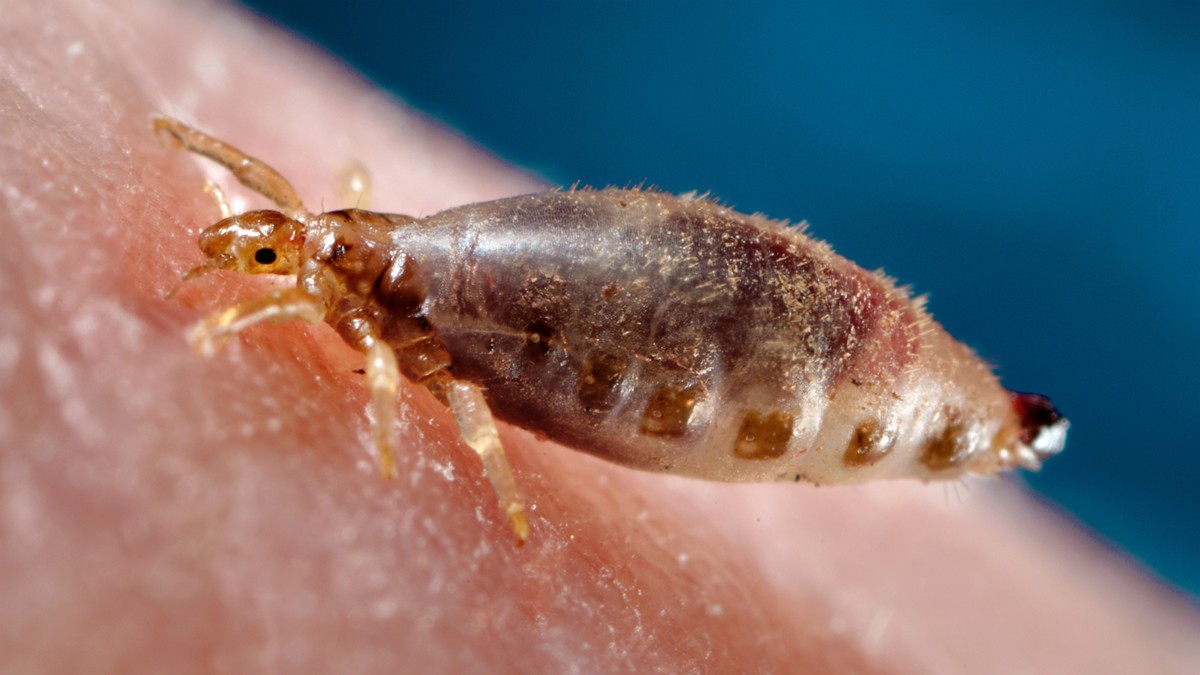
People can get Bartonella quintana from the human body louse. Symptoms include fever which may occur once or repeatedly, bone pain (mainly in the shins, neck, and back), prolonged bacteremia, endocarditis, and bacillary angiomatosis. People experiencing homelessness are at increased risk of developing infection with B. quintana because of limited access to shower and laundry facilities.
For Everyone
About Bartonella quintana
Testing and diagnosis
- Bartonella quintana is a fastidious, slow-growing bacterium. Cultures should be held for a minimum of 21 days. It is often helpful for providers to alert the microbiology laboratory that B. quintana is suspected to optimize conditions for growth.
- Serology can aid the diagnosis of B. quintana, although cross-reactivity with other Bartonella species may limit interpretation. Providers should be aware that serological tests do not reliably differentiate among Bartonella species and positive results may persist for years even after effective treatment.
- Molecular detection (including polymerase chain reaction, PCR) can be particularly useful in cases of culture-negative endocarditis. Patients with infectious endocarditis sometimes have damaged heart valves that need to be surgically replaced. Molecular testing for Bartonella spp. should be performed on excised heart valve tissue if a patient with culture-negative endocarditis requires surgical valvular replacement. For patients with suspected B. quintana bacteremia, PCR testing can be performed on blood.
Treatment
Infection with B. quintana requires antibiotic treatment. Several antibiotics are effective against B. quintana infections, including doxycycline, macrolides, rifampin, and aminoglycosides. More than one antibiotic is often used. Consult with an infectious disease expert about treatment options.